A proposed $6 billion financing package from the U.S. Export-Import Bank could give Eni and YPF the kind of backing that turns Argentina’s LNG ambitions from a long-dated plan into a bankable infrastructure story.
YPF Eni Argentina LNG Financing Package
That matters because this is not just another energy headline — it is a signal that a massive, multiyear export project in Vaca Muerta is moving closer to the capital, equipment and supply-chain commitments needed to get built. For investors, financing is often the real hurdle in LNG, where projects can live or die on who is willing to fund tanks, pipelines, processing plants and liquefaction terminals before a single cargo is shipped.
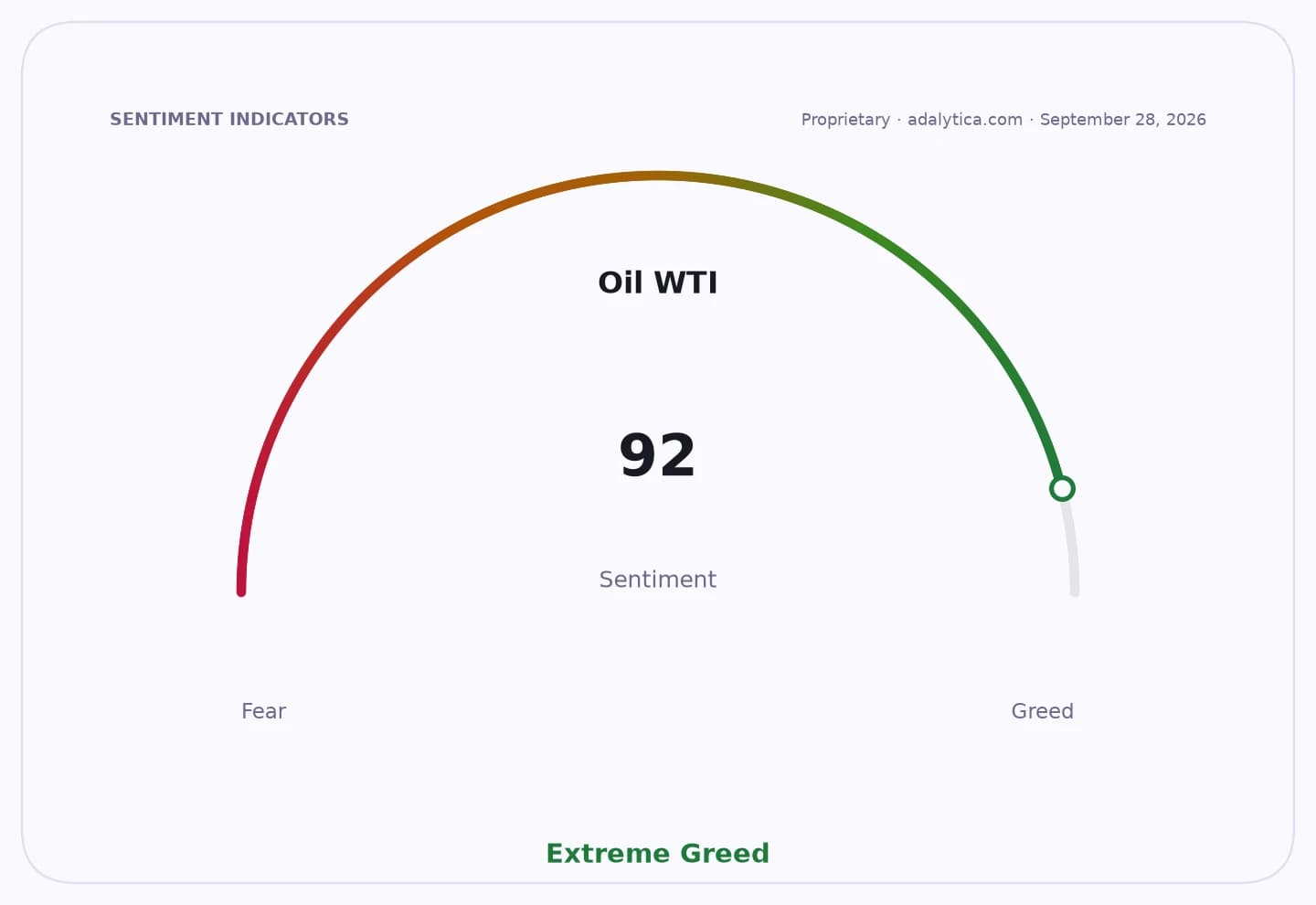
Sentiment IndicatorsⓘProprietary · adalytica.com · September 30, 2026
This is a snapshot — live sentiment, awareness and momentum for 130+ markets update continuously in the dashboard.Open AlphaPulse
YPF said the U.S. Exim proposal would cover American goods and services used to develop the infrastructure and production phases of Argentina LNG, a project involving Italy’s Eni and Abu Dhabi’s XRG. Final approval still needs a board vote, so the money is not in hand yet. But even a conditional offer is meaningful: it de-risks the project, helps align U.S. industrial interests with Argentine energy exports and improves the odds that suppliers, lenders and contractors treat the venture as real rather than aspirational.
The scale is what makes this compelling. Argentina LNG is being framed as a roughly $51 billion buildout over the life of the project, with plans for gas production in Neuquén, dedicated transport infrastructure, treatment facilities and two floating liquefaction units off Río Negro. The target is 12 million tons a year of LNG by 2031, with annual exports estimated at about $5 billion. If that timeline holds, Argentina would be edging toward becoming a more important supplier into a market that remains strategically short of flexible gas.
For Eni, the project fits a broader push into large-scale LNG and upstream monetization. For YPF, it is about converting Vaca Muerta — one of the world’s most closely watched shale resources — into hard-currency export growth. For Argentina, the payoff could be bigger than a single project: more foreign investment, stronger energy exports and a potential buffer against recurring balance-of-payments stress.
The geopolitical backdrop helps explain why this is gaining traction now. Energy security remains a priority for governments and utilities after years of supply shocks, and LNG continues to draw capital despite price volatility. The U.S. financing proposal also fits with Washington’s interest in supporting strategic supply chains and infrastructure tie-ups in Latin America, especially when they involve American equipment and services.
Investors should see this as a long-duration catalyst, not a near-term earnings event. Big LNG projects are notorious for delays, cost inflation and financing complexity. But when financing starts to show up, especially from an export-credit agency, it usually means the project is moving one step closer to final investment decision and eventual cash flow.
For long-term shareholders, that is the kind of development worth watching closely. Argentina LNG could become one of the more important LNG growth stories outside the traditional Gulf and Qatar corridors — if the financing holds, the permits follow and the partners keep lining up behind it.
| Entity | Gains | Losses |
|---|---|---|
| Eni | ▲LNG growth option | ▼Capital commitment risk |
| YPF | ▲Export revenues | ▼Balance-sheet strain if delayed |
| U.S. Exim | ▲Strategic influence | ▼Exposure to project risk |
| LNG rivals | ▲Tighter future supply | ▼Slower market share gains |