Libya’s unity government has approved applying a unified salary scale to all employees in state-funded sectors and administrative units from October, a move that could reshape public finances and raise expectations for wage normalization after years of fragmentation.
Libya approves unified salary scale from October
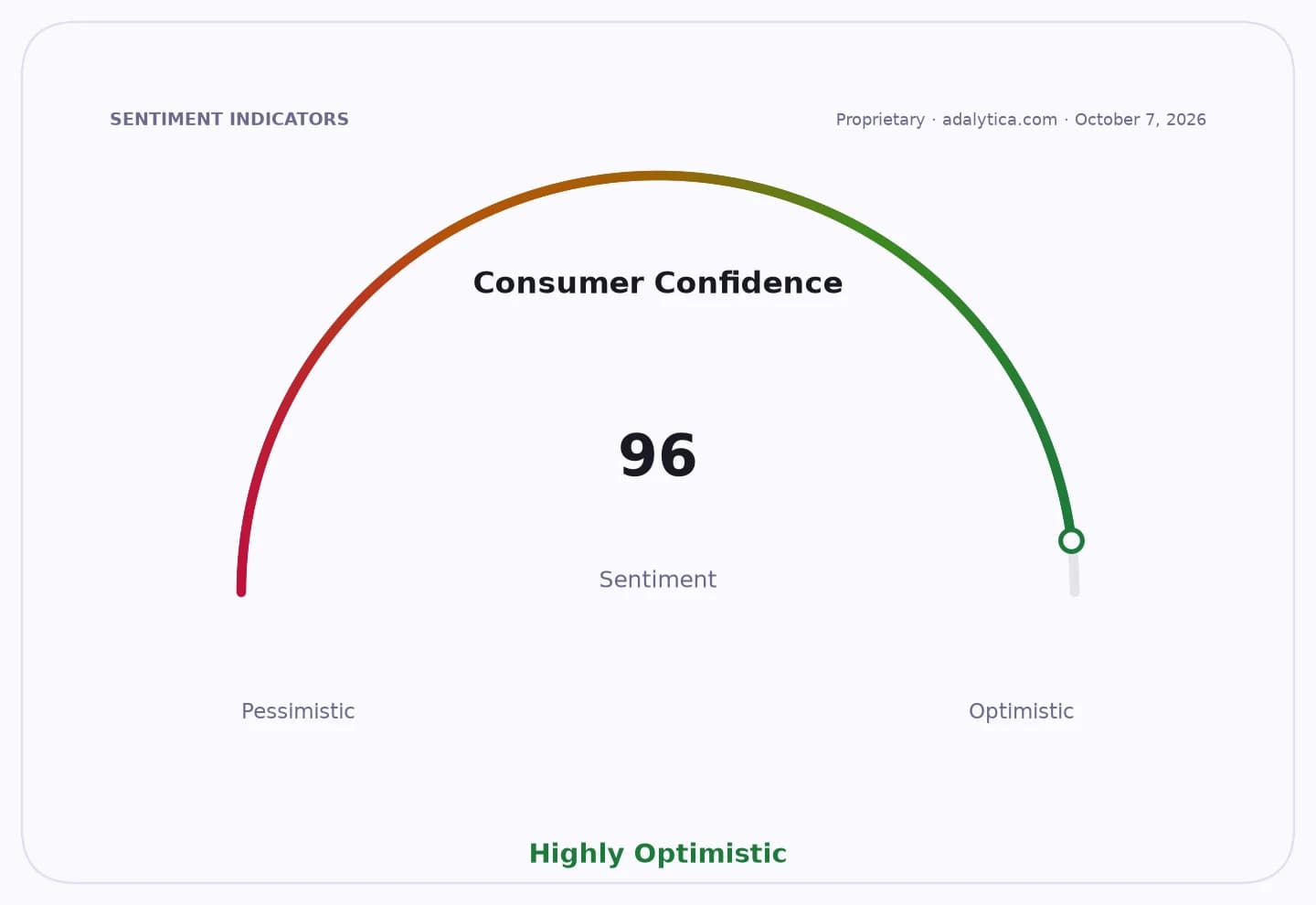
The decision is economically significant because Libya’s public sector is not just a social safety net but the main channel through which oil revenue is recycled into the economy. Bringing disparate pay structures under one framework could improve fairness and administrative transparency, but it also risks lifting the government’s wage bill unless matched by tighter payroll controls, staffing discipline and a credible financing plan.
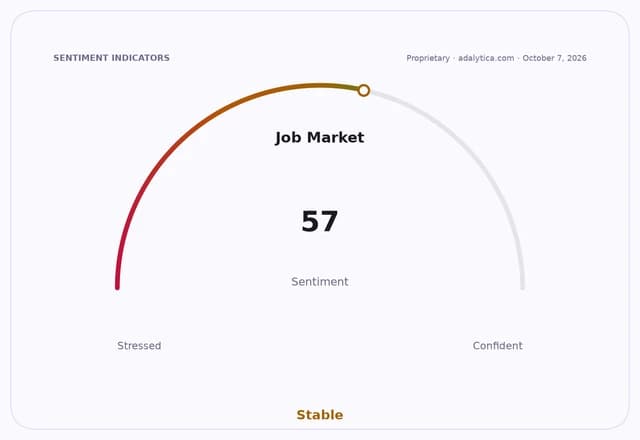
For investors and creditors, the immediate issue is not the announcement itself but whether it is the start of a broader fiscal consolidation effort or another expansion of recurrent spending. In a country where state salaries remain a dominant claim on fiscal resources, a unified scale can improve predictability and help reduce politically sensitive disparities across ministries, agencies and regions. But if implemented without cuts elsewhere, it could widen the gap between revenues and expenditures and increase pressure on already strained public accounts.
The timing matters. The measure takes effect in October, putting the government on the clock to convert a political promise into an executable payroll system. That means resolving who qualifies, how grades are assigned and whether arrears or back-pay adjustments will follow. Those details will determine whether the reform stabilizes labour relations and household income expectations, or feeds inflationary pressure through higher public spending.
For the broader economy, the policy could support consumption if wages rise for underpaid workers, especially in a country where private-sector job creation remains weak and households depend heavily on state income. But the upside for demand would be offset if higher payroll costs force the government to delay investment, maintenance or other public services. The fiscal balance is therefore the key variable, not the headline reform.
The market lens is similarly straightforward: a more orderly wage system is positive if it strengthens governance, yet negative if it adds to spending inertia and complicates budget management. The reform will be watched for signs that Libya can move from ad hoc state payroll decisions toward a more rules-based public finance framework. If it does, it would mark a modest but important step toward institutional normalization. If it does not, the unified scale may simply become another fixed claim on oil income.
| Entity | Gains | Losses |
|---|---|---|
| State employees | ▲Pay equity | ▼Uneven allowances |
| Unity government | ▲Social calm | ▼Fiscal flexibility |
| Households | ▲Higher income visibility | ▼None if delayed |
| State finances | ▲Better payroll order | ▼Higher wage burden |