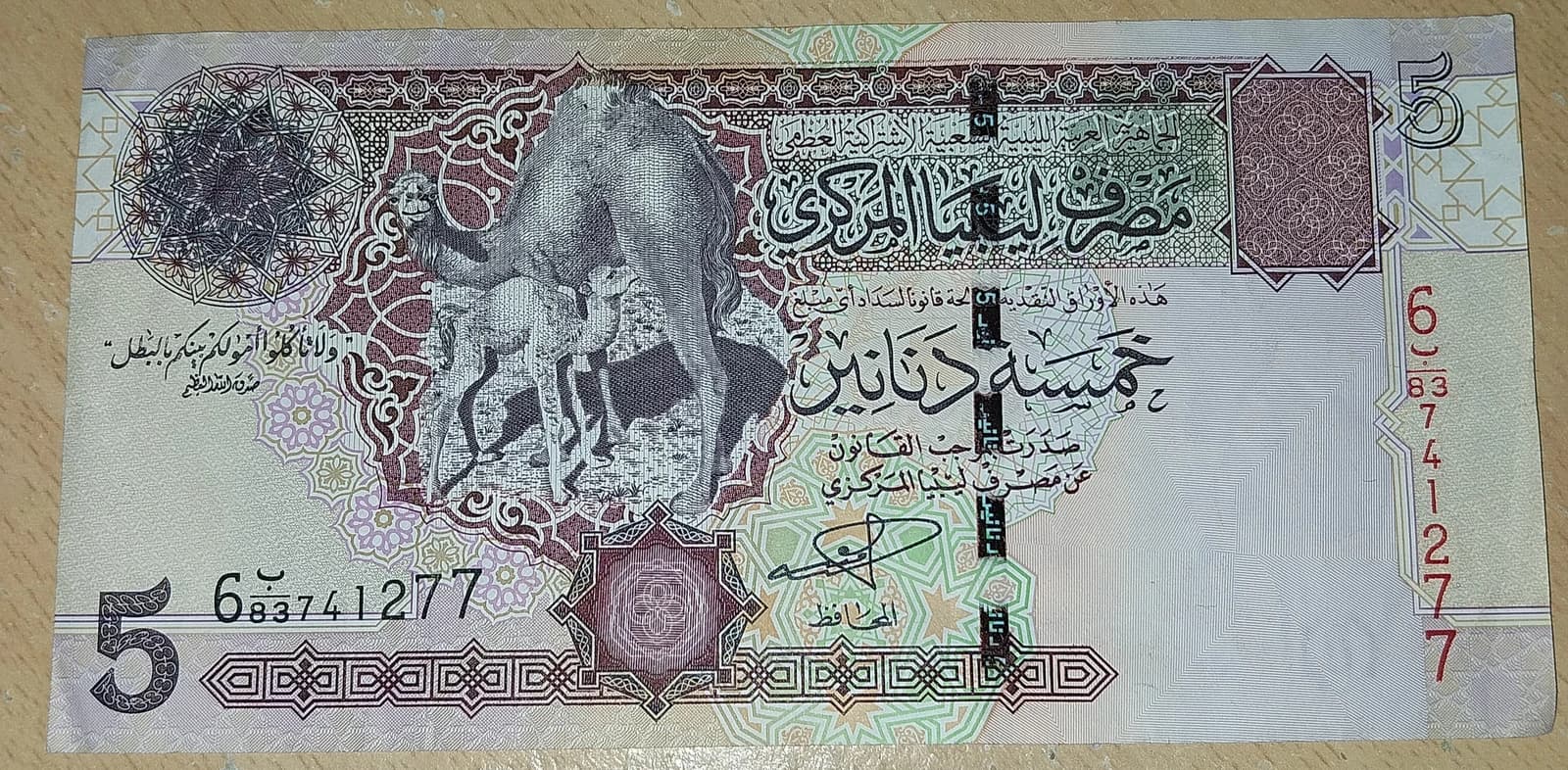
A planned wage increase in Libya is unlikely to solve the country’s cost-of-living crisis unless authorities first shore up the dinar’s purchasing power, according to a former central bank board member who warned that higher pay can quickly feed back into higher prices.
Libya wage hike depends on dinar stability
That matters because Libya’s policy challenge is not simply how much workers earn, but whether those wages buy anything lasting. In an economy still vulnerable to inflation, currency weakness and repeated fiscal stopgaps, a salary boost without a credible stabilization plan can become a short-lived political fix that leaves households no better off and forces the state back to the same problem a year or two later.
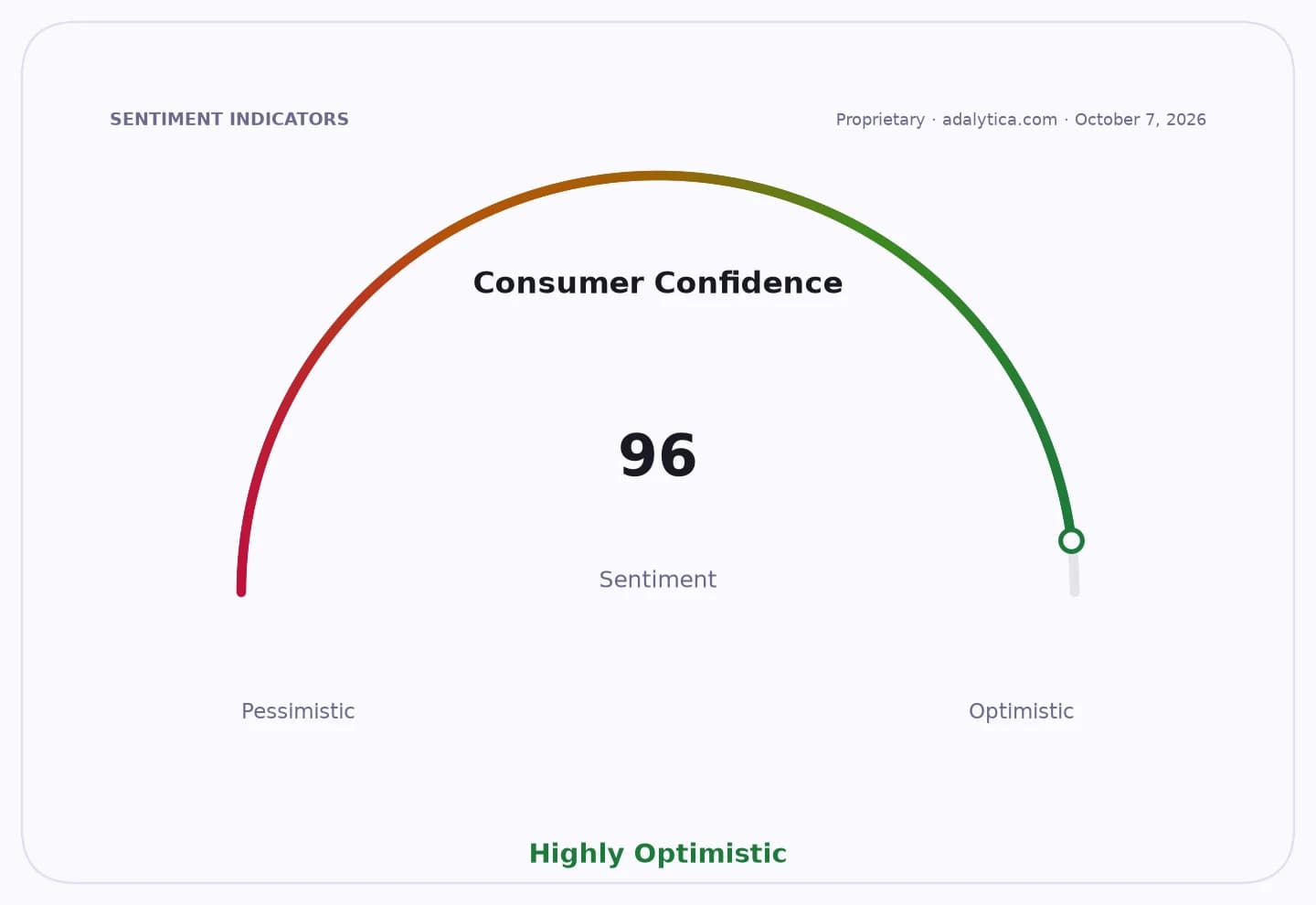
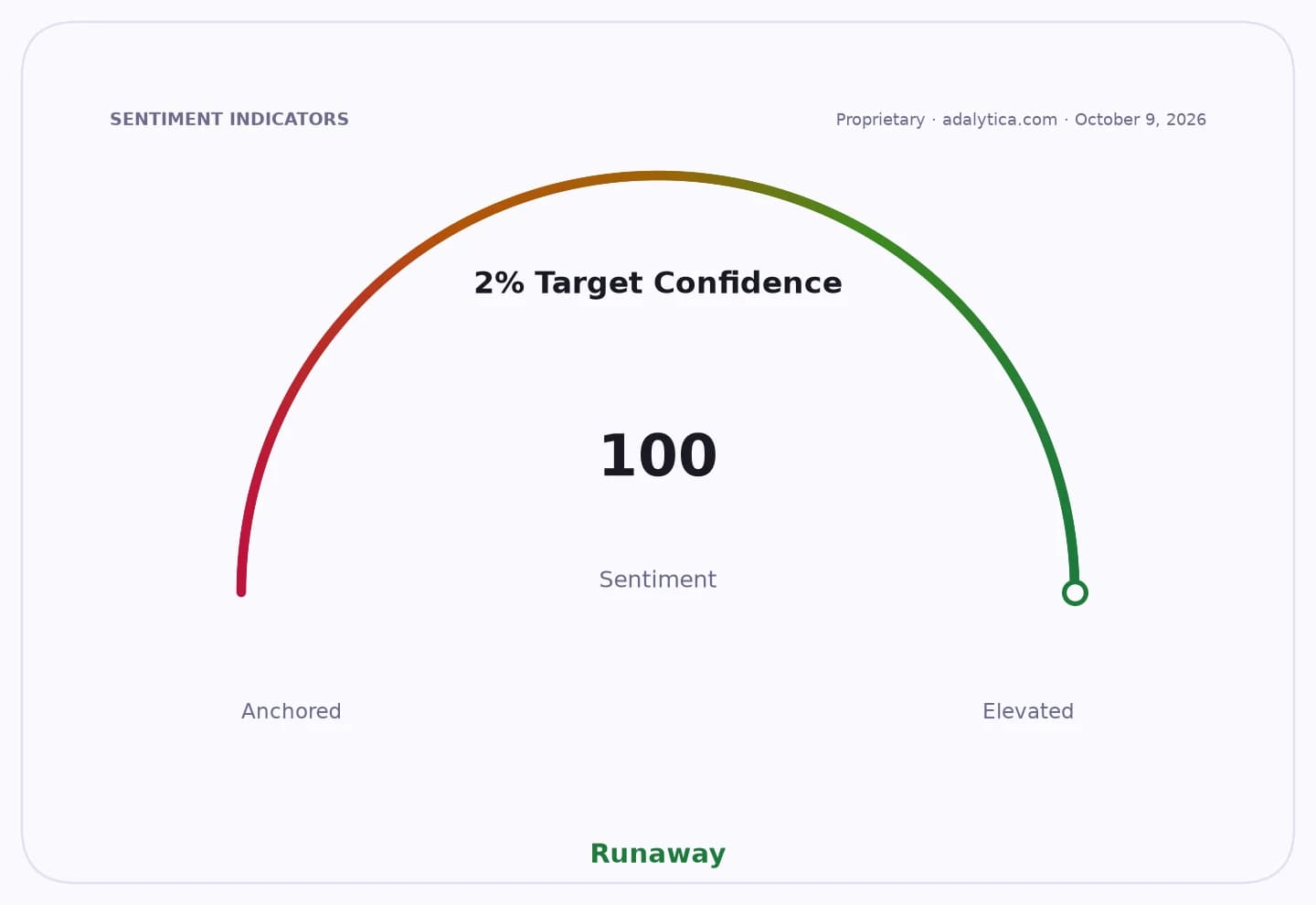
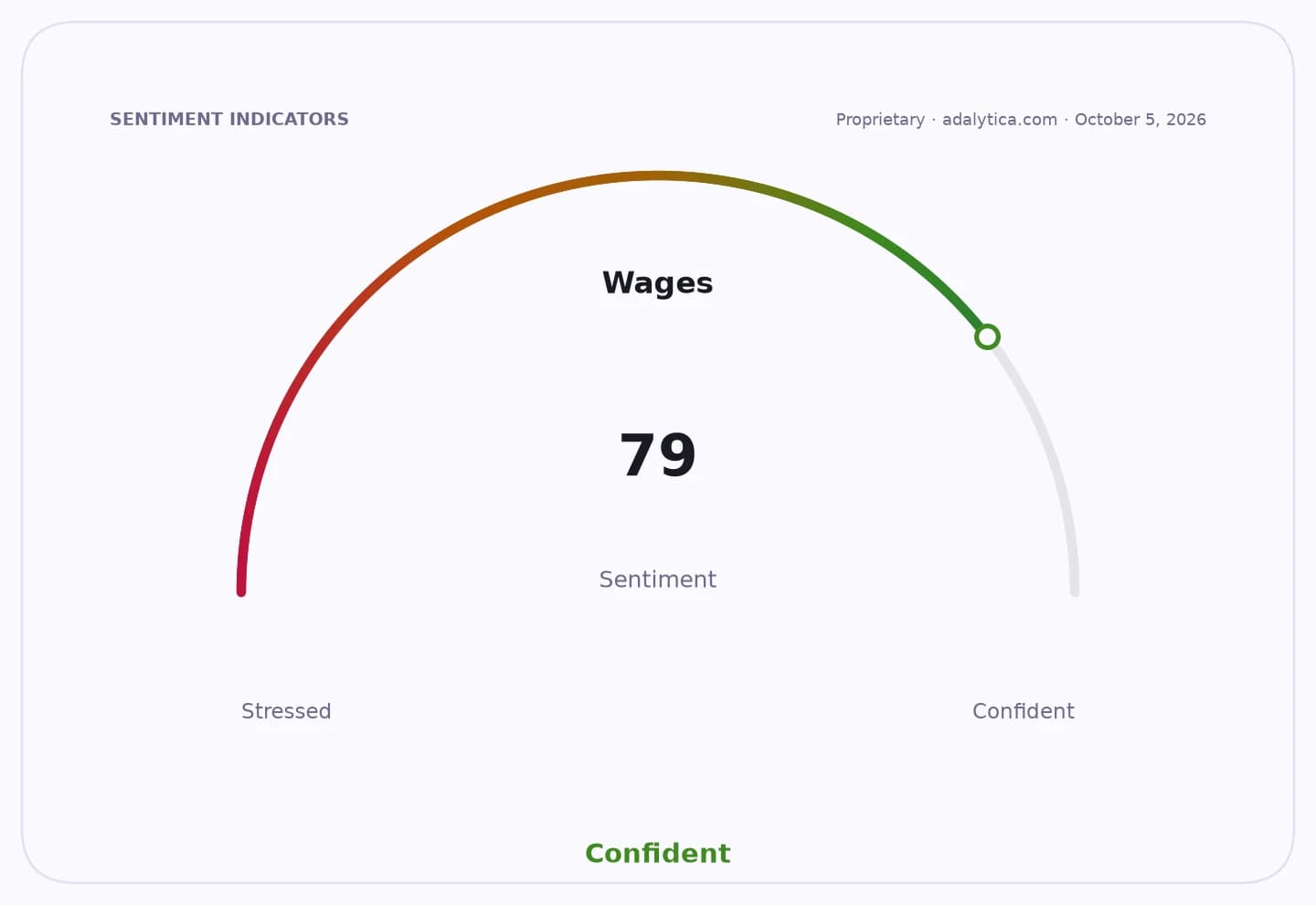
Sentiment IndicatorsⓘProprietary · adalytica.com · October 9, 2026
This is a snapshot — live sentiment, awareness and momentum for 130+ markets update continuously in the dashboard.Open AlphaPulse
Former Central Bank of Libya board member Mrajaa Ghaith argued that the size of the increase is less important than whether it improves real incomes. A 10% raise or a 30% raise, he said, means little if prices rise in tandem and erase the gain. He cautioned against automatically indexing wages to inflation, saying that approach can lock wages and prices into a self-reinforcing cycle.
For investors and policymakers, the warning is straightforward: nominal pay growth does not equal spending power. If the dinar keeps losing value, consumer demand may rise in the short term, but so will pressure on prices, imports and the public budget. That is especially important in Libya, where the economy is heavily dependent on imported goods and where any wage adjustment can ripple quickly through domestic pricing.
The broader investment takeaway is that the real trade in Libya is not a higher paycheck — it is macro stability. Markets will care far more about whether authorities defend the currency, contain inflation and avoid monetizing pay hikes than about the headline size of the salary package itself. If they fail, the wage increase becomes another inflationary round trip; if they succeed, it could support consumption without destroying purchasing power.
For now, the message to watch is clear: the salary decision is less a fix than a test of Libya’s ability to restore confidence in the dinar. Until that happens, higher wages are likely to look like relief on paper and pressure at the checkout counter.
| Entity | Gains | Losses |
|---|---|---|
| Libyan workers | ▲Short-term cash boost | ▼Purchasing power if prices rise |
| Consumers | ▲Temporary income relief | ▼Real living standards |
| Government | ▲Political goodwill | ▼Budget discipline and credibility |
| Dinar holders | ▲Potential stabilization if reforms follow | ▼Value erosion if inflation persists |