Persistently high inflation is doing more than raising prices in Bangladesh: it is weakening household balance sheets, widening inequality and threatening the political and social foundations needed for a welfare state.
Bangladesh Inflation Pressures Households and Welfare Goals
That is the core economic risk in the country’s prolonged cost-of-living shock. Over more than four years of elevated inflation, low- and middle-income families have been forced to cut back on food, healthcare and education just to keep up. For poorer households, that is not a temporary squeeze. It means lower calorie intake, missed treatment and interrupted schooling, all of which compound into weaker productivity and higher long-term social costs.
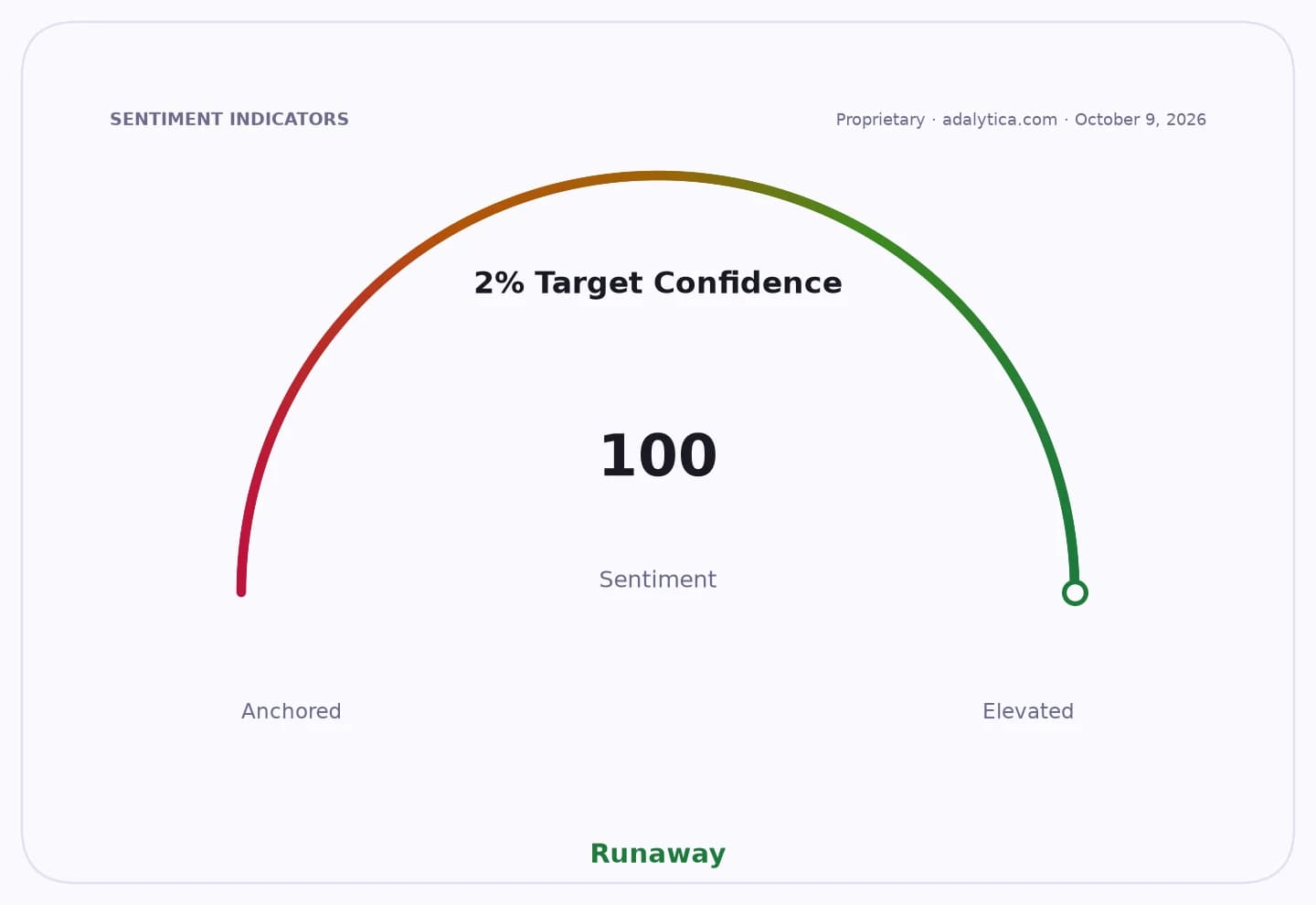
Sentiment IndicatorsⓘProprietary · adalytica.com · October 9, 2026
This is a snapshot — live sentiment, awareness and momentum for 130+ markets update continuously in the dashboard.Open AlphaPulse
The article’s warning is not abstract. Inflation acts like a tax that hits those with the least protection first and hardest. Families with limited savings cannot absorb successive price shocks, especially when wages lag living costs. That helps explain why persistent inflation tends to push households into poverty rather than merely reshuffle purchasing power within an economy. In Bangladesh, the latest fuel shock only deepens that pressure by raising transport and input costs across the economy.
For investors and policymakers, the significance is broader than consumer prices. High inflation erodes trust in institutions when the public sees the state failing to protect basic living standards. It also makes it harder for any government to deliver on promises of social security, because welfare spending becomes less effective in real terms just as demand for support rises. That is why inflation control is central not just to growth, but to the credibility of the state itself.
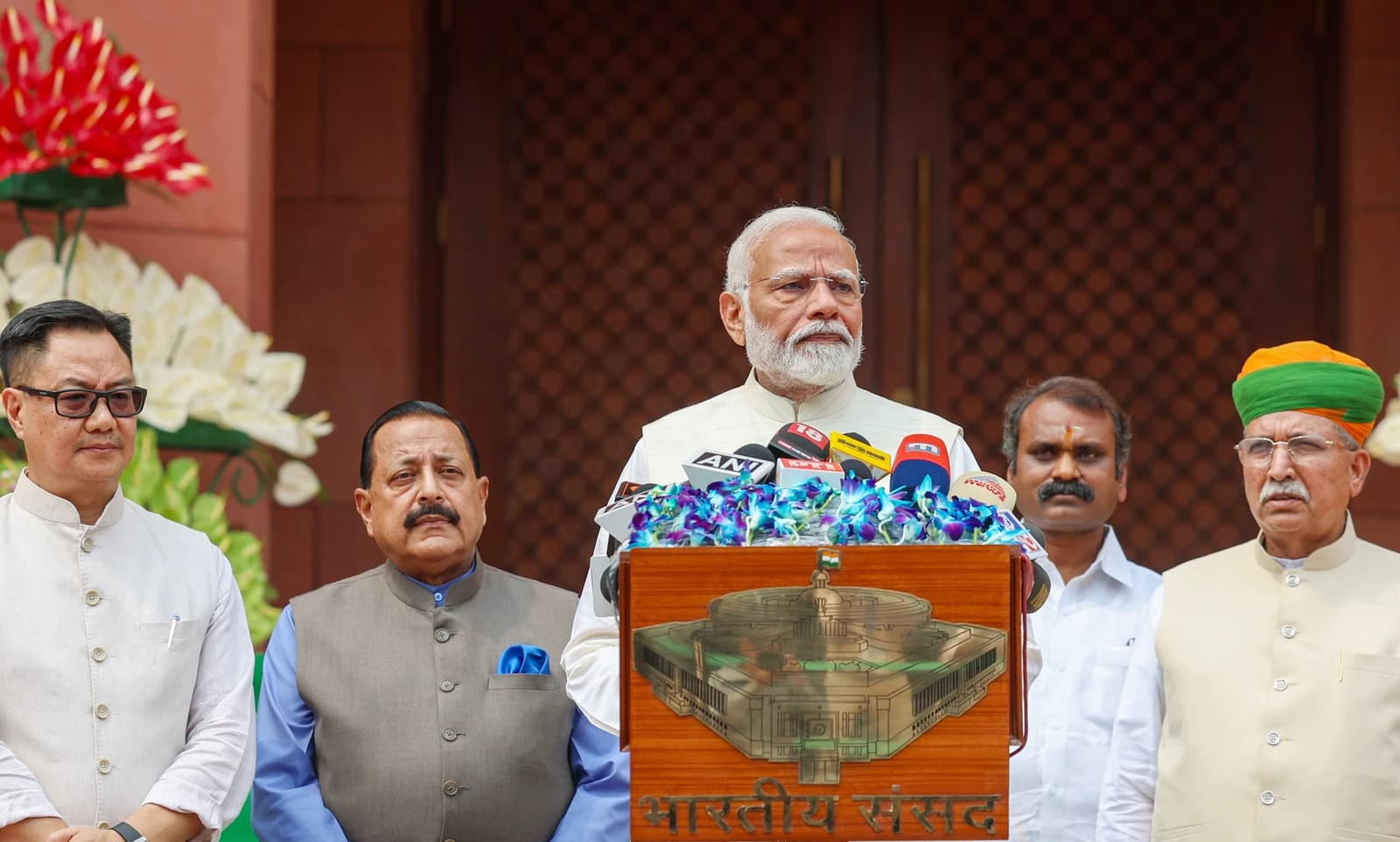
The historical parallel to Winston Churchill’s 1945 defeat underscores the political stakes. When voters feel poorer, incumbents often pay the price. That matters in Bangladesh as Prime Minister Tarique Rahman pursues a lifecycle-based social security system and tries to move the country closer to the welfare-state ideals embedded in its constitution. The issue is whether the state can stabilize prices fast enough to make those ambitions credible.
The market backdrop reinforces the same point. U.S. inflation expectations appear to be firming: Adalytica’s CPI sentiment gauge shows “Extreme Greed” on confidence in the Federal Reserve’s 2% target, even as awareness remains only neutral, a sign investors may be leaning toward a softer inflation path despite lingering uncertainty. In rate markets, Treasury inflation-protected securities and long-duration Treasuries have been volatile, with TLT still well below its 50-day and 200-day moving averages, reflecting the market’s sensitivity to inflation and policy-path risk. Financials, tracked by XLF, have also sold off sharply from recent highs, suggesting investors are still recalibrating for the possibility that inflation and growth remain uneven.
The bull case is that Bangladesh can still contain inflation through tighter policy and better supply management, allowing real incomes to recover and social spending to work as intended. The bear case is more damaging: if inflation remains sticky, households will keep compressing consumption, poverty will deepen, and the political cost will rise. For a country trying to build a welfare state, the battle against inflation is not a technical macro debate. It is the precondition for economic stability and social legitimacy.
| Entity | Gains | Losses |
|---|---|---|
| Households with fixed incomes | ▲Price stability | ▼Purchasing power |
| Bangladesh government | ▲Inflation control credibility | ▼Political capital if prices stay high |
| Welfare-state agenda | ▲Real value of social spending | ▼Effectiveness under persistent inflation |
| Investors in inflation protection | ▲Hedge demand | ▼Long-duration bonds if inflation persists |