Moldova’s government is preparing a broad increase in public-sector wages, with the biggest gains targeted at teachers, health workers, police and defense staff, in a move that will lift household incomes but also add pressure to the state payroll and the 2026 budget.
Moldova Plans Public Sector Wage Increases
Finance Minister Victoria Belous said pay in education is set to rise by 10% to 15% on average, with some support staff seeing larger jumps. Assistant educators are due to get about 30% more, head cooks 37%, teachers without grades 14% and graded teachers 11%.
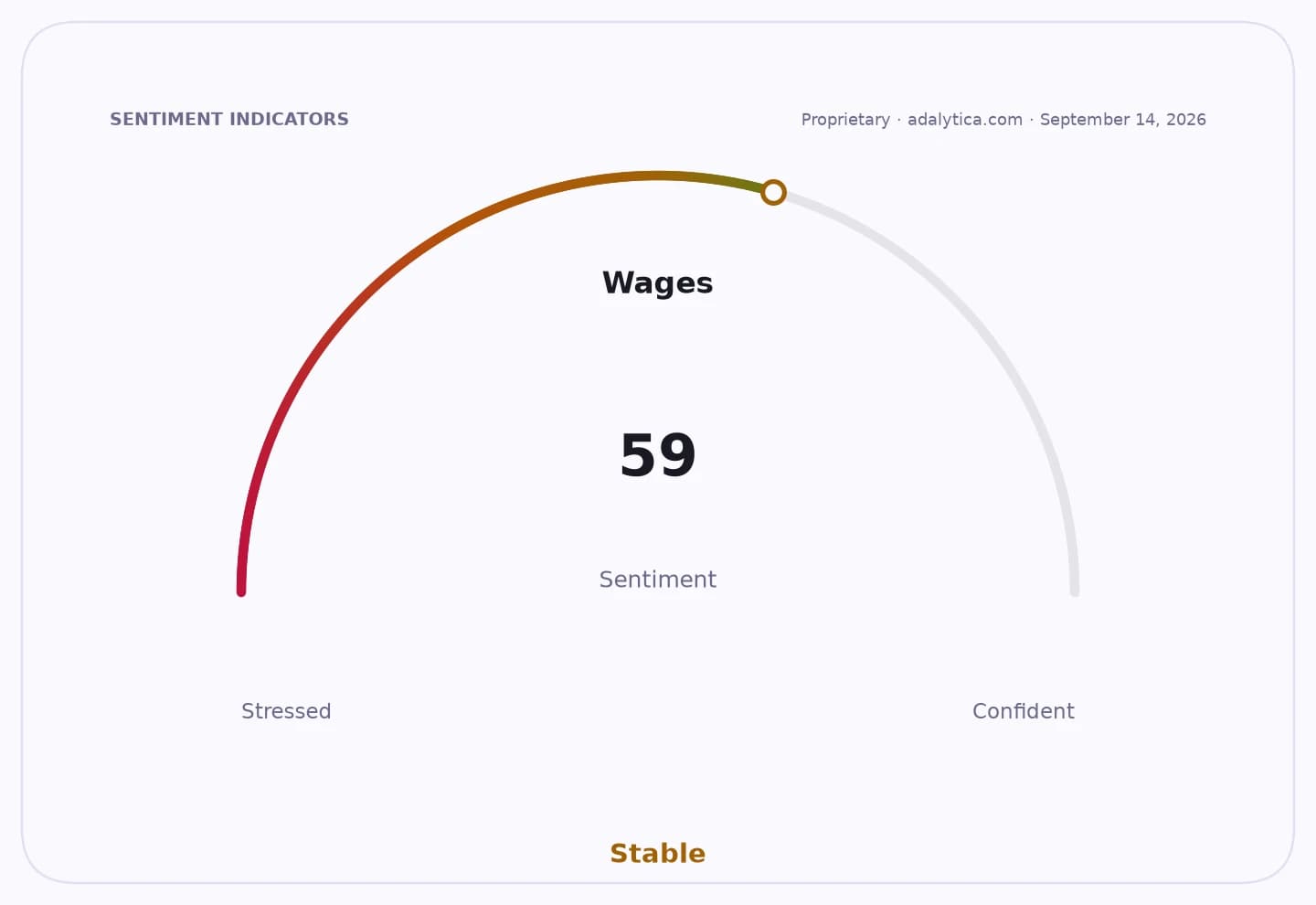
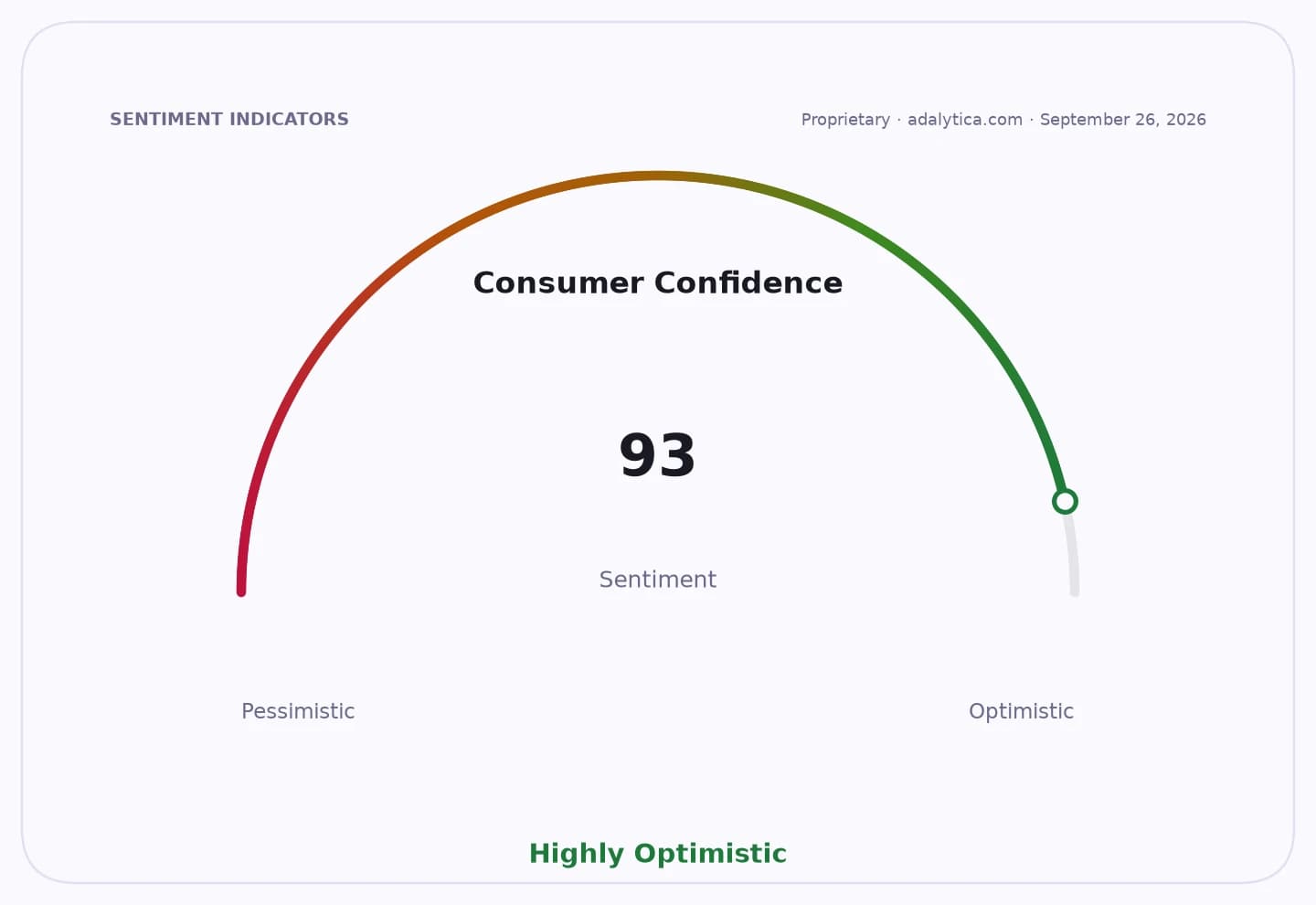
Sentiment IndicatorsⓘProprietary · adalytica.com · September 26, 2026
This is a snapshot — live sentiment, awareness and momentum for 130+ markets update continuously in the dashboard.Open AlphaPulse
The health and social assistance sector is expected to get an average increase of about 17%, with nurses seeing roughly 20% higher pay. Public order workers are slated for a 15% rise on average, while police officers with more than five years’ service could get about 20%. Defense salaries are proposed to increase 19%, culture, youth and sport 15%, public administration 15% and justice 9%.
The package matters because Moldova is using wages as both a social and economic policy tool. Public-sector pay is a key lever for retaining staff in education, healthcare and security services, all of which have faced pressure from inflation, migration and persistent labor shortages. Higher salaries could support consumption and ease staffing gaps, but they also raise fixed spending at a time when governments across the region are trying to balance wage growth with fiscal restraint.
For investors and creditors, the key question is whether the increases can be absorbed without widening the deficit or forcing offsetting cuts elsewhere. Public pay makes up a sizeable share of recurring expenditure, so even targeted increases can ripple through the budget if they are not matched by stronger revenue or slower spending in other areas. The more generous rises for auxiliary staff suggest the government is trying to compress wage disparities and reward hard-to-fill roles, but that also broadens the fiscal bill.
The move comes as Moldova seeks to stabilize essential public services and shore up confidence in state institutions. Better pay for teachers and medical staff could help reduce turnover and improve service delivery, while higher compensation for police and defense personnel supports internal security and national resilience. The risk is that faster wage growth in the budget sector may feed expectations for similar increases in other parts of the public workforce, making it harder for the finance ministry to keep a lid on costs.
For now, the announcement points to a policy choice in favor of social stability and public service retention over near-term budget compression. The size of the increases, and how they are financed, will determine whether the plan becomes a support for domestic demand or a new source of pressure on Moldova’s public finances.
| Entity | Gains | Losses |
|---|---|---|
| Teachers and school staff | ▲Higher take-home pay | ▼Fiscal tightening risk |
| Health workers and nurses | ▲Pay support and retention | ▼Budget spending pressure |
| Police and defense personnel | ▲Larger wage increases | ▼Other spending priorities |
| Moldovan state budget | ▲Service stability if managed well | ▼Higher recurring payroll costs |