A $2.5 billion steel project in Benghazi has reached 40% completion, marking a rare industrial buildout in Libya and a potential new source of supply for regional markets by early 2028.
Libya's Benghazi steel project reaches 40% completion
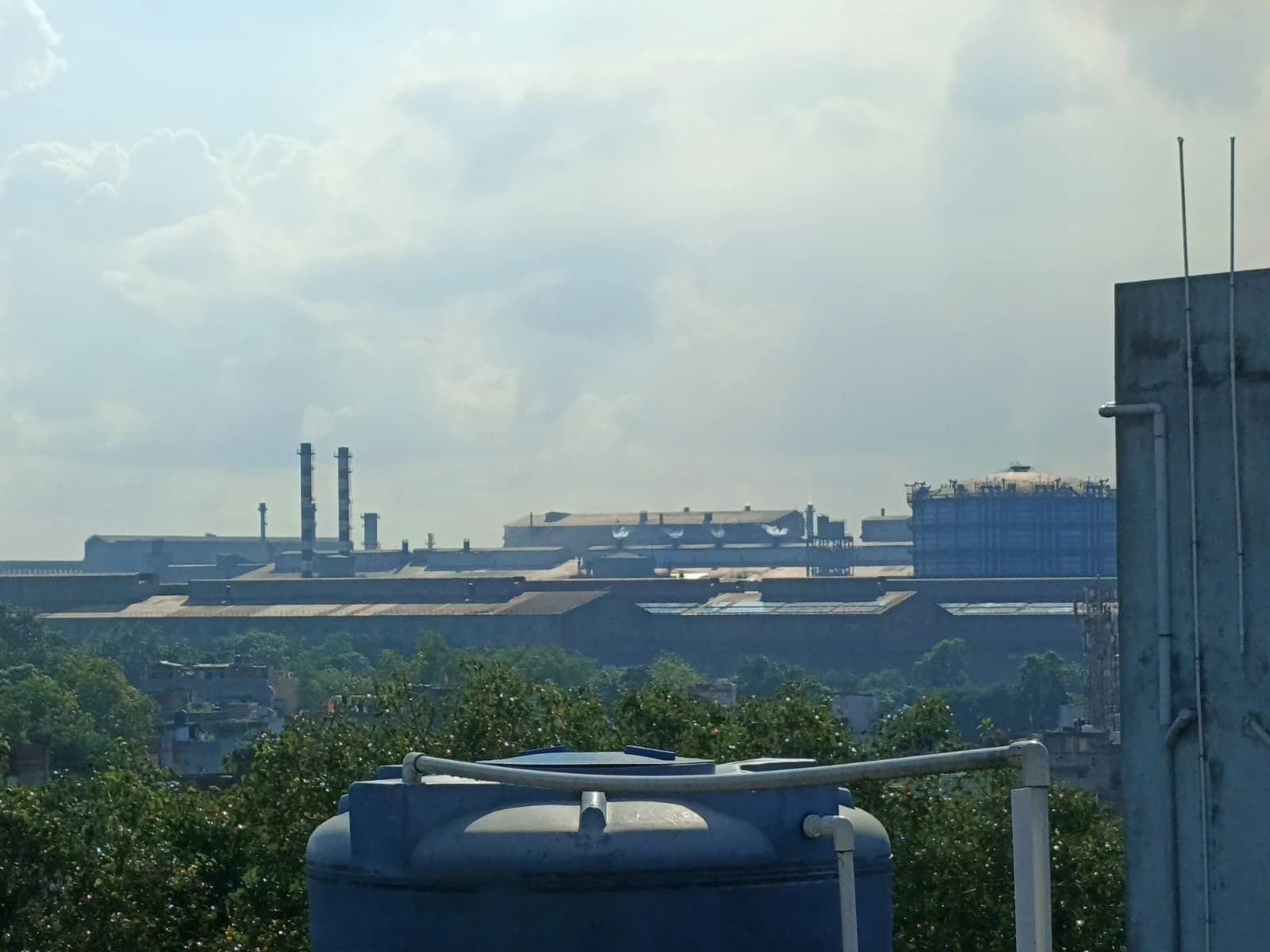
The plant, being developed by Libyan-Turkish company Tosyali Libya on a coastal site in Ras al-Minqar, is one of the country’s biggest manufacturing investments in years. Its eventual scale — 7.5 million metric tons of planned annual output, with an initial phase of 2.5 million tons — would make it a meaningful entrant in the direct reduced iron market and a possible feedstock source for steelmakers across North Africa, southern Europe and the Middle East.
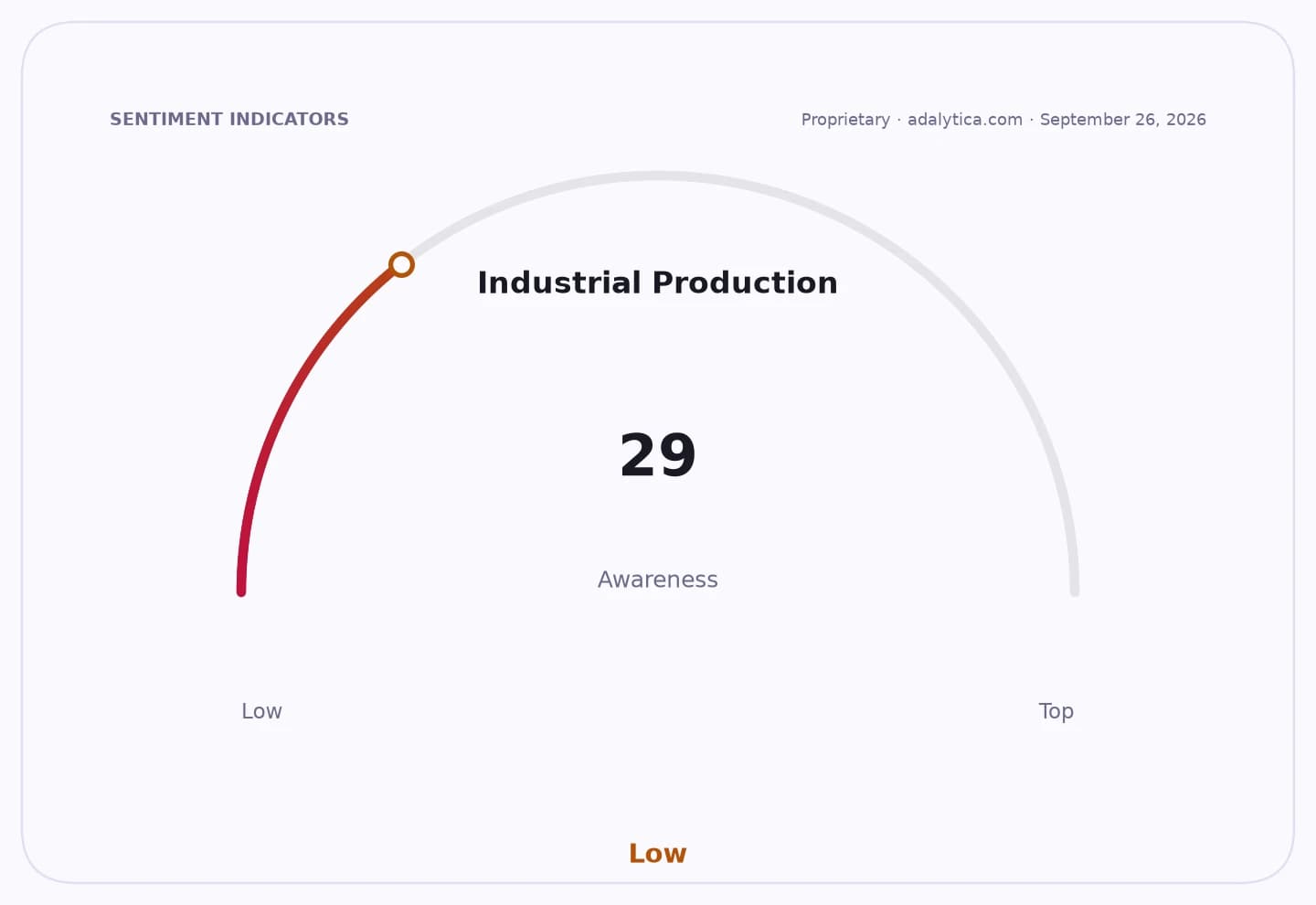
Sentiment IndicatorsⓘProprietary · adalytica.com · October 19, 2026
This is a snapshot — live sentiment, awareness and momentum for 130+ markets update continuously in the dashboard.Open AlphaPulse
The project’s timing matters economically because steel capacity is being added into a market that has been shaped by war disruption in the Black Sea, supply-chain rerouting and elevated financing costs. The shutdown of Ukraine’s largest steel smelting plant after a Russian attack has underscored how fragile regional steel supply remains, while Libya’s own industrial base has long been constrained by instability, underinvestment and power logistics. If Benghazi comes onstream as planned, it would not only diversify supply but also give Libya a larger industrial export base beyond hydrocarbons.
The company said the site has moved during 2026 from foundations and infrastructure into structural construction, with steel frames now rising across the 380-hectare complex. Concrete work and supporting utilities are still under way, including direct reduced iron units, logistics systems and other infrastructure. The coastal location is intended to make future exports easier and to support low-emissions production, with scope to increase hydrogen use later.
That low-carbon angle is strategically important for customers that are under pressure to decarbonize supply chains. Direct reduced iron is already positioned as a cleaner input than some legacy routes, and a plant designed around energy efficiency could become attractive to mills seeking lower-carbon raw materials. But the economics remain sensitive to power availability, project execution and global steel prices, especially with the ten-year U.S. Treasury yield still above 5%, keeping capital costs high and raising the hurdle for large industrial projects.
For investors, the project is a reminder that the steel cycle is increasingly being shaped not just by demand, but by geography and geopolitics. Producers with access to cheap power, export routes and modern equipment may win market share from older, more vulnerable assets. That could be positive for regional builders, equipment suppliers and logistics providers, while pressuring incumbent steelmakers facing new competition from modern capacity.
Libya’s challenge now is less about announcing capacity than delivering it on schedule. Early 2028 is still a long way off, and large industrial projects in fragile jurisdictions often slip on procurement, funding, security or utility bottlenecks. If Tosyali Libya can maintain momentum, Benghazi could emerge as one of the few major new steel supply nodes in the eastern Mediterranean; if not, the project risks becoming another example of how ambitious industrial plans in the region are slowed by execution risk.
| Entity | Gains | Losses |
|---|---|---|
| Tosyali Libya | ▲Future steel output | ▼Execution and financing risk |
| Libya | ▲Industrial diversification | ▼Dependence on timely delivery |
| Regional steel buyers | ▲New supply source | ▼Higher competition for incumbent supply |
| Existing steelmakers | ▲— | ▼New low-emissions rival capacity |