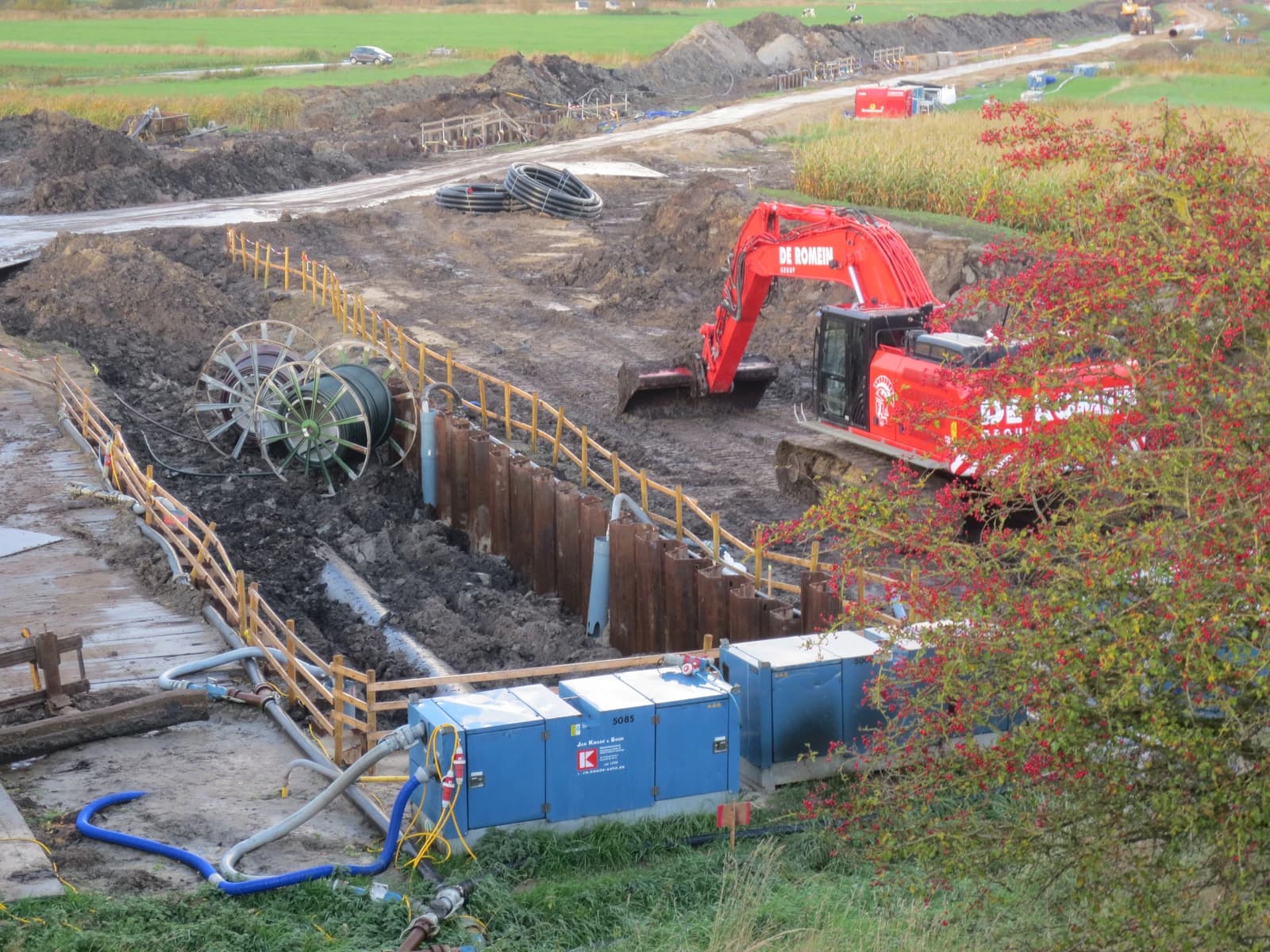
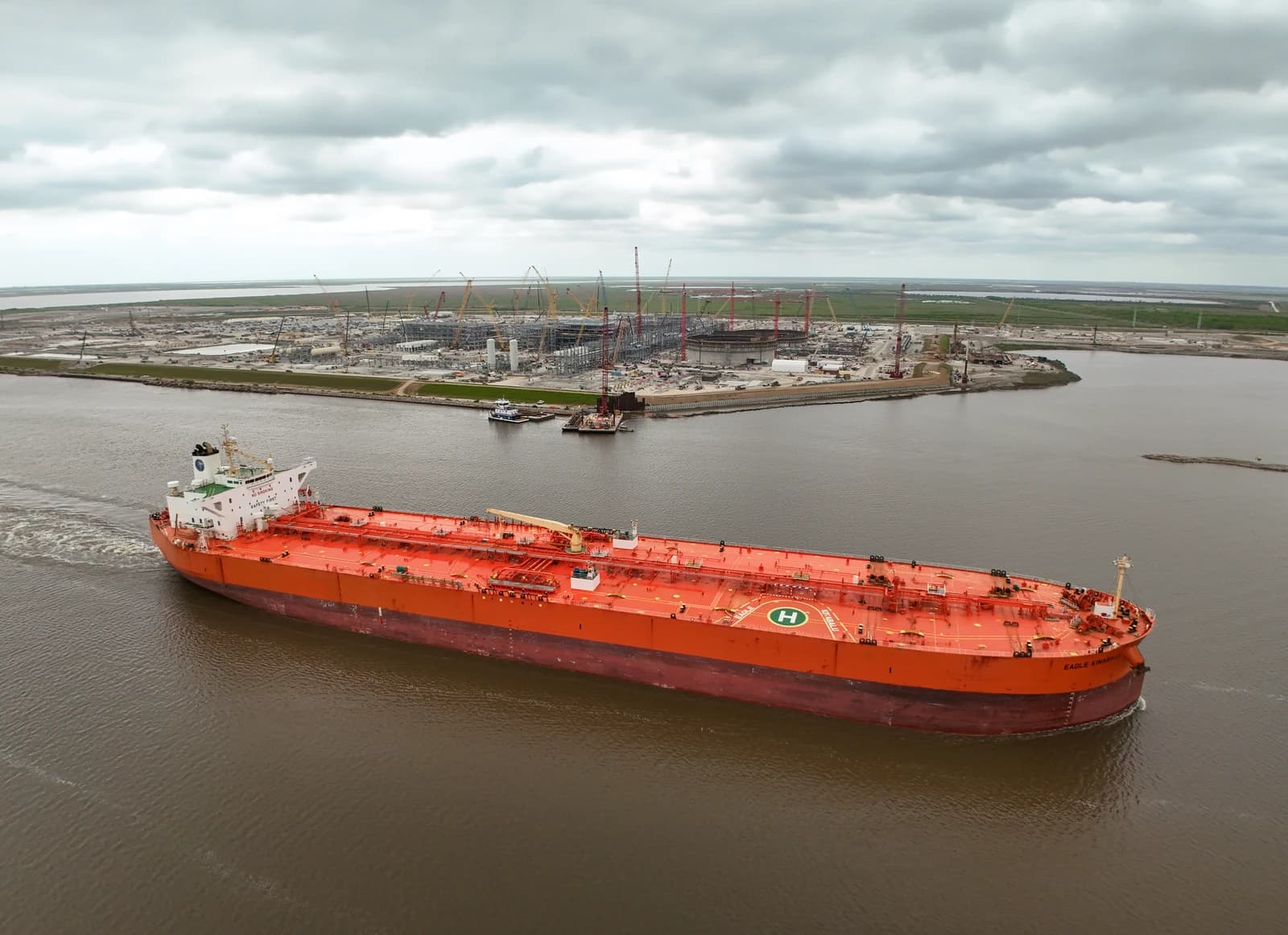
Egypt says it is the only country in the region with the pipeline and LNG infrastructure needed to export natural gas, a claim that underscores Cairo’s effort to lock in its role as the Eastern Mediterranean’s main gas hub and a critical transit route to Europe.
Egypt Says It Has Gas Export Infrastructure

That matters because export capacity, not just reserves, determines who can turn gas discoveries into hard currency. With LNG plants and pipeline links already in place, Egypt can monetize domestic production and potential regional supplies faster than neighbors that still need to build costly infrastructure from scratch.
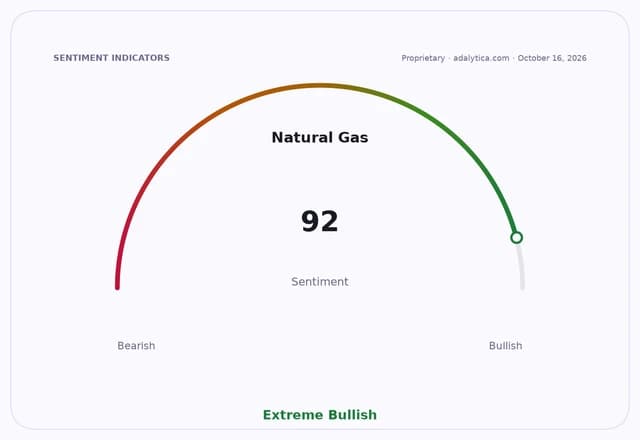
Sentiment IndicatorsⓘProprietary · adalytica.com · October 16, 2026
This is a snapshot — live sentiment, awareness and momentum for 130+ markets update continuously in the dashboard.Open AlphaPulse
Petroleum Minister Tareq el Mulla said Friday that Egypt has the capacity to handle gas produced from Eastern Mediterranean fields, reinforcing the country’s pitch as the main commercial gateway for a region where energy security has become more urgent since disruptions in global supply chains and geopolitics tightened competition for non-Russian gas.
For investors, the message is that Egypt’s energy assets are not just upstream bets but part of a broader export system tied to infrastructure, transit fees and regional agreements. That can support valuations for producers operating in Egypt and neighboring fields, while also keeping attention on companies that depend on Egyptian liquefaction capacity to reach premium LNG markets.
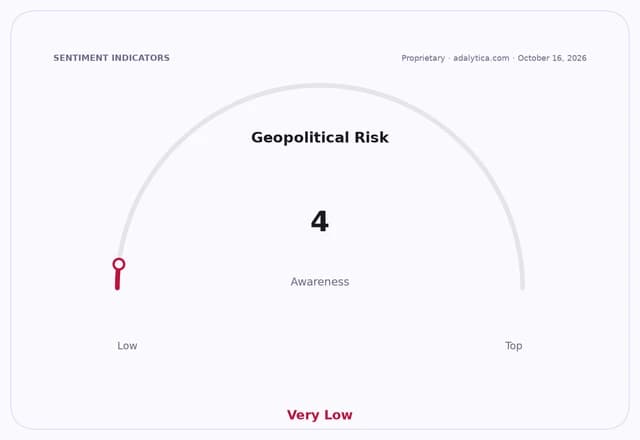
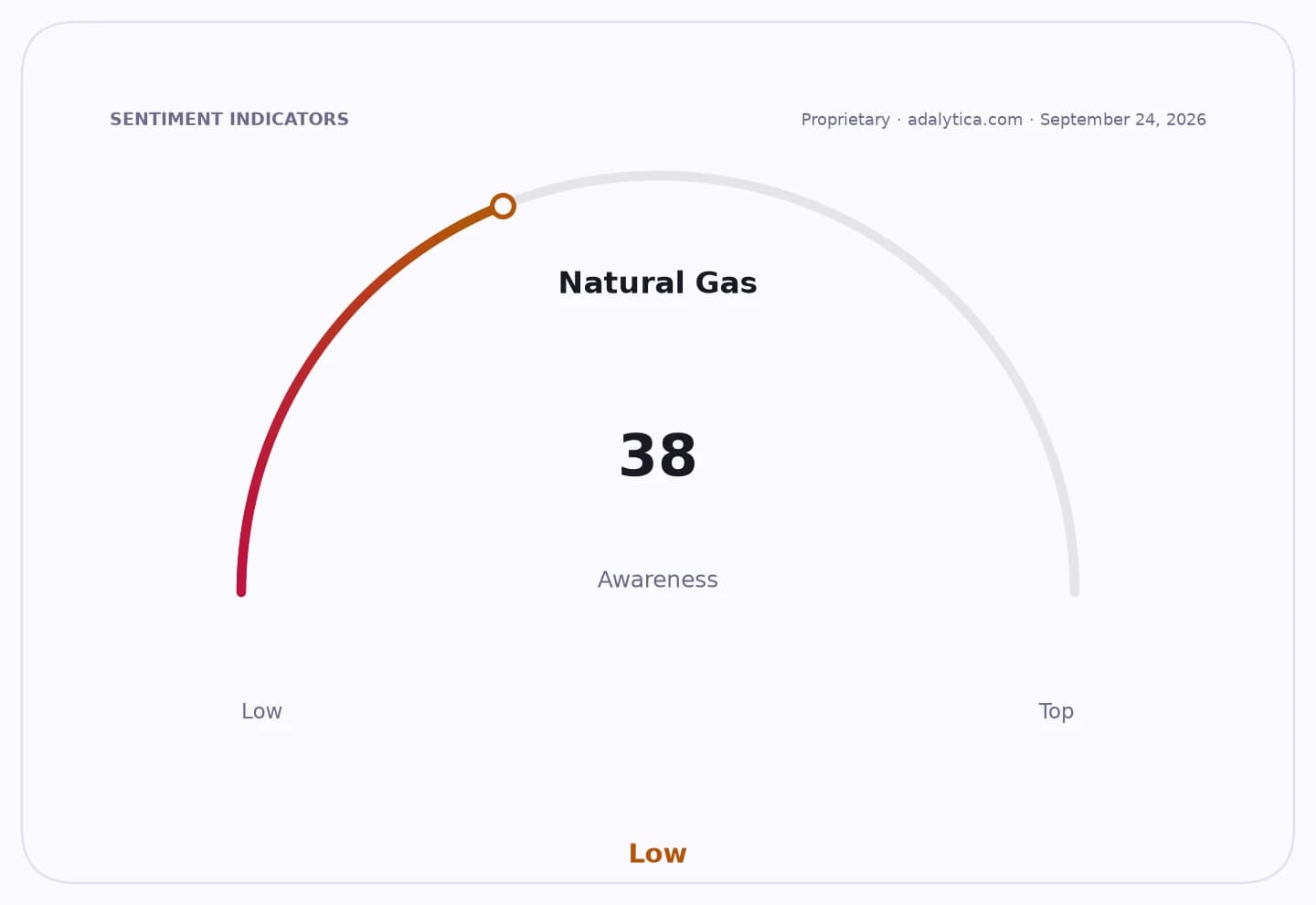
The backdrop is a natural gas market that remains volatile. U.S. natural gas futures were last near $3.08 per million British thermal units, while Adalytica’s Natural Gas Market Trade Signals showed “Extreme Greed” at 92 and 7-day momentum up 15%, suggesting traders are still pricing in tight supply and strong demand expectations.
Energy equities have also reflected the focus on hydrocarbons, with the Energy Select Sector SPDR Fund near $67.25, well above its 50-day moving average of $63.29 and 200-day moving average of $56.99, while its relative strength index sat at 76.9, a level that typically signals an overbought market.
Egypt’s claim comes as it tries to balance domestic fuel stability with export ambitions and broader energy security. The strategic value of its infrastructure is likely to remain central as more Eastern Mediterranean gas projects look for a route to market and as investors watch for further export deals, production updates and regional supply agreements.
| Entity | Gains | Losses |
|---|---|---|
| Egypt | ▲Transit fees, hub status | ▼Pressure to maintain infrastructure |
| Eastern Mediterranean producers | ▲Export route to LNG markets | ▼Reliance on Egypt |
| European gas buyers | ▲New non-Russian supply source | ▼Higher transport costs |
| Competing regional hubs | ▲Limited share of exports | ▼Loss of market relevance |