A French vessel waiting to resume surveys for the Greece-Cyprus Great Sea Interconnector is stuck in limbo as Turkish objections to rival undersea cable work highlight how geopolitical disputes are now the main risk to Eastern Mediterranean infrastructure.
Greece-Cyprus cable survey delayed by Turkey dispute
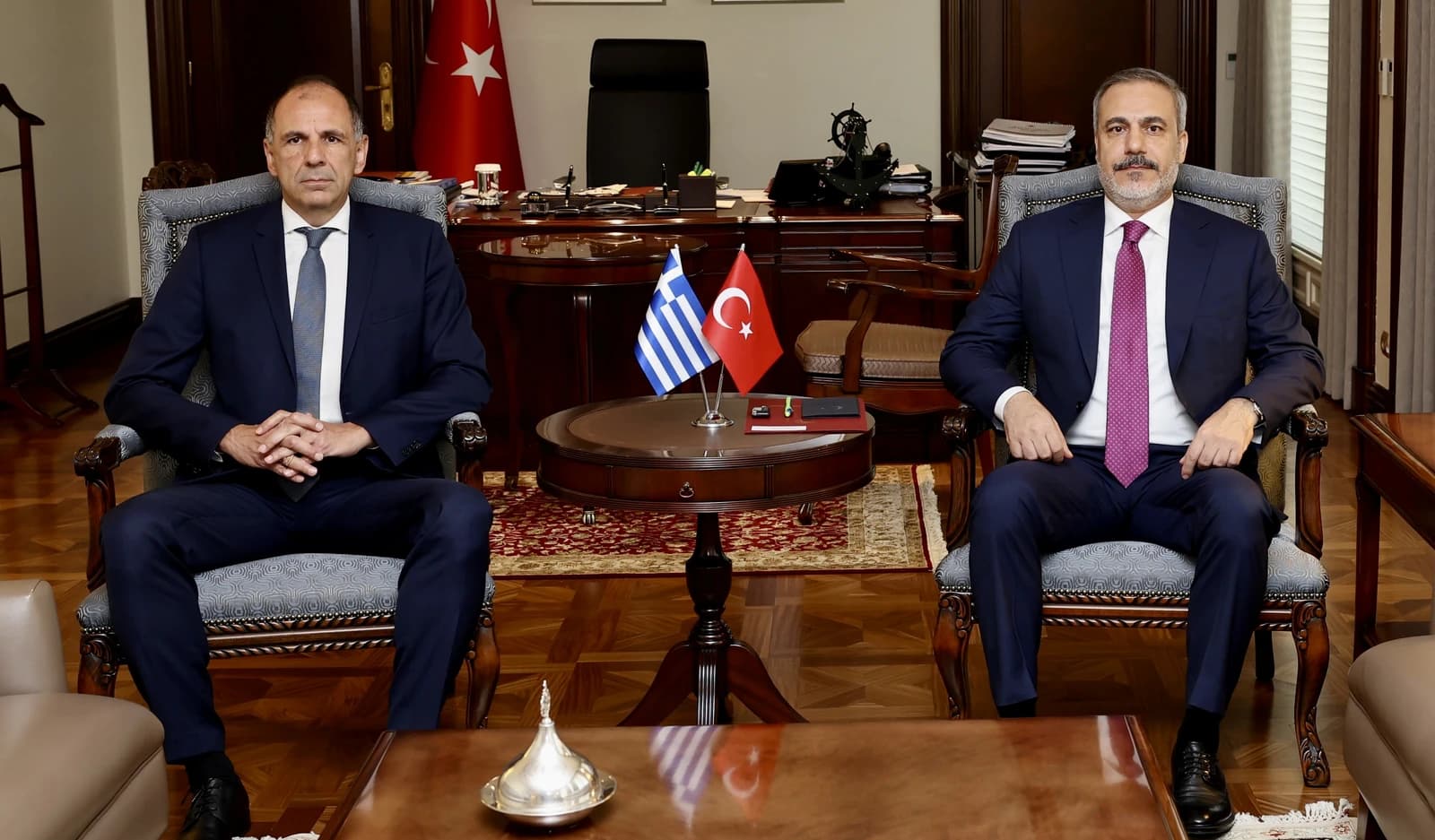
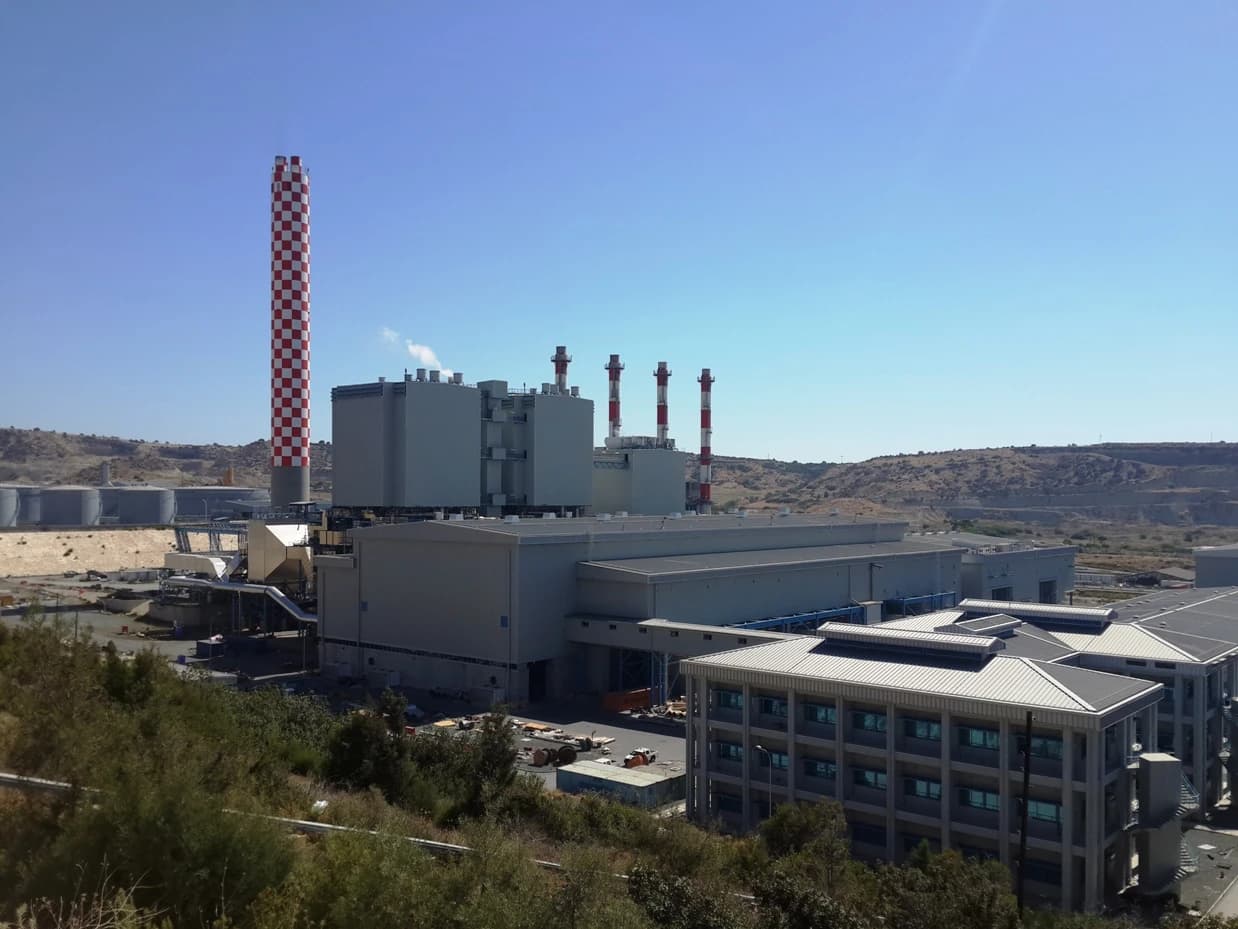
The Abeille Marengo, operating for France’s Nexans, is expected to start seabed surveys from Crete toward Cyprus in late October, though the timetable could slip into early November as Athens and the contractor await authorization from Greek authorities. The project is not facing a technical setback so much as a political one, with navigation warnings, permits and competing maritime claims now determining whether the work can proceed at all.
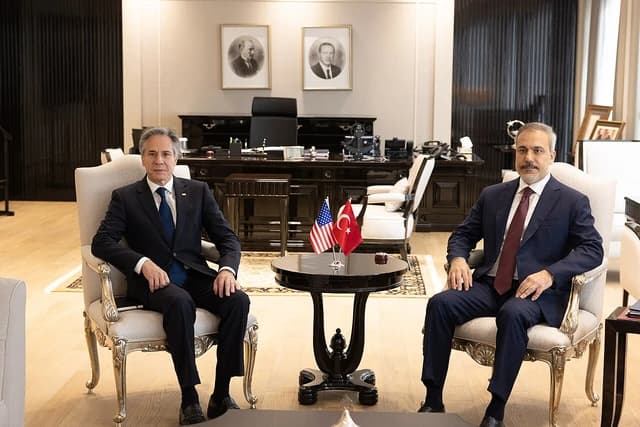
That matters economically because the GSI is one of the region’s most important energy infrastructure projects, intended to strengthen power links between Greece and Cyprus and improve long-term grid resilience. Delays prolong uncertainty around financing, construction sequencing and future electricity integration in a part of Europe where energy security remains a strategic issue.
Turkey’s latest counter-Navtex opposing surveys for the separate East to Med Data Corridor adds to the pressure. Ankara says the project needs Turkish authorization and claims jurisdiction over a wide swath of the eastern Mediterranean, while Cyprus has already authorized surveys in its exclusive economic zone from Oct. 21 to Nov. 2.
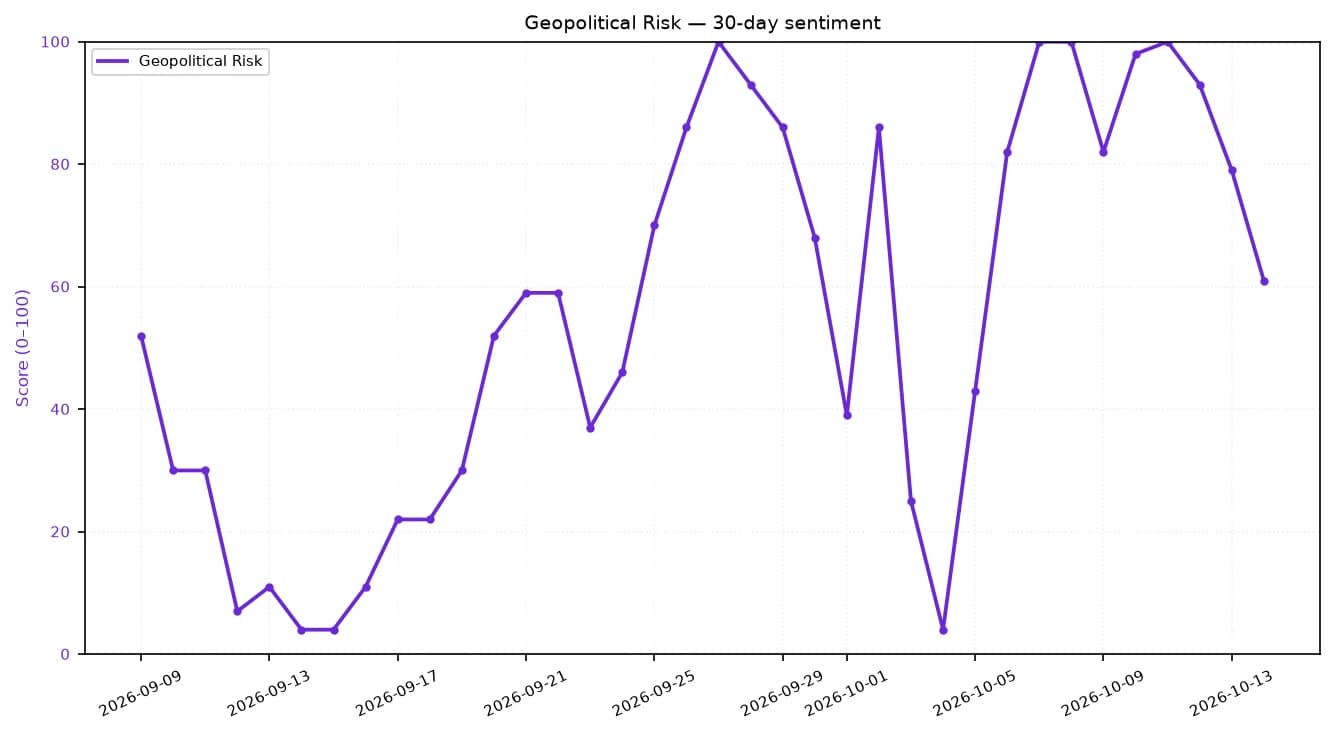
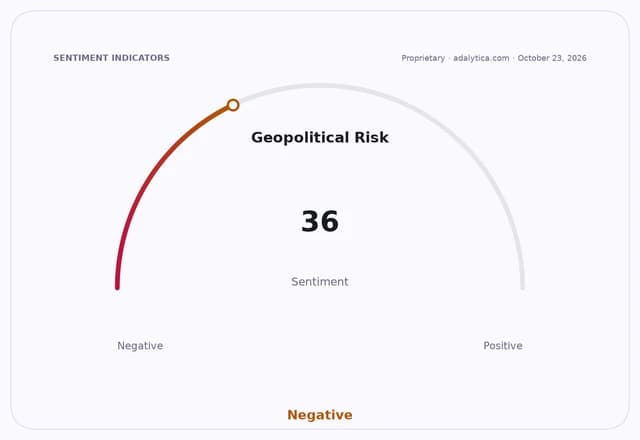
Geopolitical Risk vs PWRadalytica.com
Explore this data interactively — full history, time series and cross-market comparisons.Open AlphaPulse
The dispute also pulls France deeper into the middle of the stand-off after Nexans and Meridiam became central to negotiations following Nexans’ purchase of a majority stake in the cable project. Athens and French officials have publicly said the companies are dealing only with Greek and Cypriot authorities, but the wider argument over maritime rights is the real bottleneck.
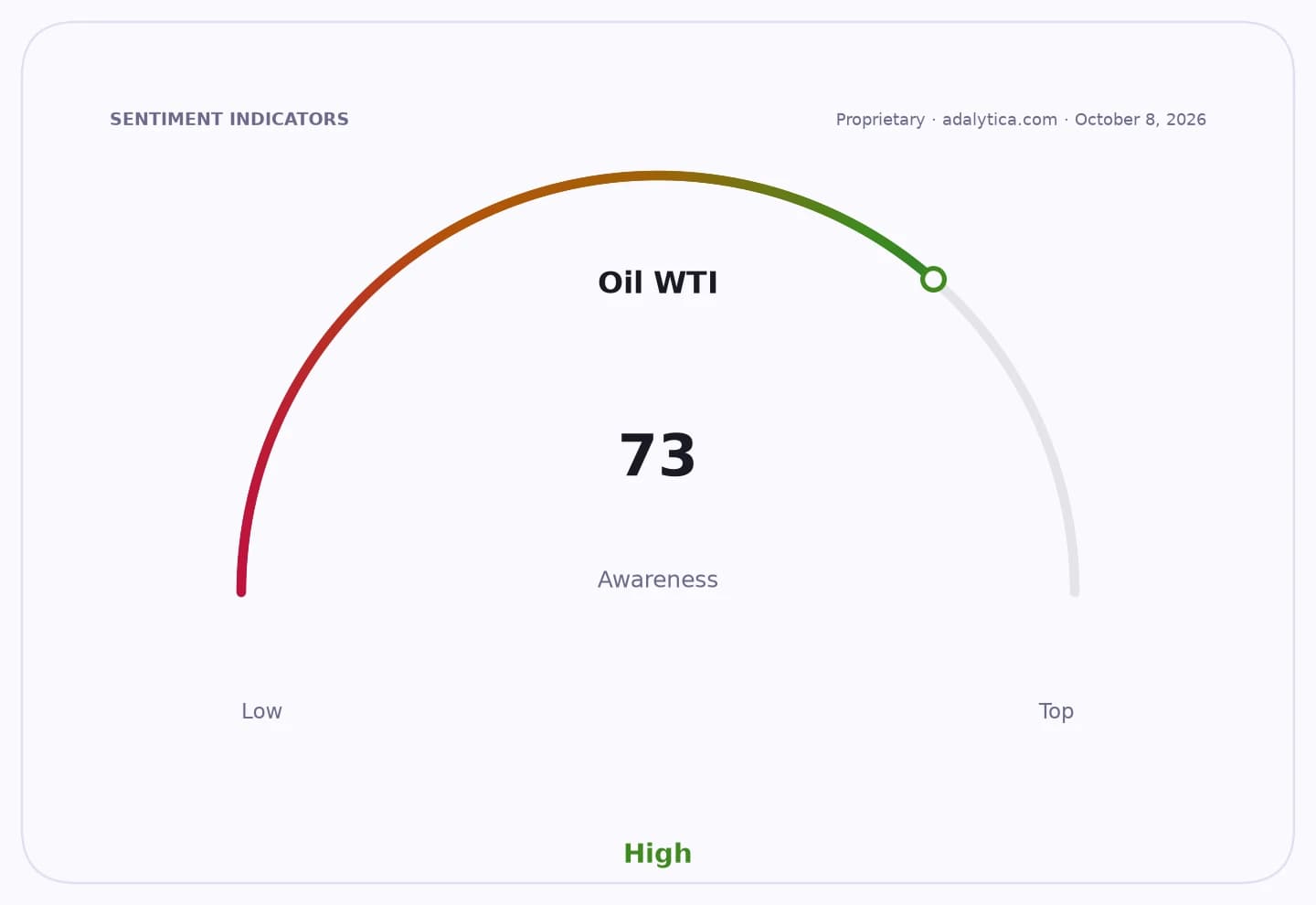
Investors are watching because cable-building, port access and survey windows are vulnerable to political interference in the eastern Mediterranean, raising execution risk for contractors and project backers. The issue also feeds broader regional risk sentiment, which has deteriorated sharply in Adalytica’s Global Stability Sentiment snapshot, underscoring how quickly maritime disputes can spill into infrastructure planning.
Any late-October or early-November move by the Greek Navy’s Hydrographic Service to issue the required Navtex would be the next trigger for the project. Until then, the market is likely to treat the GSI as a test case for whether large-scale cross-border energy infrastructure can advance in the eastern Mediterranean without a diplomatic breakthrough.
| Entity | Gains | Losses |
|---|---|---|
| Greece and Cyprus | ▲Potential energy link | ▼Schedule certainty |
| Nexans and Meridiam | ▲Project progress if cleared | ▼Delay risk and costs |
| Turkey | ▲Leverage over maritime claims | ▼Regional goodwill |
| Cable investors and contractors | ▲Long-term infrastructure demand | ▼Near-term execution visibility |