Libya’s east-based parliament has ratified the 2019 maritime memorandum with Turkey, giving Ankara fresh political cover in the Eastern Mediterranean and putting Greece on alert over disputed sea rights near Crete.
Libya ratifies Turkey maritime deal, Greece objects
The move matters because it strengthens Turkey’s hand in a region where maritime borders, energy exploration and alliance politics are tightly linked. For Athens, the ratification revives a challenge it has spent years trying to contain: a deal it says ignores the effect of Greek islands on exclusive economic zone claims.
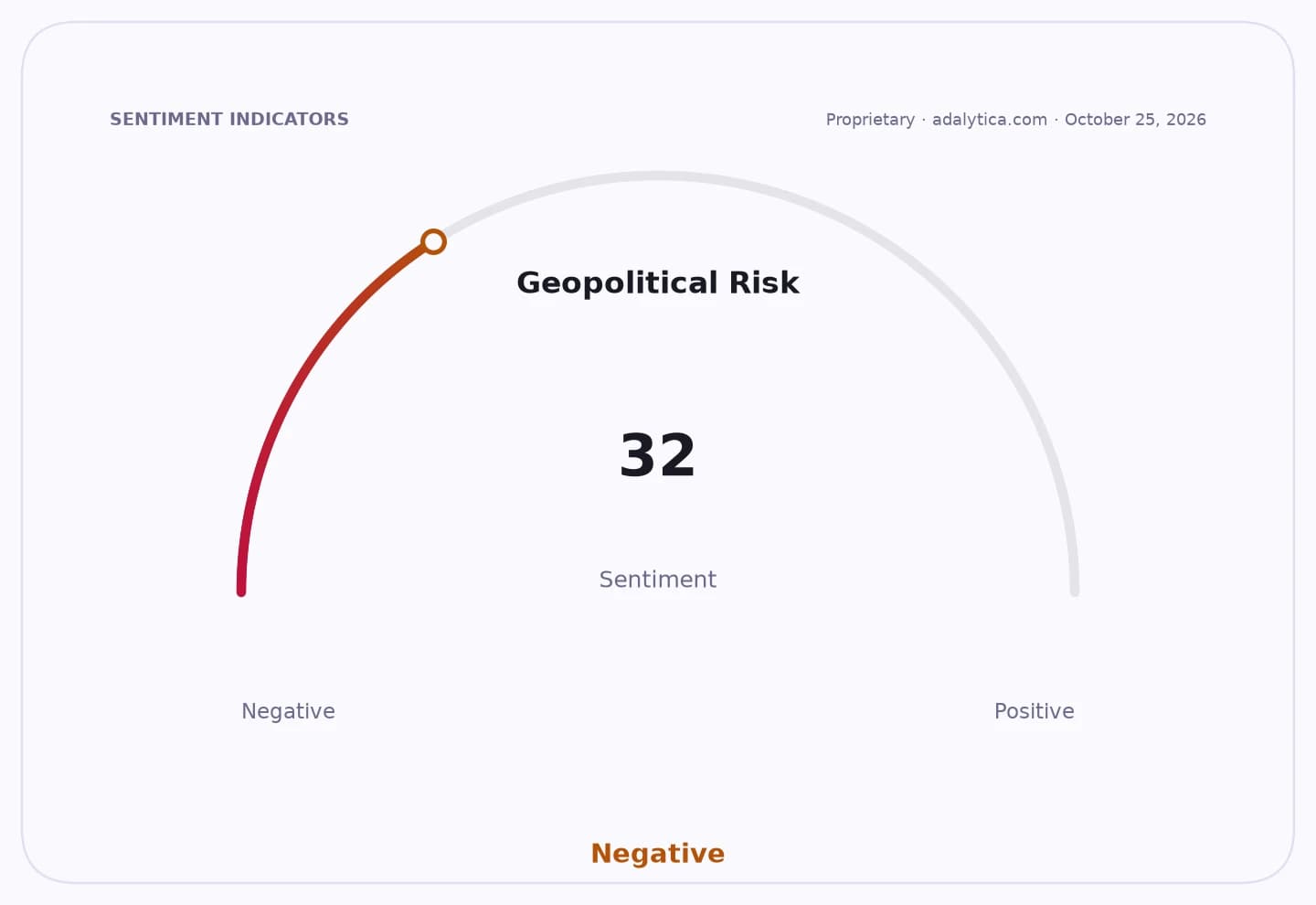
Sentiment IndicatorsⓘProprietary · adalytica.com · October 25, 2026
This is a snapshot — live sentiment, awareness and momentum for 130+ markets update continuously in the dashboard.Open AlphaPulse
According to Reuters, Libya’s House of Representatives approved the agreement on Tuesday and revoked its 2020 boycott of Turkey, a notable reversal by a body that had previously rejected the accord. The parliament’s shift is especially significant because it comes from eastern Libya, where Khalifa Haftar’s camp has long been a counterweight to the Tripoli government that signed the original deal with Ankara in 2019.
Turkey has spent months widening its contacts beyond Tripoli and into eastern Libya, including through Foreign Minister Hakan Fidan’s August visit. That outreach appears to be paying off, at least diplomatically, by turning a former opponent into a more pliable interlocutor.
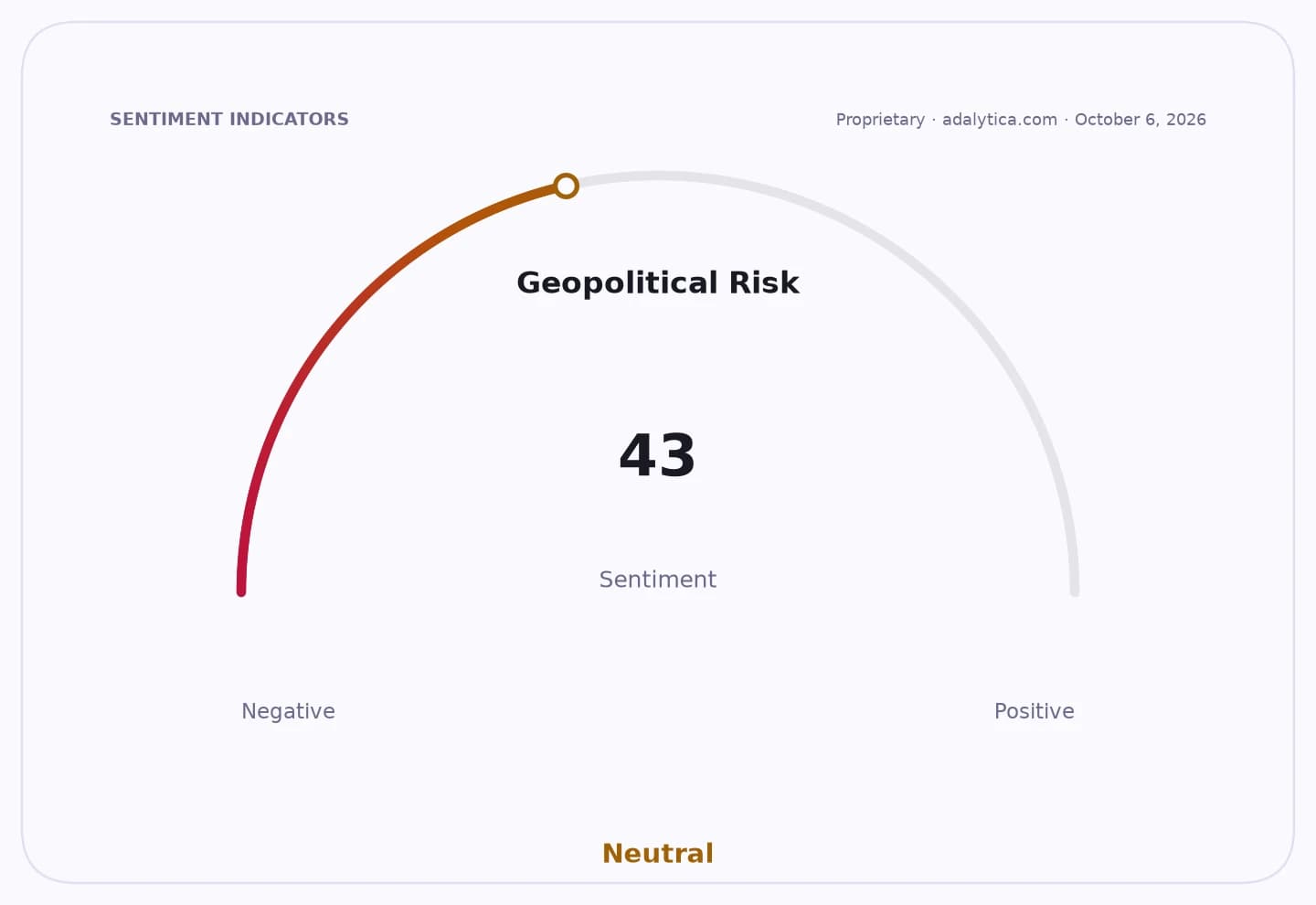
For investors, the immediate market impact is indirect but real. The dispute adds another layer of uncertainty to Eastern Mediterranean energy prospects, including exploration south of Crete, and could complicate any future drilling plans or licensing decisions. It also reinforces geopolitical risk premiums in a region already watched closely by energy traders and defense investors.
The wider backdrop is a Mediterranean balance that has been moving against consensus. Greece and Egypt have coordinated more closely in response to Turkey’s regional push, while the European Union has already said the memorandum cannot create legal effects for third countries and is inconsistent with the Law of the Sea.
That legal objection remains central. Libya’s parliamentary approval may improve the deal’s domestic legitimacy, but it does not settle the underlying sovereignty dispute or eliminate the risk of diplomatic escalation if Turkey tries to use the ratification to justify new maritime activity.
Oil markets, meanwhile, are already sensitive to geopolitical shocks, and the timing is notable: WTI has been volatile in recent sessions, while broader global risk gauges remain fragile. Any move from rhetoric to offshore operations would be far more important for energy and shipping markets than the parliamentary vote itself.
For now, the ratification is a political win for Ankara and a strategic setback for Athens, especially as Crete sits at the center of Greece’s legal case. The next catalyst is whether Turkey turns the approval into concrete maritime or energy action — or uses it mainly as leverage in negotiations with Greece, Egypt and the EU.
| Entity | Gains | Losses |
|---|---|---|
| Turkey | ▲Stronger diplomatic leverage | ▼Less room for compromise |
| Libya’s eastern parliament | ▲Bigger regional influence | ▼More friction with Greece/EU |
| Greece / Crete | ▲Legal case reaffirmed | ▼Maritime claims challenged |
| Energy explorers | ▲Possible new negotiating clarity | ▼Higher geopolitical risk |