Turkey’s energy minister says domestic output from the Black Sea is set to swell enough to supply natural gas to about 17 million households by 2028, a milestone that could trim imports, steady the country’s trade balance and deepen Ankara’s push for energy independence.
Turkey Black Sea Gas Output to Reach 2028 Goal

That matters because Turkey still relies heavily on foreign energy, leaving its economy exposed to volatile global prices, shipping disruptions and geopolitics. More homegrown gas means less pressure on the current account, a stronger buffer against external shocks and more room for policymakers to plan around long-term industrial demand rather than short-term supply scares.
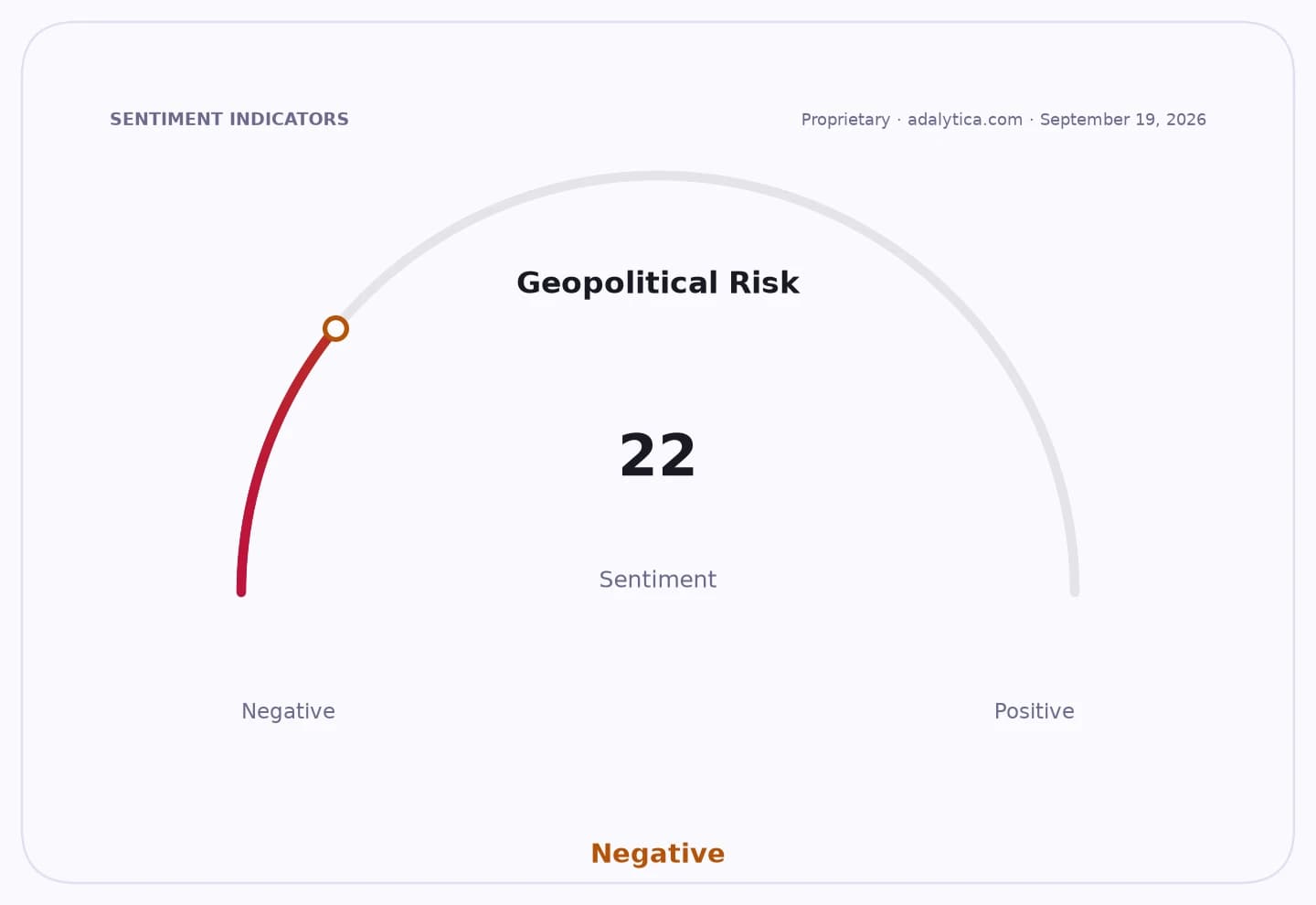
Sentiment IndicatorsⓘProprietary · adalytica.com · October 21, 2026
This is a snapshot — live sentiment, awareness and momentum for 130+ markets update continuously in the dashboard.Open AlphaPulse

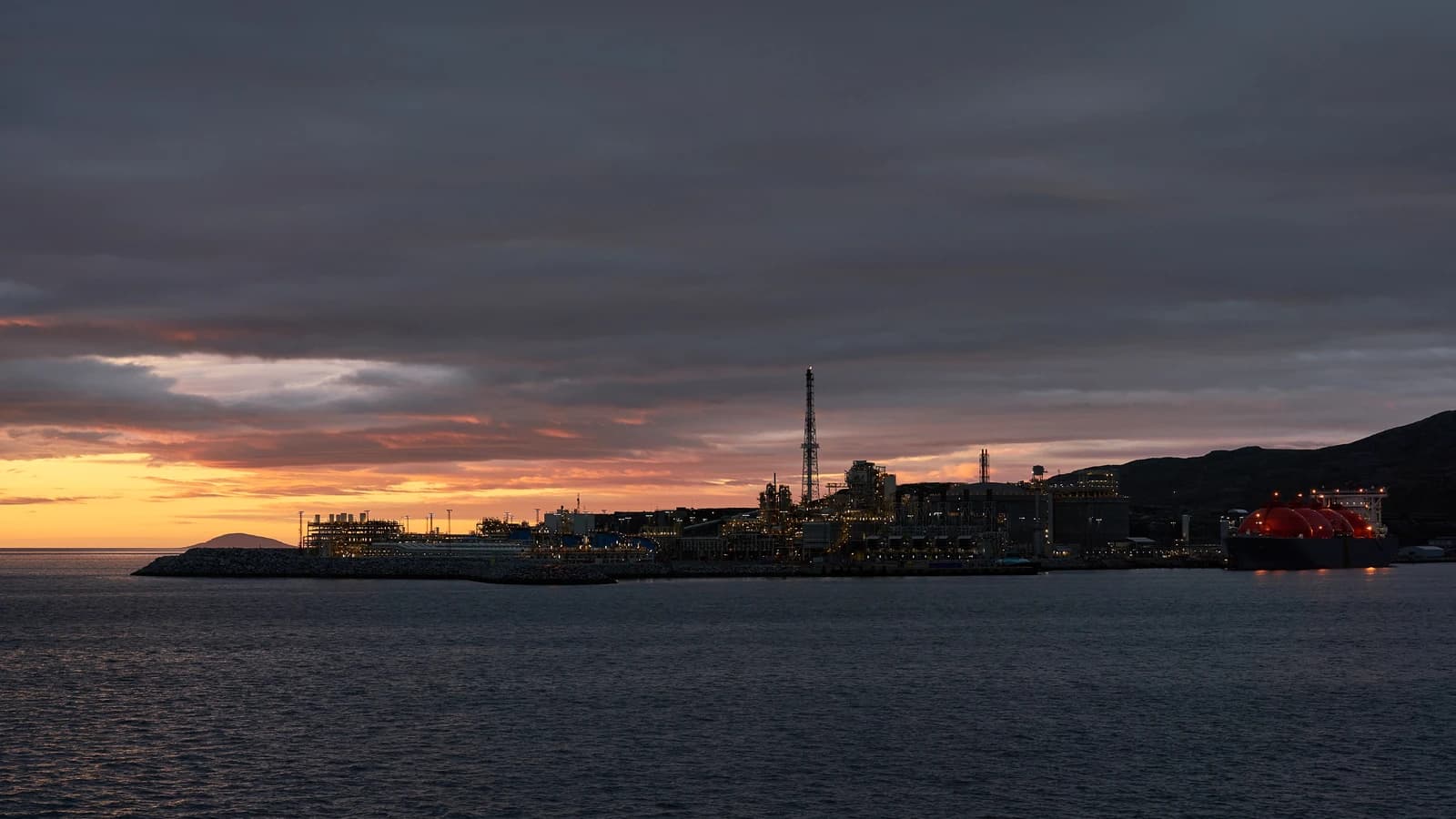
Energy Minister Alparslan Bayraktar said the Sakarya gas field had already produced 7.23 billion cubic meters in its first phase, with daily output at 9.5 million cubic meters across 12 wells. The new Osman Gazi floating production platform, sent from Filyos to the Black Sea coast, will add 10 more wells in a second phase and lift daily capacity to 20 million cubic meters by 2027, or roughly double current output.
Bayraktar said Turkey’s offshore production should then reach 45 million cubic meters a day with a new platform in 2028, enough to cover about three-quarters of gas-consuming homes in the country. He also said the platform, anchored 170 kilometers offshore, will process gas for 20 years and is equipped with 21 modules, including a 96-meter flare tower.
For investors, the big story is not just the engineering feat but the economics of a more self-sufficient Turkey. Lower import dependence can support the lira over time, improve the sovereign’s external resilience and reduce the vulnerability of industrial sectors that live and die by energy costs. It also strengthens the case for continued capital spending in offshore development, pipelines, storage and related services.
The broader market backdrop reinforces why this matters. Global energy security remains fragile, with geopolitical risk still high and the Adalytica Global Stability Sentiment gauge in “Fear” territory. In that environment, countries with domestic supply gains tend to gain strategic flexibility, while importers and energy-intensive economies remain exposed.
For long-term investors, the takeaway is straightforward: Turkey’s Black Sea gas buildout is a multi-year national balance-sheet story, not a one-quarter headline. If the government hits its targets, the country gets a more durable energy base and a better macro cushion, and that is the kind of development worth watching closely over the next several years.
| Entity | Gains | Losses |
|---|---|---|
| Turkey / households | ▲Lower import reliance | ▼Less exposure to price shocks |
| Turkish government | ▲Stronger energy security | ▼Less need for costly imports |
| Domestic industry | ▲More stable fuel supply | ▼Fewer benefits from cheap imports |
| Foreign gas suppliers | ▲Lower sales to Turkey | ▼Lost share in a key market |