Turkey’s pledge to lift natural gas production capacity to 15 billion cubic meters a year is the most significant signal from the Şanlıurfa energy meeting because it speaks directly to the country’s biggest structural vulnerability: dependence on imported fuel.
Turkey plans 15 bcm gas output target

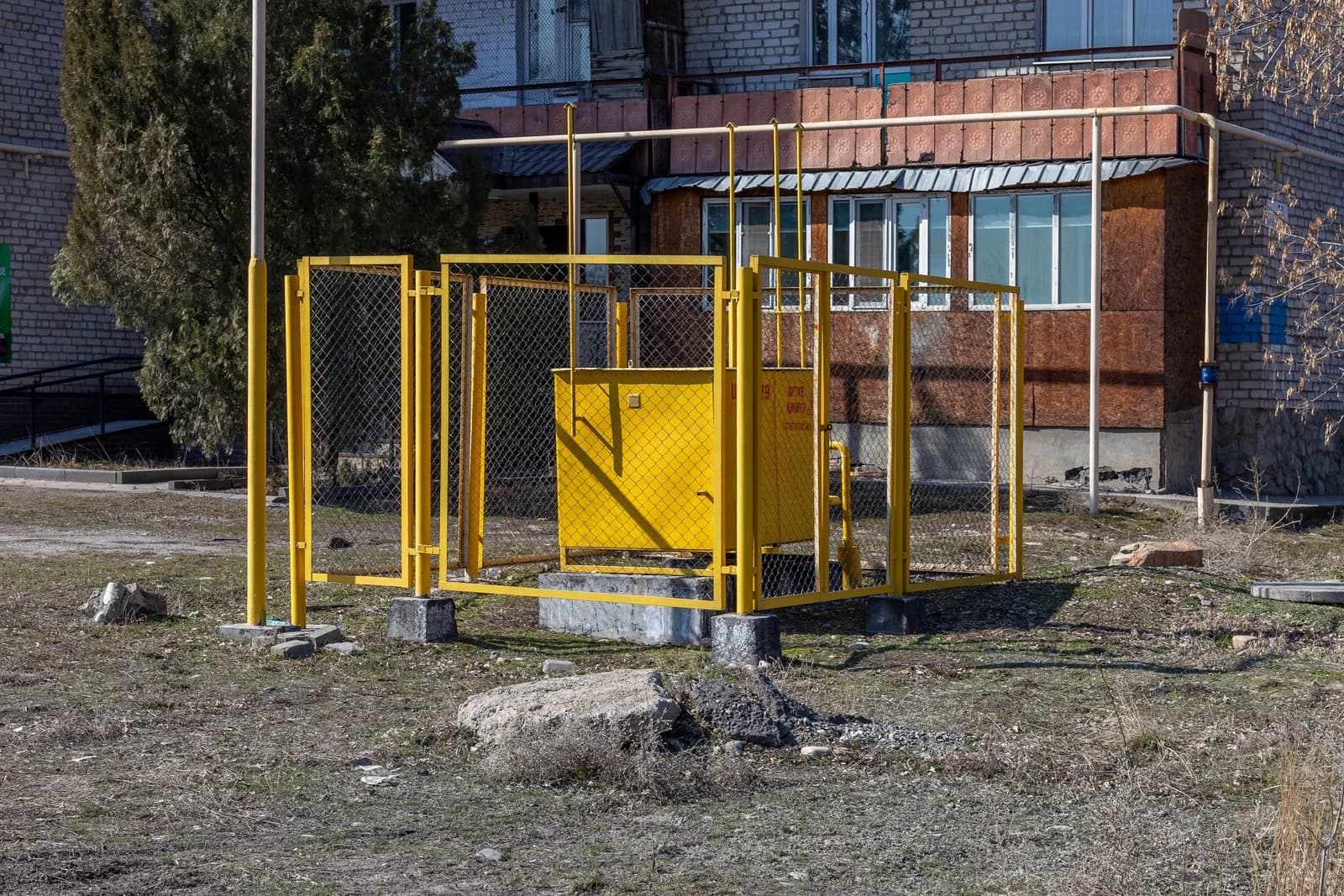
Energy and Natural Resources Deputy Minister Nevzat Şatıroğlu said Turkey consumes 58 billion cubic meters of gas a year, meaning the target would cover roughly a quarter of annual demand if achieved. That would not end import reliance, but it would materially improve the balance of payments, reduce exposure to volatile LNG and pipeline prices and give Ankara more room to manage supply shocks.
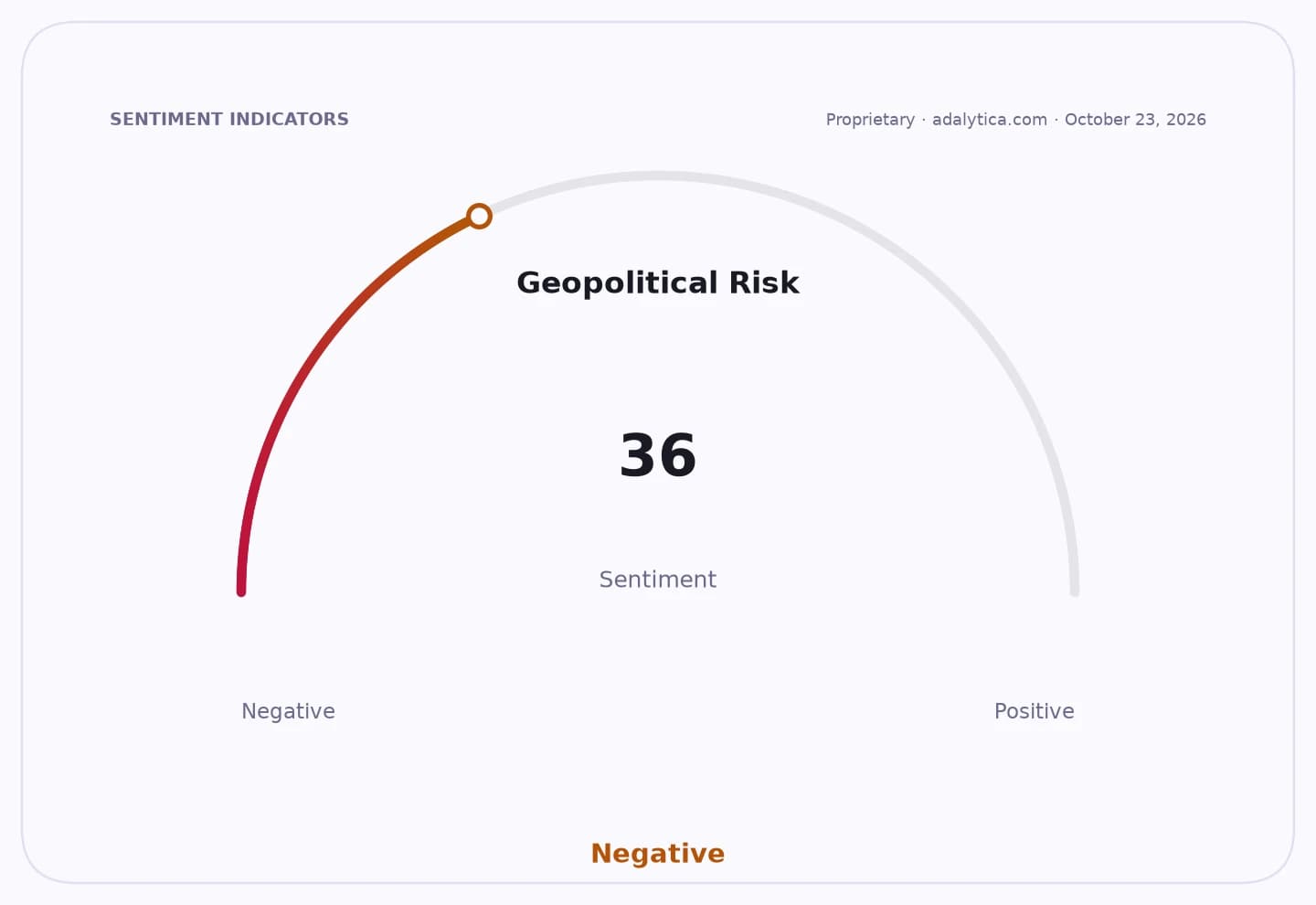
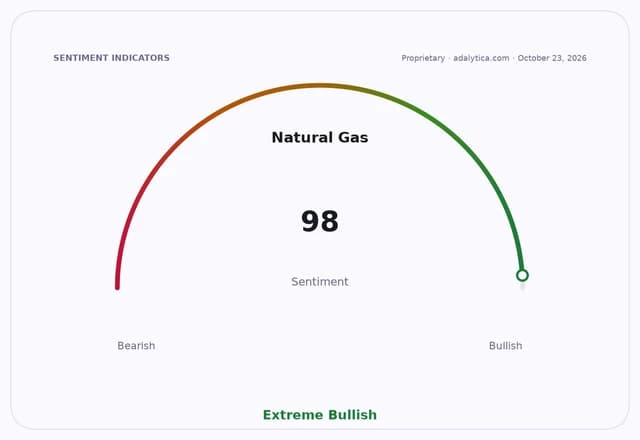
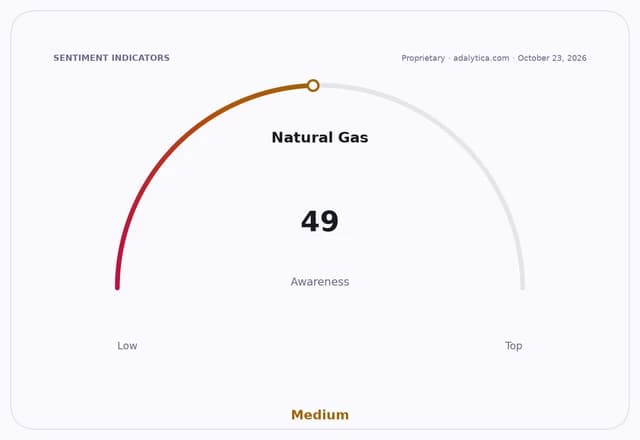
Sentiment IndicatorsⓘProprietary · adalytica.com · October 23, 2026
This is a snapshot — live sentiment, awareness and momentum for 130+ markets update continuously in the dashboard.Open AlphaPulse
The announcement also fits a broader push to shrink external dependence in oil and gas after years of heavy import bills. Şatıroğlu said Turkey burns about 1.1 million barrels of oil a day while producing only 136,000 barrels, forcing it to import roughly 800,000-900,000 barrels daily. Officials have increasingly framed domestic drilling in places such as Gabar and Diyarbakır, along with overseas exploration, as part of an energy-sovereignty strategy rather than a narrow upstream program.
For investors, the message is less about an immediate shift in global gas balances than about the direction of Turkish energy policy and capital allocation. A higher domestic supply target could support midstream infrastructure, drilling services and power-sector planning, while also reinforcing the case for state-backed investment in exploration and transport. It may also temper demand for imported gas over time, which matters for suppliers and for pricing in regional contracts.
The economic logic is straightforward. Energy imports remain a major drag on Turkey’s current account and a source of inflationary pressure when global hydrocarbons rally. Domestic production gains would not eliminate that exposure, but they could cushion the economy against oil and gas spikes, particularly after periods of sharp moves in global benchmarks. Even so, the scale of the challenge remains large: the target is ambitious relative to existing output and will depend on geology, financing, technology and the pace at which new fields can be brought online.
The Şanlıurfa meeting also underscored the political framing of energy as a development issue for cities and agriculture, with local officials pressing the importance of uninterrupted supply and more renewable investment. That keeps the conversation rooted in domestic growth, but the central investor takeaway is the same: Turkey is still trying to turn energy from a vulnerability into a strategic asset.
| Entity | Gains | Losses |
|---|---|---|
| Turkey | ▲Lower import dependence | ▼Persistent energy deficit |
| Domestic gas producers | ▲More investment support | ▼Execution and reserve risk |
| Foreign gas suppliers | ▲Stable near-term demand | ▼Potential long-term market share |
| Turkish consumers | ▲Better supply security | ▼Limited relief if costs stay high |