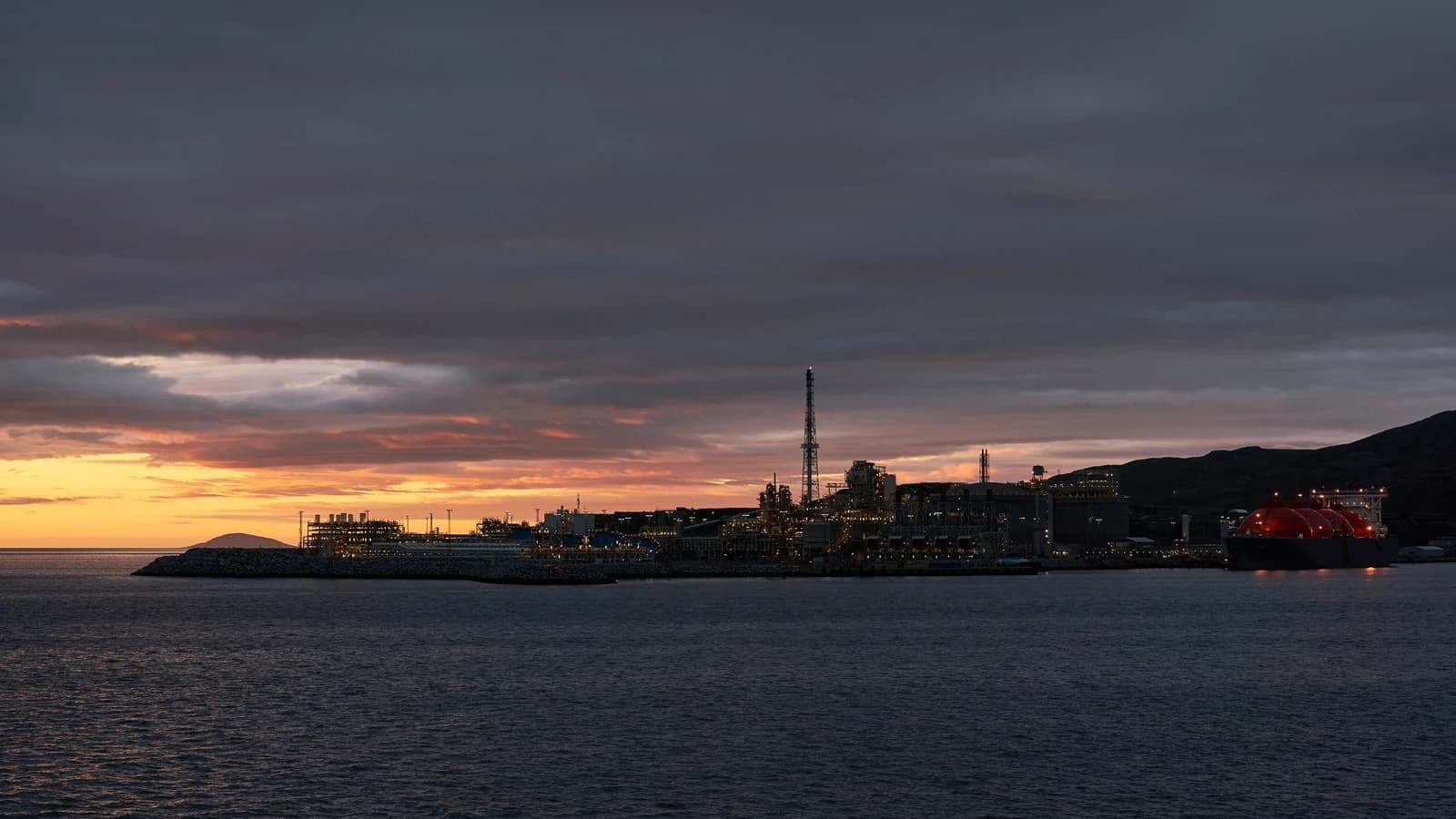
A proposed $5 billion regional gas network linking five Central Asian states could become one of the most significant energy-infrastructure projects in the region, if governments can bridge the gap between concept and financing.
Central Asia gas ring plan could link five states
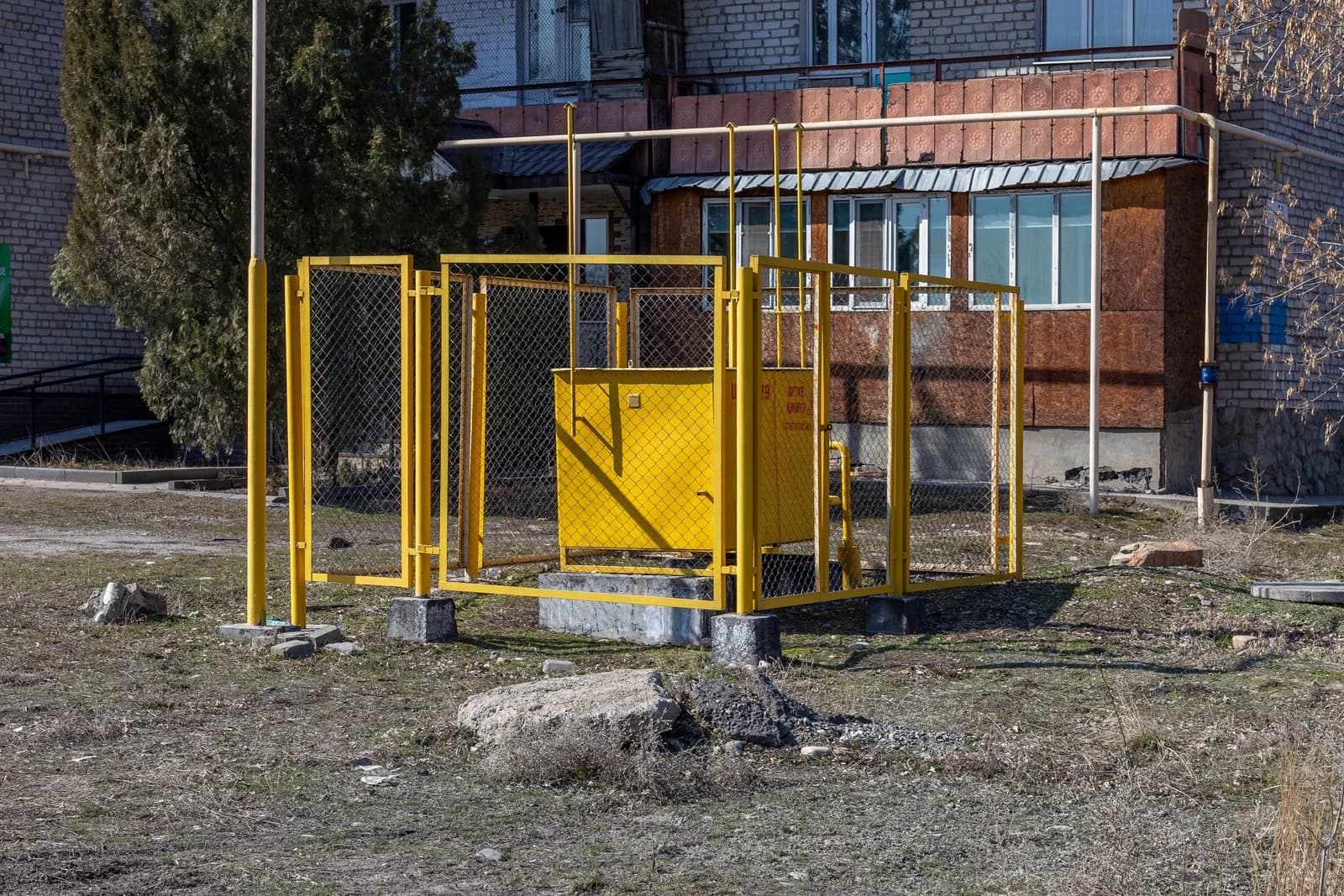
The plan would connect Kazakhstan, Kyrgyzstan, Tajikistan, Turkmenistan and Uzbekistan through more than 3,000 kilometers of new and modernized pipelines, creating a “gas ring” that could move about 20 billion cubic meters a year and allow supplies to be redirected when winter demand spikes. For energy-hungry economies that still face seasonal shortages and uneven pipeline access, the project is less about expanding production than about making existing molecules flow where they are needed most.
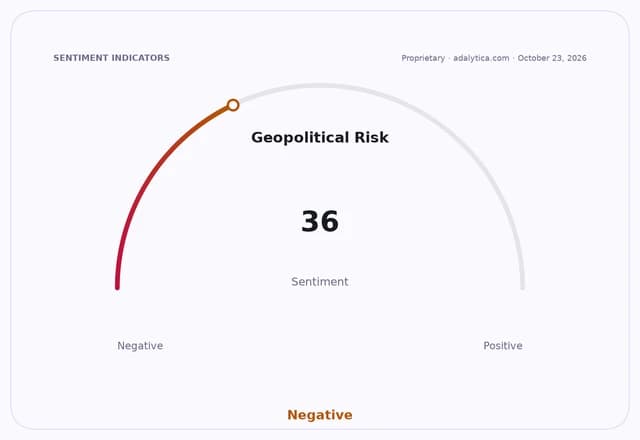
That matters economically because Central Asia’s gas market remains fragmented even though the region is resource-rich. Turkmenistan has abundant reserves but needs more buyers. Uzbekistan is both a producer and a large consumer, yet winter demand rises sharply and domestic output has been slipping. Kyrgyzstan depends on imports, while Tajikistan relies heavily on hydropower but still needs gas purchases. A more integrated network would improve resilience by reducing local bottlenecks and giving governments another tool to manage supply shocks.
The proposal, discussed at the second Central Asia Oil and Gas Forum in Tashkent, is still at an early stage. Financing, transit rules, operating arrangements and agreements among all five governments have not been finalized, and the cost and capacity figures remain estimates from proponents. That leaves execution risk high. But the project is already drawing attention because it speaks to a broader policy shift in the region: governments are trying to strengthen energy security not just by drilling more wells, but by linking infrastructure that has historically been built around national rather than regional needs.
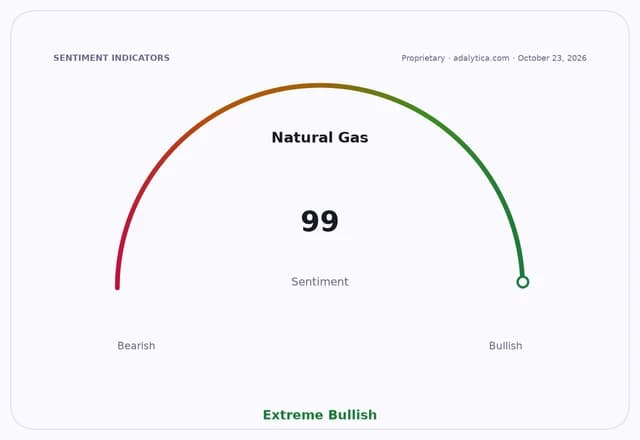
For investors, the project’s significance lies in what it could unlock. Pipeline construction and modernization would create opportunities for contractors, equipment suppliers, digitalization firms and potentially external financiers from China and the Middle East. Existing operators such as Uzbekneftegaz could also gain from a more flexible regional market, while Turkmenistan could eventually expand sales to nearby consumers rather than relying mainly on distant export routes. If reverse-flow capability is built into the system, winter shortages in one country could be offset by spare supply in another, improving utilization and potentially supporting pricing power for producers.
The long-term investment case is strongest if the gas ring becomes part of a wider Central Asian energy corridor that also ties into Azerbaijan and, indirectly, European markets. That would fit with efforts to deepen cooperation around the Southern Gas Corridor and raise export optionality for regional producers. But the bear case is straightforward: without binding intergovernmental agreements, bankable tariffs and clear route economics, the plan risks staying a strategic concept rather than a funded build-out. Investors should watch for any signed memorandums, disclosed capital structure, and early commitments from state champions or outside lenders, because those will determine whether the project moves from forum discussion to steel in the ground.
| Entity | Gains | Losses |
|---|---|---|
| Uzbekistan and neighbors | ▲Winter supply flexibility | ▼Fragmented national systems |
| Turkmenistan | ▲More regional buyers | ▼Reliance on distant export routes |
| Contractors and financiers | ▲Pipeline and upgrade spending | ▼Delay and policy uncertainty |
| Import-dependent states | ▲Better energy security | ▼Seasonal shortages and bottlenecks |