Azerbaijan used the CICA summit in Baku to push a broader Eurasian agenda built around transit links, energy cooperation and regional security, giving investors a clearer picture of how the South Caucasus is trying to turn diplomacy into economic leverage.
Azerbaijan Pushes Middle Corridor at CICA Summit
The most important development was not the summit choreography itself, but the way Baku positioned itself as a connector between Central Asia, the Caucasus and Europe at a time when governments are looking to reduce exposure to traditional chokepoints and volatile supply lines. That matters economically because trade routes, energy corridors and digital infrastructure are becoming strategic assets, and countries that can sit astride them gain bargaining power well beyond their size.
Sentiment IndicatorsⓘProprietary · adalytica.com · October 16, 2026
This is a snapshot — live sentiment, awareness and momentum for 130+ markets update continuously in the dashboard.Open AlphaPulse
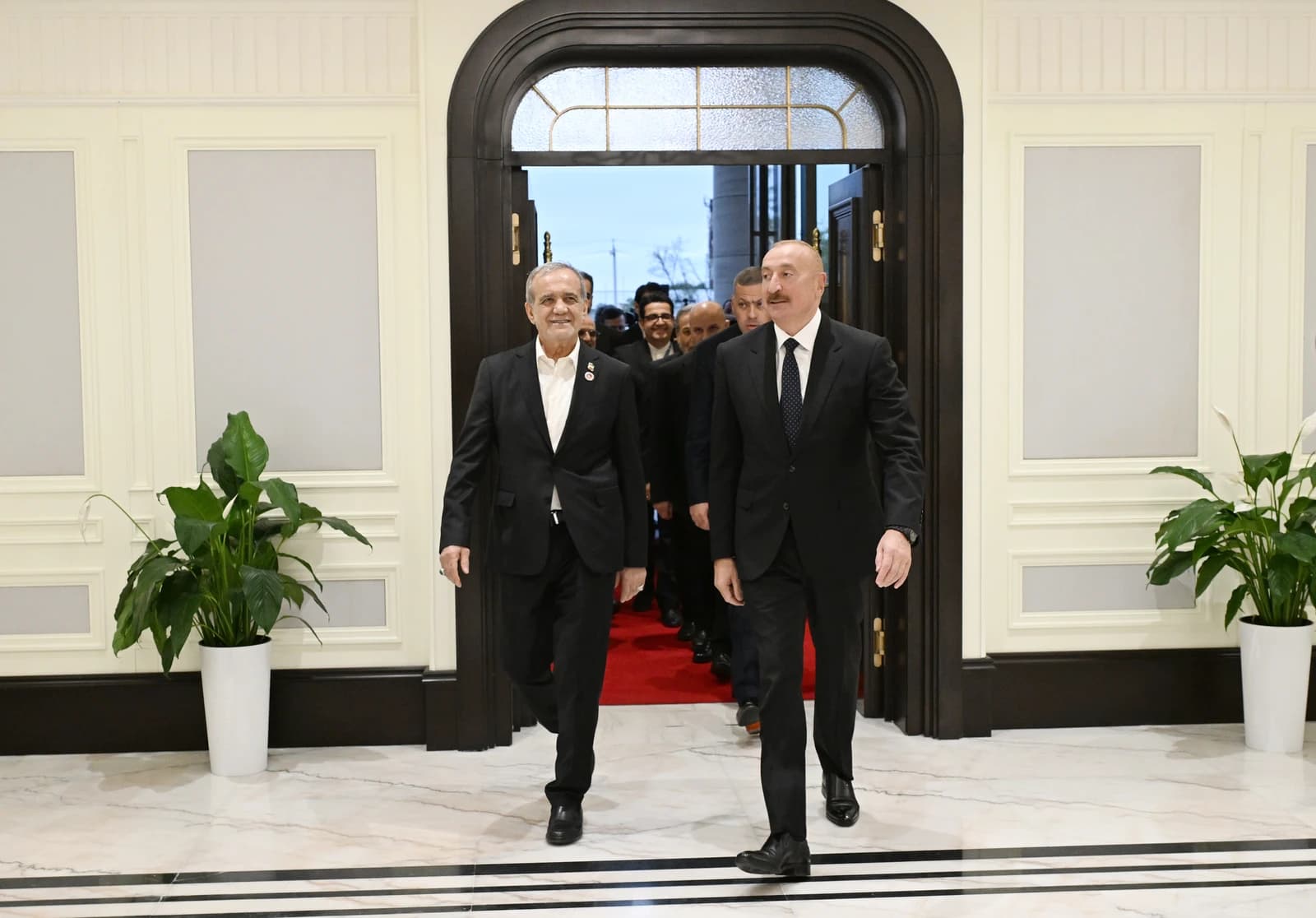
The summit agenda centered on transport, security and institutional development, with Azerbaijan and Uzbekistan emerging as the clearest political beneficiaries. President Shavkat Mirziyoyev’s presence in Baku underlined how Central Asian states are deepening ties with the South Caucasus to widen access to international markets. For Uzbekistan, the appeal is practical: more routes to the Black Sea and Europe, less dependence on any single corridor, and a stronger hand in diversifying exports.
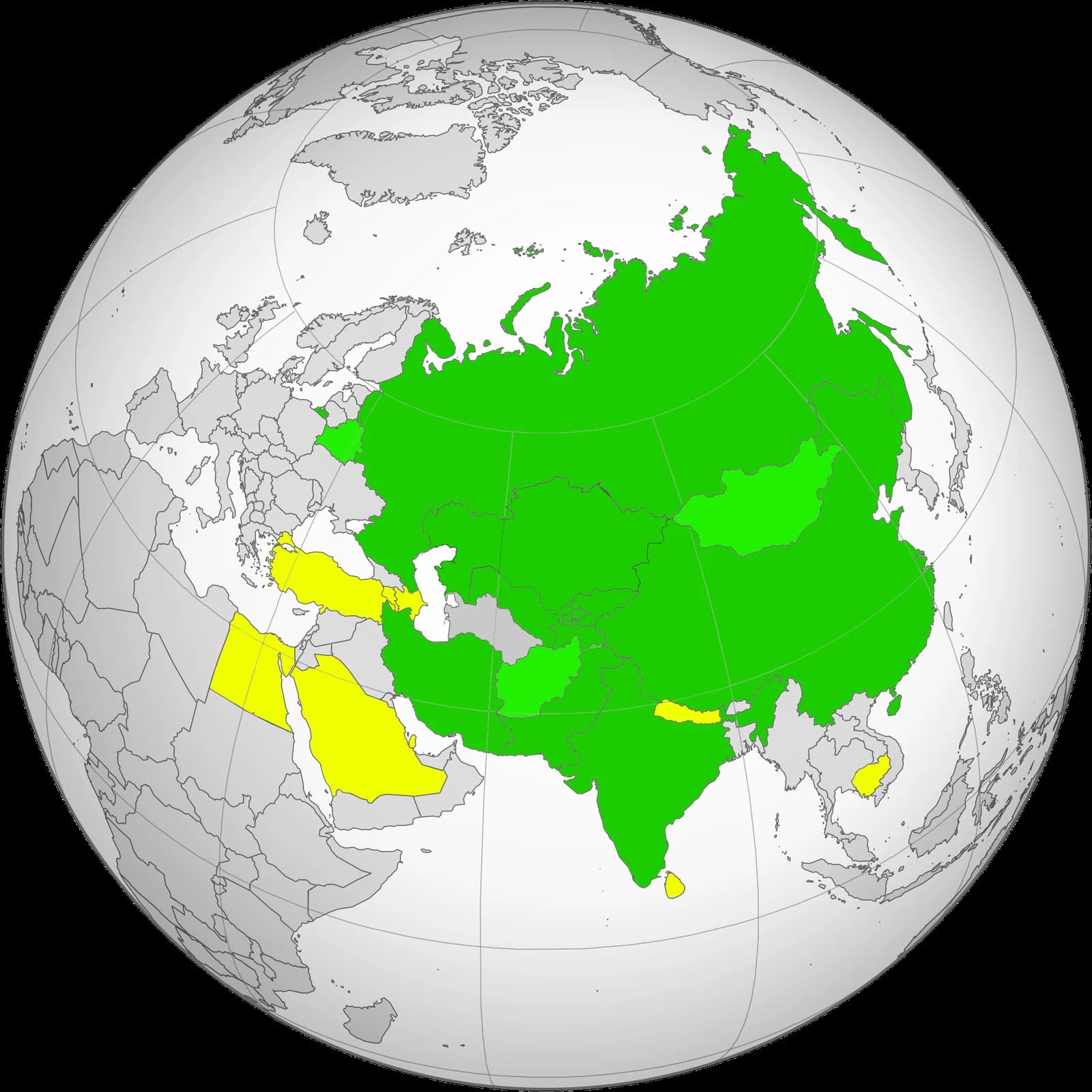
For Azerbaijan, the payoff is even larger. By hosting a forum that covers 28 member states accounting for about 90% of Asia’s landmass and population, Baku is reinforcing its claim to be more than an energy exporter. It is trying to become an institutional hub for the Middle Corridor, the trade route linking China and Central Asia to Europe through the Caspian, Azerbaijan, Georgia and Turkey. That corridor is still constrained by customs delays, logistics bottlenecks and uneven infrastructure, but the political momentum around it is real.
Investors have reasons to care. Better regional coordination could support volumes through the Baku International Sea Trade Port and the Baku-Tbilisi-Kars railway, while customs digitalization and easier border procedures would improve turnaround times for freight operators and shippers. That is positive for logistics, rail and port assets tied to the corridor, and potentially supportive for broader trade-linked revenues across the Caucasus and Central Asia.
Energy is the second major theme. The summit discussion on transporting green power from Central Asia across the Caspian to Azerbaijan and then onward to Europe fits a wider European push to diversify energy imports and accelerate decarbonization. If developed, that kind of cross-border electricity chain would strengthen Azerbaijan’s role in regional energy security while giving Central Asian producers a route into higher-value markets. The near-term challenge is financing and coordination, but the strategic logic is straightforward: infrastructure that connects surplus renewable generation to demand centers becomes a geopolitical asset.
Security cooperation remains the other pillar. The summit’s focus on terrorism, extremism, transnational crime and cyber resilience reflects a regional recognition that trade corridors cannot be separated from political stability. In practice, that means stronger information sharing, better border management and more cooperation on protecting critical infrastructure. For investors, the significance is that smoother connectivity depends on lower security risk, and lower risk tends to reduce the discount applied to long-duration infrastructure and transport projects.
The political message also extends to sovereignty and territorial integrity, an issue with obvious relevance for Azerbaijan after it restored control over its territory. Uzbekistan’s support, including reconstruction help in Fuzuli, shows how diplomatic alignment is being converted into visible human and institutional ties. That deepens the alliance narrative between Baku and Tashkent and helps Azerbaijan present its foreign policy as both pragmatic and legitimizing.
The market implication is less about immediate price action than about the direction of capital flows and policy support. The Baku summit strengthens the case for the Middle Corridor as a real alternative in Eurasian trade, and that could gradually attract investment into ports, rail links, customs tech, energy interconnectors and cybersecurity. The bull case is that political coordination finally starts to close the gap with strategic rhetoric. The bear case is that the region remains vulnerable to execution risk, financing constraints and rival corridors that already have deeper infrastructure.
For now, the summit’s main value is that it reframes Azerbaijan from a transit state with ambitions into a convening power with a growing diplomatic network. If the agreements adopted in Baku are implemented, the result could be a more integrated corridor economy stretching from Central Asia to Europe. If they are not, the summit will still have served one purpose: showing that the competition for Eurasia’s routes is becoming as important as the competition for its resources.
| Entity | Gains | Losses |
|---|---|---|
| Azerbaijan | ▲Transit leverage | ▼Passive-corridor status |
| Uzbekistan | ▲Market access | ▼Route dependence |
| Middle Corridor | ▲Political momentum | ▼Legacy chokepoints |
| Freight and logistics operators | ▲Higher volumes | ▼Border friction |