China’s pledge to ensure high-quality delivery of the China-Kyrgyzstan-Uzbekistan railway signals that Beijing is moving to turn a long-discussed corridor into a concrete trade and geopolitical asset, with implications for freight flows, regional influence and investor exposure to Asian infrastructure.
China backs Kyrgyzstan-Uzbekistan railway project
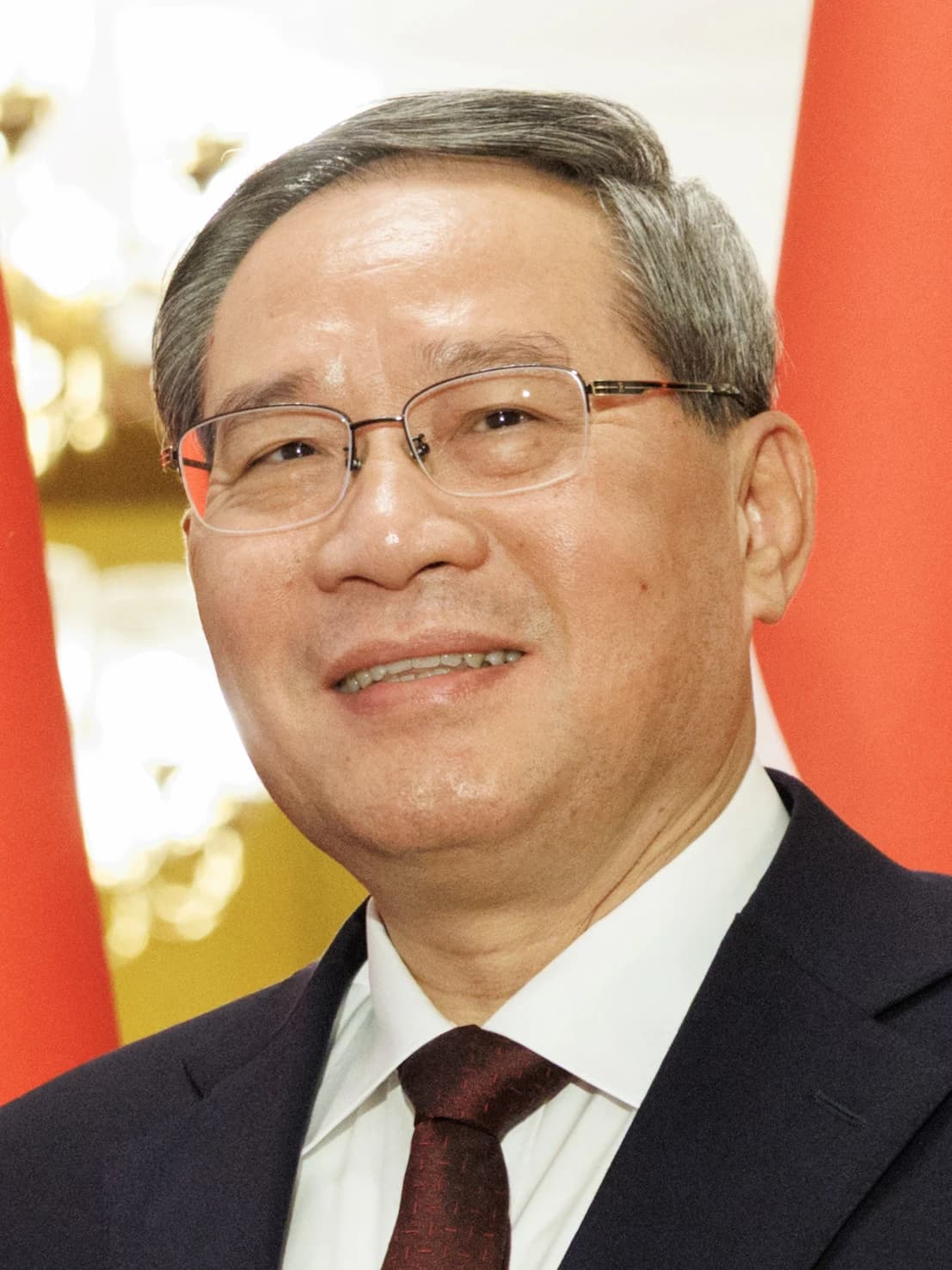
Premier Li Qiang’s comments in Tashkent underline that the railway is no longer just a diplomatic talking point. By pairing support for the project with calls for deeper investment, trade and cooperation in energy, minerals and connectivity, Beijing is indicating it wants the corridor to become part of a broader economic architecture linking China to Central Asia and, ultimately, to markets beyond.
Sentiment IndicatorsⓘProprietary · adalytica.com · October 21, 2026
This is a snapshot — live sentiment, awareness and momentum for 130+ markets update continuously in the dashboard.Open AlphaPulse
That matters economically because rail links are one of the fastest ways to reduce transport frictions across landlocked economies. A functioning China-Kyrgyzstan-Uzbekistan line would shorten transit times, diversify routes away from congested or geopolitically sensitive passages and support higher volumes of goods moving between western China and Central Asia. For Uzbekistan, which is seeking to upgrade its logistics role and attract more foreign capital, the project could improve access to Chinese industrial supply chains and help anchor manufacturing, mining and energy investment.
For Beijing, the strategic value is even broader. The railway strengthens China’s position in a region where Russia has traditionally held sway and where trade corridors are increasingly shaped by sanctions risk, border bottlenecks and competition for infrastructure financing. Li’s emphasis on “high-quality implementation” suggests Beijing wants execution discipline, not just political symbolism, after years of discussion around the project. That makes the corridor a test case for China’s ability to convert Belt and Road-style commitments into operational transport assets.
Investors will read the development through several lenses. Chinese construction and engineering firms stand to benefit if project execution accelerates, as do companies tied to rail equipment, tunnelling, power systems and logistics. Resource exporters in Central Asia may also gain from improved market access and lower shipping costs. On the other side, alternative transit corridors could face more competition for cargo volumes if the route proves reliable. For rail operators outside the region, the longer-term implication is a more fragmented Eurasian freight map, where connectivity investments increasingly determine who captures trade flows.
The market reaction is likely to remain indirect rather than immediate, but the policy signal is still relevant. The backdrop of heightened global instability and China’s effort to deepen ties with Uzbekistan suggest this is part of a wider push to lock in supply chains and political partnerships across Central Asia. The project’s economic payoff will depend on financing, construction progress and border coordination, but Beijing’s latest backing makes clear it wants the railway built as a strategic corridor, not a symbolic one.
| Entity | Gains | Losses |
|---|---|---|
| China / Chinese contractors | ▲Infrastructure exports | ▼Project execution risk |
| Uzbekistan | ▲Better connectivity | ▼Greater dependence on China |
| Kyrgyzstan | ▲Transit revenue potential | ▼Financing and construction burden |
| Rival Eurasian routes | ▲Less immediate disruption | ▼Potential cargo competition |