China and Russia are signaling that their partnership is moving beyond symbolism and into a more durable geopolitical bloc, a shift that matters because it could reshape trade, energy and security calculations across Eurasia for years.
China-Russia Ties Deepen Across Eurasia
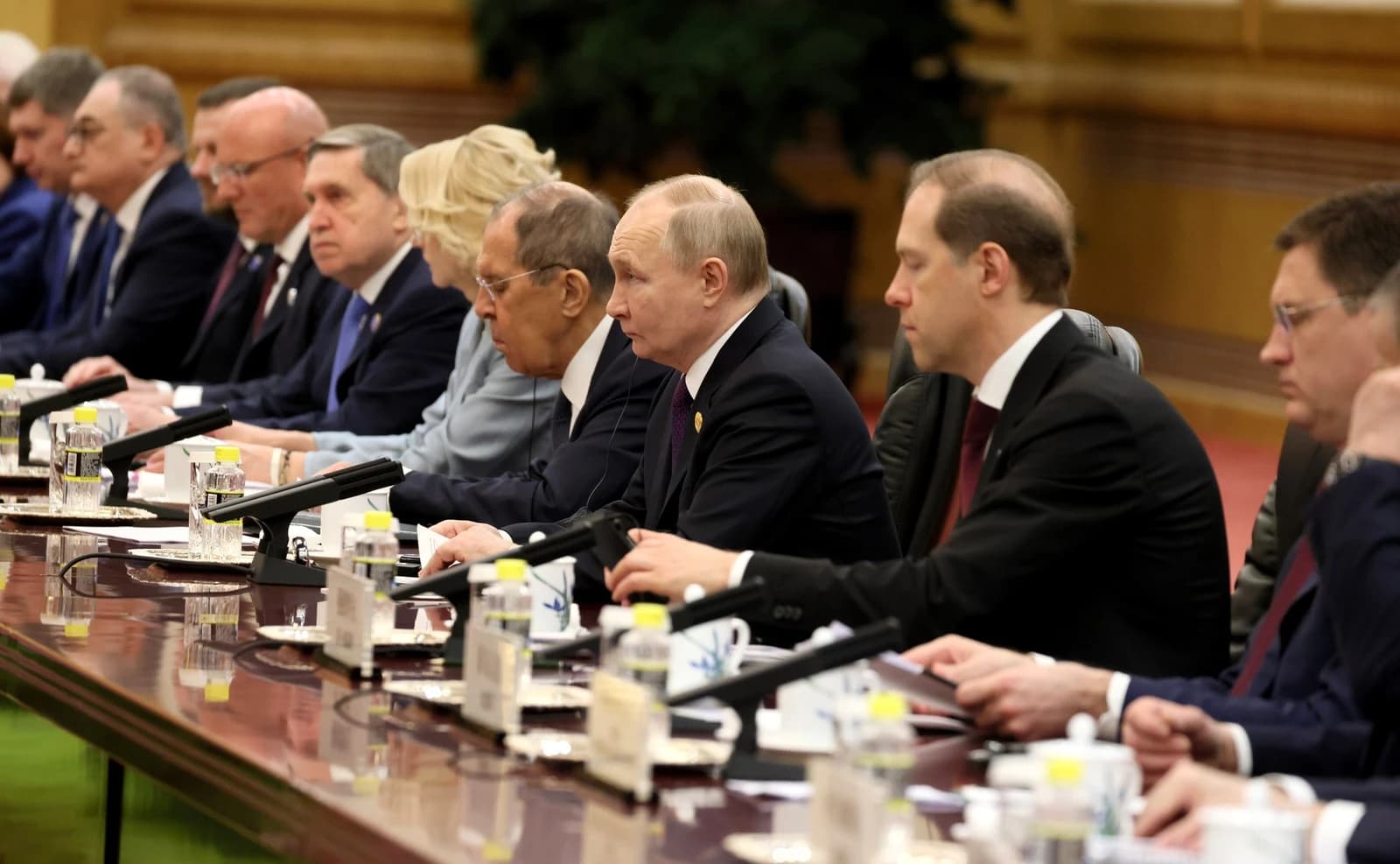
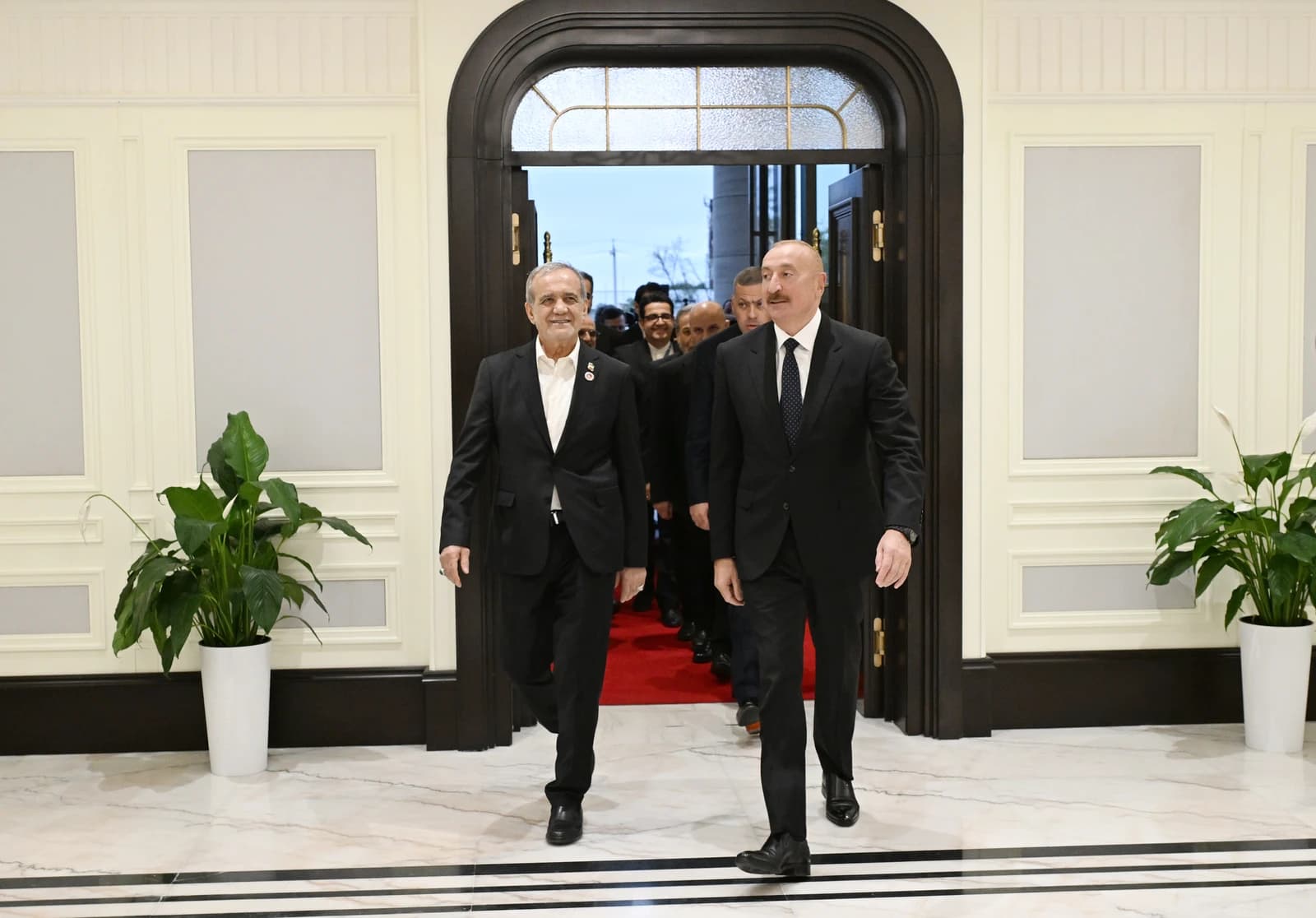
Chinese Foreign Minister Wang Yi said the two countries should deepen “solidarity and interaction” across the Eurasian continent as the international order undergoes “deep changes,” while Russia’s foreign ministry said Wang and Sergei Lavrov reaffirmed the closeness of their positions on major global issues. The comments landed as Lavrov traveled to Azerbaijan for a regional security summit, underscoring how Moscow and Beijing are using multilateral forums to widen their reach in a part of the world where transport corridors, energy routes and diplomatic influence are all in play.
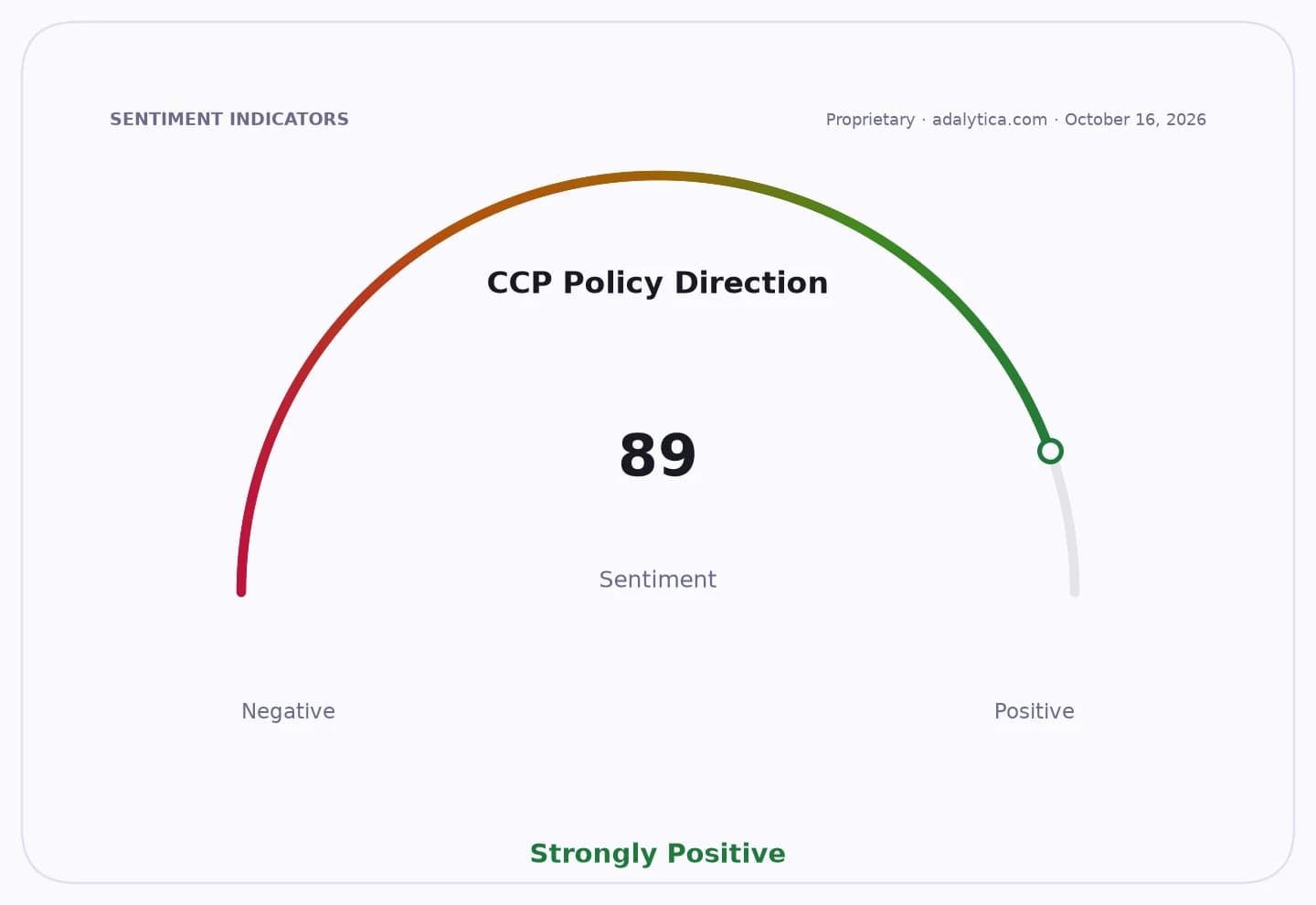
Sentiment IndicatorsⓘProprietary · adalytica.com · October 16, 2026
This is a snapshot — live sentiment, awareness and momentum for 130+ markets update continuously in the dashboard.Open AlphaPulse
For investors, the significance is less about a single headline than about the direction of travel. A tighter China-Russia alignment raises the odds of further fragmentation in global commerce, especially in commodities, shipping, sanctions-sensitive supply chains and emerging-market diplomacy. That can support some producers and exporters tied to non-Western trade routes, but it also keeps a floor under geopolitical risk premiums in oil, metals and broader market sentiment.
The timing is notable. Russia remains under Western pressure over Ukraine, while China is managing its own strategic rivalry with the United States and trying to protect access to markets and technology. In that environment, Eurasia becomes more than geography; it is a political and economic bridge where both powers can coordinate on infrastructure, security and payment systems while presenting themselves as guardians of a more multipolar order.
The relationship also has implications well beyond the two capitals. Countries in Central Asia, the Caucasus and the broader Asian security architecture may find themselves pulled harder between competing blocs, with financing, transit and energy deals increasingly shaped by alignment choices. That could open opportunities for firms linked to rail, ports, pipelines and resource development, but it also raises execution risk for anyone betting on a cleaner, more integrated global trading system.
For long-term investors, the lesson is simple: geopolitical cooperation between China and Russia is not a tradeable one-day event, but a structural backdrop that can influence inflation, supply chains and country risk for years. It is worth watching for the sectors and regions that benefit from rerouted commerce — and for the assets that remain exposed if East-West tensions keep hardening.
| Entity | Gains | Losses |
|---|---|---|
| China and Russia | ▲Greater strategic leverage | ▼Less room for Western rapprochement |
| Eurasian transit and energy corridors | ▲More investment interest | ▼Higher geopolitical risk |
| Western policymakers | ▲Clearer bloc dynamics | ▼Harder diplomacy and containment |
| Global investors | ▲Select opportunities in rerouted trade | ▼Higher risk premiums |