Japan has sharply protested after authorities in Russia’s Far East said a delegation including Chinese businesspeople visited Etorofu, one of the disputed Kuril islands Tokyo claims as its Northern Territories, deepening a geopolitical clash that markets still underprice.
Japan protests Russia-China visit to Etorofu

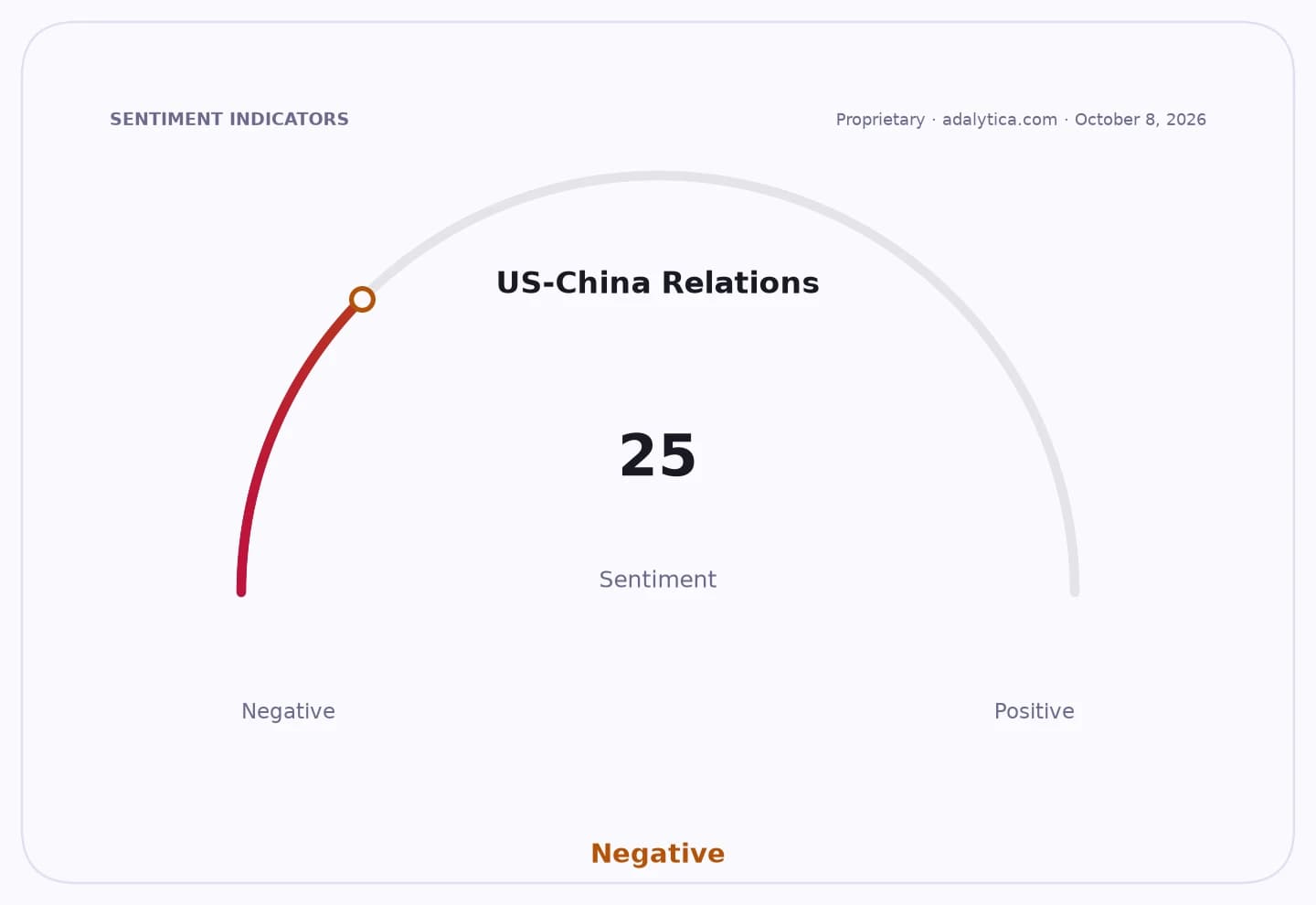
The issue matters because it is no longer just a sovereignty dispute on the map. A Chinese provincial delegation appearing on territory Russia administers, but Japan says is illegally occupied, points to a looser Russia-China alignment around contested assets in the Pacific. That raises the risk of more frequent symbolic provocations, a harder Japanese diplomatic line and a further deterioration in one of Asia’s most important trade and investment relationships.
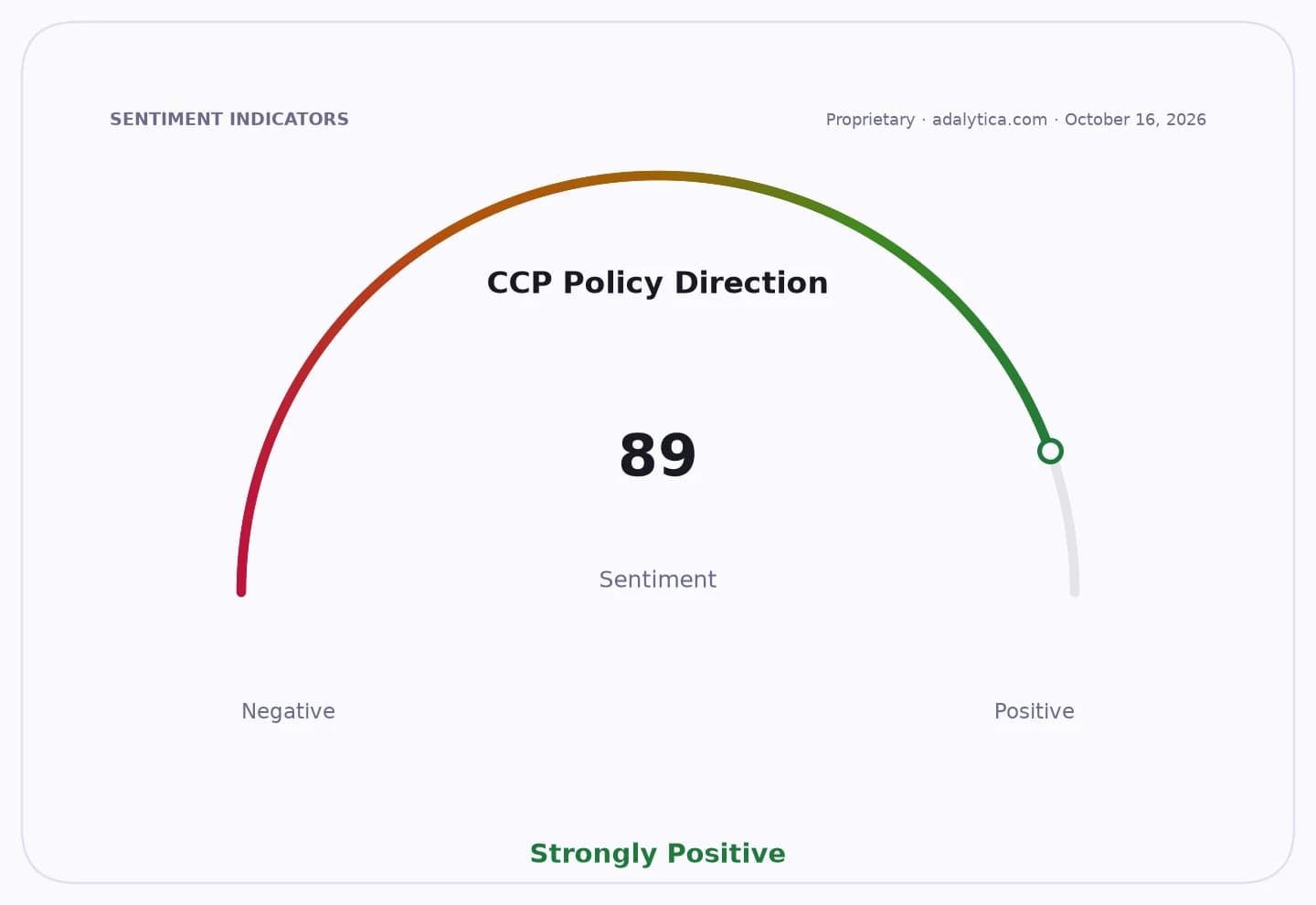
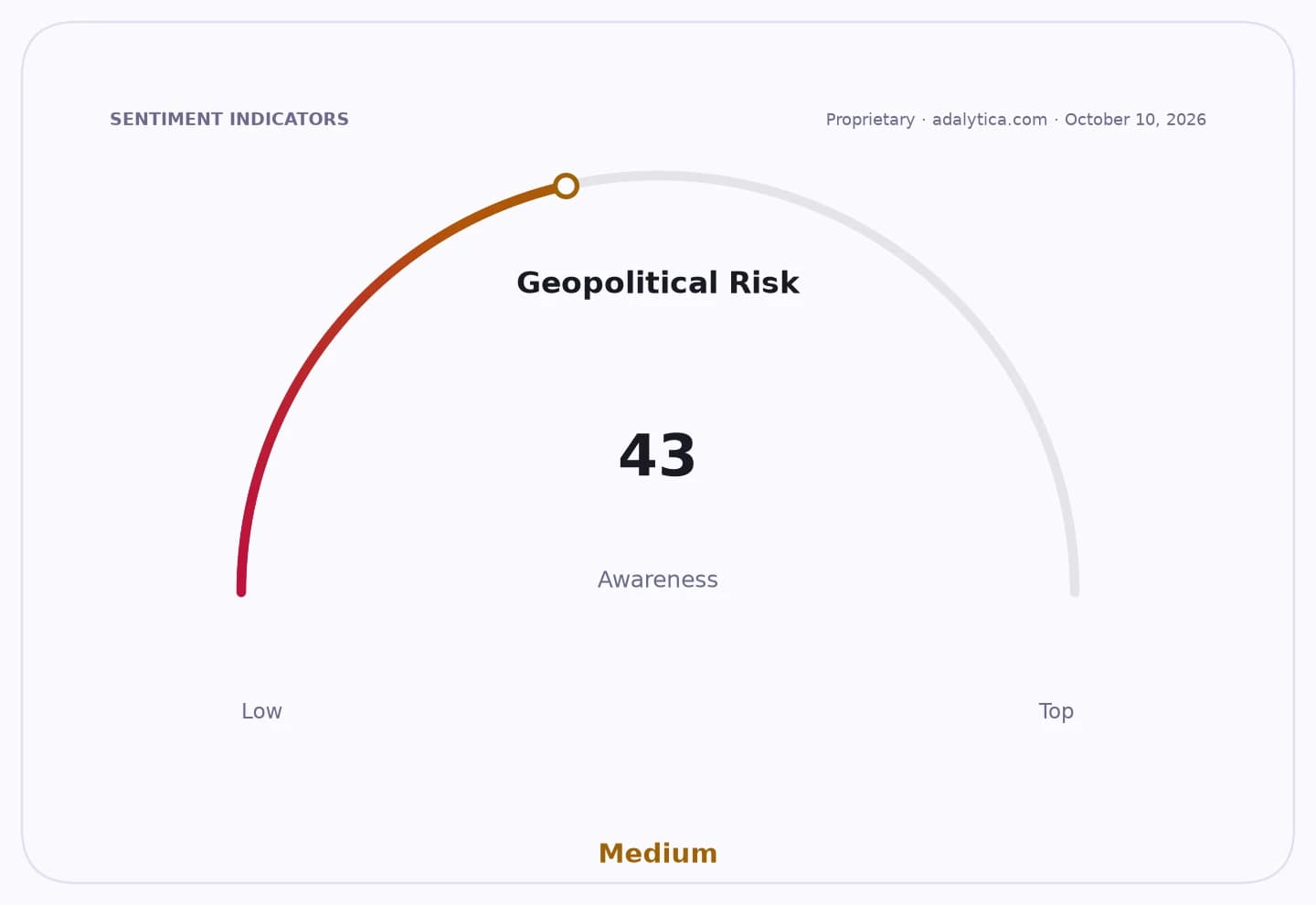
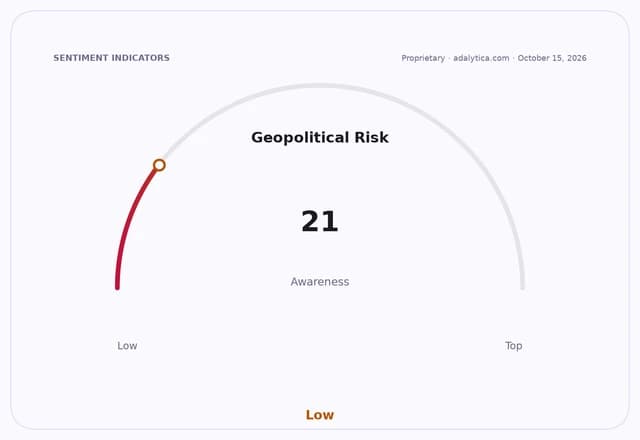
Sentiment IndicatorsⓘProprietary · adalytica.com · October 15, 2026
This is a snapshot — live sentiment, awareness and momentum for 130+ markets update continuously in the dashboard.Open AlphaPulse

Tokyo called the trip “absolutely unacceptable” and said it delivered that message to both Beijing and Moscow through diplomatic channels. Japan’s foreign minister Toshimitsu Motegi said it was unacceptable for people linked to a foreign government and state companies to enter the Northern Territories and act as if they were Russian territory. On the Russian side, Sakhalin officials said the visit was part of a feasibility study for joint projects, suggesting Moscow is willing to invite Chinese commercial interest into a zone that is also a long-running flashpoint with Japan.
That is where the investment case becomes interesting. Escalating friction between Japan and China adds another layer of geopolitical risk to Japanese equities and to the broader Asian supply chain story at a time when investors are already watching defense spending, energy security and reshoring. Japan’s equity market, as reflected in the EWJ ETF, has still been trading near the mid-90s and above its 200-day moving average, but momentum has cooled and the 50-day average sits only modestly below the latest price. That leaves room for headline risk to hit sectors tied to tourism, exporters and cross-border manufacturing sentiment if tensions intensify.
The yen is the cleaner geopolitical hedge. The FXY ETF has been stuck around the high-50s, near its 50-day and 200-day moving averages, which suggests the market has not fully priced a durable safe-haven bid. If Japan-China relations keep worsening, especially alongside broader regional military anxiety, the currency could attract inflows faster than domestic equities absorb the shock.
The bigger narrative is that Japan is being forced to confront a new strategic reality: Russia and China are increasingly comfortable testing Tokyo on the same territorial and security lines. That matters far beyond these islands. It raises the value of defense contractors, cybersecurity names, energy infrastructure and domestic Japanese firms less exposed to foreign political friction. It also strengthens the case for investors to keep favoring Japan’s “security economy” winners over the more vulnerable consumer-facing and travel-sensitive parts of the market.
Adalytica’s Global Stability sentiment remains neutral, but awareness has fallen into fear, a sign that geopolitical risk is becoming more visible even if not yet fully repriced. The market is still treating this as diplomatic noise. I believe that is a mistake. When territorial disputes start to overlap with Russia-China coordination, the second-order effect is a more persistent risk premium on Asia-Pacific assets.
For investors, the takeaway is straightforward: stay selective on Japan, own the beneficiaries of strategic fragmentation, and treat any dip in defense, energy security and yen hedges as a chance to build exposure before the next escalation.
| Entity | Gains | Losses |
|---|---|---|
| Japan defense and security names | ▲Higher spending tailwind | ▼Regional calm premium |
| Yen / FXY | ▲Safe-haven demand | ▼Risk-on appetite |
| Japanese exporters and tourism-linked stocks | ▲Limited direct gain | ▼Diplomatic fallout |
| Russia-China alignment | ▲Tactical leverage | ▼Relations with Tokyo |