Trump’s erratic approach to Asia is shaking confidence in Washington’s security guarantees just as Beijing looks for chances to widen the gap.
Japan US alliance doubts rise after Okinawa case
The political cost is rising fastest in Japan, where unease over U.S. reliability is colliding with a highly sensitive criminal case involving an American serviceman on Okinawa. A 20-year-old U.S. soldier has been accused of a brutal murder, and the episode is reverberating far beyond the island, reviving long-running anger over the American military presence and sharpening questions in Tokyo about what happens if U.S. domestic politics make alliance commitments less predictable.
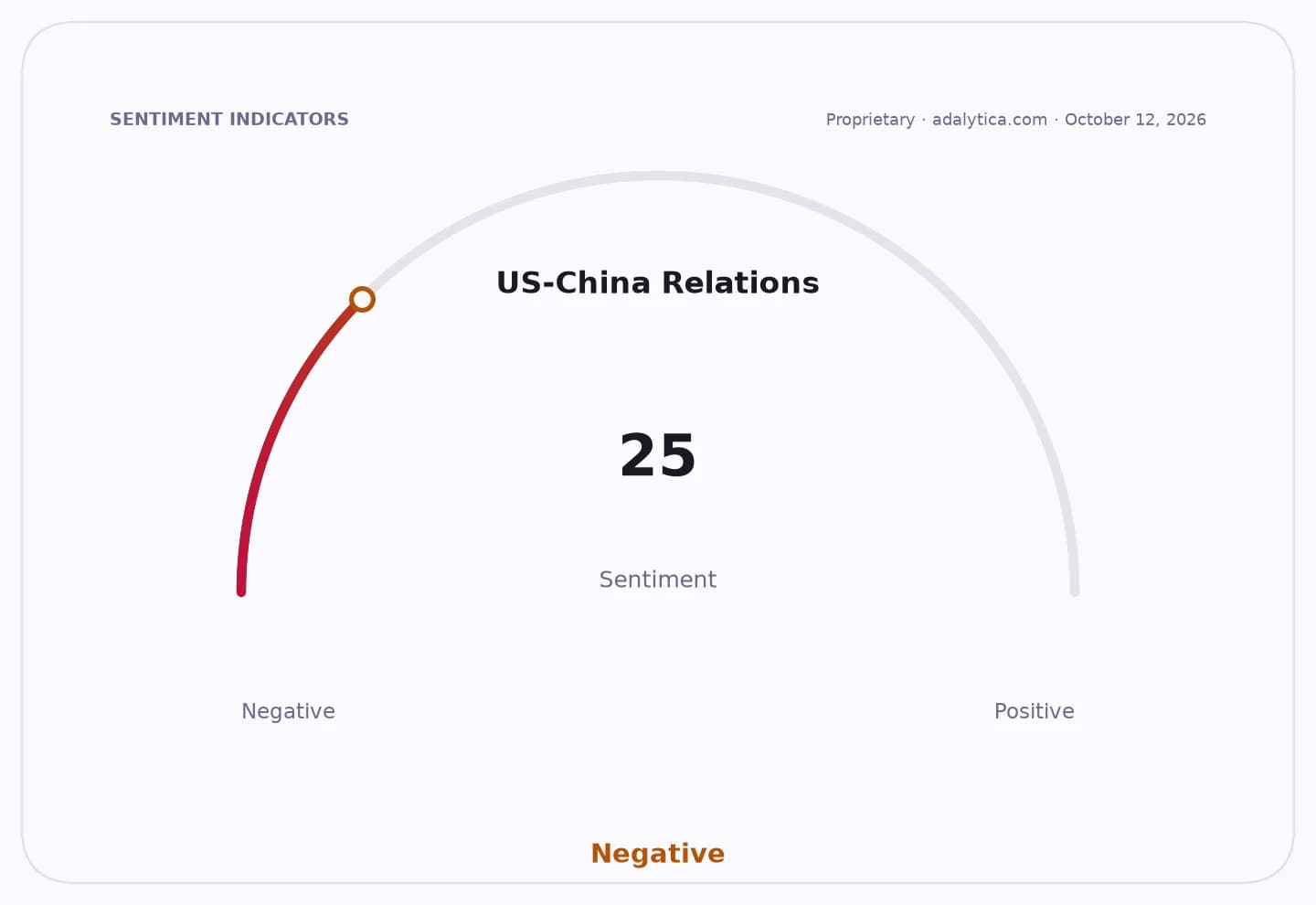
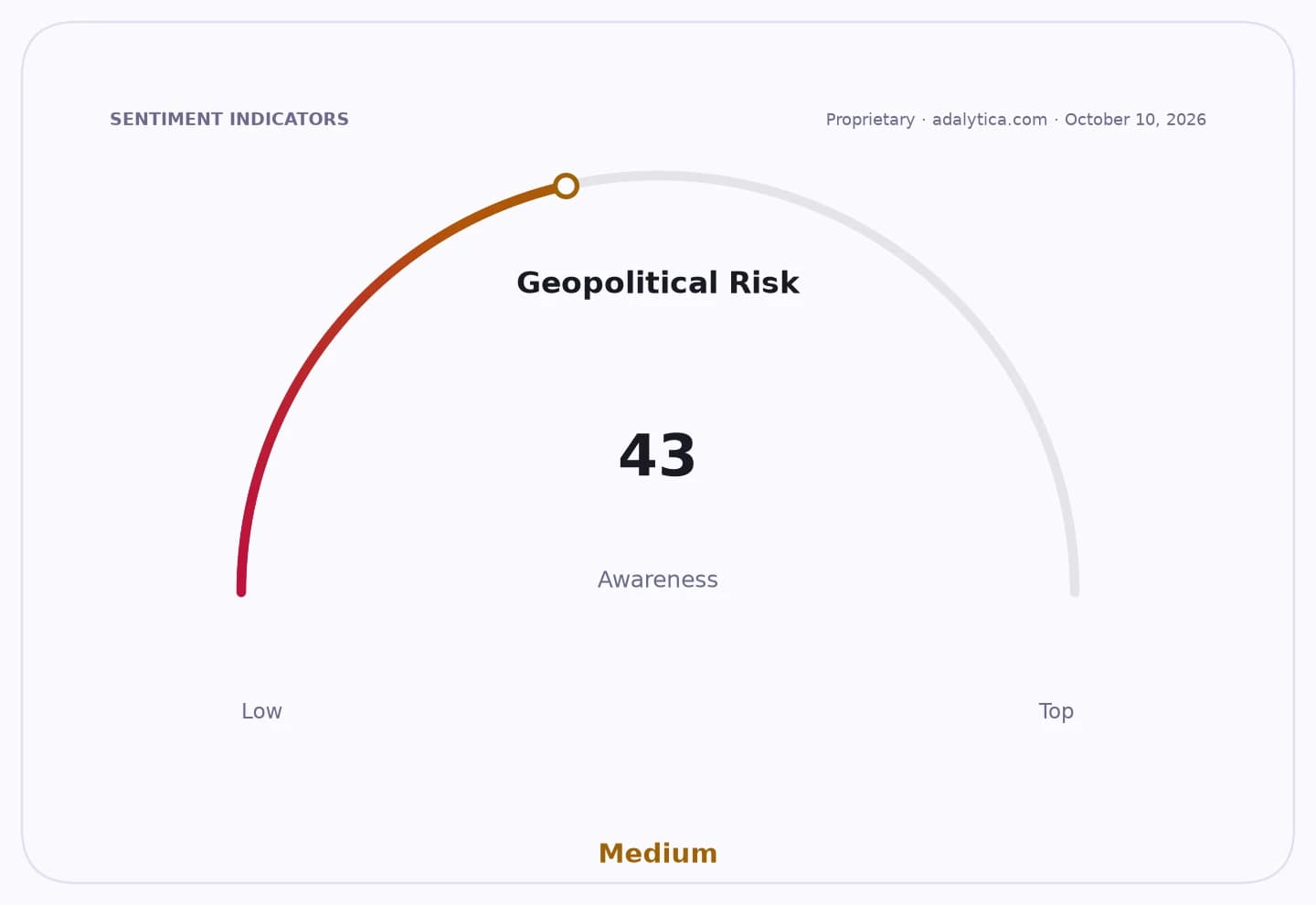
Sentiment IndicatorsⓘProprietary · adalytica.com · October 10, 2026
This is a snapshot — live sentiment, awareness and momentum for 130+ markets update continuously in the dashboard.Open AlphaPulse
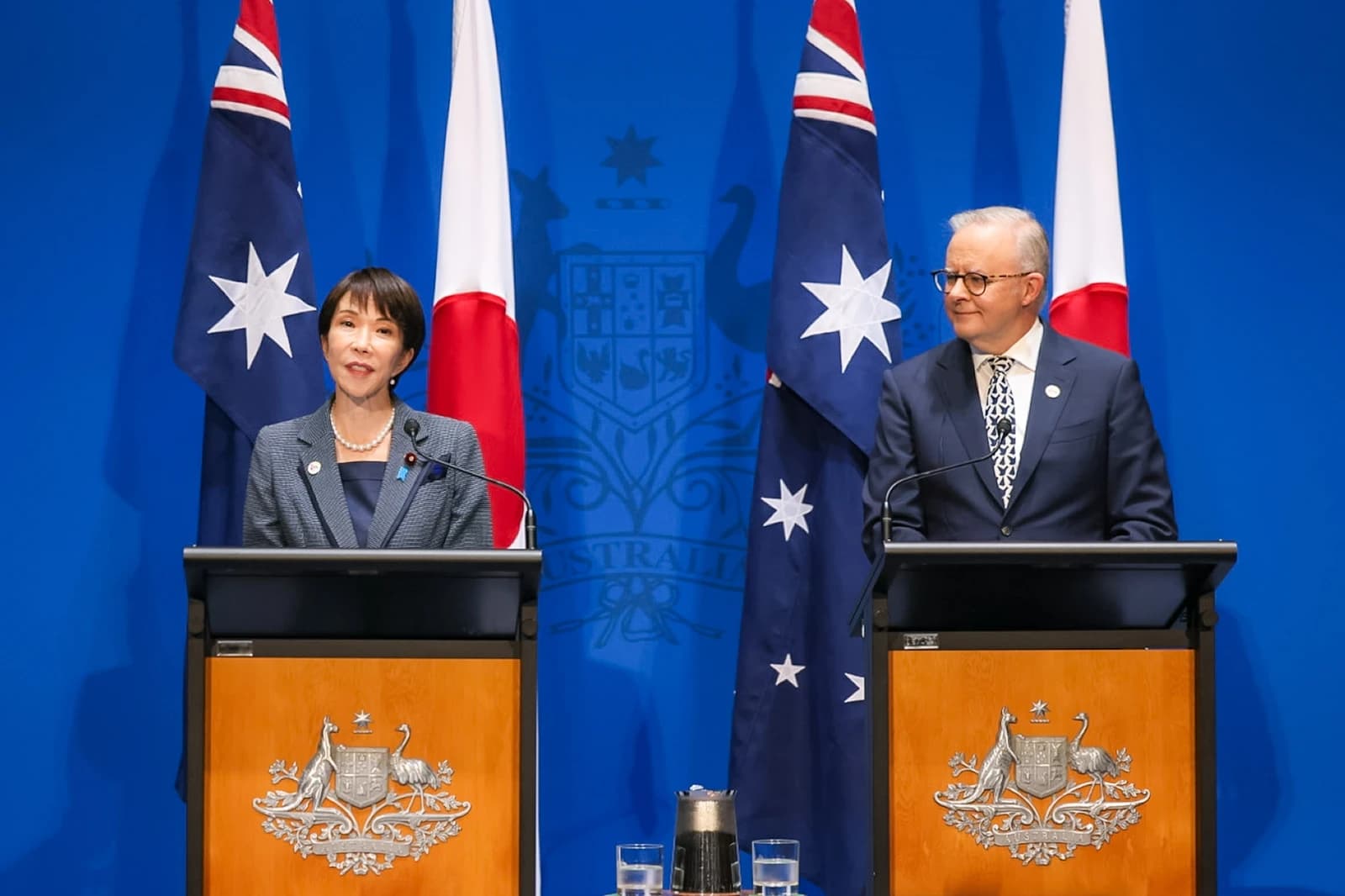
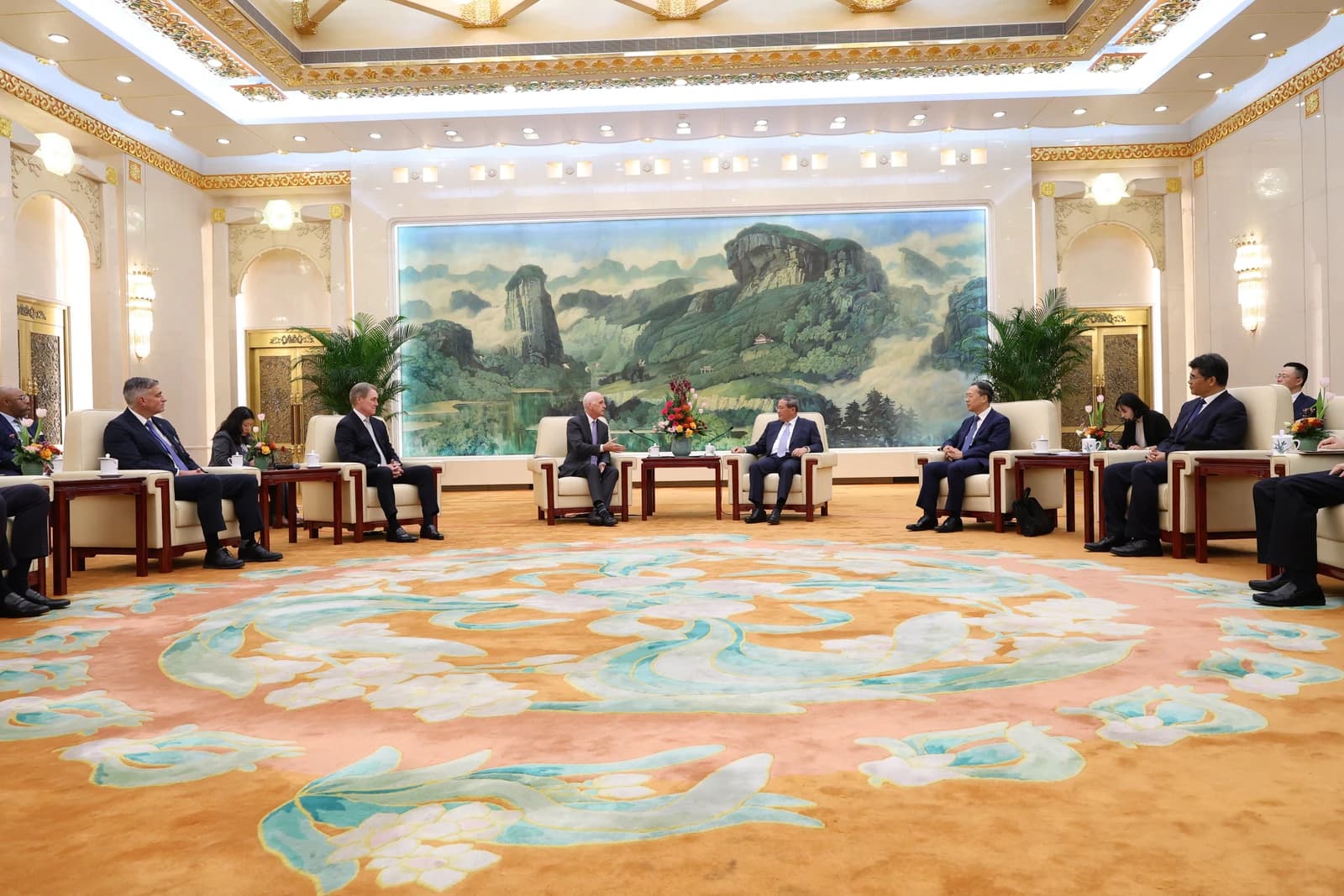
That matters because the U.S.-Japan relationship is one of the central pillars of the regional order that has constrained China for decades. Any doubt about the durability of the alliance changes calculations not just in Tokyo, but across the region — from defense planning to trade, investment and supply-chain strategy. Beijing has every incentive to amplify the sense that Washington is an unreliable partner, especially when Trump’s return to a more transactional, unpredictable posture gives rivals fresh material to exploit.
Investors are already pricing in that broader fragility. China-focused vehicles have been choppy: the FXI iShares China Large-Cap ETF was at $34.24 on Oct. 9, still below its 200-day moving average of about $35.96, even after recovering from earlier weakness. Broader emerging-market exposure has held up better — the EEM ETF traded at $66.80, above its 200-day average of $63.16 — while the AAXJ Asia ex-Japan ETF sat at $115.54, only modestly below its 50-day average and still well above its 200-day average. That split suggests markets are treating China as the main geopolitical pressure point, while remaining selective on Asia more broadly.
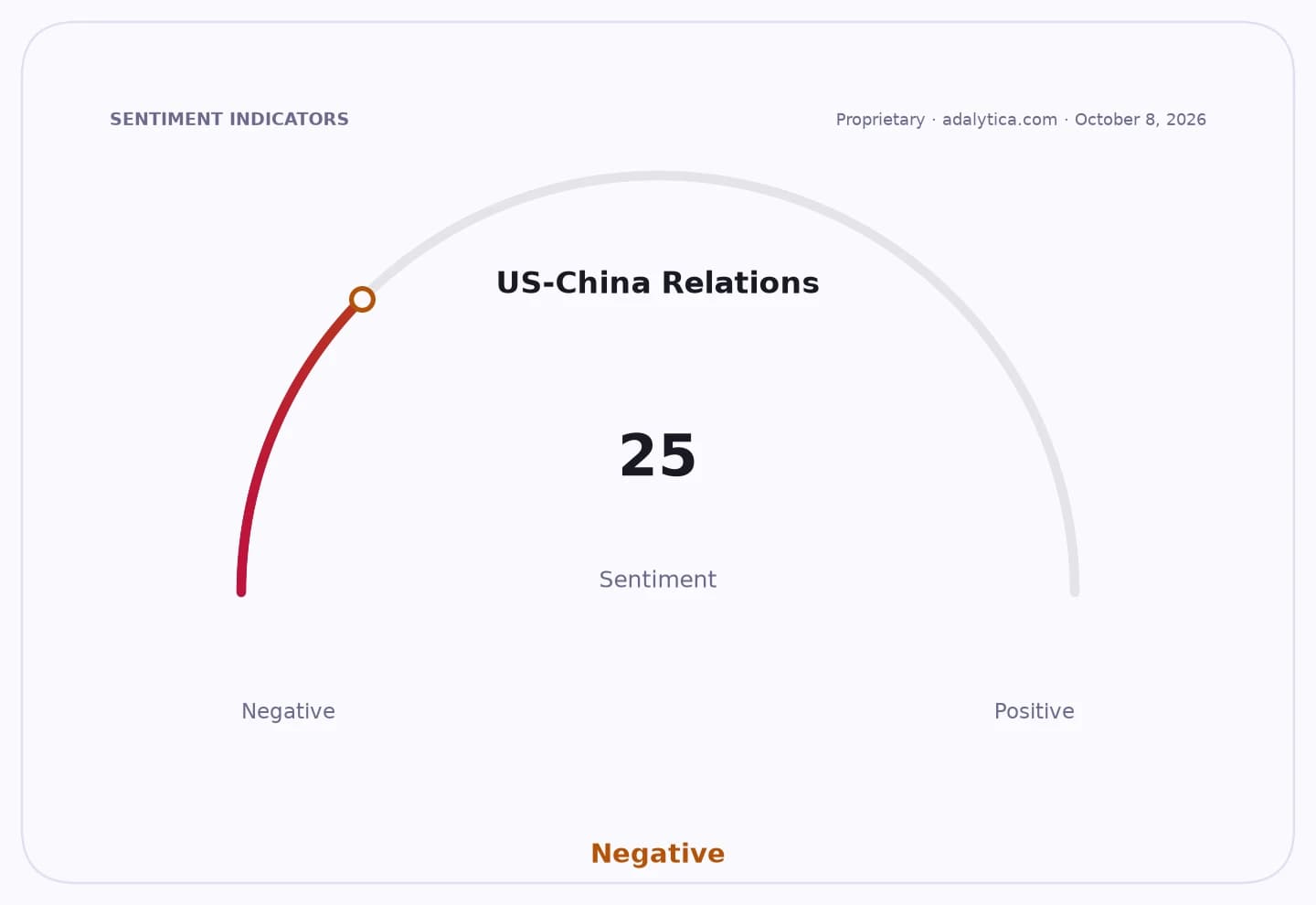
The sentiment gauges tell the same story. Adalytica’s U.S.-China Relations Sentiment index was in “Extreme Fear” at 4, down 96 points over 30 days, while its Global Stability reading still showed “Greed” at 82, implying investors have not yet fully repriced the risk of a sharper geopolitical shock. That gap between complacency and stress is exactly where alliance politics can matter most: if trust in U.S. commitments erodes, risk premiums can rise quickly across defense, semiconductors, shipping, energy and regional equities.
For Japan, the stakes are especially high. The country depends on the U.S. security umbrella to deter China, manage North Korea and anchor its own defense modernization. But public support for that arrangement can fray when incidents involving U.S. forces dominate headlines, and Trump’s volatility makes it easier for Chinese strategists to argue that Japan should hedge more aggressively. That could mean deeper military spending, more diplomatic flexibility toward Beijing, or a slower willingness to align with Washington on trade and technology restrictions.
The bull case for markets is that these tensions remain rhetorical and do not alter the underlying architecture of the alliance system. The bear case is that repeated doubts — from Trump’s statements, from alliance friction and from incidents like the Okinawa case — gradually weaken the credibility premium that has supported U.S.-led order in Asia. If that happens, China gains not because it has suddenly become more trusted, but because the United States looks less dependable.
What matters next is whether Tokyo responds with quiet hedging or public recalibration. If Japan feels forced to insure against U.S. unpredictability, the consequences would reach well beyond diplomacy: defense budgets, regional capital allocation and the pricing of Asian risk assets would all have to adjust.
| Entity | Gains | Losses |
|---|---|---|
| China | ▲Wider room to pressure Japan | ▼Less if alliance stays intact |
| Japan | ▲Higher defense urgency | ▼Confidence in U.S. umbrella |
| U.S. | ▲If doubts are contained | ▼Credibility in Asia |
| Asia risk assets | ▲Selective safety in broader EM | ▼Japan-sensitive regional sentiment |