Armenia’s push to turn TRIPP into a major transit project is now less about transport engineering than about sovereignty, regional leverage and who controls the flow of trade between the South Caucasus, Iran, Turkey and the wider Eurasian bloc.
Armenia TRIPP Transit Project and Geopolitical Risks
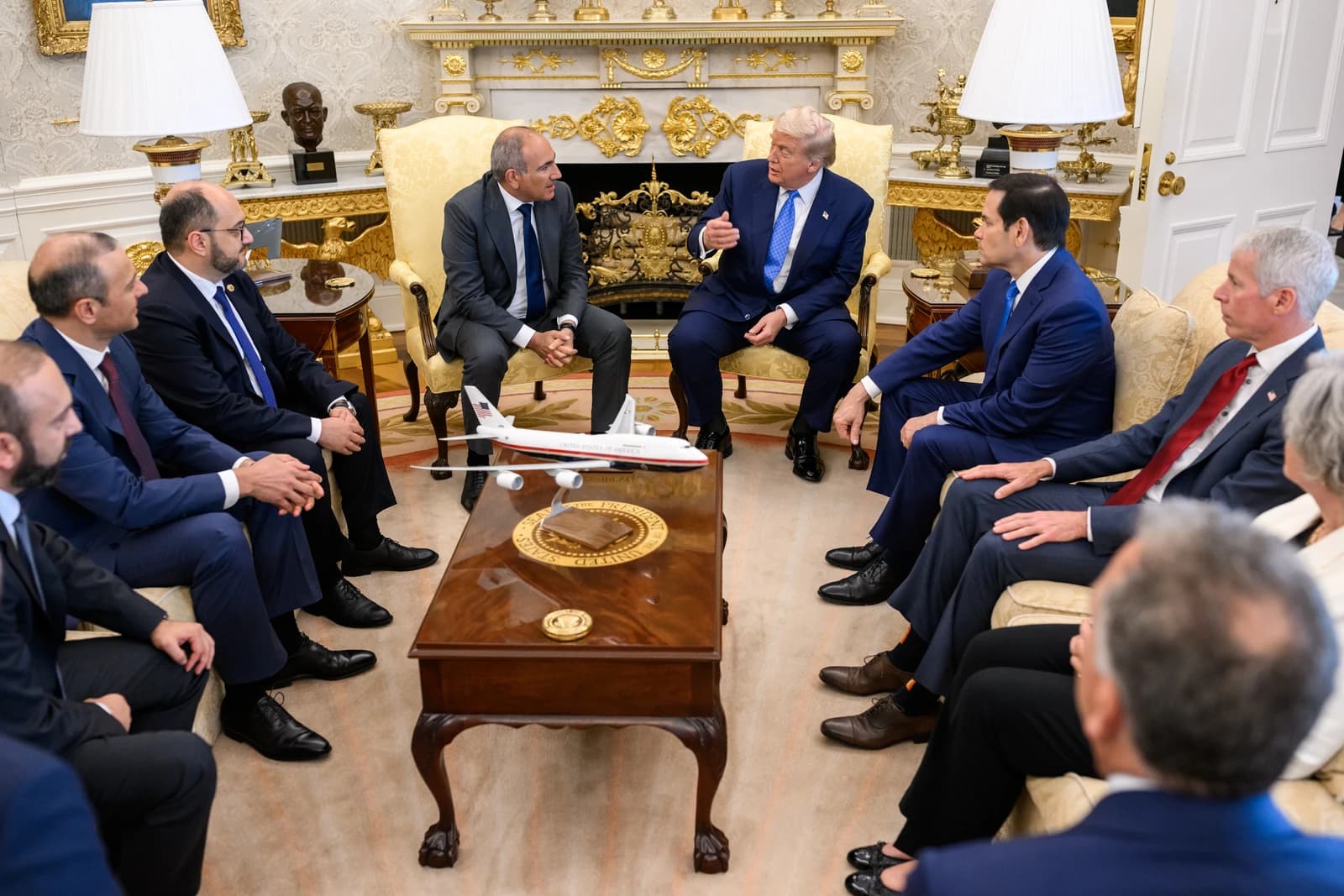
For Armenia, the corridor is significant because it can convert geography into economic and diplomatic bargaining power. If Yerevan can help anchor a reliable east-west route through its territory, it gains more than transit fees: it gains relevance in a region where infrastructure often determines political influence. That matters at a time when Armenia is trying to diversify beyond a narrow set of security and trade relationships, while managing a fraught relationship with Azerbaijan and a delicate balance with Russia, Iran and Turkey.
Sentiment IndicatorsⓘProprietary · adalytica.com · October 22, 2026
This is a snapshot — live sentiment, awareness and momentum for 130+ markets update continuously in the dashboard.Open AlphaPulse

The strategic value is also why the project carries risk. A transit corridor tied to broader geopolitical arrangements can attract outside pressure, especially if neighboring powers view it as shifting the balance of influence. Armenia’s leadership may see TRIPP as a way to deepen economic integration and reduce isolation, but the same project could become a venue for competing claims over security, customs control and access rights. In that sense, the corridor is not just a development project; it is a test of whether Armenia can extract economic benefits without conceding too much strategic autonomy.
Market implications are more indirect but still important. Investors typically reward infrastructure that improves connectivity, lowers logistics costs and opens trade routes, particularly in frontier markets where transport bottlenecks suppress growth. A functioning corridor could support trade, construction activity and longer-term investment flows into logistics, warehousing and related services. But the upside depends on stability. Any escalation in regional tensions would likely keep a risk premium on Armenian assets, limit foreign capital and delay the very trade gains the corridor is meant to deliver.
Geopolitical Risk — 30-day sentimentadalytica.com
Explore this data interactively — full history, time series and cross-market comparisons.Open AlphaPulse

The broader narrative is that Armenia is trying to reposition itself as a transit state at a moment when regional alignments are shifting. Recent diplomatic outreach, including discussions with Tajikistan and Iran’s public support for Armenia, reinforces the idea that Yerevan is seeking more room to maneuver economically and politically. Yet the same environment also features hard-edged geopolitical competition, with Azerbaijan, the EAEU and other regional actors all shaping Armenia’s options.
For investors, TRIPP matters because it captures two opposing forces at once: the possibility of a more economically connected Armenia, and the persistence of geopolitical fragility that can quickly overwhelm infrastructure optimism. The project will be watched less for its ribbon-cutting potential than for whether it changes the country’s strategic calculus and improves the durability of cross-border commerce.
| Entity | Gains | Losses |
|---|---|---|
| Armenia | ▲Transit leverage | ▼Geopolitical exposure |
| Regional trade partners | ▲Shorter routes | ▼Control over chokepoints |
| Investors in infrastructure | ▲Connectivity upside | ▼Policy and security risk |
| Competing regional powers | ▲Limited influence if project advances | ▼Strategic leverage if corridor succeeds |