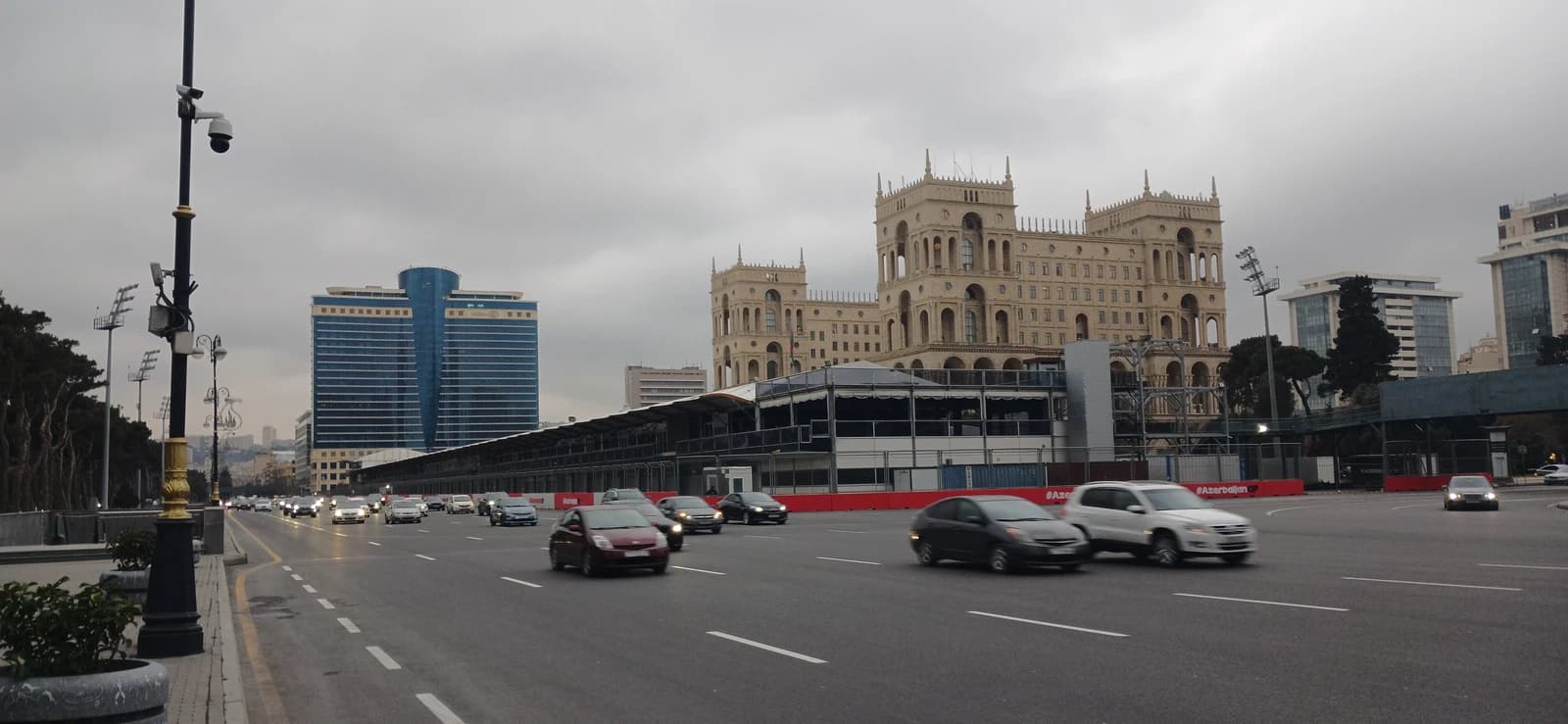
Iran’s electricity imports from Azerbaijan have topped 33 million kilowatt-hours, a sign that Tehran is leaning more heavily on cross-border power flows to help balance domestic supply as demand pressures persist.
Iran electricity imports from Azerbaijan top 33 million kWh
The scale of the imports matters because electricity is not just a utility issue in Iran; it is a constraint on industrial output, household supply and broader economic activity. When a country has to raise imports, it often reflects a system under stress, whether from peak seasonal demand, generation shortfalls, fuel supply constraints or grid bottlenecks. For Iran, additional power from Azerbaijan offers a relatively quick way to shore up supply without waiting for new domestic capacity to come online.
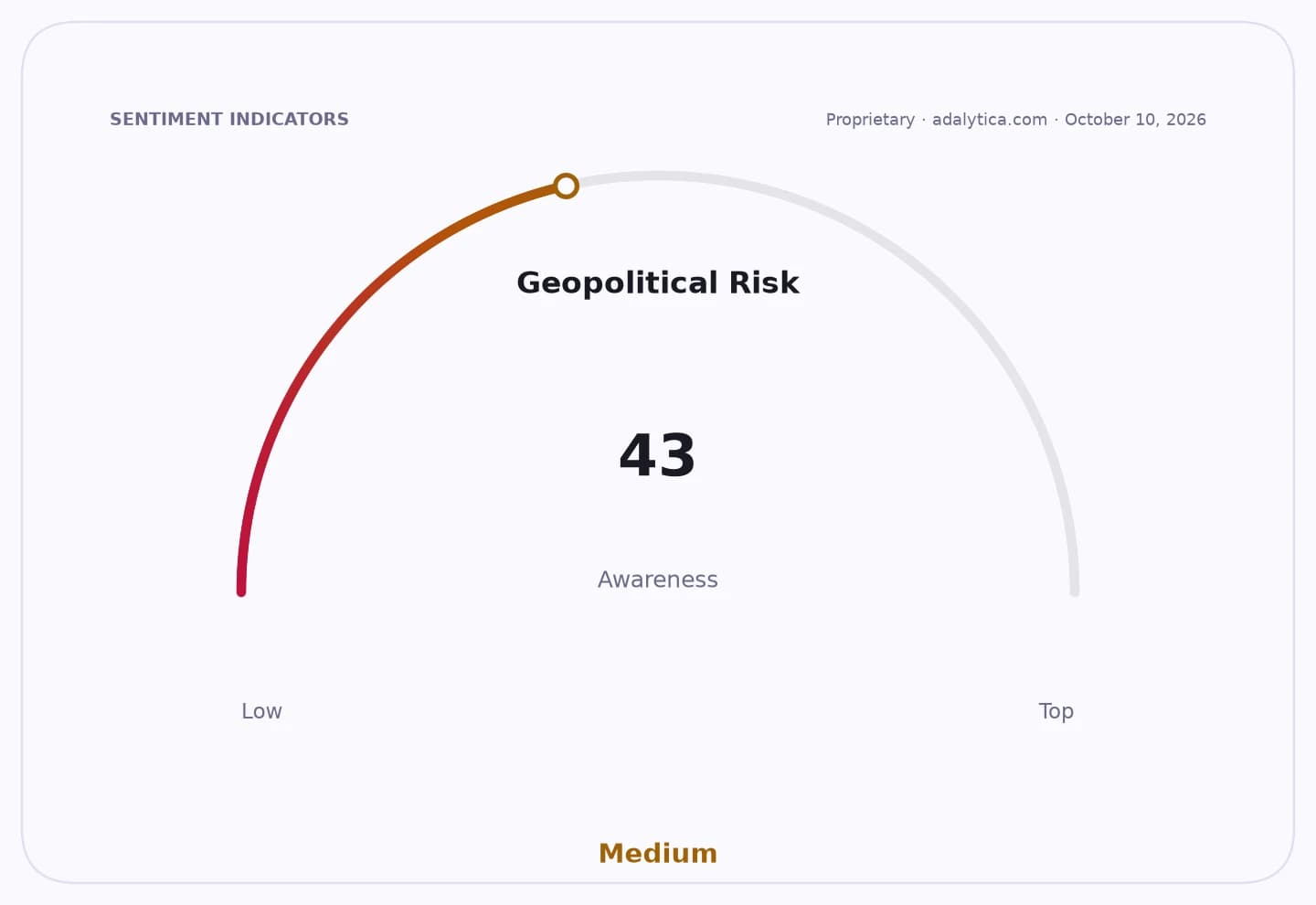
Sentiment IndicatorsⓘProprietary · adalytica.com · October 21, 2026
This is a snapshot — live sentiment, awareness and momentum for 130+ markets update continuously in the dashboard.Open AlphaPulse
That makes the figure economically relevant beyond the bilateral energy relationship. More imported electricity can help reduce the risk of outages that disrupt factories, refineries, transport and other energy-intensive sectors. It can also ease pressure on policymakers trying to keep power available while managing a strained energy system. Even modest volumes can matter if they are directed to parts of the grid where shortages would otherwise cascade into wider economic losses.
For Azerbaijan, the exports underline its role as a regional energy supplier with leverage extending beyond oil and gas. Cross-border electricity trade is still limited compared with hydrocarbon flows, but it carries strategic value because it ties neighboring systems together and can deepen economic interdependence. In a region where energy security has become more important, even relatively small power shipments can carry geopolitical weight.
The development also fits a broader global pattern in which governments are trying to secure more reliable and affordable power as electrification accelerates and energy security concerns rise. Iran’s reliance on imports suggests that access to electricity, not just the price of fuel, is becoming a bigger macroeconomic variable. For investors, that matters because persistent power shortages can weigh on industrial activity, while regional energy trade can create opportunities for utilities, grid operators and infrastructure providers tied to transmission and interconnection.
The key question now is whether these imports are a temporary bridge or part of a longer-term adjustment in Iran’s power balance. If domestic generation and grid investment do not keep pace with demand, reliance on neighbors could deepen, making electricity flows a more regular feature of Iran’s energy strategy.
| Entity | Gains | Losses |
|---|---|---|
| Iran | ▲Short-term supply relief | ▼Greater dependence on imports |
| Azerbaijan | ▲Export revenue and leverage | ▼Additional regional obligations |
| Iranian industry | ▲Lower outage risk | ▼Still exposed to structural shortages |
| Domestic generators | ▲Less immediate strain | ▼Pressure to catch up on capacity |