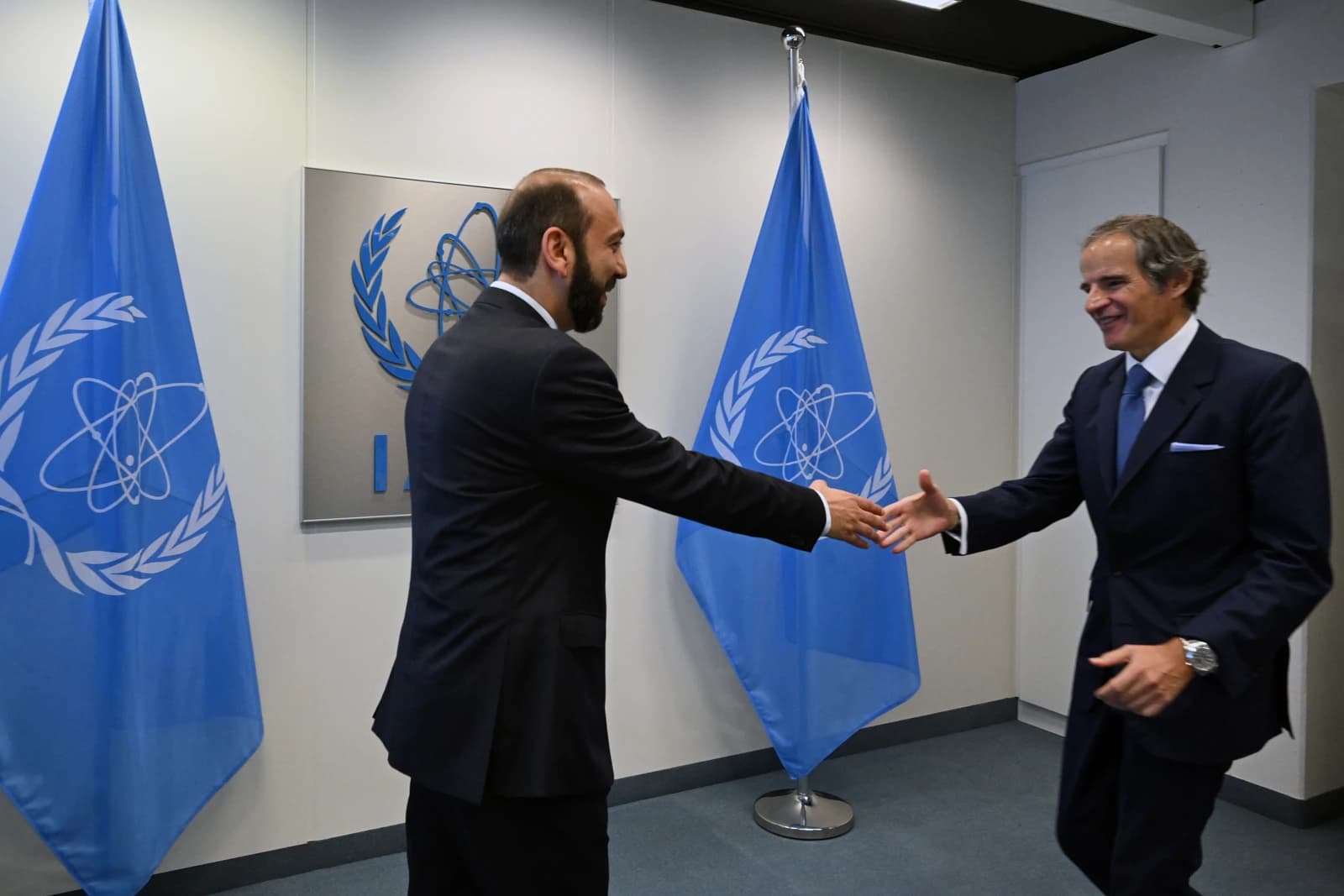
Iran is using Ararat Mirzoyan’s visit to press Armenia on transport, power and sanctions pressure, with the North-South corridor emerging as the key economic prize for both sides.
Iran Armenia North-South corridor talks on transit
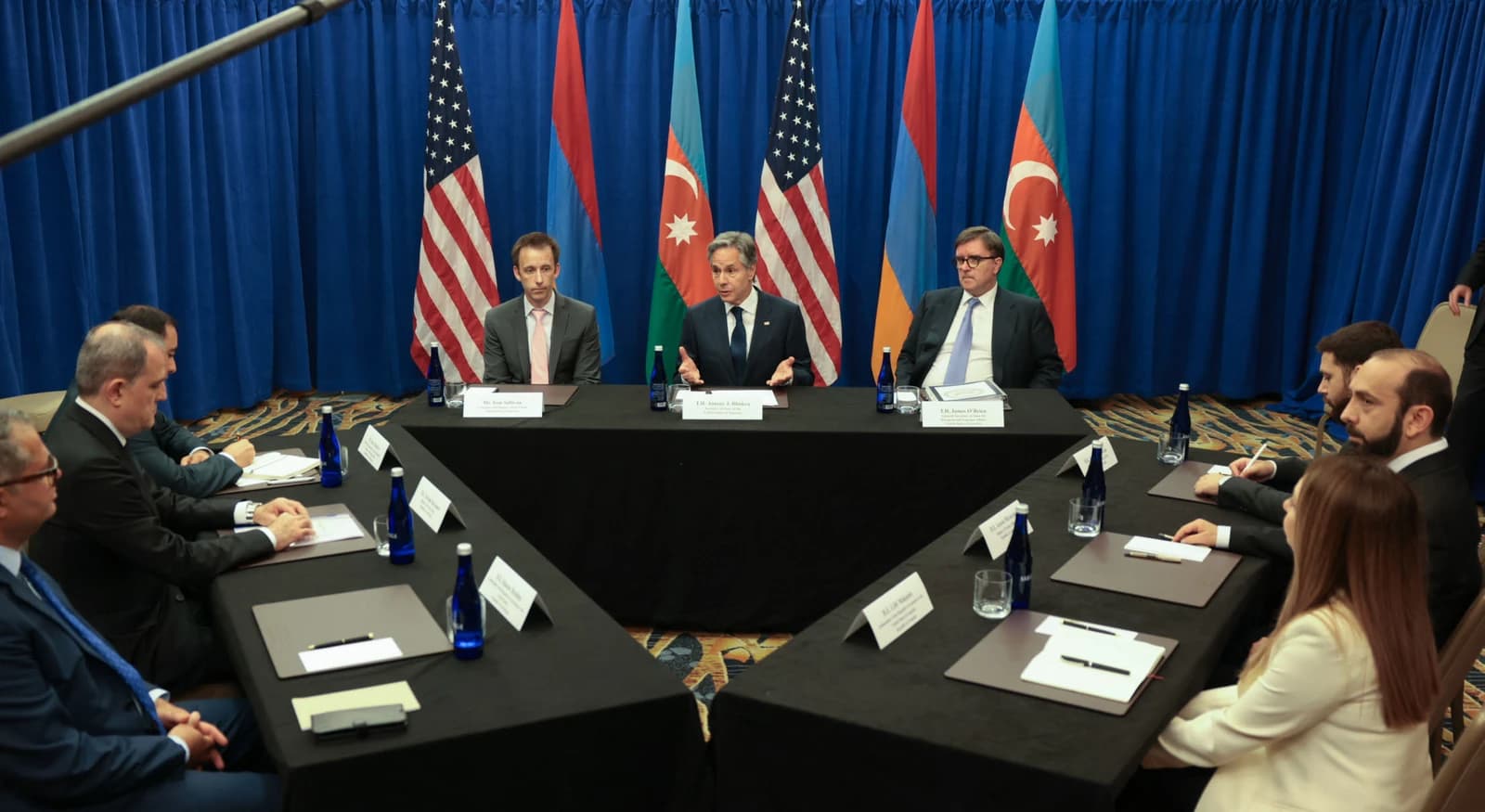
The most important development is not the diplomacy itself, but the way tightening U.S. sanctions are reshaping regional trade routes. With Iran increasingly boxed out of maritime and aviation links, Tehran and Yerevan are treating transit infrastructure as strategic, not optional, because it determines who can move goods, energy and passengers across the South Caucasus.
Sentiment IndicatorsⓘProprietary · adalytica.com · October 8, 2026
This is a snapshot — live sentiment, awareness and momentum for 130+ markets update continuously in the dashboard.Open AlphaPulse
Iranologist Nver Davtyan said sanctions have already forced a sharp rerouting of freight, including a 10-fold rise in rail shipments between Iran and China as maritime access narrows. That makes Armenia’s role more important if it can remain a functioning land bridge for goods moving to and from Iran, China and the wider Eurasian market.
Mirzoyan’s Oct. 4-5 visit to Tehran included meetings with Iran’s president, foreign minister and parliament speaker, and the talks reportedly centered on transport infrastructure, the Armenia-Iran third high-voltage power line and the North-South corridor. For investors and regional policymakers, that matters because corridor politics now feed directly into energy security, customs revenue and the viability of alternative trade routes around sanctions-hit Iran.
Tehran is also looking for reassurance that Armenia will not align with Western pressure against Iranian airlines and shipping. Georgia and Azerbaijan have already closed their airspace to Iranian carriers, while Turkey has informally restricted flights, leaving Armenia one of the few regional channels still open. Any narrowing of that access would disrupt passenger flows and higher-value trade between the two neighbors.
The North-South project is also being read in Iran as an opportunity, not just a risk. Davtyan said Iranian officials appear to see the route from Julfa to Nakhchivan as one of the western arteries of the corridor, while still insisting that Armenia retain full sovereignty and security control over the project’s territory — a sign that even a commercial route remains hostage to geopolitical trust.
That is why the corridor matters beyond Armenia and Iran. If implemented, it would strengthen Iran’s overland access to the EAEU and, via Georgia, to the Black Sea, while giving Armenia a transit role at a time when sanctions and regional rivalries are redrawing trade maps. Any delay, by contrast, would leave both sides more exposed to pressure from larger powers and competing routes.
The immediate catalyst is whether Tehran and Yerevan can turn political alignment into enforceable agreements on transit, aviation exemptions and power infrastructure. Investors tracking regional risk will be watching for concrete progress on the corridor, because the economics of the South Caucasus are increasingly being set by sanctions, not just borders.
| Entity | Gains | Losses |
|---|---|---|
| Iran | ▲Transit options, sanctions обход routes | ▼Maritime and air isolation |
| Armenia | ▲Transit fees, strategic relevance | ▼Exposure to great-power pressure |
| Regional exporters/importers | ▲Shorter overland links if built | ▼Higher costs if routes stay blocked |
| U.S./sanctions coalition | ▲Leverage on Tehran | ▼Reduced control if exemptions expand |