Turkmenistan and Iran moved to deepen transit cooperation, a sign that both countries are looking to turn geography into a harder economic asset at a time when regional trade routes and sanctions-sensitive logistics are becoming more valuable.
Turkmenistan and Iran deepen transit cooperation
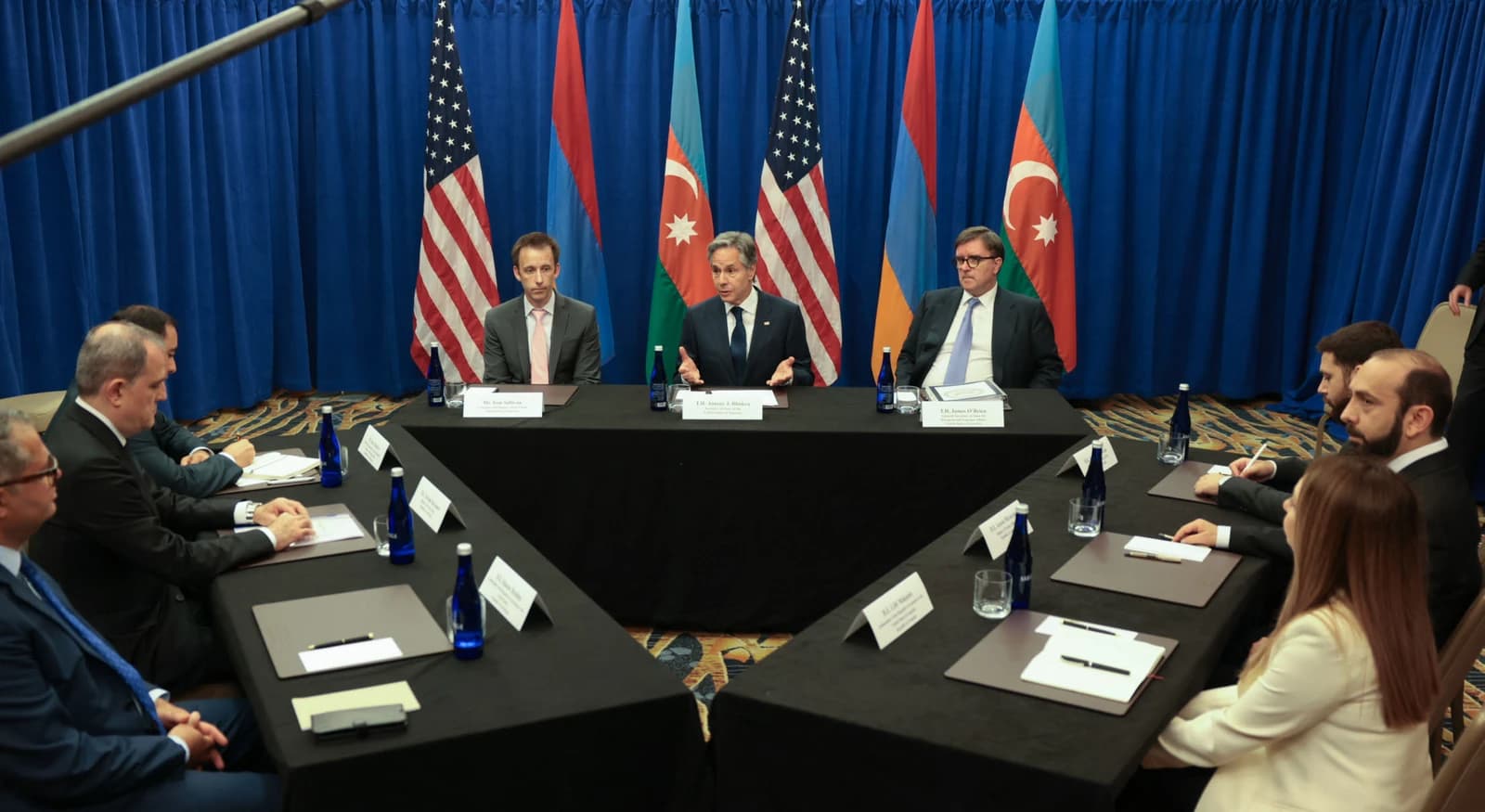
The meeting between Turkmen Foreign Minister Rashid Meredov and Iranian Roads and Urban Development Minister Farzaneh Sadegh, held on the sidelines of events in the Avaza National Tourist Zone, centered on expanding transit opportunities. For Ashgabat and Tehran, the economics are straightforward: more transit capacity can mean more customs revenue, lower transport costs for exporters, and a larger role in the movement of goods between Central Asia, the Caspian basin, the Gulf and beyond.
Sentiment IndicatorsⓘProprietary · adalytica.com · October 8, 2026
This is a snapshot — live sentiment, awareness and momentum for 130+ markets update continuously in the dashboard.Open AlphaPulse
That matters because both countries sit on corridors that are increasingly important as shippers seek alternatives to longer, riskier or more politically exposed routes. Turkmenistan has long tried to monetize its position between Central Asia and Iran, while Tehran has pushed to remain indispensable to overland trade despite Western sanctions. A stronger transit framework would support sectors tied to rail, roads, ports and border infrastructure, while also giving policymakers a lever to attract freight flows that can steady foreign-exchange earnings and industrial activity.
For investors, the immediate read-through is less about a single contract than about the durability of regional corridor development. Infrastructure operators, transport-linked industrial firms and commodity exporters all stand to benefit if the two governments translate talks into smoother customs procedures, higher throughput and better cross-border connectivity. The upside case is a more efficient north-south and east-west logistics network; the downside is that progress can be slowed by financing constraints, sanctions, and the practical limits of customs coordination and infrastructure build-out.
The broader narrative is one of regional states leaning harder on transit as an economic strategy. With global supply chains still being re-routed by geopolitics, even incremental progress on border cooperation can have outsized value. The key question now is whether Turkmenistan and Iran can move from diplomatic signaling to bankable projects that actually raise freight volumes.
| Entity | Gains | Losses |
|---|---|---|
| Turkmenistan | ▲Transit revenue, strategic leverage | ▼Dependence on slow project execution |
| Iran | ▲Corridor relevance, customs income | ▼Sanctions friction, financing limits |
| Regional shippers | ▲Shorter overland routes | ▼Higher complexity if reforms stall |
| Competing routes | ▲— | ▼Potential loss of freight volumes |