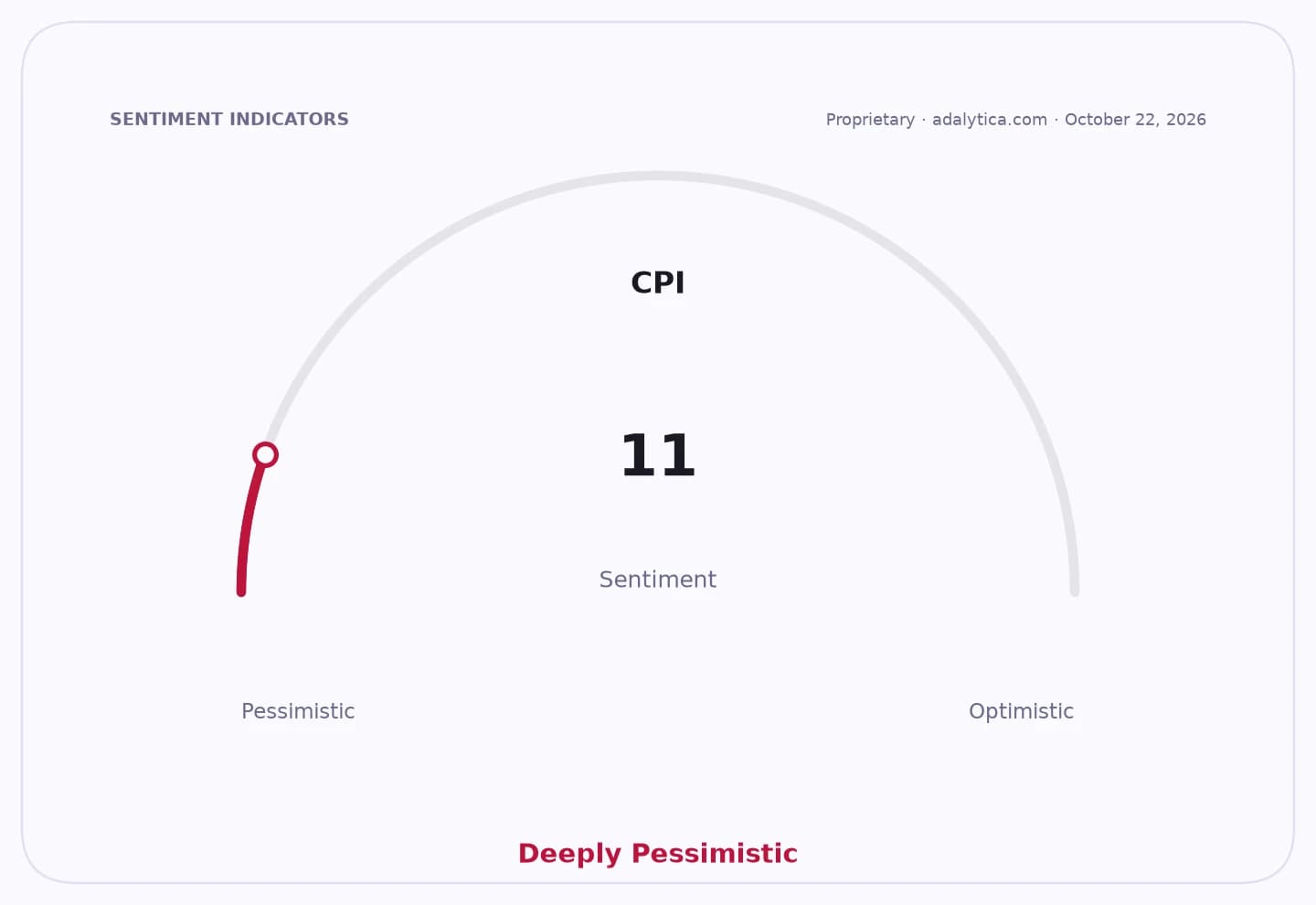
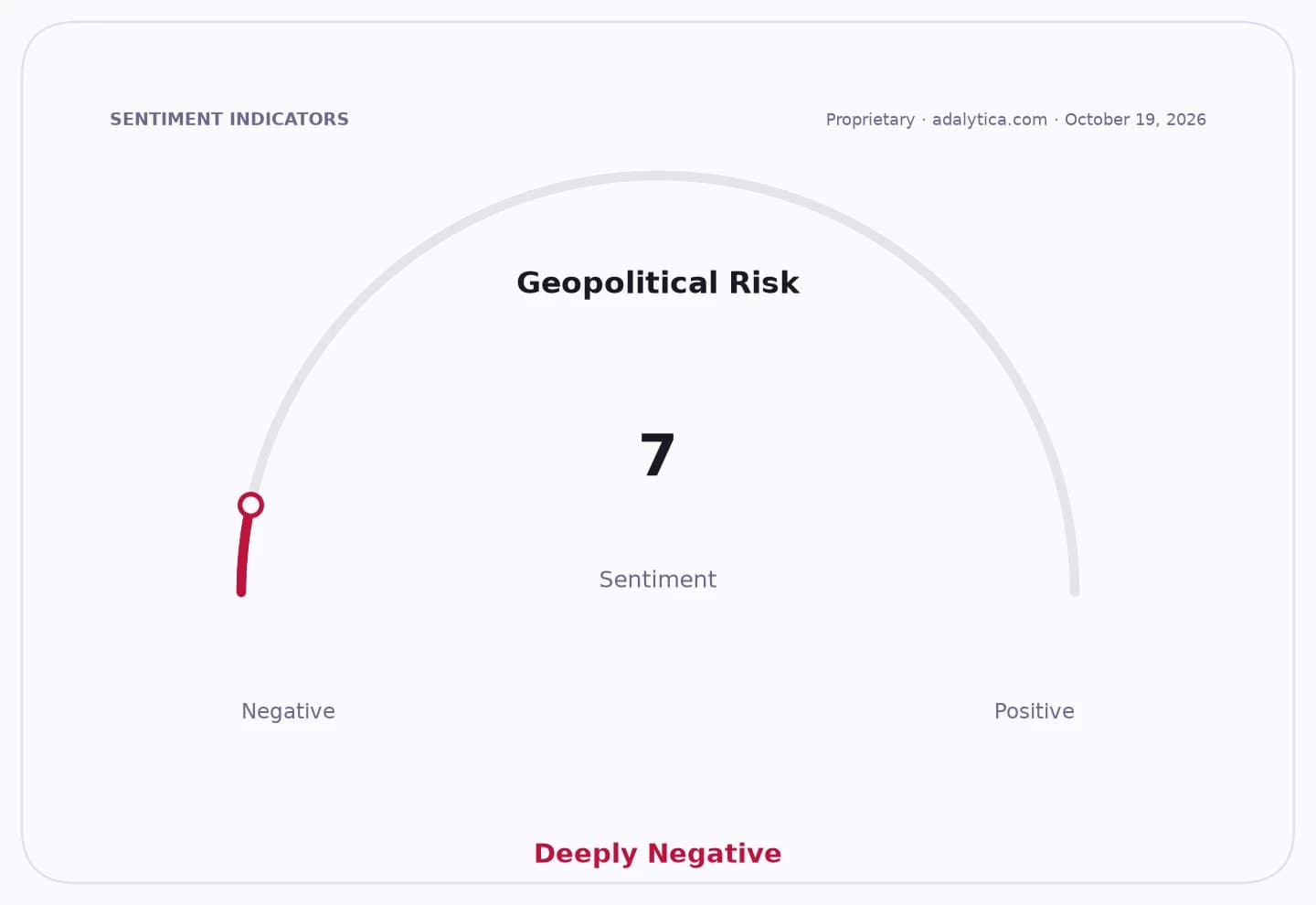
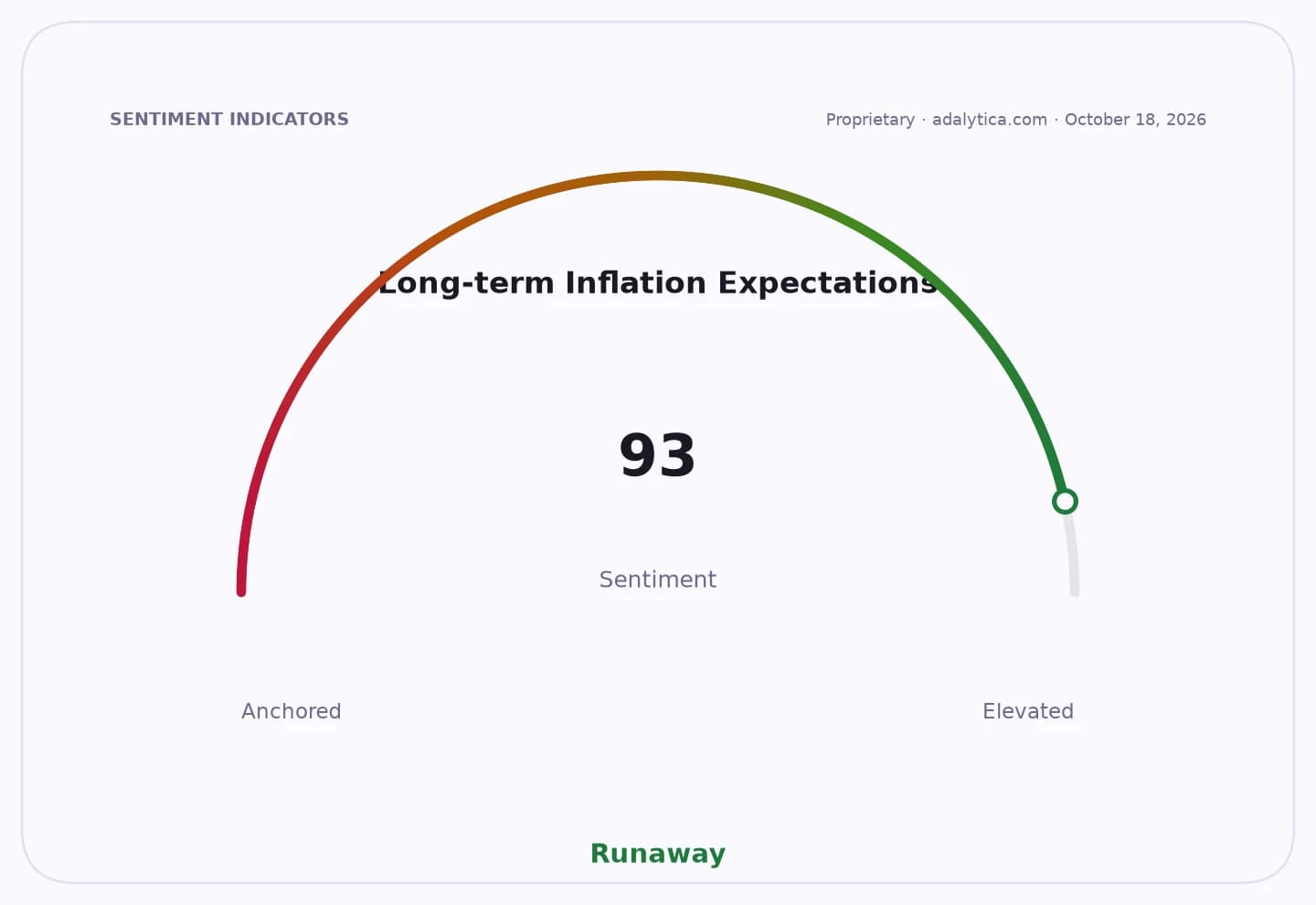
Türkiye’s economy is squeezing President Recep Tayyip Erdogan from two sides at once: stubbornly high inflation is keeping household pain front and center, while a widening investment-fund scandal is eroding trust in the ruling party ahead of the next presidential race.
Türkiye inflation and fund scandal pressure Erdogan
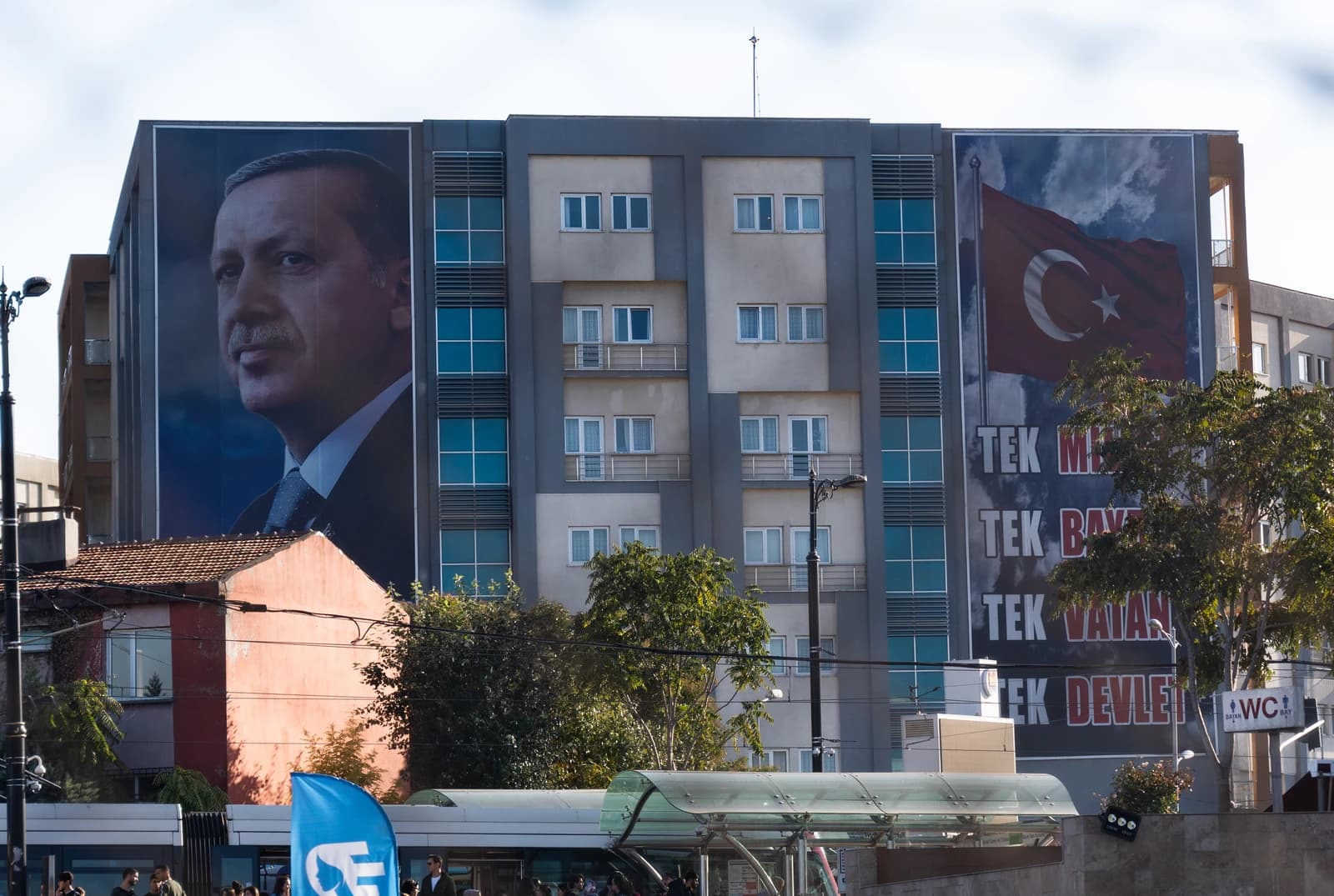
That combination matters because elections are often won or lost less on ideology than on daily life. When food, housing, power and transport keep eating into paychecks, voters notice. When a financial scandal is tied to people close to the governing party, they notice even more. For investors, the message is simple: political risk in Türkiye is rising just as the country is trying to convince markets that inflation can be tamed and the financial system kept stable.
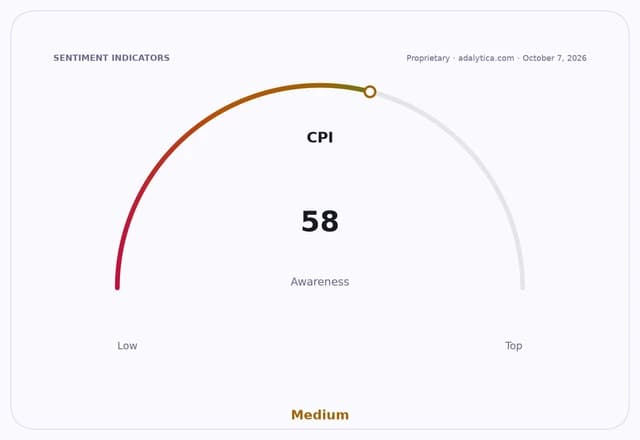
Sentiment IndicatorsⓘProprietary · adalytica.com · October 7, 2026
This is a snapshot — live sentiment, awareness and momentum for 130+ markets update continuously in the dashboard.Open AlphaPulse
Official data showed annual inflation slowed to 29.73% in September from 31.51% in August, but the drop did little to ease pressure on consumers. Rent, utilities and fuel remain the key problem areas, and the cost of living is still high enough to keep the central bank and government under strain. Independent estimates paint an even harsher picture, with one local group putting inflation far above the official rate, underlining how little room policymakers have to declare victory.
The political timing could hardly be worse for Erdogan. His government has been forced to respond to allegations of market manipulation and fund abuse that, according to local reporting, have drawn in 217 suspects and affected more than 450,000 investors. The case has been especially damaging because some of the names linked to it reportedly overlap with the ruling Justice and Development Party. That opens a second front for the opposition: not just the cost of living, but the credibility of the state’s oversight of money and markets.
Ankara has tried to contain the fallout by setting up a fund coordination board, speeding up the liquidation of troubled funds and promising repayment schedules for investors. It is also preparing changes to capital-markets law. Those steps may limit the immediate damage, but they do not erase the larger issue: confidence. In an inflationary economy, confidence is capital. Lose it, and households move out of funds, savers seek safety, and businesses become more cautious about investment and hiring.
That is why the scandal matters beyond the headlines. It risks doing real damage to growth prospects into 2026 by making investors more defensive just as Türkiye needs domestic capital to stay engaged. It also complicates Erdogan’s political pitch that his party can deliver both stability and prosperity. If the opposition can frame the episode as a test of state capture and weak oversight, the government’s usual anti-corruption argument becomes harder to sell.
For long-term investors, the takeaway is not to chase the noise, but to respect the risk. Türkiye still offers a large market and a dynamic corporate sector, yet persistent inflation, currency fragility and political fallout can easily overwhelm short-term optimism. Until inflation falls more convincingly and trust in market institutions improves, the country will remain a market for patience, selectivity and a wide margin of safety.
| Entity | Gains | Losses |
|---|---|---|
| Turkish consumers | ▲eventual anti-inflation relief | ▼current purchasing power |
| Erdogan and AKP | ▲if crisis is contained | ▼political credibility |
| Opposition parties | ▲attack line on corruption and oversight | ▼if scandal fades |
| Investors in Turkish funds | ▲repayment efforts and oversight reforms | ▼losses, uncertainty, trust |