Tourism has become a decisive profit engine for supermarkets in Greece, with more than 40% of year-to-August sales concentrated in the three summer months as holiday spending shifts away from bars and restaurants and into retail aisles.
Greek supermarkets get summer sales boost from tourism
That reordering of consumer behavior matters because it is no longer a niche seasonal bump. Circana’s analysis shows €3.18 billion, or 41% of the sector’s €7.82 billion in January-August revenue, was booked between June and August, forcing chains and suppliers to plan pricing, promotions and shelf space around the tourist season rather than treat it as a short-lived spike.
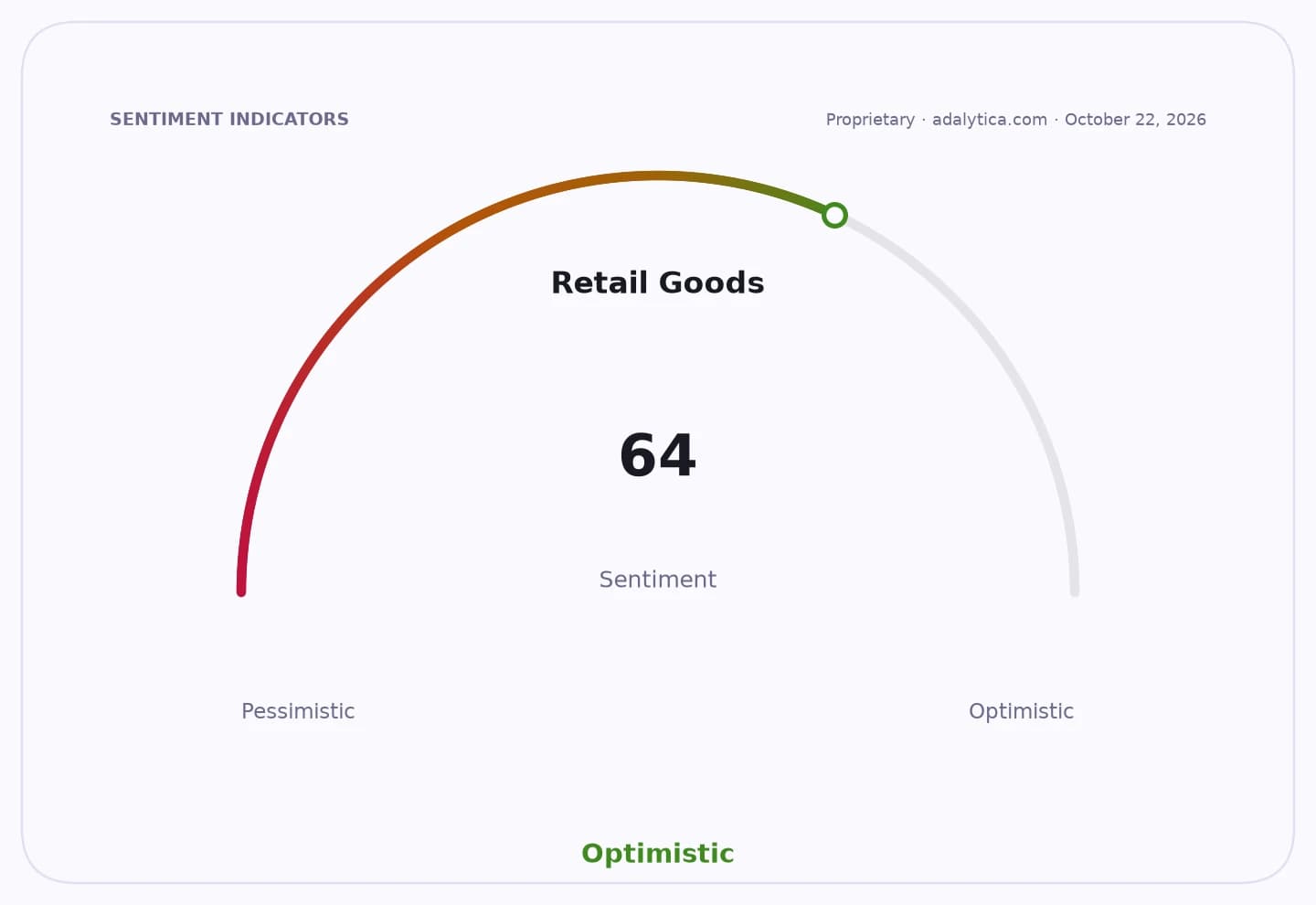
Sentiment IndicatorsⓘProprietary · adalytica.com · October 24, 2026
This is a snapshot — live sentiment, awareness and momentum for 130+ markets update continuously in the dashboard.Open AlphaPulse
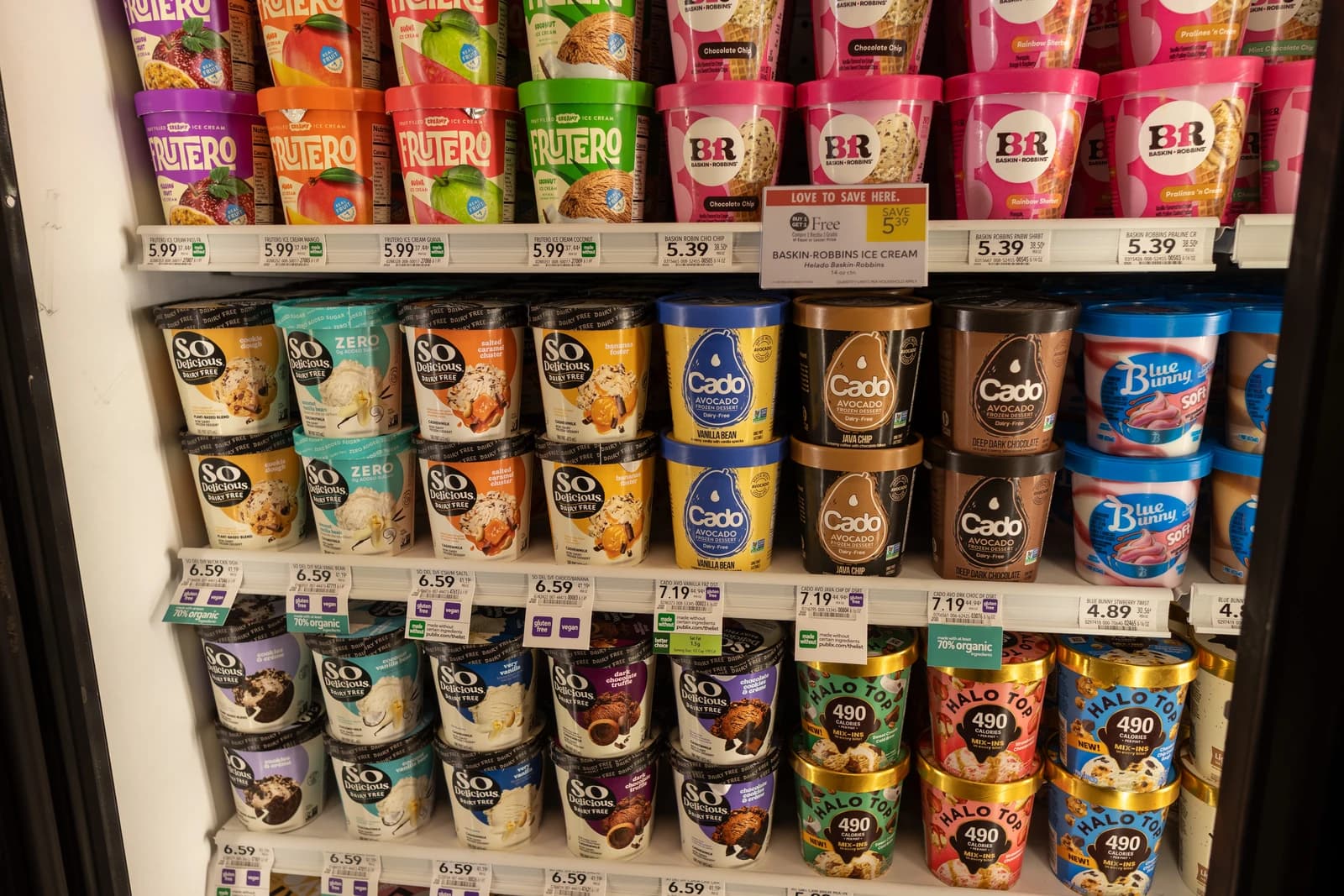
The biggest winners are products tied directly to the holiday economy: sunscreen generated 86% of its nine-month sales in the summer period, insecticides 78% and ice cream 76%. Alcohol is also benefiting from the shift in consumption to accommodations and summer homes, with 62% of supermarket tequila sales and 58% of beer sales falling in the June-August window. Ready-to-drink coffee, a smaller category in Greece, still saw €4.5 million in summer sales, equal to 66% of its January-August total.
The geographic split underlines how dependent the industry has become on visitor traffic. Supermarket sales grew 9.2% on the islands and 7.5% in Crete, well ahead of the 6.4% national rate, showing how tourism can lift local retail activity even when broader domestic demand is less buoyant. For chains with exposure to resort destinations, the summer months are no longer just a seasonal peak; they are a material part of annual earnings power.
For investors, that makes the category more attractive but also more exposed to the health of travel flows and tourist spending per capita. Food and household-goods suppliers with strong beach and island distribution can outperform, while operators reliant on urban footfall may lag. The recent picture is mixed: U.S. tourism has been showing weaker visitor numbers, and the Adalytica Consumer Spending Sentiment gauge sits in “Fear,” suggesting discretionary purchases can still cool quickly if holiday demand softens.
The bull case for supermarket chains is that tourism keeps stretching the revenue base into a larger share of the year and improves leverage on fixed costs. The bear case is that the model becomes increasingly dependent on a narrow summer window and on categories such as alcohol, snacks and personal care that can be volatile if inflation, weather or travel patterns shift.
The next test will be whether the summer surge proves durable into future seasons and whether chains can use tourist-heavy locations to defend margins through better assortment, stronger private label and tighter inventory management.
| Entity | Gains | Losses |
|---|---|---|
| Supermarket chains in tourist areas | ▲Higher summer sales | ▼Greater seasonality risk |
| Sunscreen, ice cream, alcohol suppliers | ▲Peak seasonal demand | ▼Off-season volume weakness |
| Island retailers and Crete stores | ▲Above-average growth | ▼Urban chains with less tourist traffic |
| Restaurants and bars | ▲None | ▼Some spending shifted to supermarkets |