Expedia Group’s latest travel outlook points to a tourism market that is shifting away from generic sun-and-sand vacations and toward trips built around personal interests, entertainment and more controlled, less crowded experiences.
Expedia survey shows travel shift to experiences
That matters economically because travel demand is not just changing in where people go, but in what they are willing to pay for once they get there. Expedia’s Unpack ’27 report suggests consumers are looking for bookable experiences, themed stays and destinations that feel curated rather than mass-market, a shift that can support margins for online travel agencies, hotels and experience providers that can package those offerings efficiently.
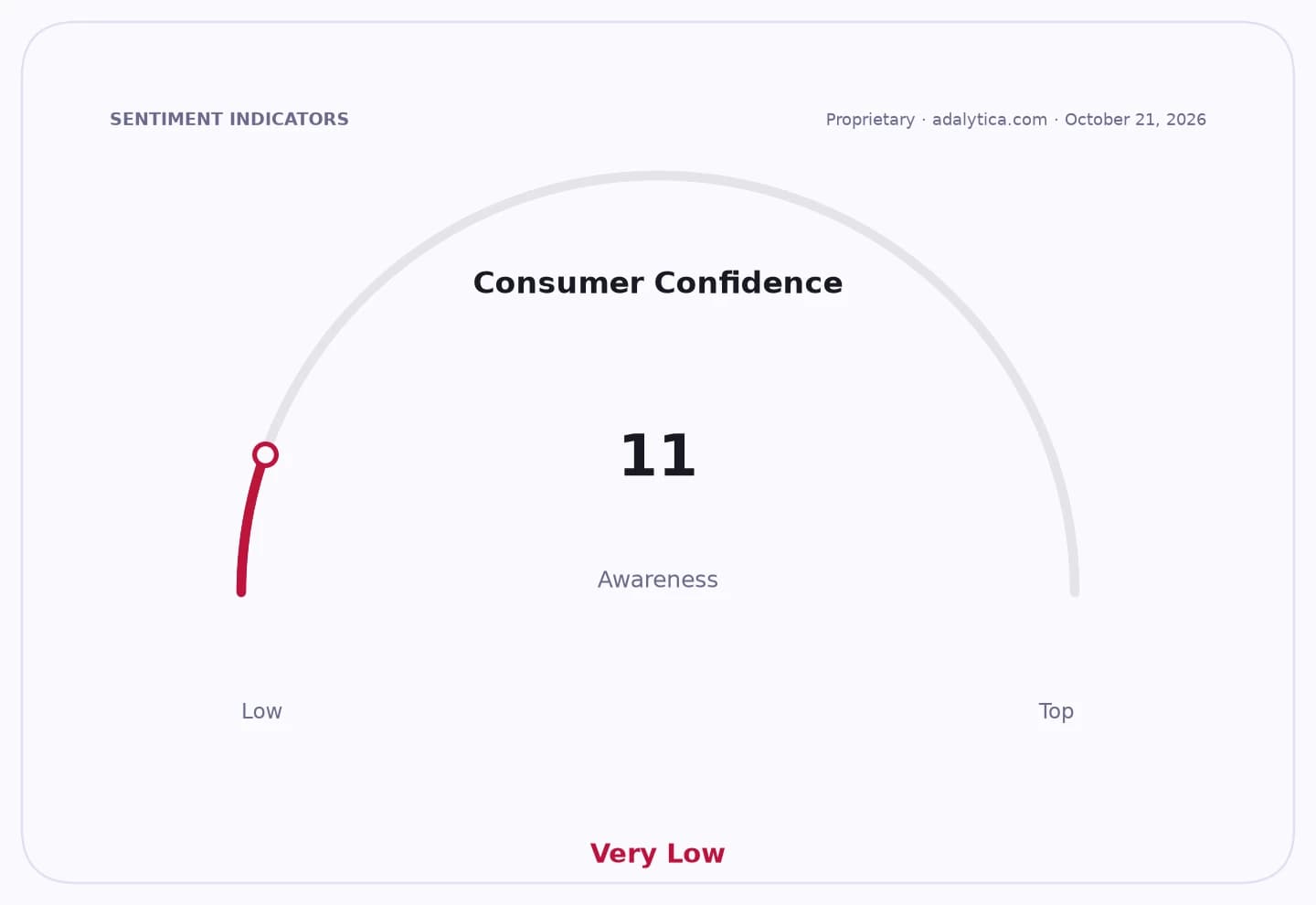
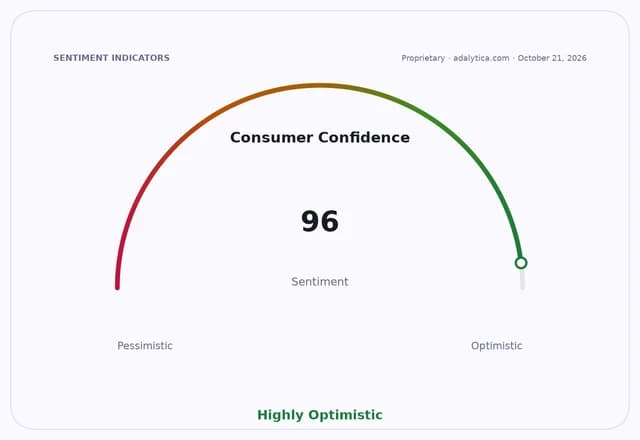
Sentiment IndicatorsⓘProprietary · adalytica.com · October 21, 2026
This is a snapshot — live sentiment, awareness and momentum for 130+ markets update continuously in the dashboard.Open AlphaPulse
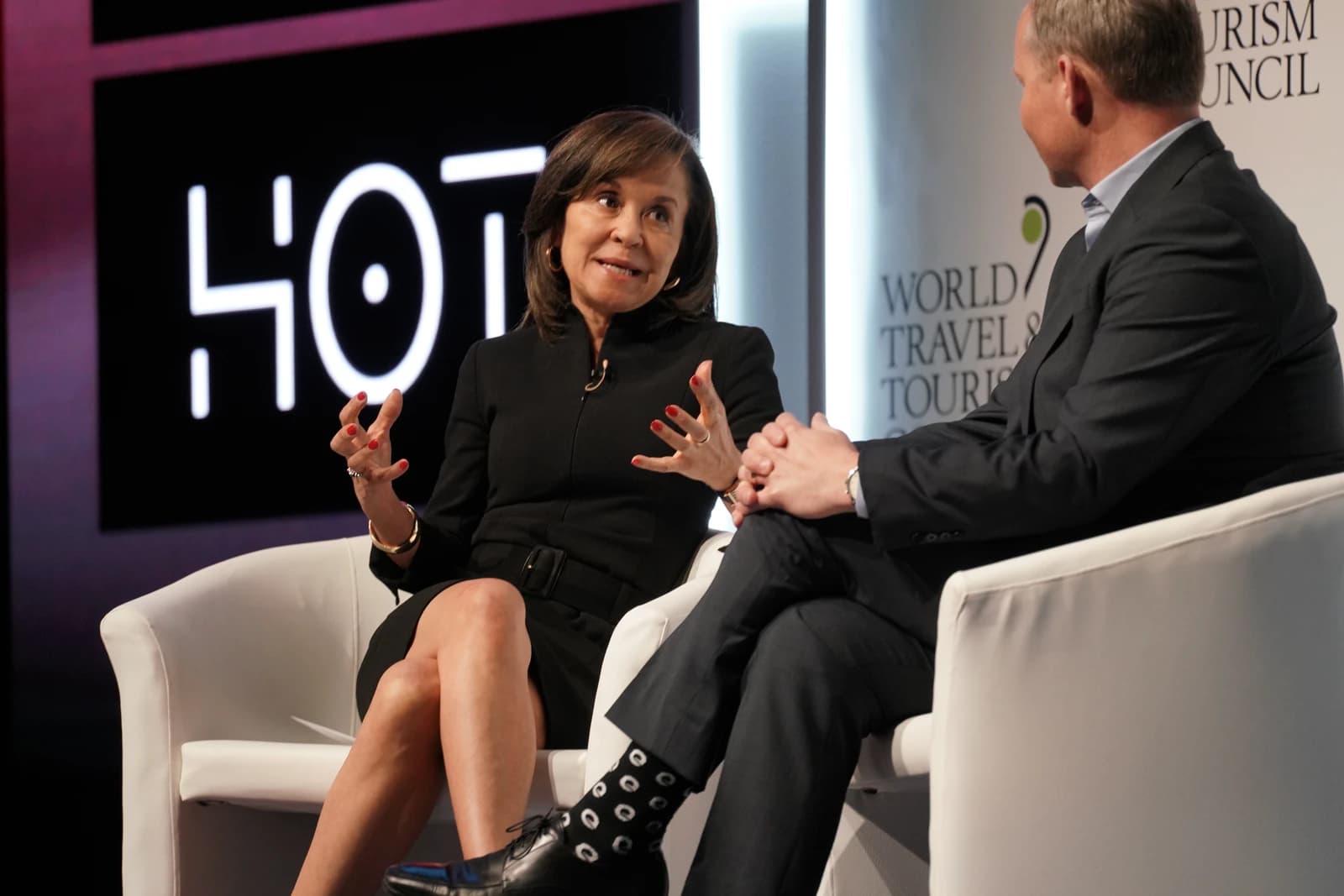
The report, based on search data from Expedia platforms, digital conversation analysis and a survey of 26,000 adults across 16 countries, identifies seven themes for 2027. Among them are emerging destinations, adult-oriented “recreo” trips, and set-jetting, or travel inspired by film and television. Expedia said the trends reflect travelers becoming “more intentional” about their next trip, according to Chief Executive Ariane Gorin.
Holbox in Mexico’s Quintana Roo state was among the biggest winners in Expedia searches, with interest up 45% year on year. Other fast-rising destinations included South Lake Tahoe in California, up 195%, Hyogo in Japan, up 95% and Punta del Este in Uruguay, up 65%. Expedia said these were search gains, not forecasts of arrivals, but the pattern still matters: search behavior often leads booking behavior and can be an early indicator of where travel demand is heading.
The clearest commercial opportunity may lie in the report’s “recreo” theme, which captures adults seeking nostalgic, low-obligation leisure trips. In Mexico, 87% of surveyed travelers said they would book adult-only theme park getaways, up 71% from a year earlier. Globally, 57% said they would likely book such a trip in 2027, rising to 71% among Gen Z and millennials. That is a meaningful signal for operators that can bundle lodging, attractions and packages, especially because 95% said the ability to reserve attractions, activities or experiences is a key factor in destination choice.
Set-jetting remains another important demand driver. In Mexico, 62% of respondents said they had researched a destination after seeing it on screen, 50% considered booking and 25% actually booked. Paris remains the standout destination tied to screen tourism, while Monaco saw searches jump more than 120% after the new season of Emily in Paris was announced. For destinations and suppliers, that means entertainment tie-ins can translate into measurable traffic, while for travelers it shows that inspiration increasingly comes from content rather than brochures or traditional brand marketing.
For Expedia, Booking Holdings and hotel groups such as Marriott, the trend is strategically important because it rewards platforms that can surface activities, alternative accommodations and differentiated stays. Expedia’s own business model benefits when travelers want more than a room night and when they are willing to browse for experiences, not just prices. Booking, which has also highlighted the growth of alternative accommodation, faces the same broader consumer shift toward variety and personalization.
The bull case for travel suppliers is that these trends can lift ancillary spending and support pricing in niche destinations. The bear case is that many of the search spikes are still behavior rather than revenue, and that consumers faced with weaker discretionary budgets could keep liking the idea of curated travel without fully paying up for it. Investors will be watching whether these preferences convert into higher booking volumes, stronger attachment rates for experiences and better revenue per trip.
In the near term, the market will be looking for confirmation that the 2027 themes are showing up in booking data, hotel mix and experience sales. If they do, the winners are likely to be the online travel platforms and destinations that can turn cultural trends into frictionless, bookable product. If not, the report may prove to be a useful map of consumer aspiration rather than a reliable guide to actual spending.
| Entity | Gains | Losses |
|---|---|---|
| Expedia Group | ▲More experience-led bookings | ▼Commodity-only travel demand |
| Booking and hotel chains | ▲Higher ancillary spend | ▼Undifferentiated properties |
| Emerging destinations | ▲More search traffic | ▼Traditional mass-market resorts |