Palladium Hotel Group is leaning more heavily on U.S. travelers as demand and pricing power strengthen across its resort and city-hotel portfolio, a shift that matters because American visitors are now delivering a larger share of revenue rather than just room nights.
Palladium Hotel Group lifts rates on U.S. demand
For the Spanish operator, the U.S. is its leading source market in the Americas, its third-largest in Europe and its second-largest in Spain, making it one of the company’s most important demand engines across regions. In the Americas, U.S. guests account for about 30% of business and their average daily rate has risen 4% year over year, while in Spain demand from the market increased 6% and ADR rose 5% year to date. In the Balearic Islands, ADR from U.S. travelers climbed 13% from a year earlier.
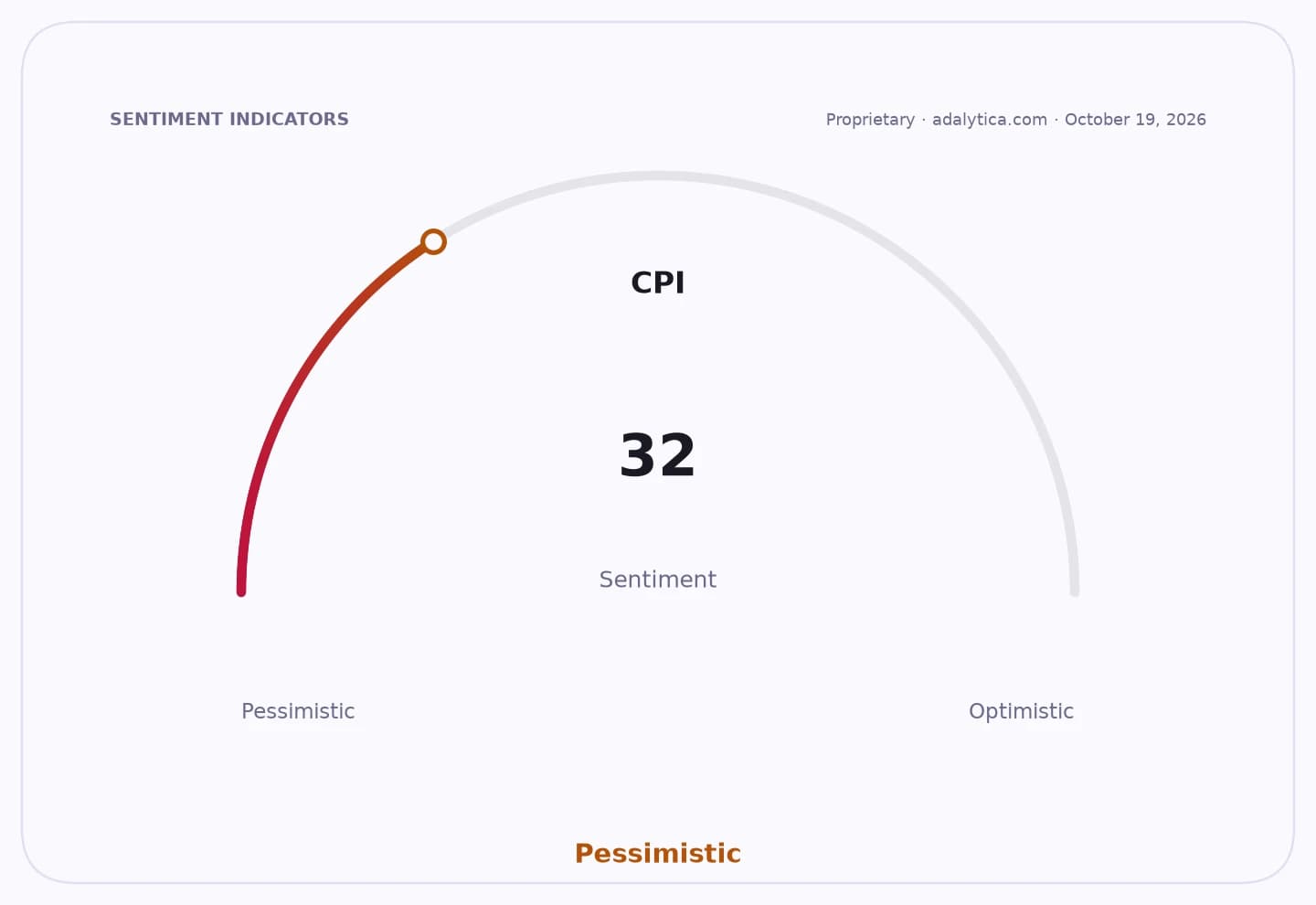
Sentiment IndicatorsⓘProprietary · adalytica.com · October 21, 2026
This is a snapshot — live sentiment, awareness and momentum for 130+ markets update continuously in the dashboard.Open AlphaPulse
That is economically significant because it suggests premium U.S. demand is supporting revenue per available room at a time when hotel operators are trying to protect margins through higher rates rather than just fuller occupancy. Palladium’s U.S. guests stay about five nights on average, roughly in line with the broader market, but the mix is tilting toward higher-value experiences, including luxury, lifestyle and premium all-inclusive stays. In practical terms, that is better for pricing power than chasing volume alone.
The trend also fits a broader shift in transatlantic travel: visitors from the U.S. are spending more in Spain even as arrivals grow. TurEspaña says U.S. arrivals to Spain rose 9.5% in the first half of 2026, while tourism spending climbed 17.6% to €5.85 billion. For hotel groups, that combination is more valuable than simple traffic growth because it supports both occupancy and room-rate expansion.
Palladium’s positioning is designed to capture that spend. Its Americas portfolio spans Mexico, the Dominican Republic, Jamaica and Brazil, where all-inclusive concepts under Grand Palladium Hotels & Resorts and TRS Hotels are benefiting from rising North American interest in packaged vacations. Skift research cited by the company shows 87% of U.S. and Canadian travelers have considered an all-inclusive resort, while nearly six in 10 say they are more likely to choose one now than five years ago. That preference helps explain why premium all-inclusive models are taking share, especially among travelers seeking convenience, wellness and personalization.
Spain is also becoming a bigger test case for Palladium’s strategy. The company is investing more than €90 million in The Site Ibiza, a cluster of luxury and lifestyle offerings that includes BLESS Ibiza The Site and The Unexpected Ibiza Hotel, while adding restaurant and entertainment concepts such as Europe’s first Gordon Ramsay Hell’s Kitchen at the property. The bet is that affluent U.S. travelers will pay for differentiated experiences, not just beds.
The group is also preparing to enter the U.S. market with Only YOU Hotel New York, extending a brand that already trades on design, gastronomy and local character. That move matters because it gives Palladium a direct foothold in the world’s deepest hotel market and may help it turn U.S. demand from a source-market tailwind into a broader business platform.
For investors, the key issue is whether Palladium can keep turning strong U.S. demand into sustainable rate growth without overreaching on capital spending. The bull case is that premium all-inclusive demand and affluent transatlantic travel continue to support higher ADRs in the Americas and Spain. The bear case is that the current appetite for luxury leisure cools if consumer spending weakens or if higher-cost new projects take longer to earn back their investment.
Palladium’s message is clear: the U.S. traveler is no longer just filling rooms across its portfolio, but is increasingly shaping where the company can push rates, invest and expand.
| Entity | Gains | Losses |
|---|---|---|
| Palladium Hotel Group | ▲Higher ADR and premium mix | ▼Greater capital outlay |
| U.S. travelers | ▲More luxury options | ▼Higher room rates |
| Rivals in Spain and the Caribbean | ▲— | ▼More competition for affluent guests |
| Investors | ▲Better revenue quality | ▼Risk of slower payback on expansion |