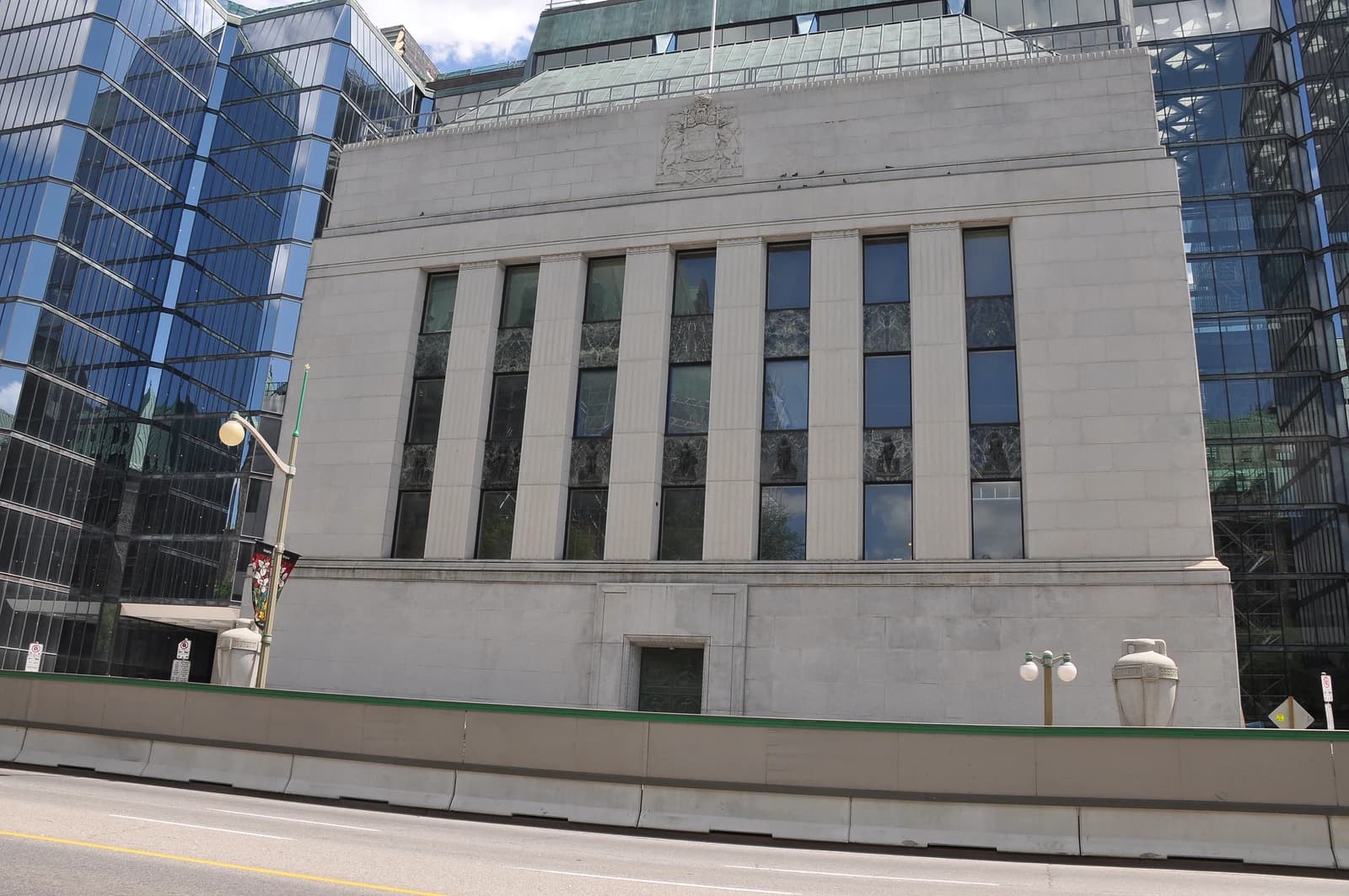
Canadian retirees and second-home owners are still heading to Florida, showing that the pull of sunshine, convenience and long-established travel habits can outweigh a weaker loonie — at least for now.
Florida Travel Demand Holds Despite Weak Canadian Dollar
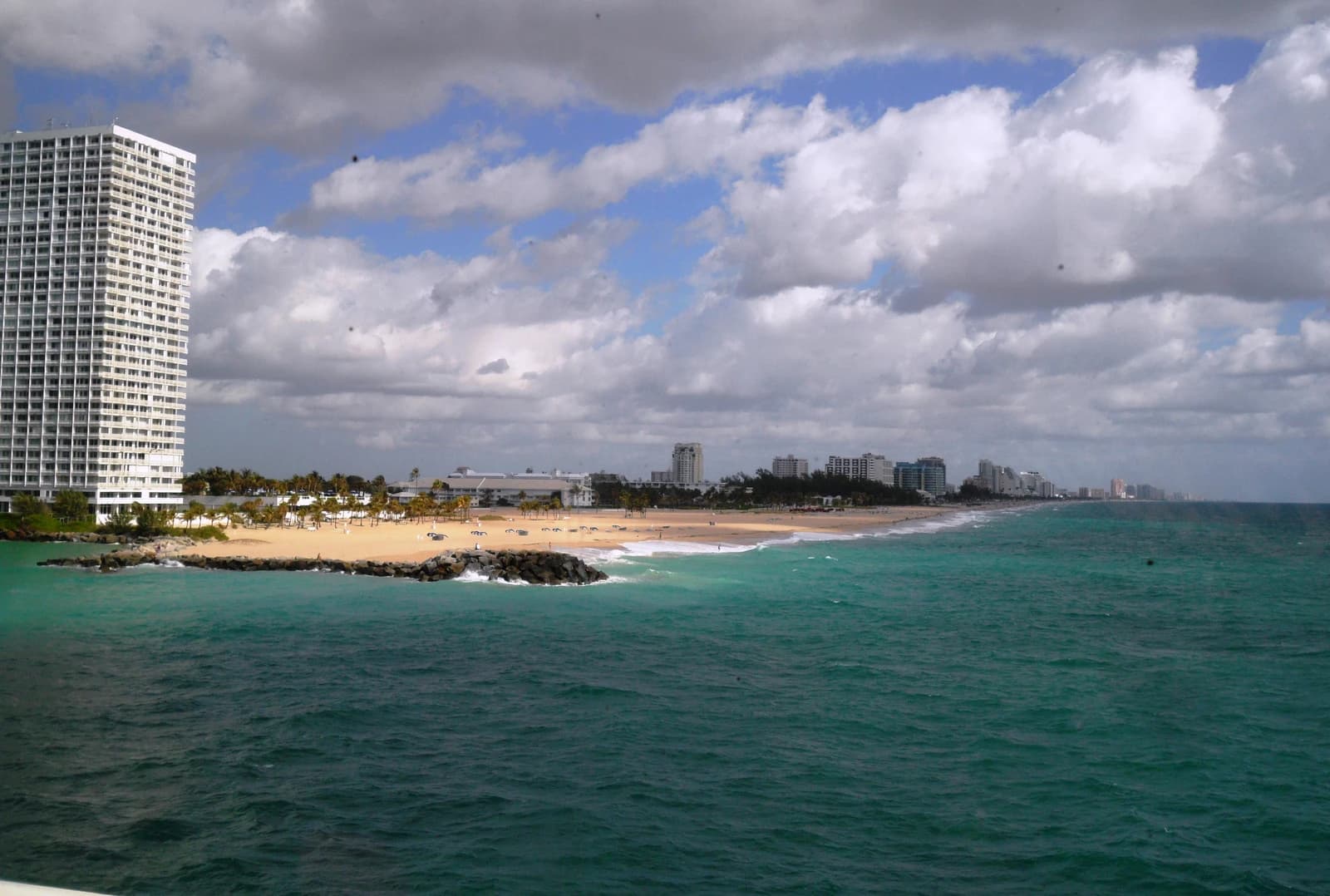
That matters because winter travel from Canada is a steady source of demand for Florida’s hotels, resorts, airlines and vacation rentals, even when exchange rates make every beachside meal and condo stay more expensive in Canadian dollars. The dollar story is not just about currency charts; it is about whether consumers pull back on discretionary cross-border spending when their buying power erodes.
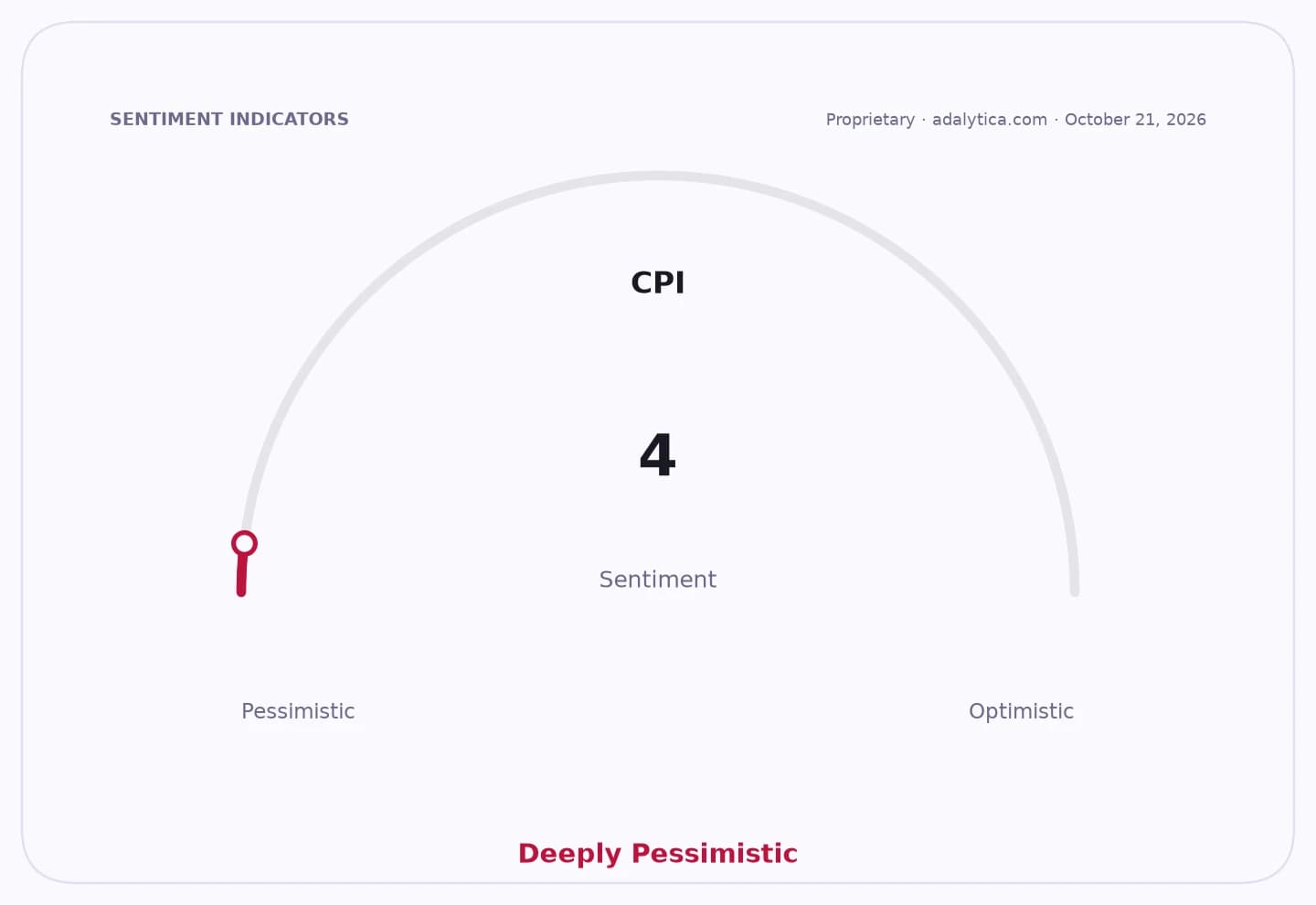
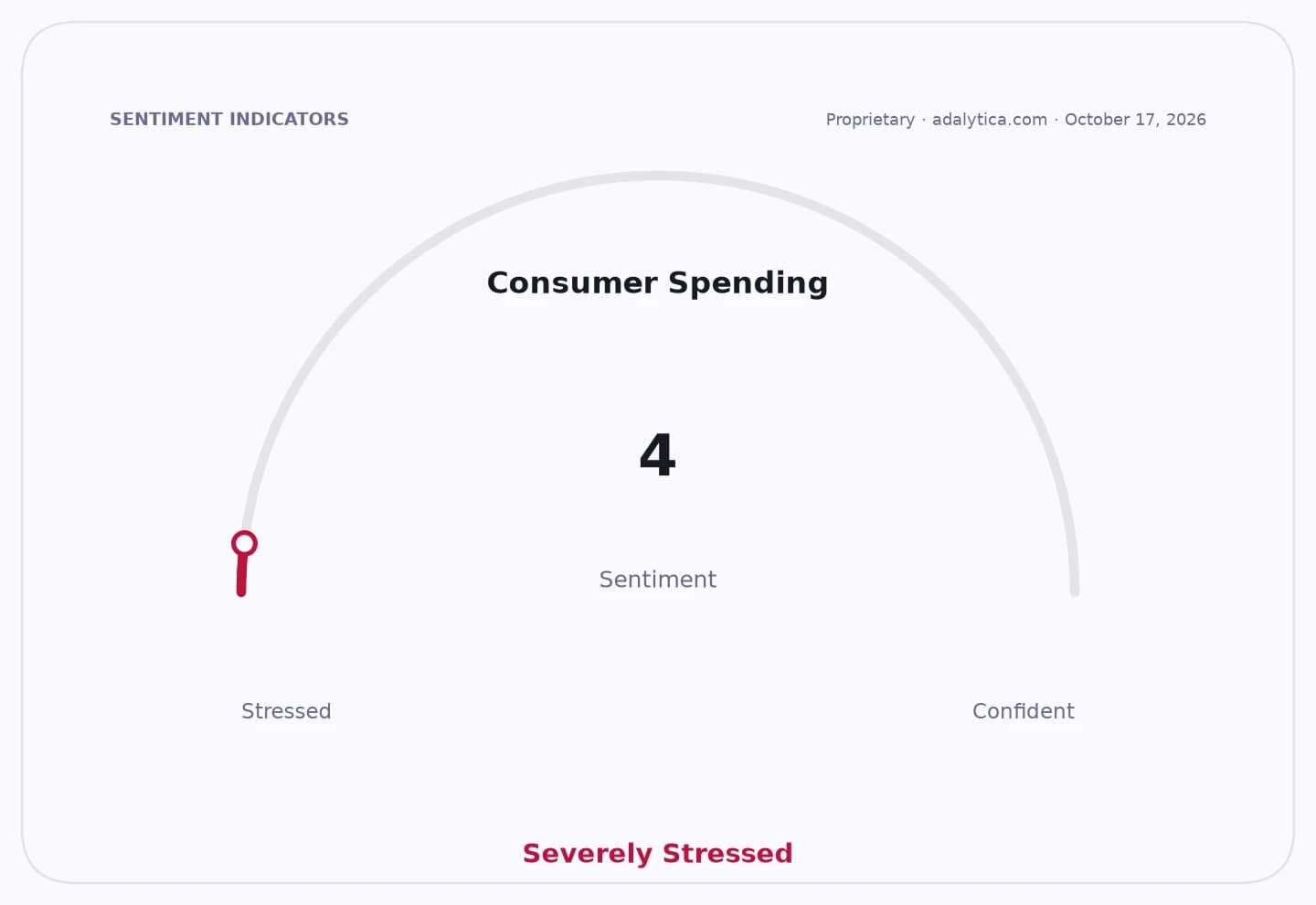
Sentiment IndicatorsⓘProprietary · adalytica.com · October 20, 2026
This is a snapshot — live sentiment, awareness and momentum for 130+ markets update continuously in the dashboard.Open AlphaPulse
So far, the answer appears to be no. Marriott International, Hilton and Airbnb have all held up well, with shares trading above their long-term trend lines and Marriott recently pushing to new highs, a sign that investors still see durable travel demand. Hilton, in particular, has climbed well above both its 50-day and 200-day moving averages, while Airbnb has recovered sharply from earlier weakness, suggesting the market is still willing to pay for the businesses that capture leisure travel and short stays.
The broader macro backdrop helps explain why. U.S. rates remain elevated, with the 10-year Treasury yield around 5%, and inflation is still running hot enough to keep travel costs sticky. At the same time, the Canadian dollar is under pressure, but not to the point where it has broken the snowbird habit. For many travelers, the annual Florida trip is less a luxury than a ritual — one they will protect before cutting back on bigger-ticket items.
That said, the currency squeeze is still real. A weaker Canadian dollar trims purchasing power, and if it persists, travelers may shift toward shorter stays, cheaper accommodations or more budget-conscious bookings. Operators that can offer loyalty perks, flexible pricing and strong brand recognition are best placed to keep capturing those trips.
For investors, the key takeaway is that Florida’s winter travel economy still has resilience, and the companies exposed to it can keep compounding as long as demand holds. The loonie may be weak, but the snowbird trade remains a meaningful tailwind to watch.
| Entity | Gains | Losses |
|---|---|---|
| Florida hotels and resorts | ▲Steady winter demand | ▼Pricing power pressure |
| Marriott and Hilton | ▲Occupancy and revenue growth | ▼If Canadians trade down |
| Airbnb hosts in Florida | ▲More seasonal bookings | ▼Higher price-sensitive cancellations |
| Canadian snowbirds | ▲Sunshine and routine | ▼Weaker buying power |