Families across Italy are about to feel a bigger bite from winter bills, with the average cost of heating a home seen rising 26% from a year earlier to about 1,016 euros, even before the coldest part of the season sets in.
Italy Heating Bills Seen Rising 26% This Winter
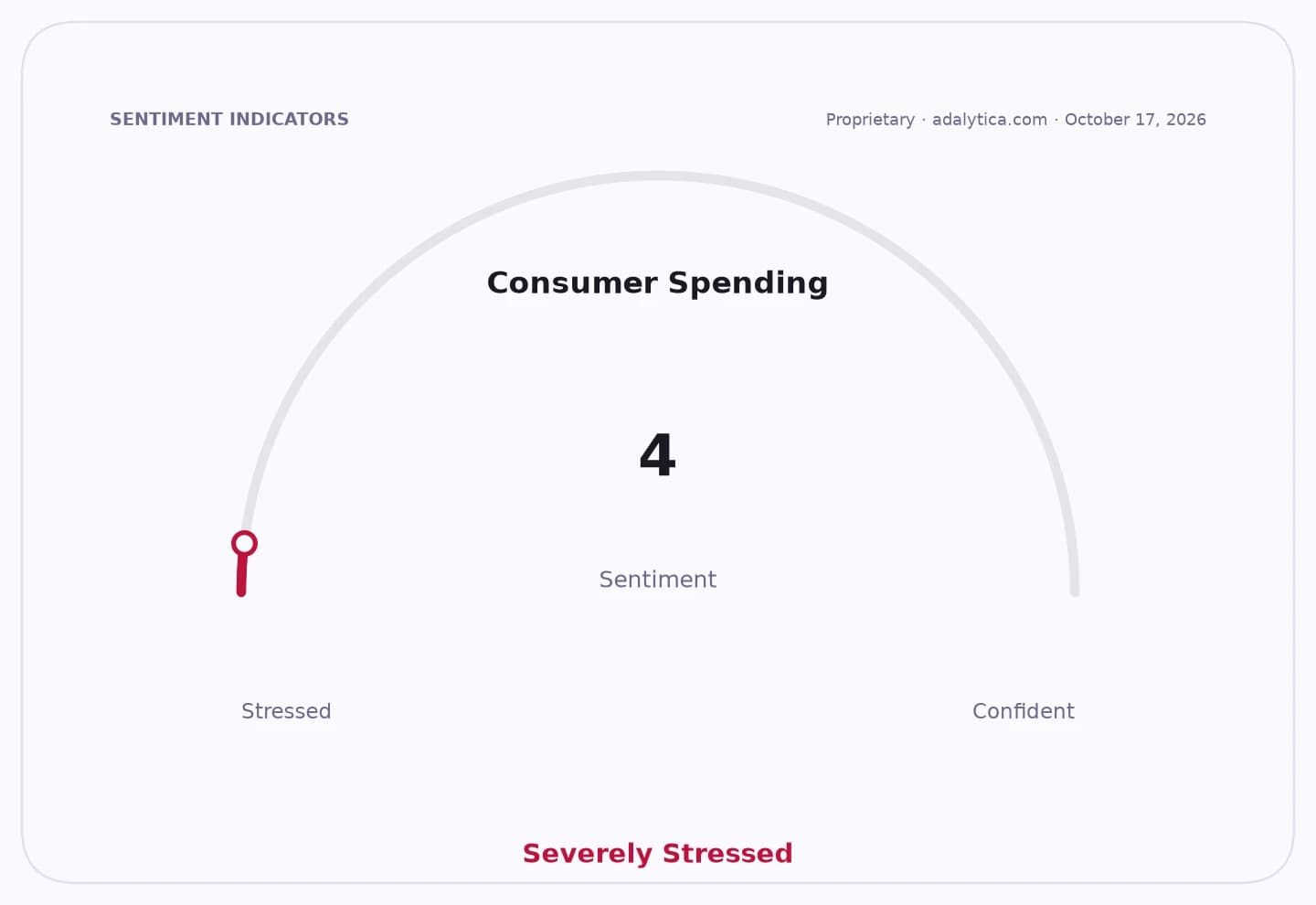
That matters because heating is not a discretionary expense. When utility bills rise, households have less room for everything else, from groceries to travel to small purchases, and that feeds straight into consumer spending across the economy. In a country where the timing of radiator use is tightly regulated by climate zone, the start of the heating season is also a reminder that energy costs are still a live inflation issue, not just a household nuisance.
Sentiment IndicatorsⓘProprietary · adalytica.com · October 17, 2026
This is a snapshot — live sentiment, awareness and momentum for 130+ markets update continuously in the dashboard.Open AlphaPulse
Italy’s rules allow heating to begin as early as Oct. 15 in the colder climate zones, including Milan and Turin in Zone E, while Rome and much of Lazio must wait until Nov. 1 and Naples and other southern cities until mid-November. The framework, set under Dpr 74/2013, limits daily operating hours as well, with the coldest cities allowed up to 14 hours a day and warmer areas far less. Emilia-Romagna has even pushed back the start in several municipalities to Nov. 1 for the 2026-2027 season, showing how local authorities are still trying to curb consumption.
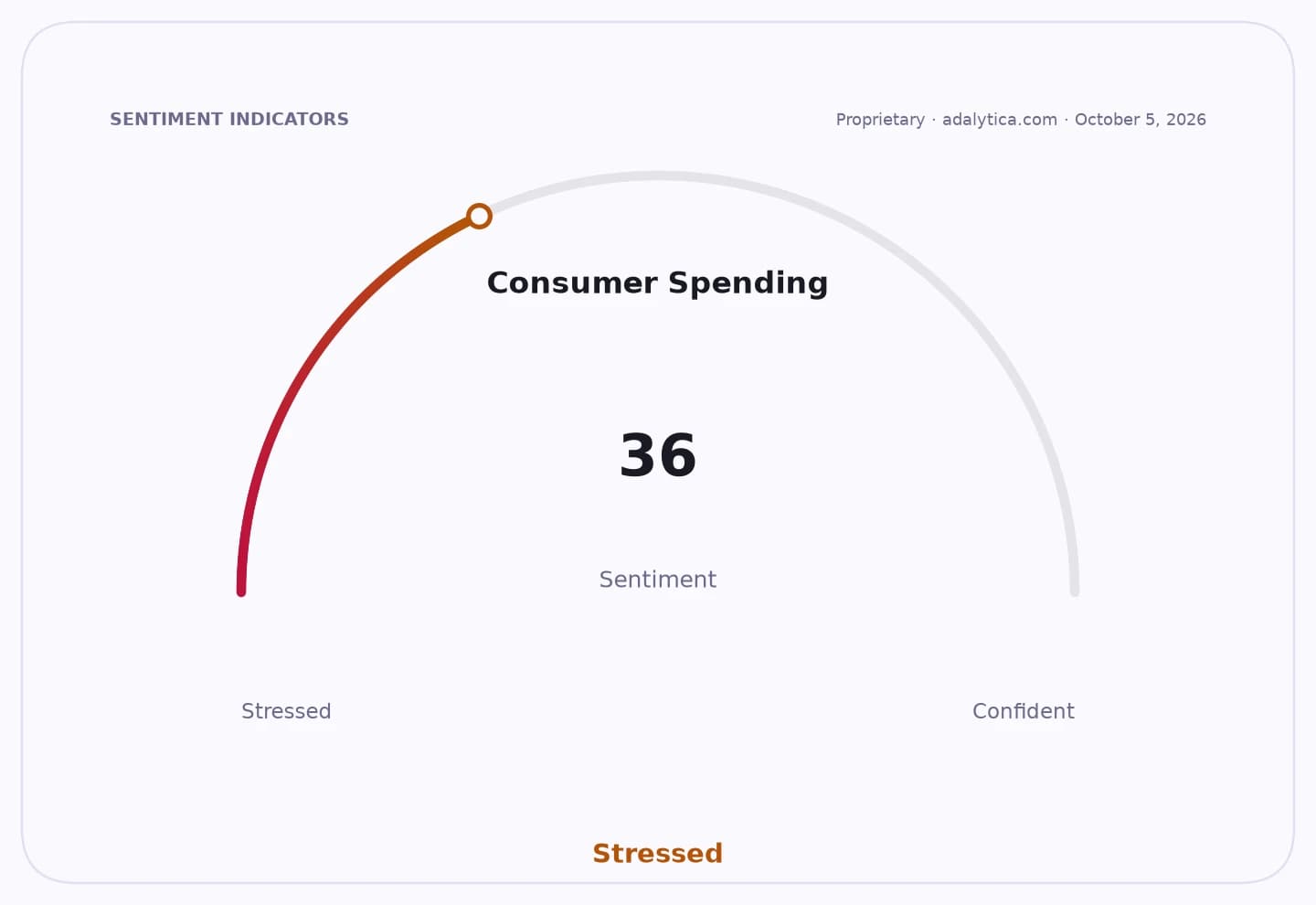
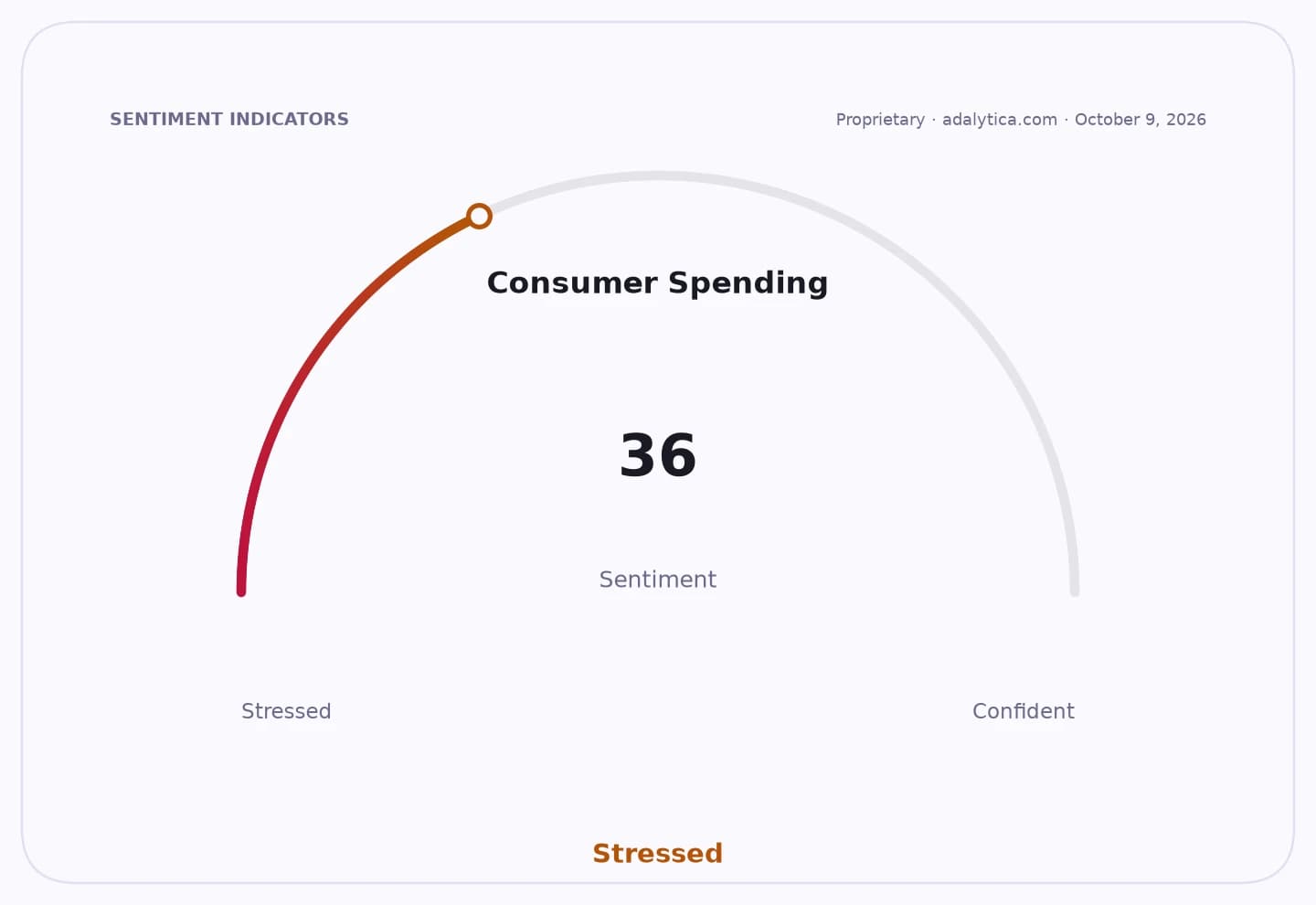
The bigger economic point is simple: energy inflation is squeezing real household budgets just as colder weather returns. Facile.it’s estimate implies that even if consumption does not change, families are paying materially more to stay warm. That kind of pressure tends to weigh on discretionary demand and reinforces the cautious mood already visible in consumer sentiment gauges. Adalytica’s Consumer Confidence Recession sentiment is deep in “Extreme Fear,” while spending sentiment for retail goods is flashing “Extreme Greed,” an uncomfortable mix that suggests households may keep prioritizing essentials over everything else.
For investors, the implication is not just that utilities and gas suppliers matter more in winter. Higher heating bills can ripple into retail, consumer services and broader domestic demand, especially in markets where households are already sensitive to price changes. The companies that help consumers cut bills, whether through thermostats, insulation, smart controls or energy-efficient appliances, may also find a more receptive audience. So may suppliers of gas and other lower-cost heating fuels versus electricity-heavy alternatives, which the Serbian energy agency similarly described as the most expensive option as heating season begins.
The practical advice from Facile.it also points to where value is going to be created this winter: lower-consumption equipment, better controls and cheaper tariffs. The firm says switching from the least favorable offer to the best available one could cut costs by as much as 27%, while lowering the thermostat by just one degree can save nearly 95 euros a year. That is not just housekeeping; for long-term investors, it is a sign that efficiency remains a powerful theme whenever energy prices stay sticky.
The takeaway for households is to treat the coming heating season like a budgeting stress test. For investors, it is worth watching whether elevated utility costs continue to pressure consumer spending while supporting businesses tied to efficiency and cost control. In uncertain times, the winning strategy is often not to guess the weather, but to own the companies that help people deal with it.
| Entity | Gains | Losses |
|---|---|---|
| Efficient heating and smart-control firms | ▲Higher demand | ▼ |
| Gas and low-cost fuel users | ▲Lower heating bills | ▼Electricity-heavy users |
| Italian households | ▲Better budgeting from savings | ▼Higher winter utility bills |
| Discretionary retailers | ▲ | ▼Softer consumer spending |