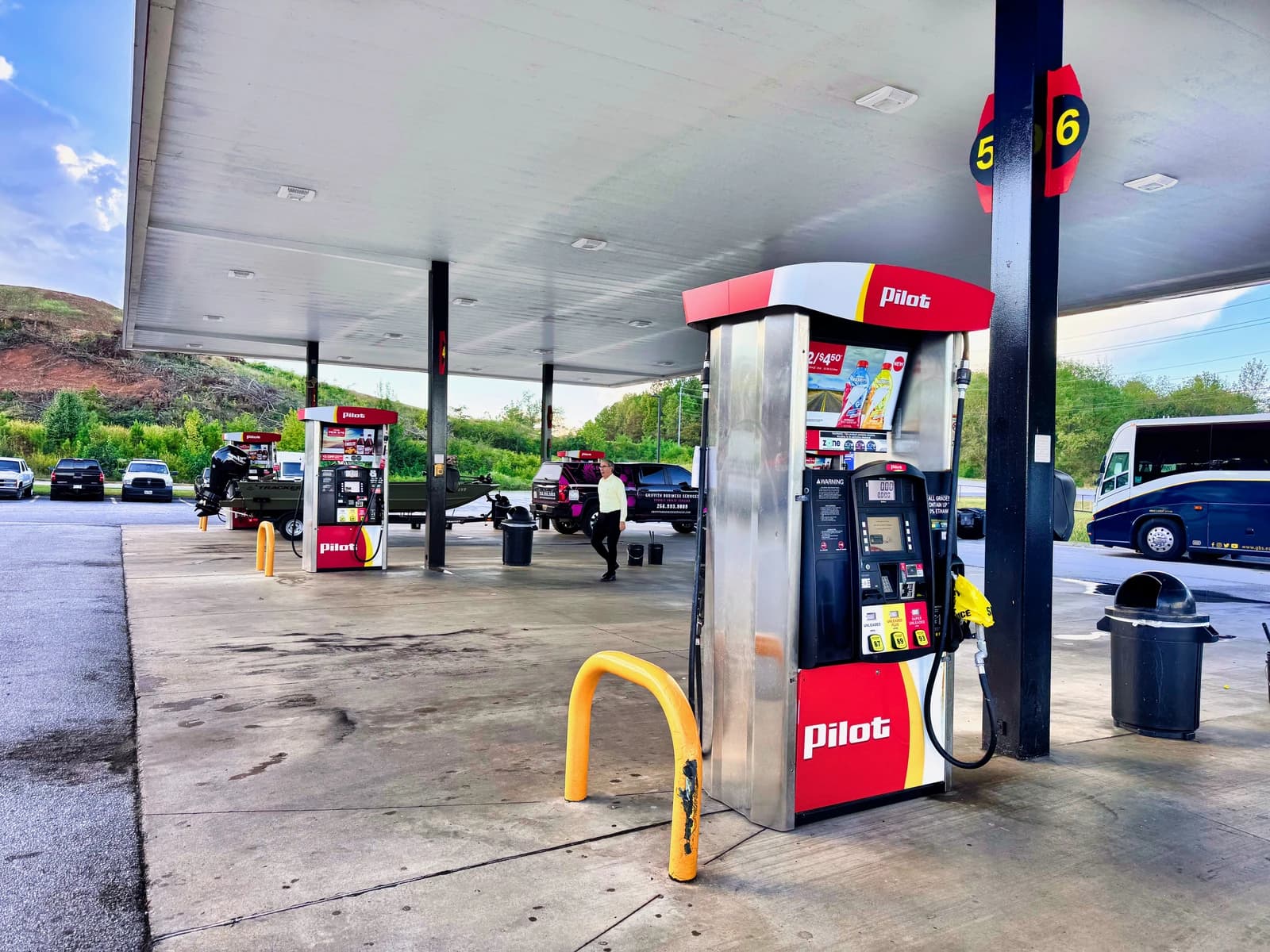
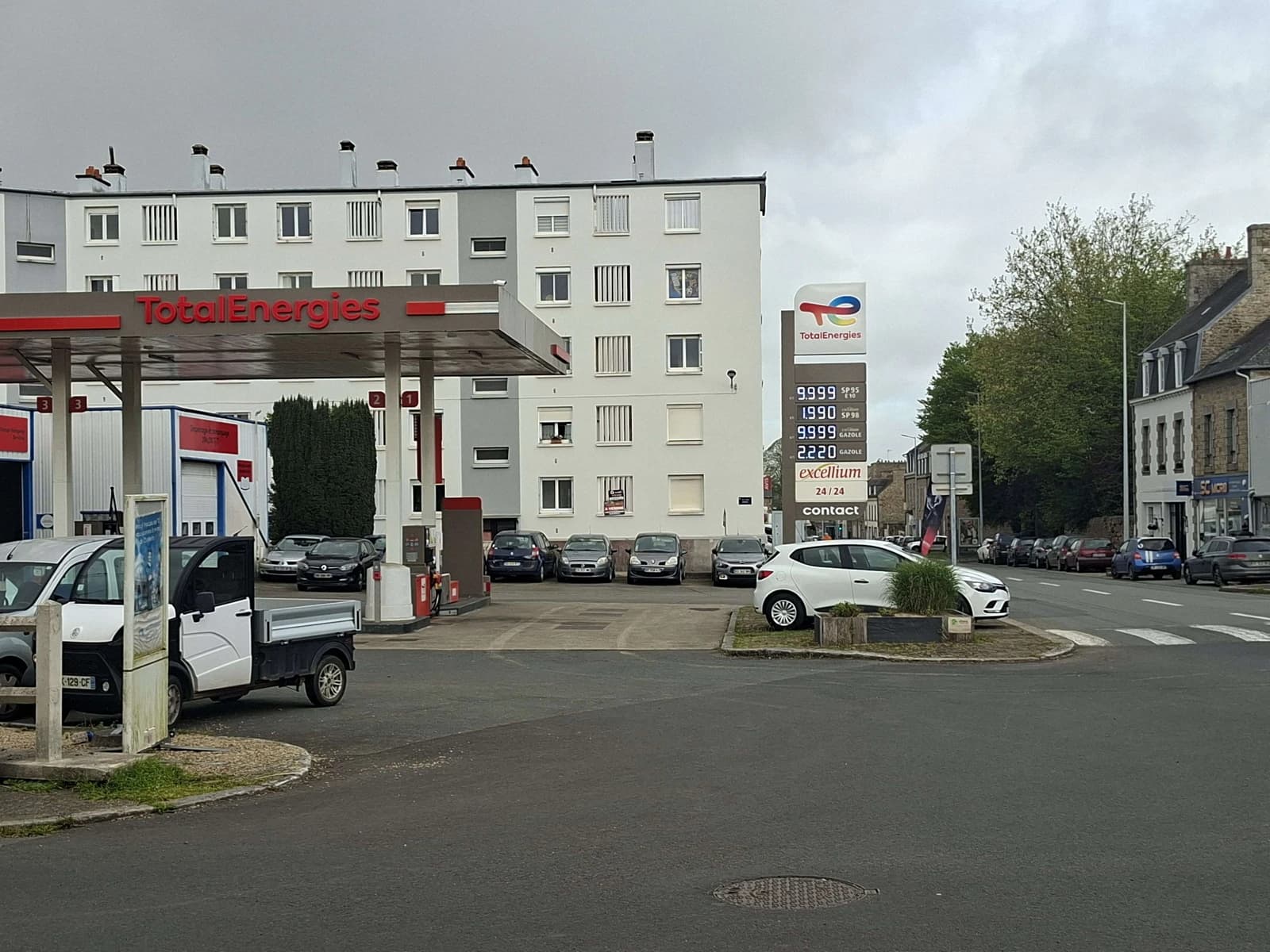
Greece’s cost-of-living squeeze intensified in September as heating fuel and transport prices pushed inflation back to 5.0%, with one household example showing a tank that cost 1,000 euros a year ago now requiring about 1,530 euros to fill.
Greece inflation rises to 5.0% on fuel costs
The jump matters because it is being driven by essentials households cannot easily avoid. Housing costs rose 14.7% on the year and transport 11.3%, accounting for almost all of the inflation increase, while electricity was up 15%, rental costs 5.9% and home repairs 5.3%. For a country entering the heating season, that mix is likely to keep disposable income under pressure and reduce room for consumer spending elsewhere.
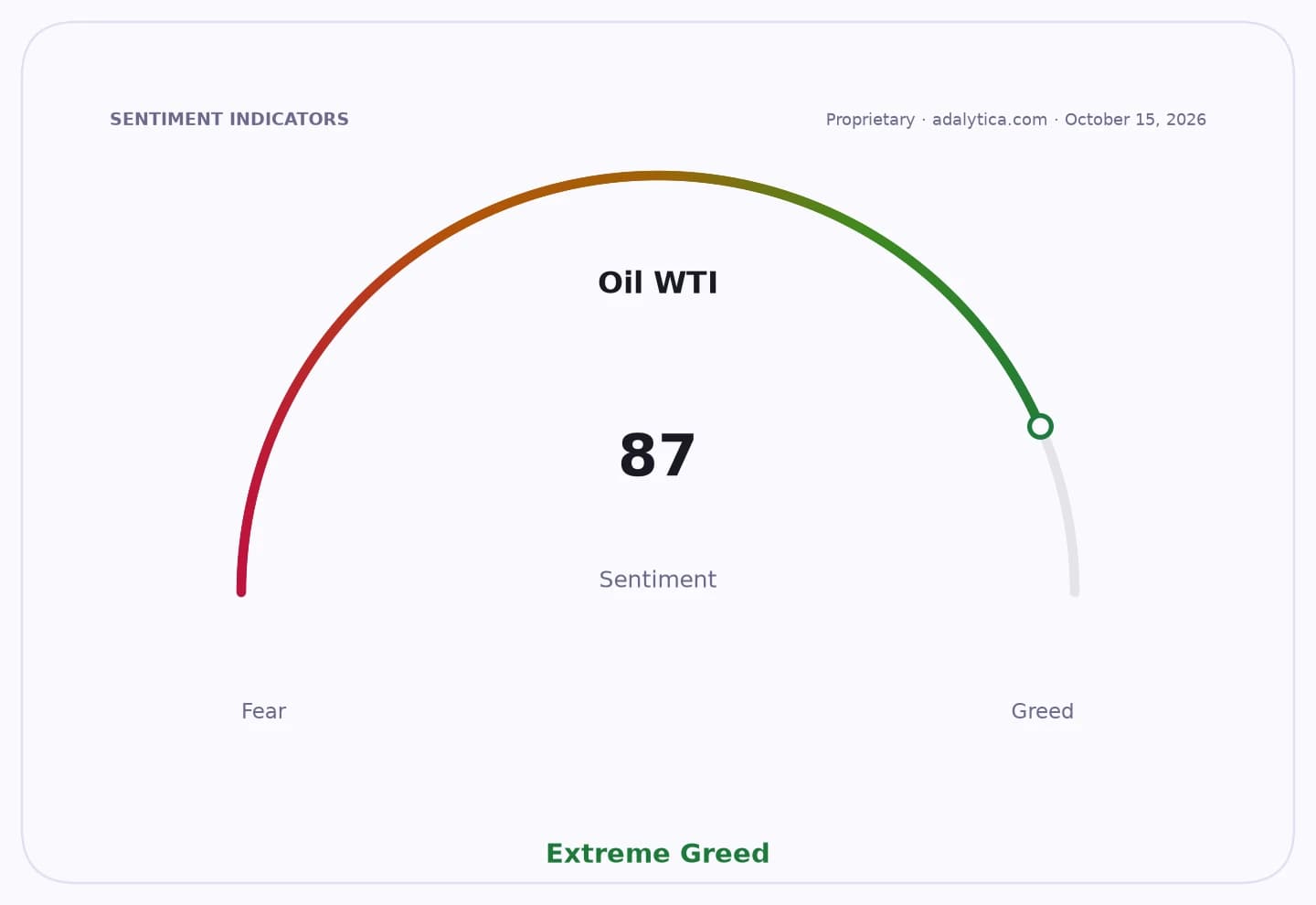
Sentiment IndicatorsⓘProprietary · adalytica.com · October 15, 2026
This is a snapshot — live sentiment, awareness and momentum for 130+ markets update continuously in the dashboard.Open AlphaPulse
Energy is the clearest transmission channel from global oil markets into Greek prices. Heating oil was 53.2% more expensive than a year earlier, natural gas 55.2% higher, gasoline 22.5% higher and diesel 38.8% higher. A monthly rise in gas of 9%, gasoline of 6.8%, diesel of 5.9% and power of 5% shows the inflation impulse is still building rather than fading. Brent briefly climbed above $105 a barrel after fresh attacks on tankers and disruptions in the Strait of Hormuz, reinforcing the risk that imported fuel costs remain elevated even if broader demand is softening.
The macro backdrop is also uncomfortable for policymakers. Greece’s annual inflation rate accelerated from 3.8% in August to 5.0% in September, well above the eurozone estimate of 3.8%. On the European measure, Greek consumer prices were up 5.1% from a year earlier. That gap underlines how exposed Greece is to energy shocks, given the weight of heating, electricity and transport in household budgets.
The pressure is visible at the pump as well as at the tank. The state price observatory showed petrol above the national average in four of five Peloponnese prefectures, with unleaded 95 ranging from 2.188 euros a litre in Corinthia to 2.212 euros in Messinia, versus a national average of 2.202 euros. Diesel was also above the national average in most of the region. At those levels, even a 50-litre fill-up costs more than 110 euros, a reminder that fuel inflation is quickly turning into a consumption tax on motorists and small businesses.
Food is offering little offset. Overall food prices rose just 0.6% on the year, but that apparent stability masks sharp moves in staples such as beef, lamb, eggs and bread, while restaurants, cafes and hotels stayed stubbornly expensive. For households, the result is a split inflationary environment: supermarket bills are mixed, but the unavoidable costs of heating, commuting and eating out remain elevated.
For investors, the story matters beyond Greece. Sustained oil strength feeds into inflation expectations, central bank caution and household demand across energy-importing economies. It also supports refiners and integrated oil producers, while squeezing airlines, transport operators, utilities with weak pass-through and consumer-facing businesses reliant on discretionary spending. With heating-oil season opening on Oct. 15 and the government promising a bigger heating allowance, the next test is whether fiscal relief can blunt the hit without locking in a broader inflation problem.
| Entity | Gains | Losses |
|---|---|---|
| Oil producers | ▲Higher realized prices | ▼Demand destruction risk |
| Greek households | ▲Heating subsidy support | ▼Higher bills and tighter budgets |
| Refiners | ▲Stronger product spreads | ▼Higher crude input costs if unhedged |
| Airlines and transport firms | ▲None | ▼Fuel-cost pressure |