The International Monetary Fund has raised its inflation forecasts for Greece and sees the economy growing more slowly than the government expects, underscoring how a fresh energy-price shock is eroding real incomes and complicating Athens’ policy response.
Greece Inflation Forecast Raised by IMF
The IMF now expects Greek inflation to average 4.2% in 2026 and 3.6% in 2027, both above the eurozone averages it projects at 2.9% and 2.7%. That puts the fund closer to the Bank of Greece than to the government’s draft budget, which assumes inflation of 3.8% this year and 2.6% next year. September’s consumer-price reading of 5.0%, up from 3.8% in August, shows the pressure is already feeding through, with energy costs doing much of the damage and services prices adding to the persistence.
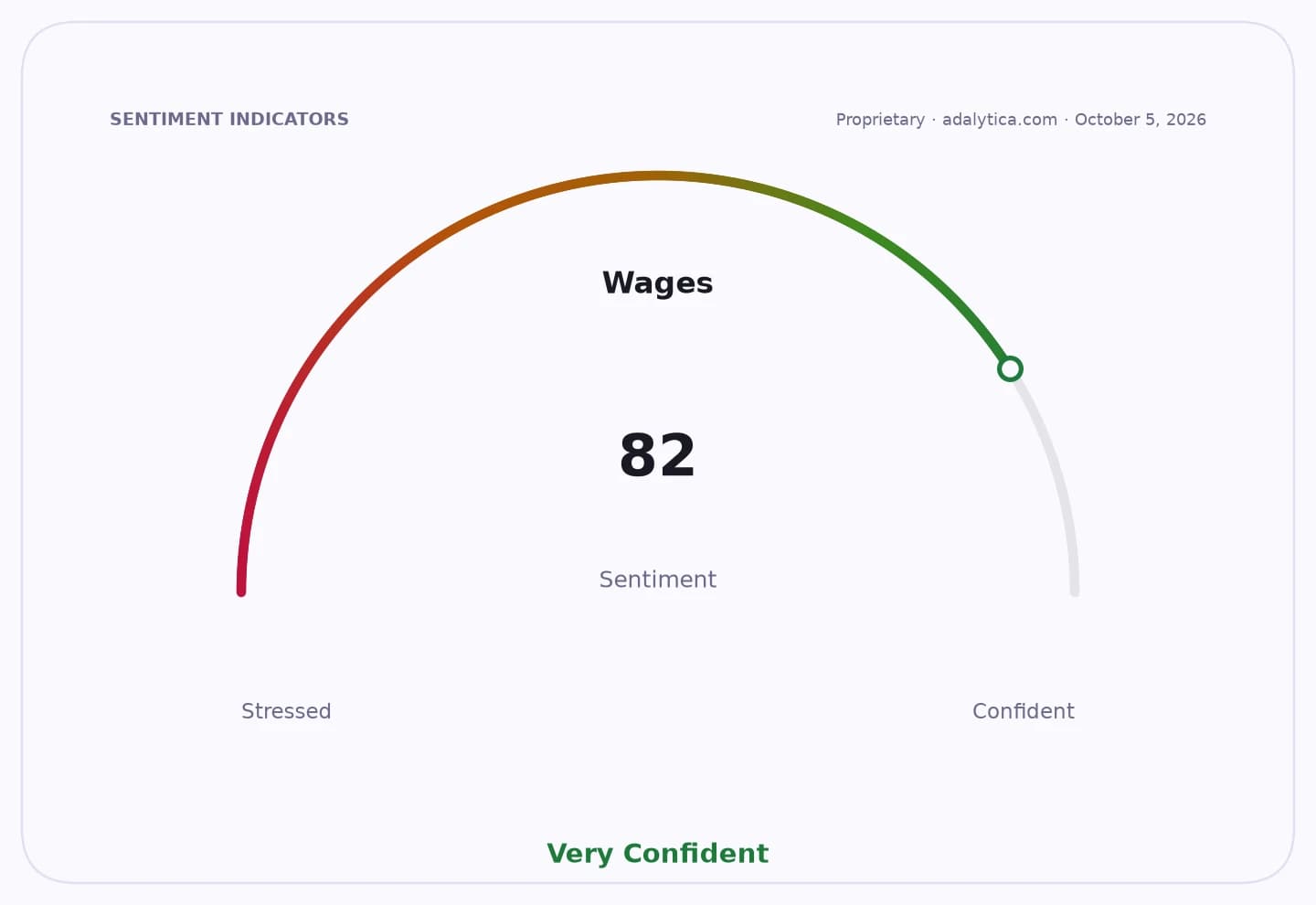
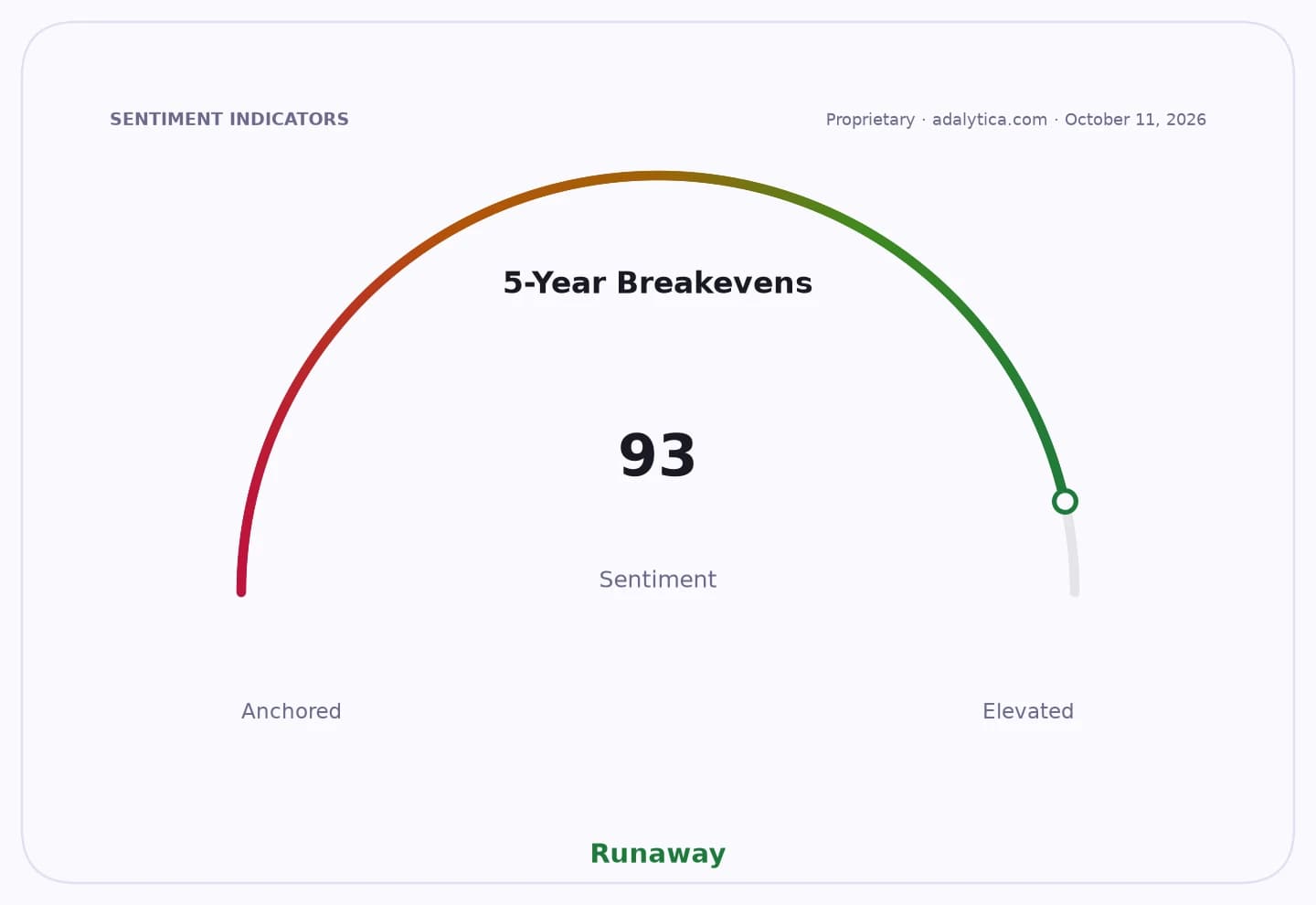
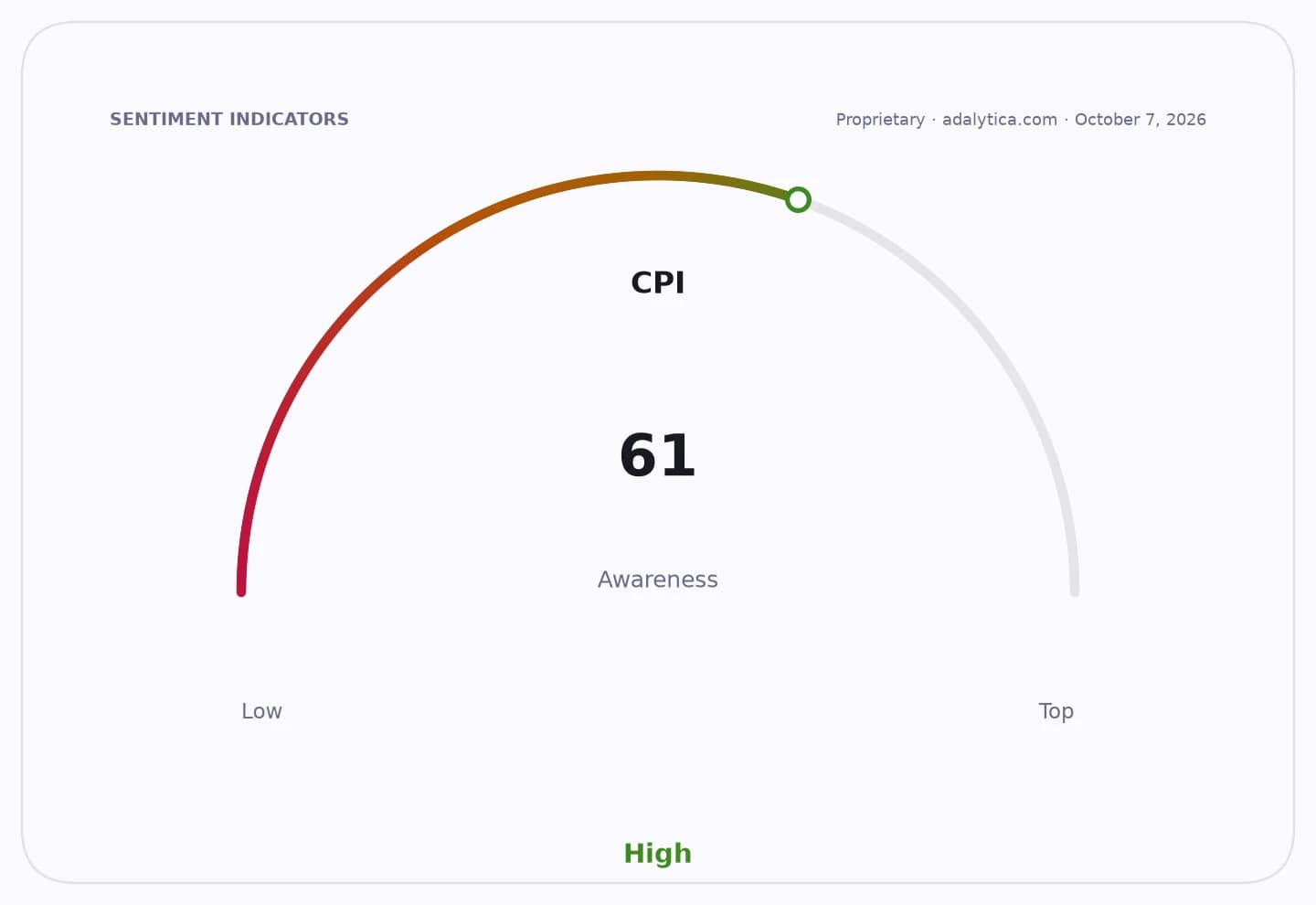
Sentiment IndicatorsⓘProprietary · adalytica.com · October 14, 2026
This is a snapshot — live sentiment, awareness and momentum for 130+ markets update continuously in the dashboard.Open AlphaPulse

The message for policymakers is awkward. Greece has built much of its recent economic narrative around resilience, supported by falling unemployment and steady tourism demand, but higher inflation means stronger nominal activity is not translating into the same improvement in living standards. The IMF kept its growth forecast for this year at 1.8% and only nudged 2027 to 1.8%, below the government’s 2.0% and 2.3% assumptions. That gap matters because it leaves less room for fiscal giveaways, tax relief or wage support without widening deficits or clashing with Brussels.
It also points to a broader eurozone split. Greece is being hit harder than the currency bloc as a whole, where the IMF sees inflation easing to 2.9% in 2026 and 2.7% in 2027 alongside modest growth of 1.1% and 1.2%. For investors, that divergence matters because it raises the risk that Greece remains a higher-inflation, lower-growth outlier even as the wider euro area normalizes. In sovereign debt terms, that can keep local real yields and refinancing costs less favorable than headline growth figures suggest.

The immediate market read is not that Greece is heading into a recession, but that the disinflation story is more fragile than officials want. The government’s decision to raise the heating bonus by 30% shows it is already leaning on targeted transfers to cushion households. Yet the European Commission’s rejection of Athens’ request for greater fiscal flexibility suggests Europe is unlikely to relax the rules just because energy bills are climbing. That leaves the economy exposed to a classic squeeze: prices stay elevated while growth cools, reducing room for both consumers and the state.
For investors in Greek assets, the key question is whether the inflation impulse proves temporary or becomes embedded in wages and services. If energy prices stabilize, Greece could still converge gradually toward the eurozone average. If they do not, the IMF’s “lower growth, higher inflation” profile will keep pressure on consumer spending, corporate margins and the government’s fiscal arithmetic well into 2027.
| Entity | Gains | Losses |
|---|---|---|
| Energy producers | ▲Higher revenue | ▼— |
| Greek households | ▲Heating support | ▼Real incomes |
| Greek government | ▲Some nominal growth | ▼Budget flexibility |
| Bond investors | ▲Higher nominal coupons | ▼Real returns |