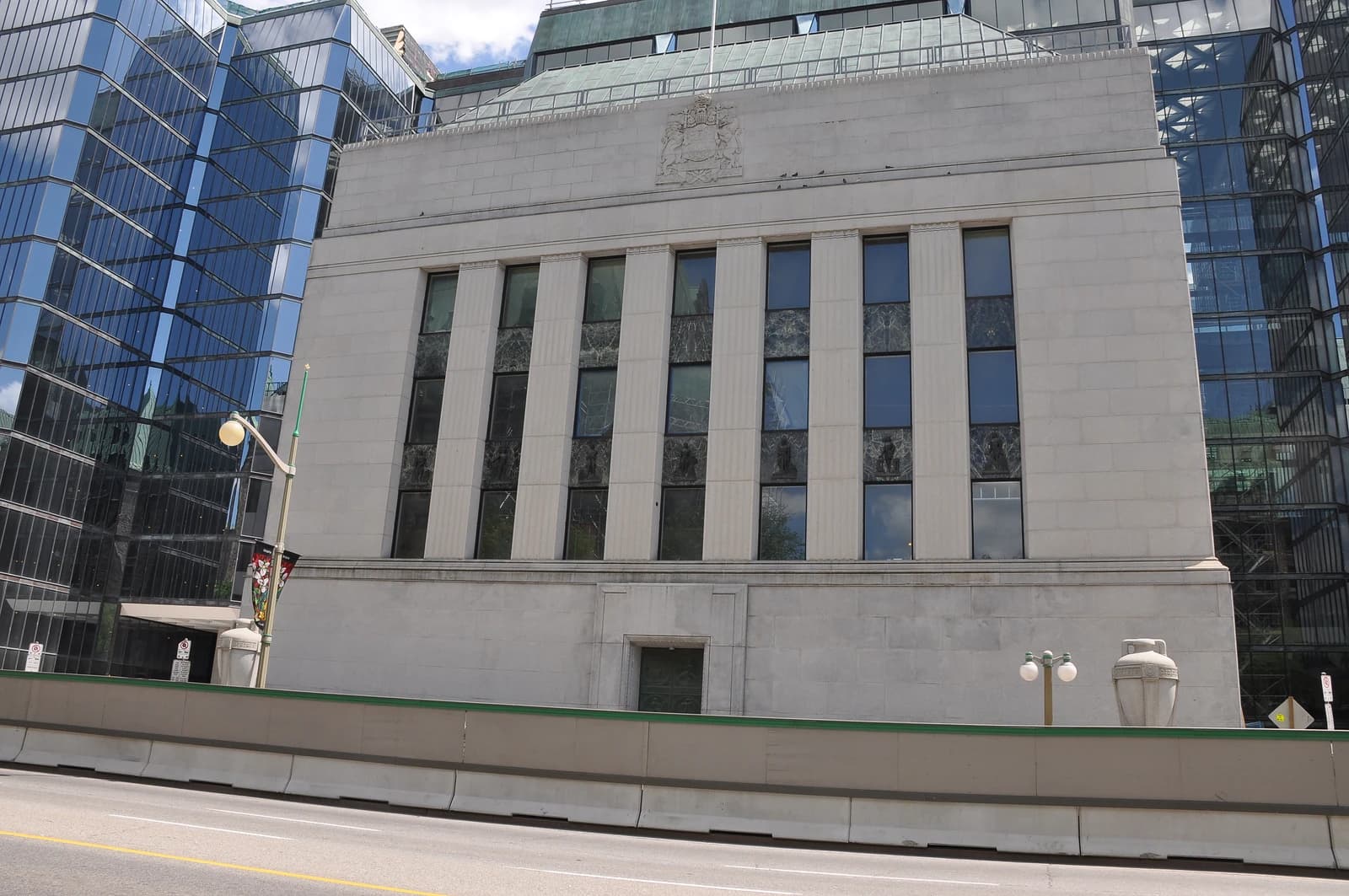
The Canadian dollar’s problem is not whether the Bank of Canada hikes in December — it is whether one more rate increase can offset a weakening economy, sticky U.S. rates and a still-firm dollar.
Canadian Dollar Falls as BoC Hike Bets Build
That is why the latest caution from JPMorgan and ING matters for investors. Both banks see the loonie leaning on policy support that may already be priced in, while Canada’s labor market is flashing warning signs. The September jobs report showed the economy shed about 68,000 positions and unemployment climbed to 6.5%, making it harder to argue for the aggressive tightening path markets had been expecting.
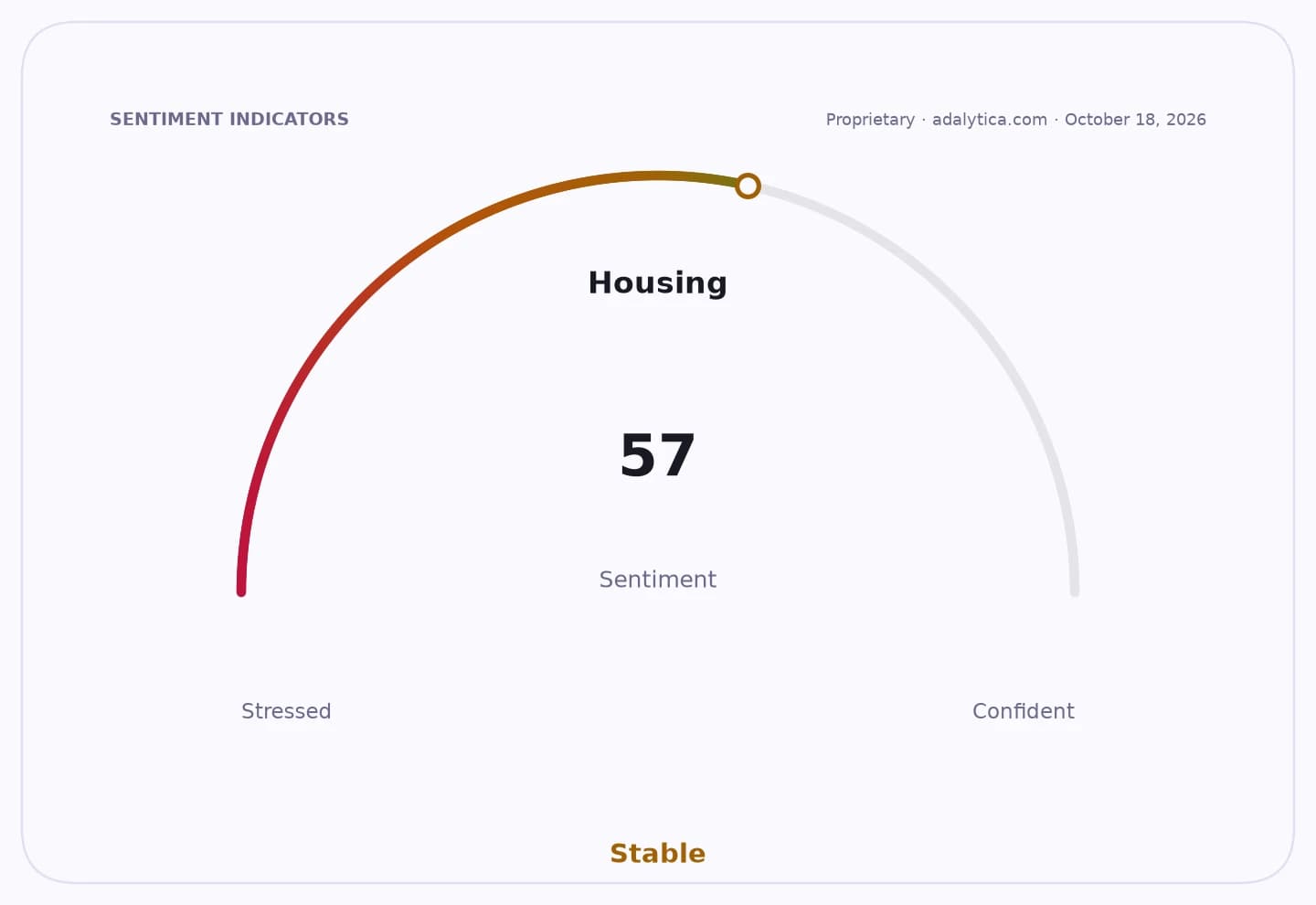
Sentiment IndicatorsⓘProprietary · adalytica.com · October 17, 2026
This is a snapshot — live sentiment, awareness and momentum for 130+ markets update continuously in the dashboard.Open AlphaPulse
USD/CAD was trading around 1.42 to 1.43, and JPMorgan said the pair was returning toward C$1.43 as traders priced in a Canadian rate path that may prove too optimistic. The bank estimated markets were still anticipating roughly four Bank of Canada hikes over the next 12 months, but said it remained bearish on the Canadian economy amid trade-related headwinds and skepticism that policymakers can deliver that many moves.
That distinction matters because currencies do not respond to rate hikes in a vacuum. If investors have already leaned into a December BoC increase, the actual hike may do little more than validate expectations. ING made the same point more bluntly, saying a December move would not be enough on its own to push USD/CAD materially lower. In other words, the loonie needs more than one meeting — it needs a shift in the broader U.S.-Canada rate gap, and ideally some relief in global risk sentiment.
The U.S. side is not helping. Fresh American inflation data kept core price pressures elevated, reducing the odds of a quick dovish turn from the Federal Reserve. That leaves the dollar with support even as some traders rotate around short-term flows. JPMorgan said systematic investors had turned buyers of the loonie after several sessions of selling, but it described broader interest as quiet — hardly the kind of conviction that marks a durable reversal.
Technically, the backdrop still looks corrective rather than transformative. USD/CAD has been hovering near its recent highs, with short-term momentum still pointing to a stronger U.S. dollar even after a few days of consolidation. That fits the fundamental picture: Canada’s economy needs stronger growth, not just higher rates, if the currency is going to reclaim ground.
For long-term investors, the key takeaway is simple: one Bank of Canada hike is not the same as a trend change. If the domestic economy keeps softening, the loonie may remain vulnerable even if policymakers deliver a December increase. Until markets see either a softer Federal Reserve, firmer Canadian data or a clearer improvement in global risk appetite, the Canadian dollar looks more like a currency to watch than a currency to chase.
| Entity | Gains | Losses |
|---|---|---|
| Bank of Canada | ▲Policy credibility | ▼Currency support |
| Canadian dollar bulls | ▲A December hike, if delivered | ▼A weak labor market |
| U.S. dollar | ▲Sticky Fed expectations | ▼Late-cycle rate cuts |
| Canadian exporters | ▲A softer loonie | ▼None in the near term |