Families in Costa Rica still overwhelmingly pay for vacations out of savings, a sign that travel demand is being supported more by accumulated household cash than by consumer borrowing.
Costa Rica Families Pay for Travel with Savings
That matters because it points to a relatively resilient pocket of discretionary spending in a region where higher rates and tighter credit have made households more cautious. The study from the Costa Rican Tourism Institute found 80% of family trips are funded with savings, while only 10% are financed with debt. In other words, most travel is being paid for up front, reducing the risk that a pullback in consumer lending will abruptly choke off bookings.
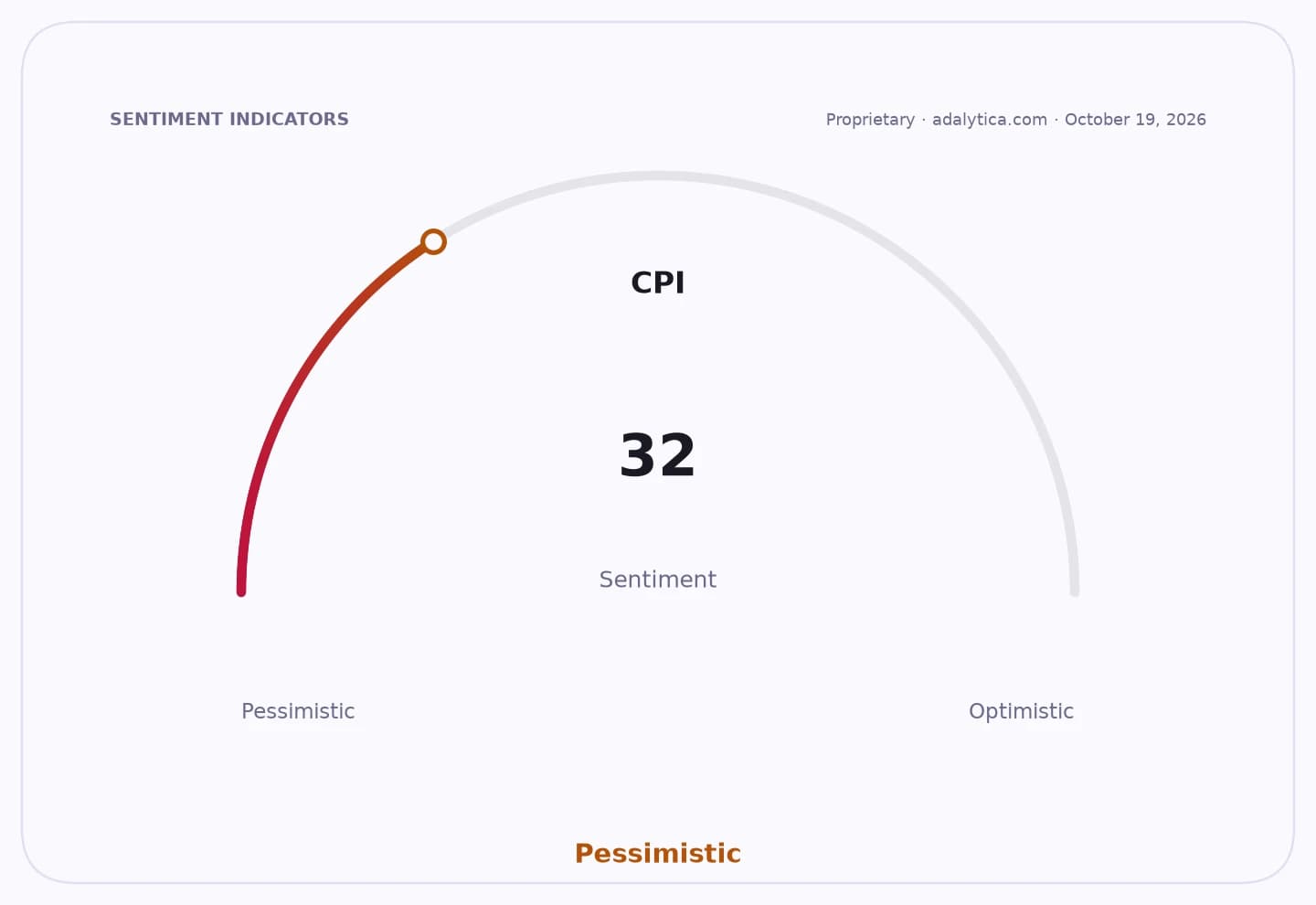
Sentiment IndicatorsⓘProprietary · adalytica.com · October 19, 2026
This is a snapshot — live sentiment, awareness and momentum for 130+ markets update continuously in the dashboard.Open AlphaPulse
The data also suggests the travel market is being shaped less by revolving credit and more by budgeting discipline. Six in 10 households in Costa Rica travel about three times a year, indicating that leisure demand remains embedded in family spending plans rather than tied to short-term debt availability. For hotels, airlines and online travel agencies, that usually means bookings are less exposed to delinquency spikes and more dependent on wage growth, employment and the pace at which families can replenish savings.
The finding fits a broader pattern in consumer travel: buyers are using cash flow, not leverage, to finance trips, which can make the sector more stable but also more sensitive to real income trends. If households are paying from savings, then any slowdown in labor markets or erosion in purchasing power would likely show up first in trip frequency, destination choice and average spend rather than in credit stress.
For investors, that is a useful distinction. Travel demand backed by savings is generally healthier than debt-fueled consumption because it lowers default risk and supports better booking visibility for suppliers. But it also means the sector’s growth hinges on consumer confidence and household balance sheets, not on easy credit. In that sense, the study is a reminder that the travel rebound, where it exists, remains a function of cash-rich households rather than borrowed spending.
The other notable feature is who makes the decisions. Expoviajes said women account for 70% of travel-related decisions, aligning with international findings from UN Tourism. That has implications for marketing and product design across the industry, from family packages and route selection to payment flexibility and loyalty programs, because the purchasing decision is concentrated in a single household stakeholder.
| Entity | Gains | Losses |
|---|---|---|
| Households with savings | ▲More control over travel budgets | ▼Less access to leverage |
| Travel operators | ▲More stable bookings | ▼Less boost from credit-fueled demand |
| Consumer lenders | ▲Lower exposure to travel debt | ▼Fewer loan-driven trip purchases |
| Women travel decision-makers | ▲Greater influence on spending | ▼More planning burden |