Singapore’s food and beverage sales fell 1.6% in August from a year earlier, even as retail sales rose 0.7% to S$4.5 billion, underscoring a split in consumer spending that matters for domestic demand, margins and the outlook for landlords, restaurant operators and consumer stocks.
Singapore Retail Sales Rise as F&B Sales Fall
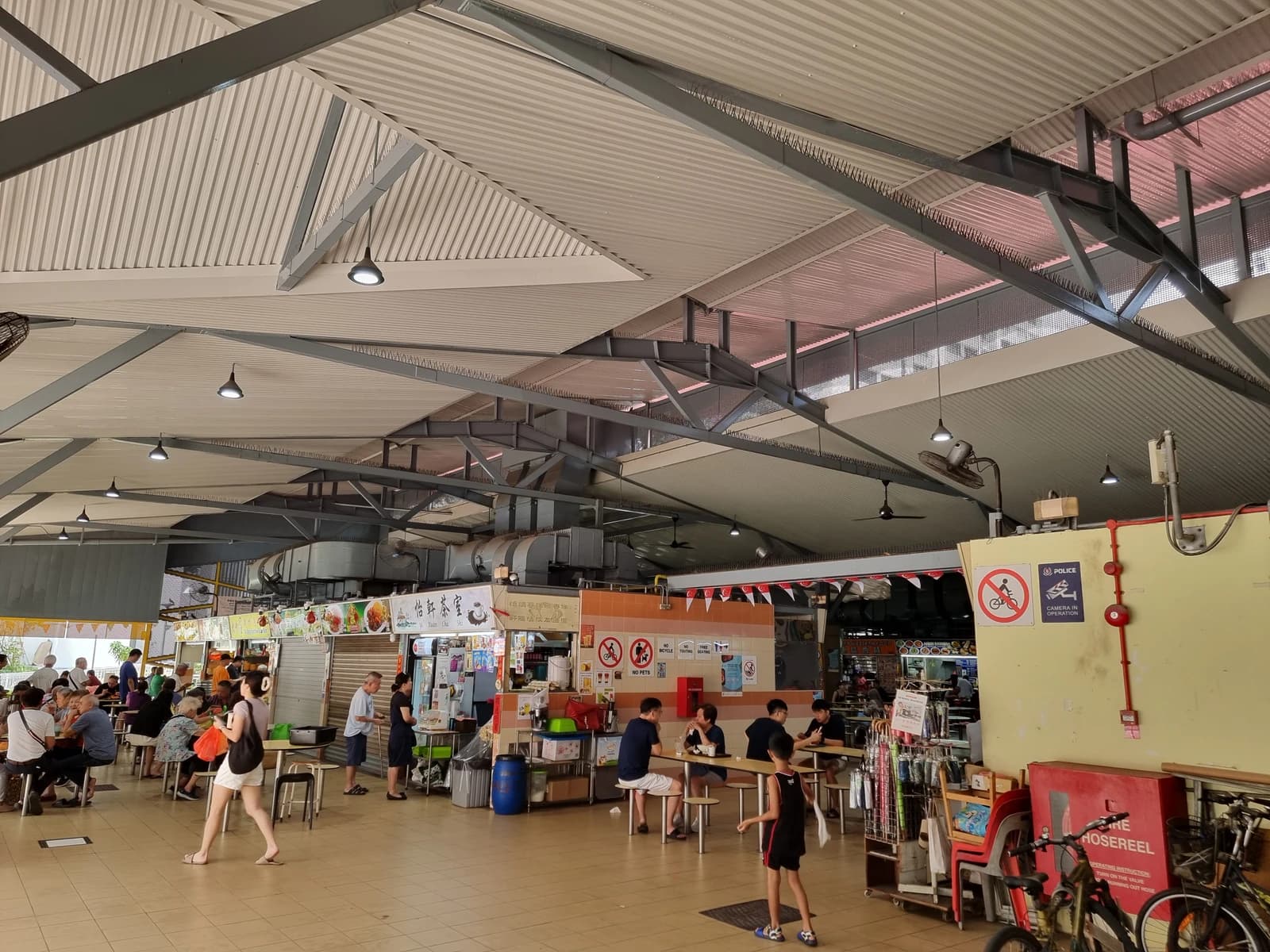
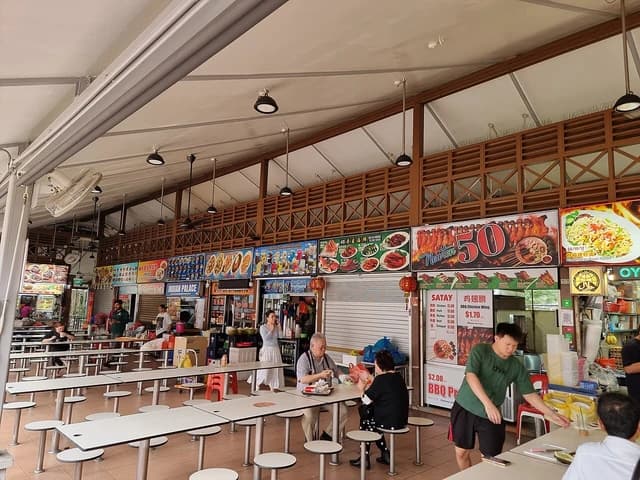
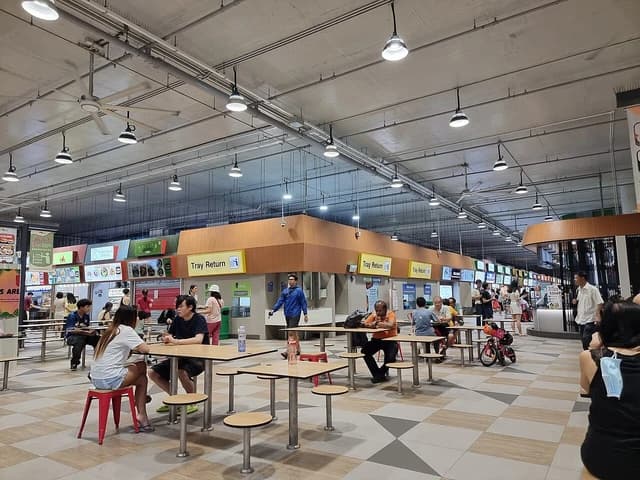
The divergence suggests households are still buying more goods, but are more cautious about eating out and other discretionary services, a pattern that can pressure F&B revenue growth even when headline consumption looks stable. For investors, that means the recovery in Singapore consumer demand remains uneven, with retailers seeing more support than cafes, restaurants and food chains.
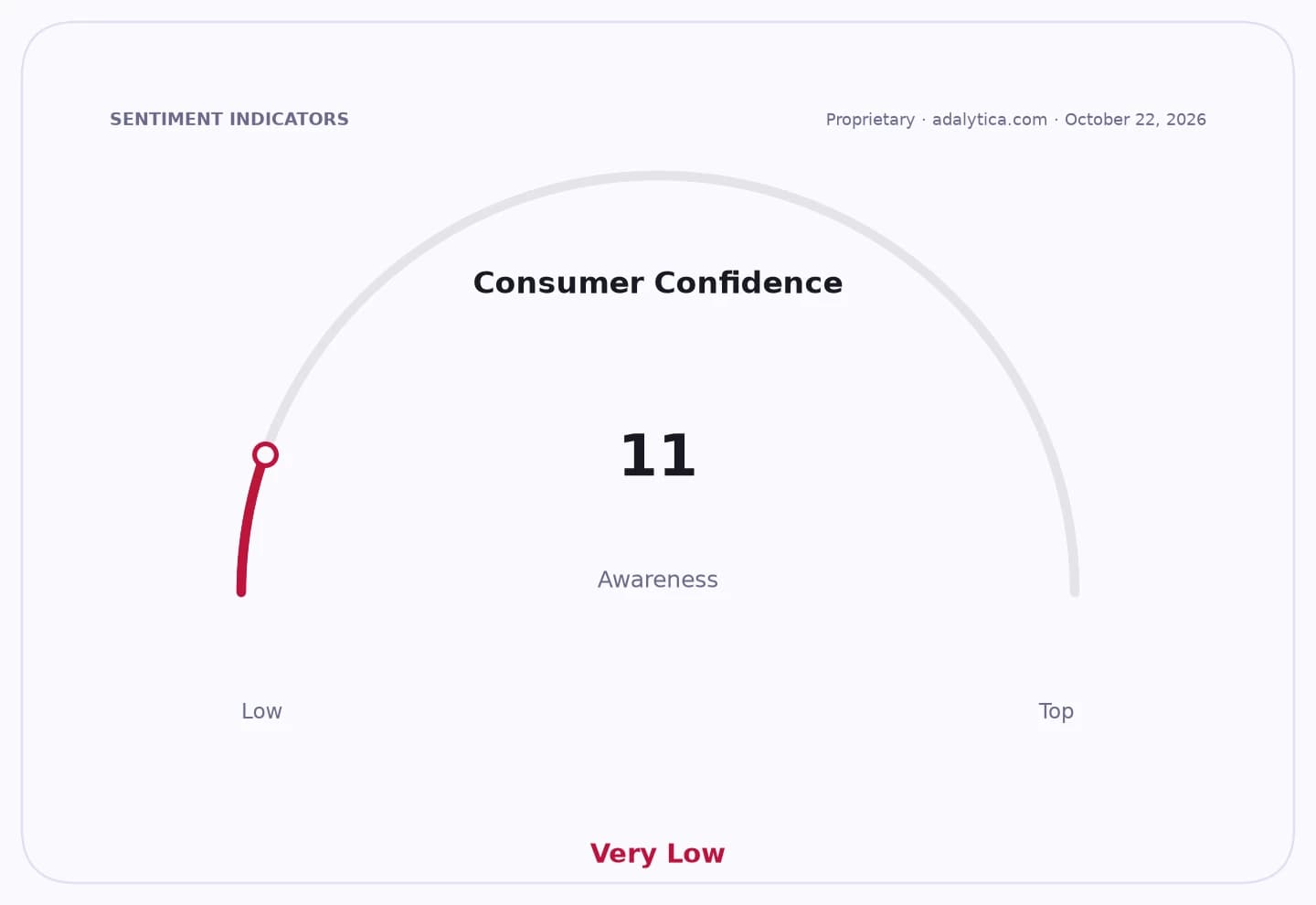
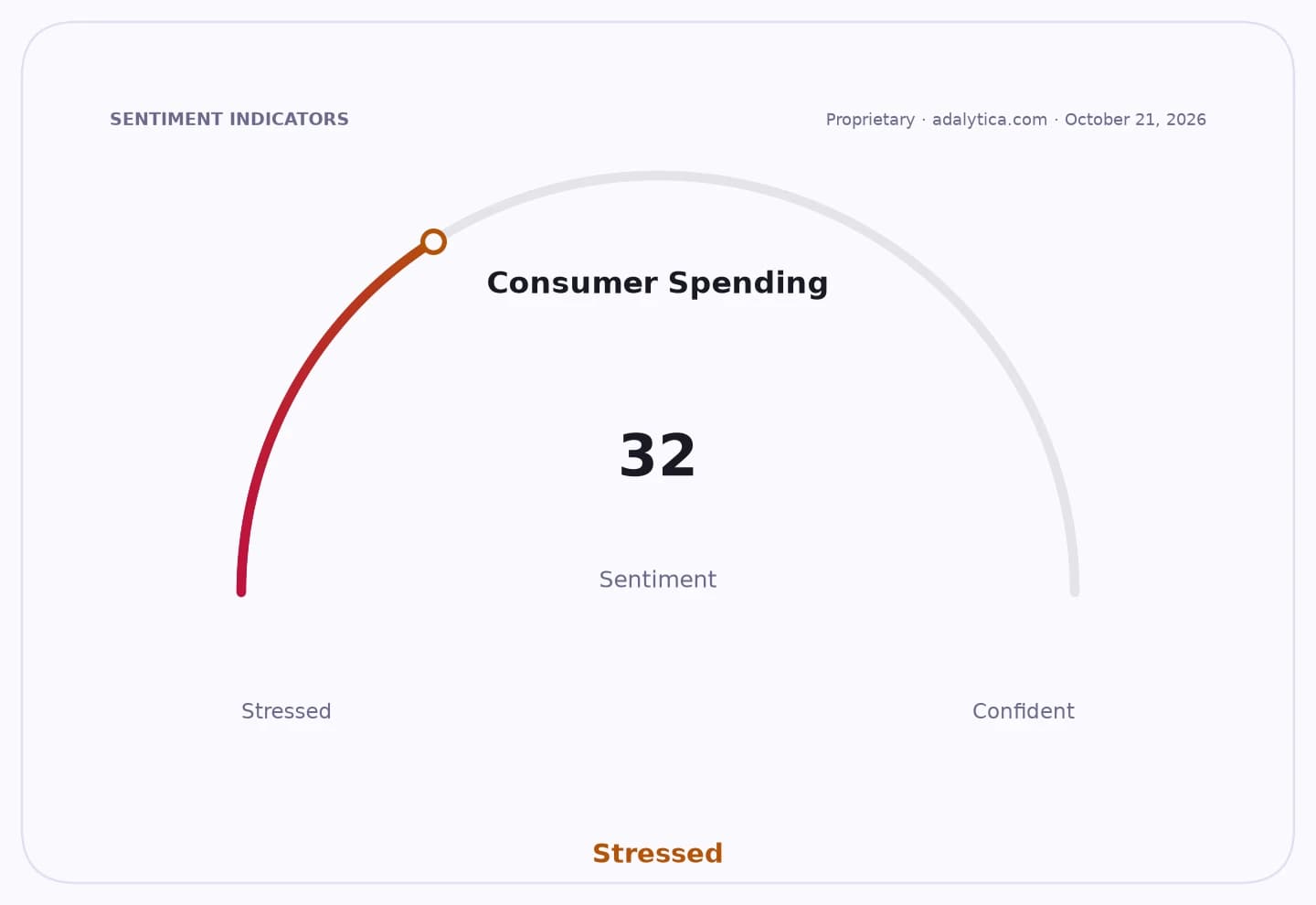
Sentiment IndicatorsⓘProprietary · adalytica.com · October 23, 2026
This is a snapshot — live sentiment, awareness and momentum for 130+ markets update continuously in the dashboard.Open AlphaPulse
The retail gain points to some resilience in spending on merchandise, helped by categories that tend to benefit from tourism, necessity buying and promotions. But the weaker F&B print highlights how sensitive the sector remains to traffic, wage costs and pricing power, especially after a period of higher living costs that has kept consumers selective.
For listed consumer names and mall-linked businesses, the split is important because F&B tenants often drive footfall and rental productivity. A softer dining environment can also weigh on small operators first, then feed through to broader consumer sentiment if weak traffic persists.
The next focus will be whether the retail upturn can hold into the year-end shopping season, or whether higher caution among consumers keeps eating into discretionary spending.
| Entity | Gains | Losses |
|---|---|---|
| Retailers | ▲Higher sales volumes | ▼None |
| F&B operators | ▲None | ▼Lower revenue growth |
| Mall landlords | ▲Stable retail traffic | ▼Softer dining footfall |
| Singapore consumers | ▲More choice on promotions | ▼Weaker dining demand |