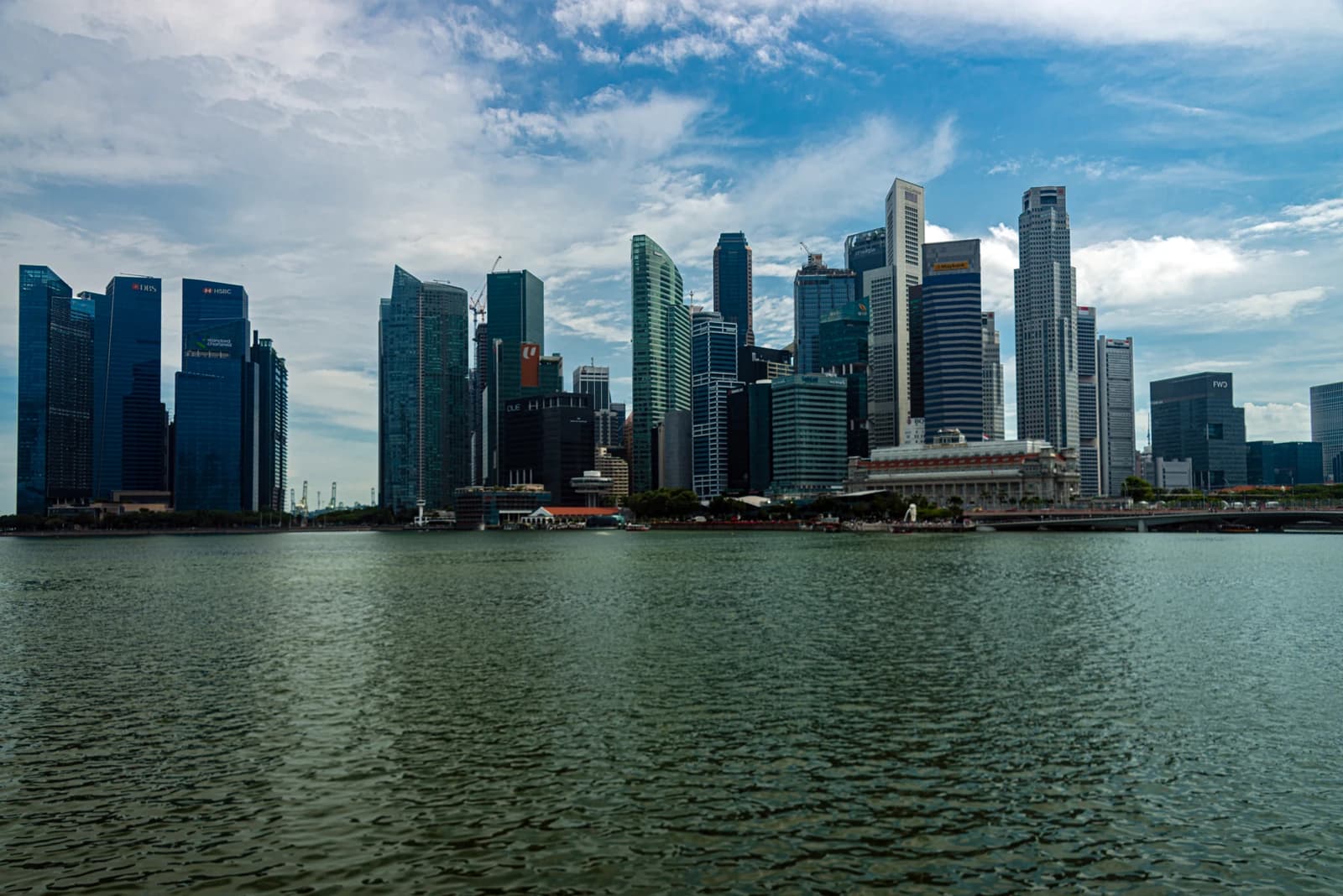
Singapore is making it easier for travelers from 13 countries, including India, to turn a layover into a short stay, a move that could lift transit tourism, support airline connectivity and add another tailwind to Southeast Asia’s travel recovery.
Singapore eases transit stays for 13 countries
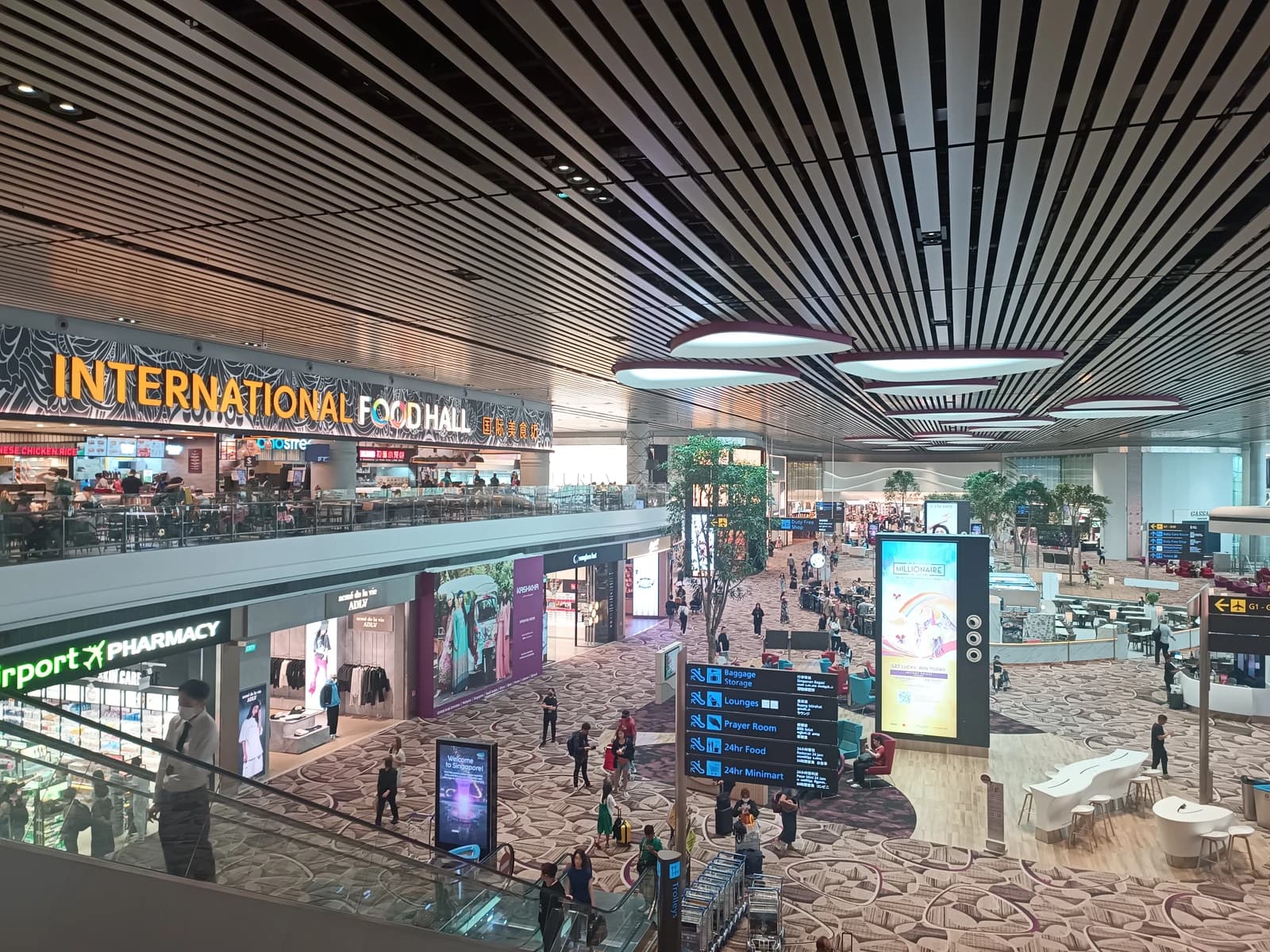
The new 96-hour free transit facility matters because Singapore is not just a destination; it is one of Asia’s most important aviation hubs and a gateway for regional travel. By allowing eligible visitors to stay without a transit visa for up to four days, the city-state is effectively lowering friction for short-haul travel at a time when affluent tourists are increasingly choosing quicker regional trips over longer, more expensive vacations.
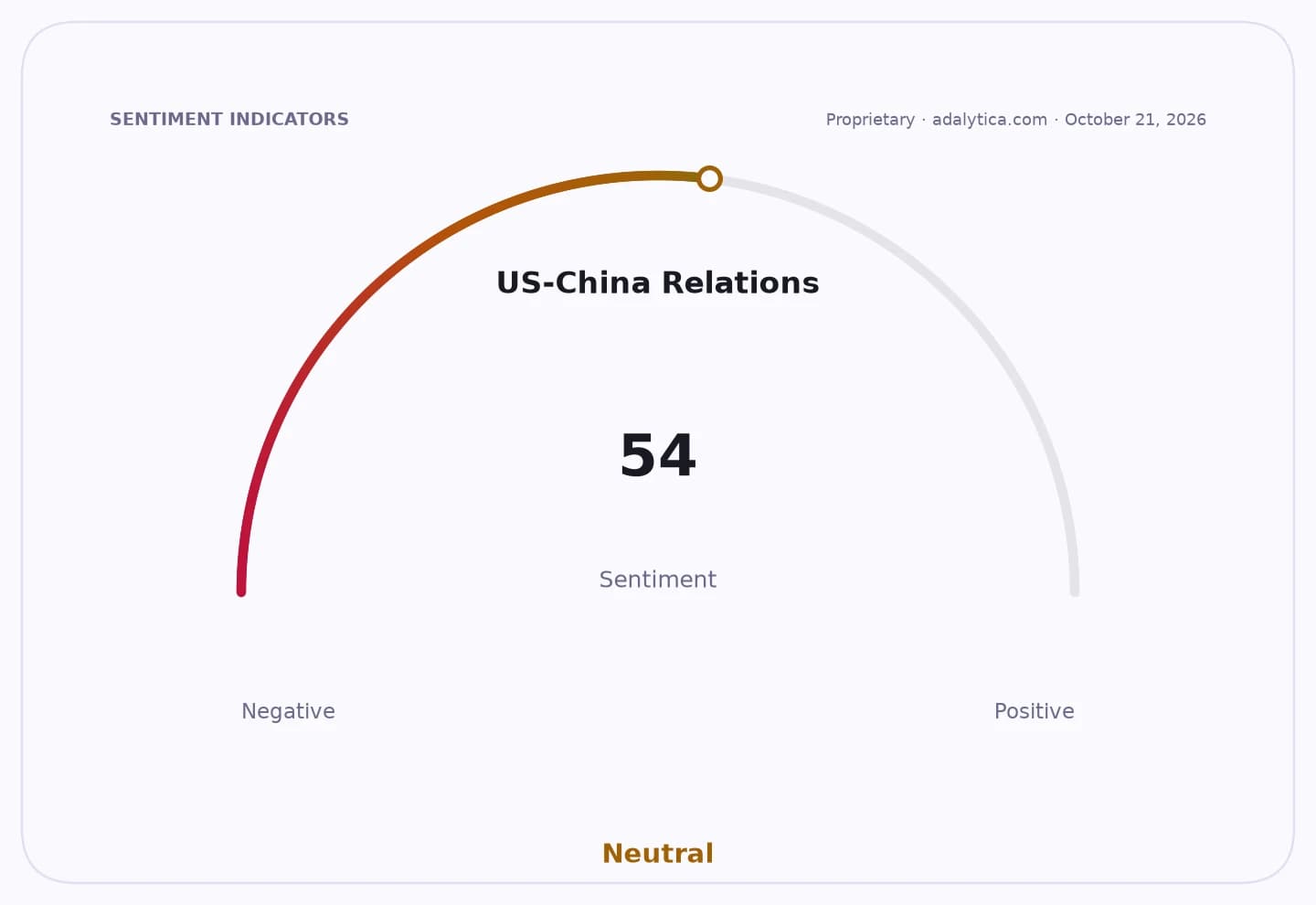
Sentiment IndicatorsⓘProprietary · adalytica.com · October 20, 2026
This is a snapshot — live sentiment, awareness and momentum for 130+ markets update continuously in the dashboard.Open AlphaPulse
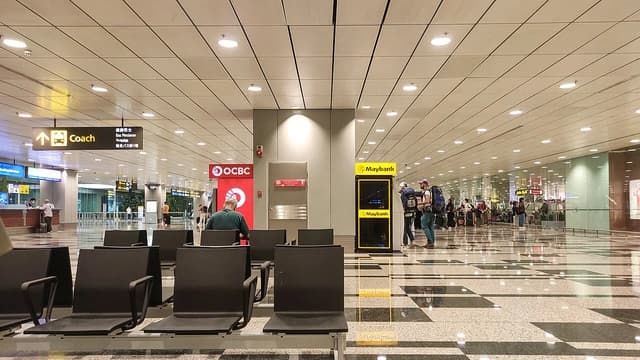
That is why the policy matters economically. Every added stopover has the potential to spill over into airport spending, hotel occupancy, retail sales and restaurant traffic — the kind of high-margin tourism demand that Singapore and its hospitality operators can monetize quickly. The move also fits a broader Southeast Asian push to capture more travel demand through easier entry rules and more targeted tourism promotion, from Vietnam’s cultural-tourism efforts along the Mekong to Ho Chi Minh City’s campaign to attract events.
For investors, the key implication is that the beneficiaries are not just airlines, but the entire travel ecosystem. Singapore-linked hotel operators, airport services, retail concessions and regional carriers stand to gain if the policy converts more transit passengers into paying visitors. The setup is particularly constructive because the underlying travel narrative is shifting toward shorter, premium trips — the kind that favor hubs like Singapore over lower-yield, point-to-point routes.
The context is important. Pan Pacific Hotels Group has already said it sees a positive outlook for Southeast Asian tourism as wealthy travelers increasingly prefer compact regional getaways. That dovetails with Singapore’s latest move: make the stopover effortless, and the city-state can capture more of the spending that would otherwise be lost to a simple connection.
The market is likely to treat this as a modest policy change with outsized second-order effects. It won’t transform travel flows overnight, but it adds another structural advantage to Singapore’s tourism platform at a time when regional competition for visitors is intensifying. The best-positioned investors should look for the picks-and-shovels of mobility, lodging and airport-linked spending, where incremental traffic can translate into disproportionate earnings leverage.
| Entity | Gains | Losses |
|---|---|---|
| Singapore tourism sector | ▲More stopover spending | ▼None directly |
| Hotels and retailers | ▲Higher short-stay demand | ▼Lower occupancy pressure elsewhere |
| Airlines and airport services | ▲More transit traffic | ▼Point-to-point rivals |
| Competing regional hubs | ▲None | ▼Lost transfer passengers |