Singapore’s wage race is cooling because workers are quitting less, and that shift matters for the economy’s income mix, hiring costs and the outlook for domestically focused industries.
Singapore wages ease as resignations fall
The Monetary Authority of Singapore said nominal wage growth is likely to return to historical norms in 2027 as labor mobility eases and companies feel less pressure to raise pay to keep staff. A Ministry of Manpower survey also showed a slight decline in the share of firms planning salary increases, underscoring how a lower level of voluntary resignations is taking heat out of the market.
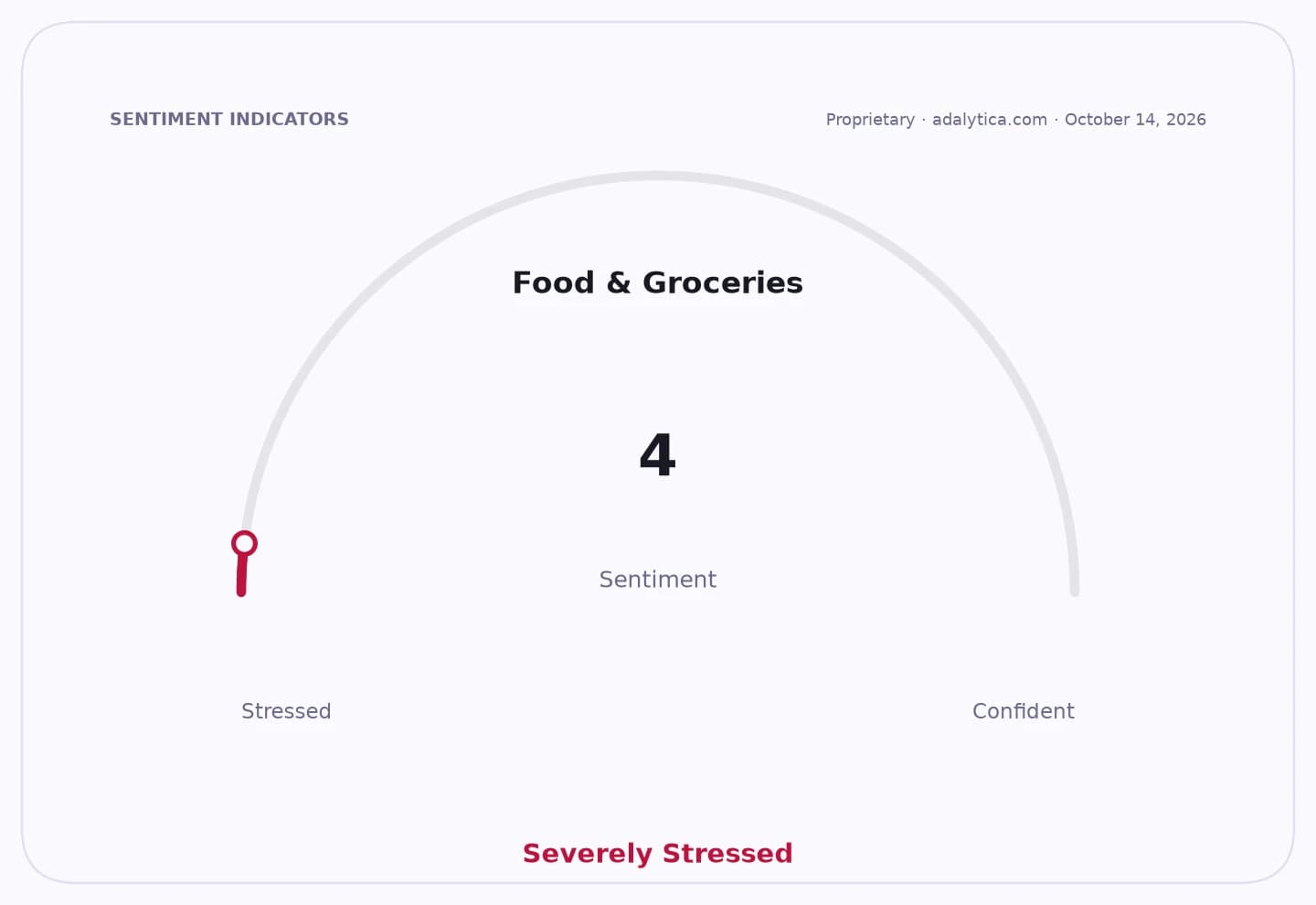
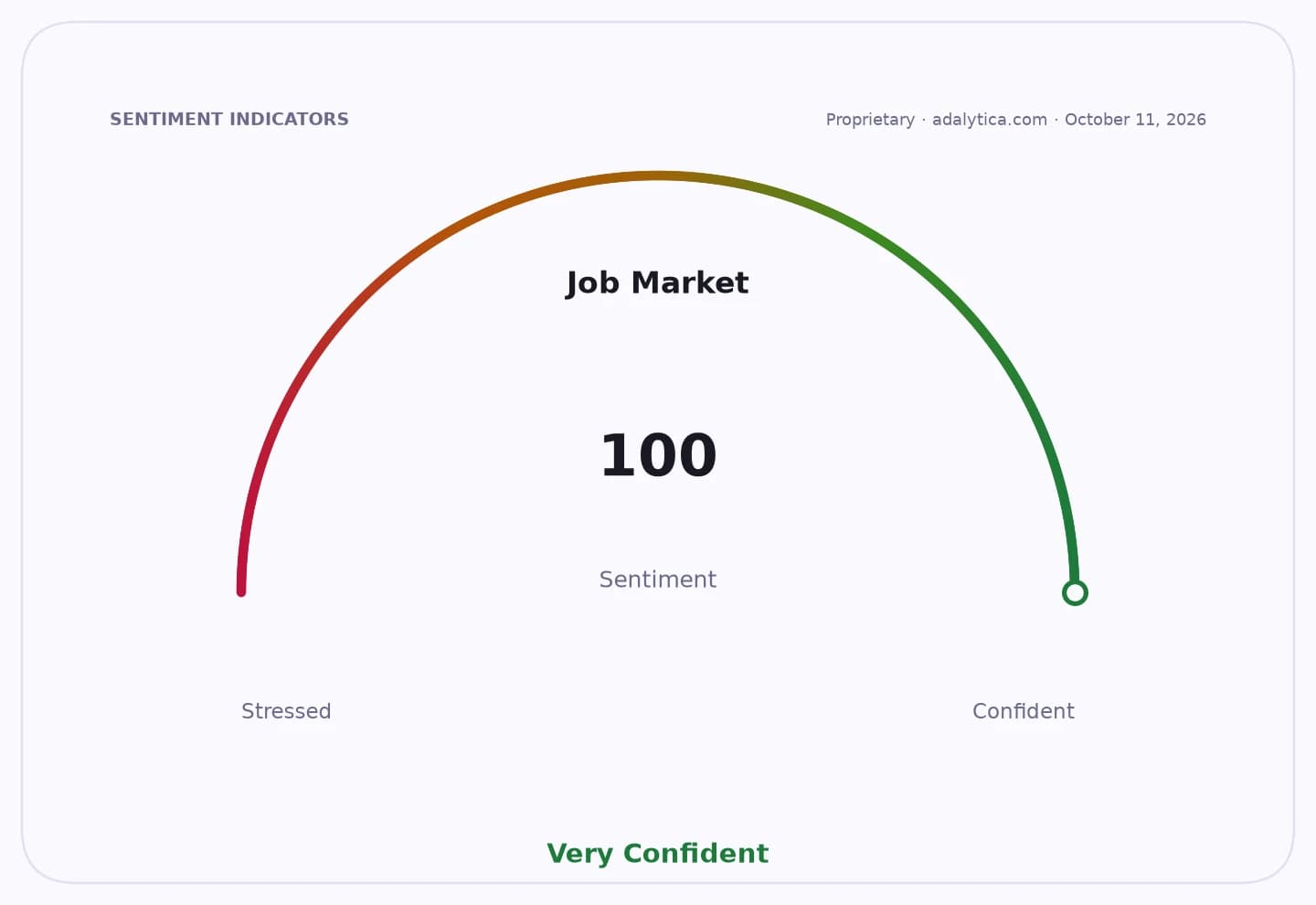
Sentiment IndicatorsⓘProprietary · adalytica.com · October 15, 2026
This is a snapshot — live sentiment, awareness and momentum for 130+ markets update continuously in the dashboard.Open AlphaPulse
That is important economically because Singapore’s growth is becoming even more concentrated in technology, especially semiconductors and AI-linked manufacturing. MAS said those industries account for about 75% of annual growth, making household incomes in those jobs more sensitive to the chip cycle and to investment decisions by hyperscalers that are already showing financial strain.
The central bank still expects the semiconductor expansion to continue, helped by large backlogs and committed capacity additions, but it flagged risks of softer investment ahead. That raises the stakes for workers in the city-state’s highest-paying export sectors, where pay gains have been a key support for consumption and broader private demand.
By contrast, construction, education and services tied to the domestic economy are set to benefit from infrastructure spending and more preschools, which should keep labor demand firm in those areas. Even so, the broader message from MAS is that pay growth is normalizing rather than accelerating, a sign the post-pandemic scramble for workers is fading.
Inflation should also ease later in 2027 as fuel and food costs moderate, giving households some relief even as wage gains become less aggressive. For investors, that mix points to steadier margins for employers, less upward pressure on operating costs and a more selective earnings outlook across Singapore’s labor-intensive sectors.
Singapore-listed equities have already shown how sensitive markets are to that macro backdrop. The iShares MSCI Singapore ETF, EWS, was last around $31.20, below its 50-day moving average of $33.31, while RSI readings near 18 suggested the fund has been heavily sold. China-focused FXI was also weaker, highlighting how cyclical growth concerns remain a regional market driver.
The next catalyst is whether semiconductor orders and AI investment keep holding up into 2027, or whether stretched hyperscaler spending starts to feed through to hiring and wages more quickly than expected.
| Entity | Gains | Losses |
|---|---|---|
| Employers | ▲Lower wage pressure | ▼Harder to attract staff |
| Workers in tech | ▲Still benefit from chip cycle | ▼Income tied to cyclical demand |
| Domestic services/building sectors | ▲More labor demand | ▼Slower pay acceleration |
| Singapore consumers | ▲Easier inflation later | ▼Less robust income growth |