Black Friday’s biggest risk this year is not missing the discount — it is buying the wrong thing, paying more than expected or straying outside a budget as retailers stretch promotions over a longer selling season.
Black Friday risks shift to shipping and financing
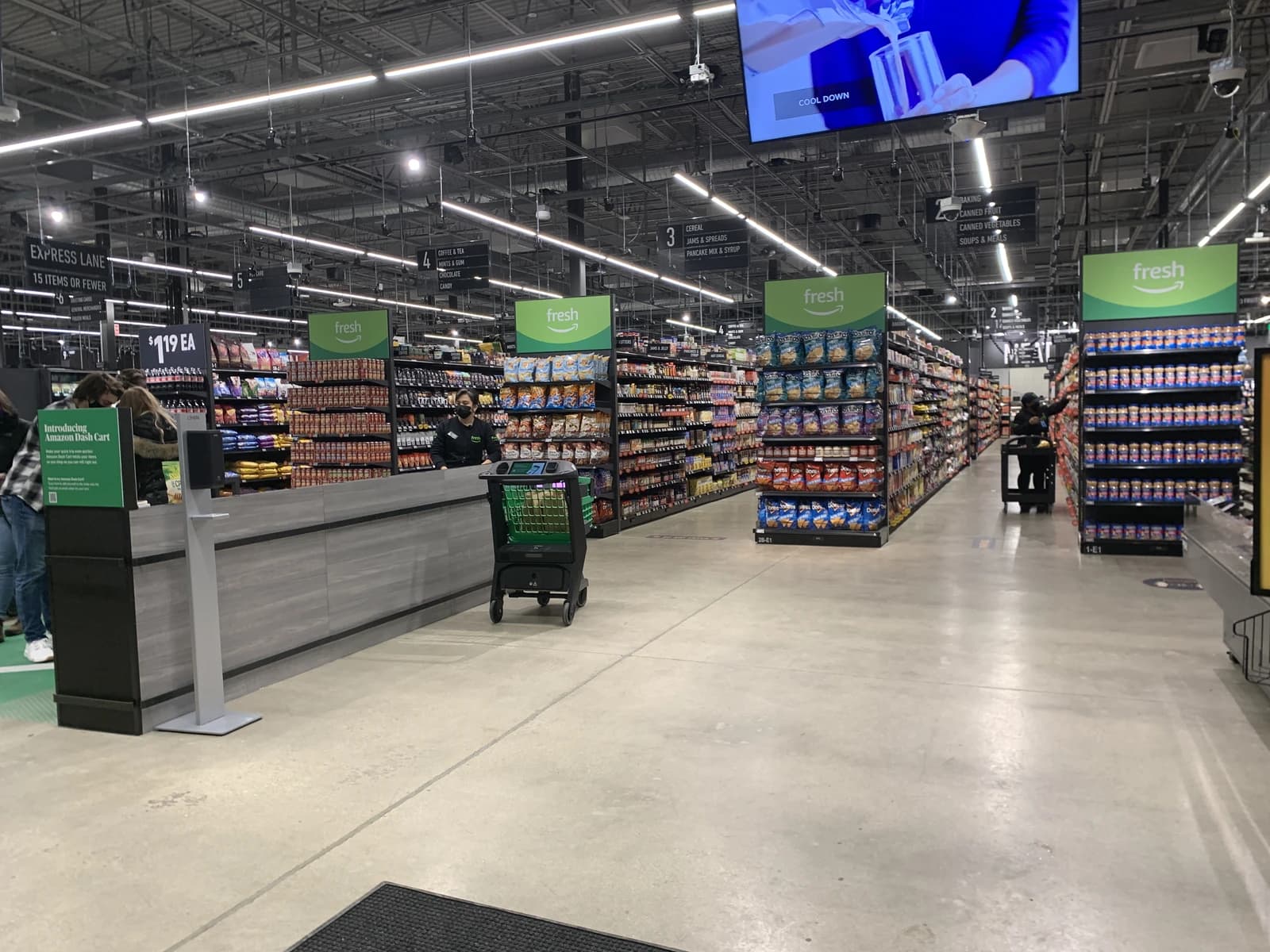
That matters because the holiday shopping event is no longer a single-day rush but a drawn-out demand test for retailers, consumers and investors. Early Black Friday campaigns, which start as soon as Friday, Oct. 23 in some markets, are designed to smooth traffic, reduce stock disruptions and capture spending earlier in the quarter. For shoppers, the shift increases the odds of impulse purchases, hidden fees and financing costs that can erase headline savings.
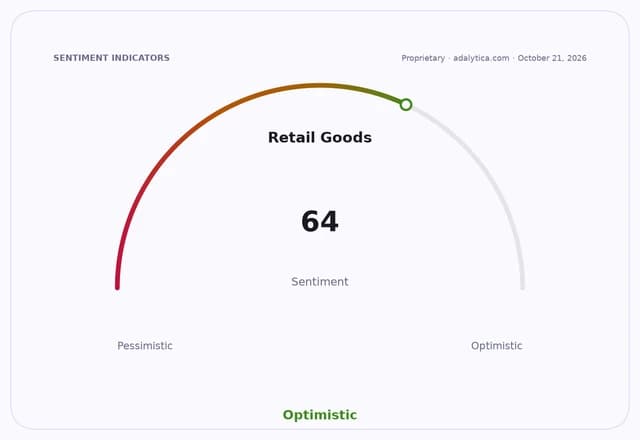
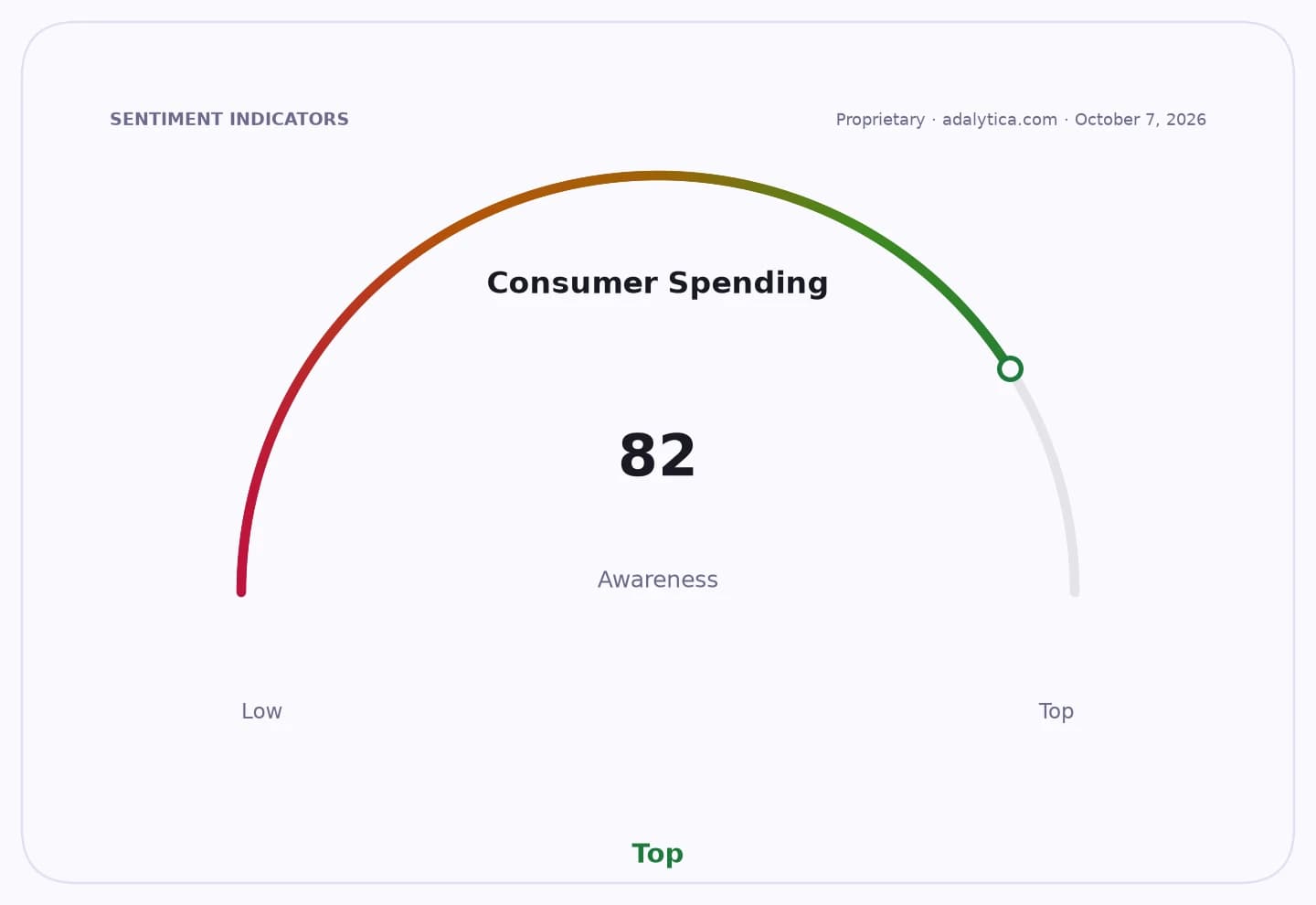
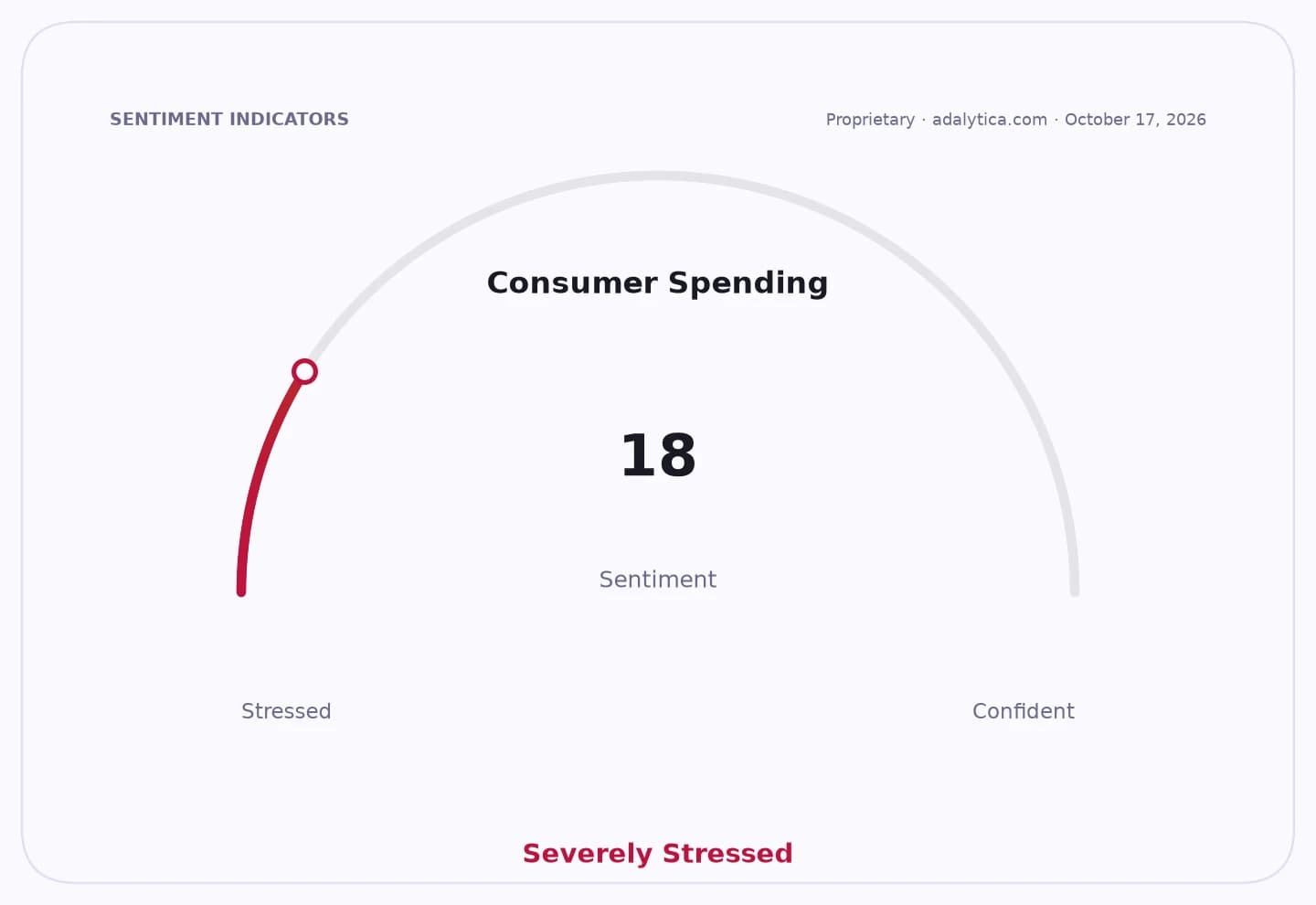
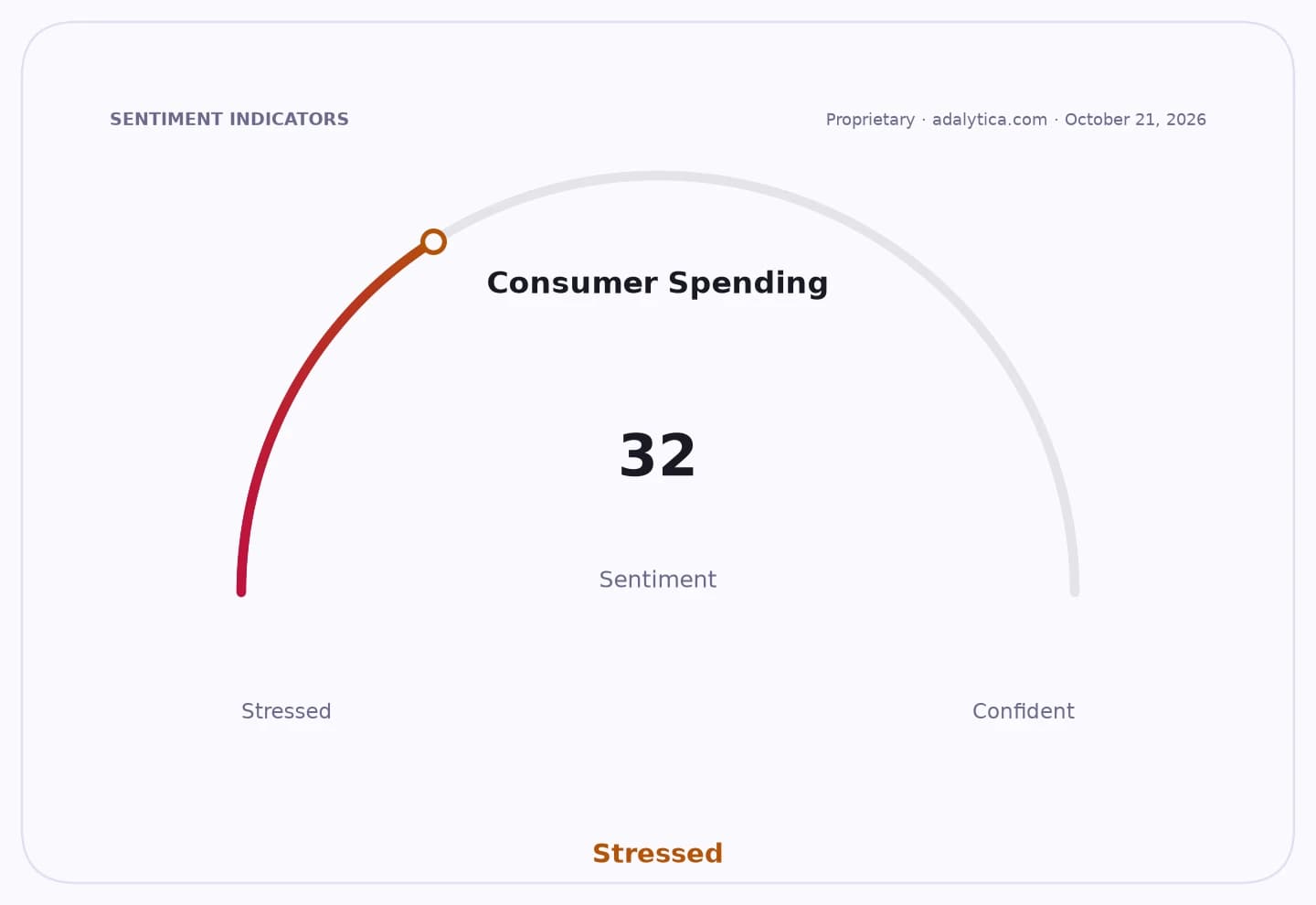
The consumer backdrop is mixed. Adalytica’s Consumer Spending Sentiment gauge sits at 32, still neutral, but awareness is only 4, labeled extreme fear, with the measure down 68% over 30 days. Retail goods spending sentiment is firmer at 64, but also softer than recent levels. That combination points to cautious, price-sensitive buyers who are still shopping, but who need clearer value and tighter discipline.
The advice is straightforward: start with a list and a total budget, not a discount percentage. A large markdown does not guarantee the lowest final price if another retailer offers the same configuration more cheaply or if the item is refurbished or resold. Bigger-ticket items such as televisions and appliances also need to fit the room and the connection requirements, or the “bargain” becomes a costly mismatch.
Shipping and payment terms are where savings are often lost. Adding an item solely to qualify for free delivery can make the basket more expensive, not less. A $60 purchase made to avoid a $20 shipping fee still leaves the consumer $40 worse off if the extra item was unnecessary. Likewise, low installment payments can mask a higher total cost once fees and interest are added, especially when promotional financing stretches over longer periods.
Retailers have every incentive to encourage urgency, but that can backfire if shoppers rush through checkout and miss who the seller actually is on a marketplace, whether returns are really free, or whether a payment has already gone through. In a longer Black Friday window, those checks become more important, not less, because the pace of offers makes it easier to lose track of multiple orders and repeat payments.
For investors, the story cuts both ways. Stronger promotion periods can lift unit sales and traffic for big chains, but they also compress margins if the selling season becomes a race to the lowest price. Walmart shares have held near record territory, with the stock at $117.80 on Oct. 21, above its 50-day moving average and well above the 200-day, suggesting the market still favors its scale and grocery mix. Amazon has also stayed firm at $262.37, near its recent highs and above both moving averages, reflecting confidence in its logistics and marketplace reach. The Retail HOLDRS ETF, XRT, at $86.59, remains above its 50-day and 200-day averages, but technical momentum has cooled from earlier peaks, suggesting investors are watching whether holiday demand can justify further upside.
The bull case is that longer promotion windows broaden demand, improve inventory turnover and reward retailers with strong fulfillment networks. The bear case is that stretched discounts train consumers to wait, intensify price competition and push shoppers toward the lowest-cost channels, leaving less room for gross margin expansion.
What matters now is not just how deep Black Friday discounts run, but how much of the advertised savings survives once shipping, returns, financing and fit are accounted for.
| Entity | Gains | Losses |
|---|---|---|
| Shoppers who plan ahead | ▲Real savings | ▼Impulse purchases |
| Large retailers with strong logistics | ▲Higher traffic | ▼Margin pressure |
| Marketplace sellers | ▲Earlier demand | ▼Pricing scrutiny |
| Retail investors | ▲Holiday sales upside | ▼Discount-led earnings risk |