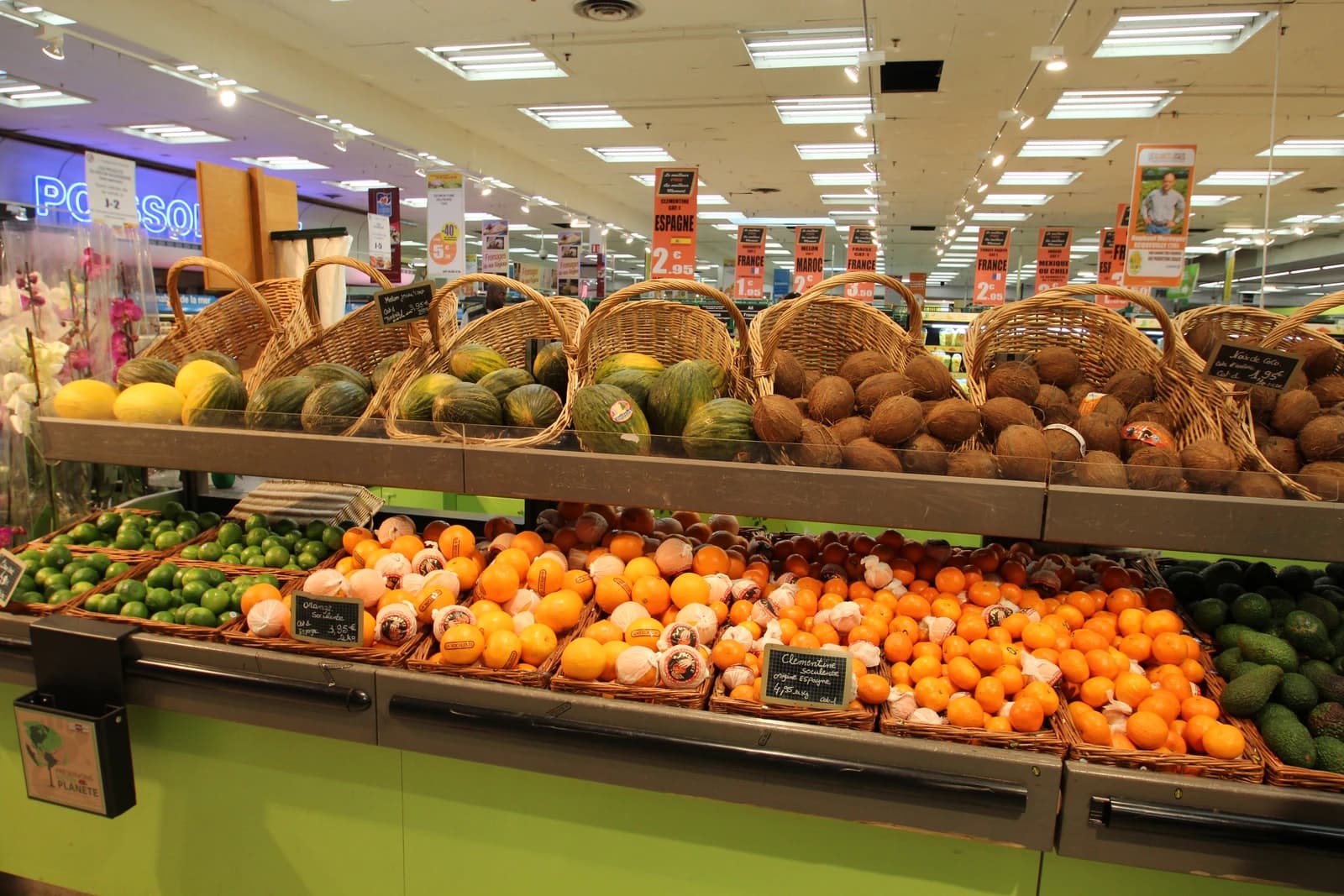
P-EBT benefits remain a meaningful support for grocery spending at a time when consumer confidence is deteriorating and households are becoming more price-sensitive, reinforcing demand for food at Walmart, Costco and Target while underscoring the fragility of the broader retail backdrop.
Walmart, Costco, Target on P-EBT grocery demand

The program, which loads food assistance onto a card usable at participating grocery and convenience stores, matters economically because it directs spending toward essentials rather than discretionary categories. That tends to cushion sales volumes for mass merchants and warehouse clubs even when the macro environment softens, but it also highlights how dependent parts of U.S. retail have become on transfer payments and need-based demand.
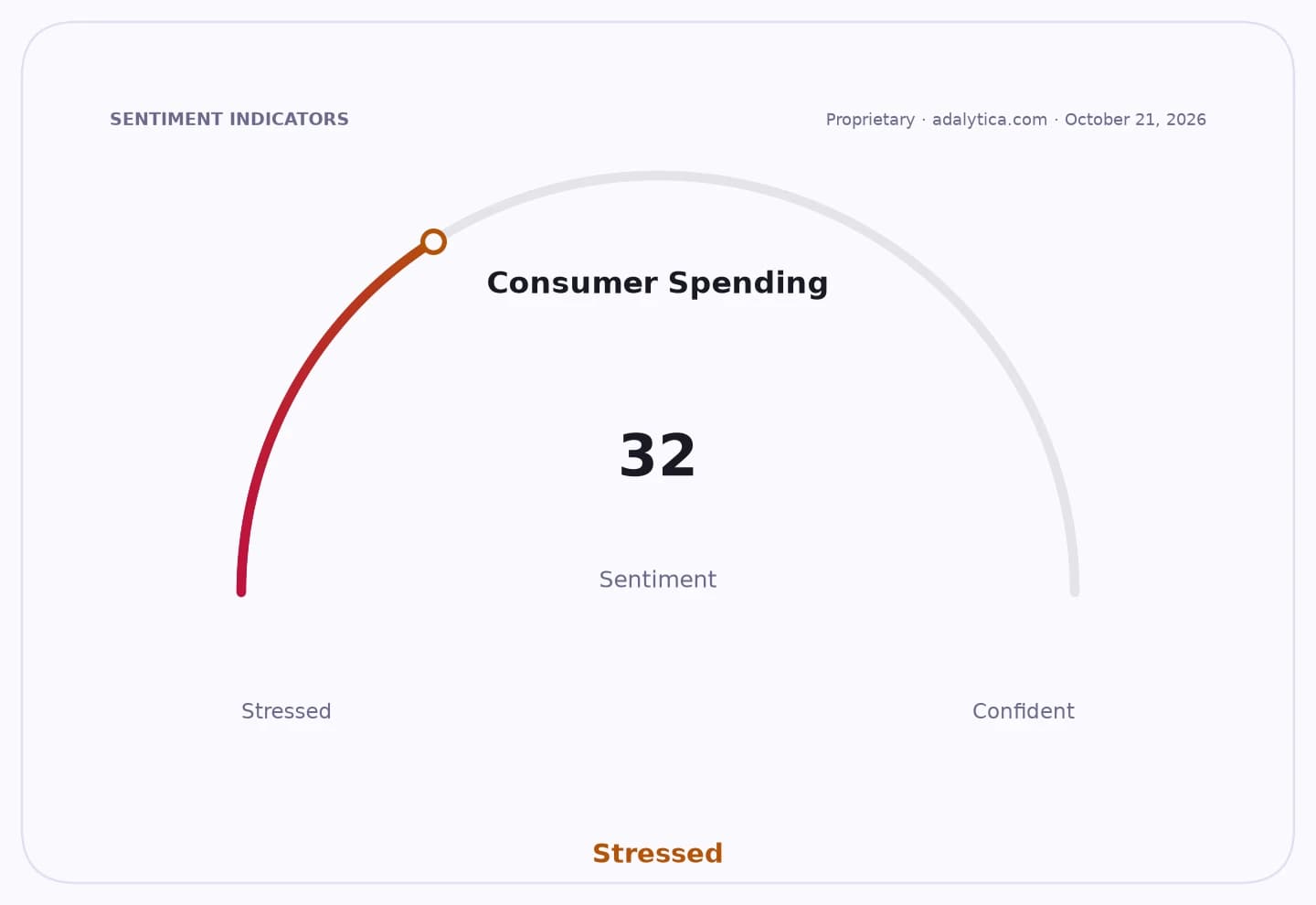
Sentiment IndicatorsⓘProprietary · adalytica.com · October 21, 2026
This is a snapshot — live sentiment, awareness and momentum for 130+ markets update continuously in the dashboard.Open AlphaPulse

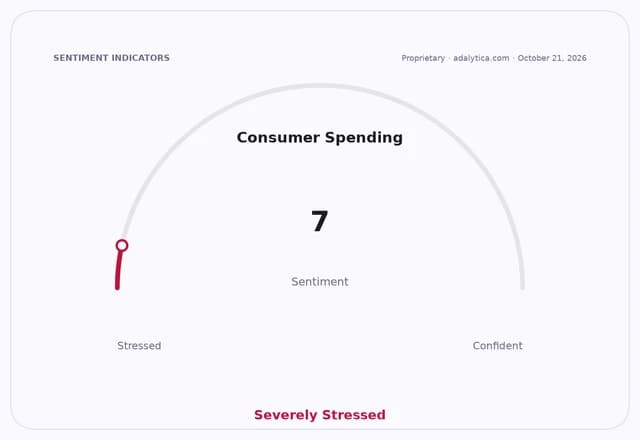
That backdrop is turning more important as labor market data point to a cooler economy. The unemployment rate is forecast at 4.09% for October, little changed from 4.2% in September, but still well above the ultra-tight labor conditions that supported spending power earlier in the cycle. At the same time, Adalytica’s Consumer Spending Sentiment gauge is flashing “Extreme Fear,” with sentiment at 7 and a 30-day drop of 54 points, suggesting households are becoming more cautious even if headline spending has not collapsed.
For retailers, the mix favors staples over discretionary categories. Walmart and Costco are the clearest beneficiaries because both have heavy grocery exposure and can capture trade-down demand from lower-income shoppers stretching budgets. Target, by contrast, remains more exposed to discretionary weakness even after its shares have recovered sharply. Walmart’s stock has climbed to $117.85, while Costco has risen to $994.61 and Target is at $154, reflecting investor confidence that essentials-heavy retailers can outperform if the consumer keeps slowing.
The technical picture also points to a market that has already priced in a lot of optimism. Costco is trading near its 50-day moving average and has an RSI reading of 89.9, a level that typically indicates the shares are overbought. Walmart’s RSI is also elevated at 89.9, while Target’s 44.3 suggests a more neutral setup. That matters because a reversal in spending or margins could hit richly valued staples names hardest if growth expectations prove too aggressive.
The bull case is that food assistance and other support programs can keep basket sizes resilient even as households cut back elsewhere. The bear case is that stronger sales volumes in groceries do not necessarily translate into better earnings if retailers absorb more price competition and shrinkage, or if consumers continue to trade down into lower-margin items. In that sense, P-EBT is less a growth driver than a reminder that the retail cycle is being sustained by necessity spending, not broad confidence.
For investors, the key question is whether that support is enough to keep grocery-led retailers outperforming without inviting multiple compression. If consumer sentiment stays weak and unemployment edges higher, the market will likely continue favoring businesses with the deepest food exposure and the strongest scale advantages. But if labor conditions stabilize, the defensive trade could unwind quickly, especially in the most extended names.
| Entity | Gains | Losses |
|---|---|---|
| Walmart | ▲Grocery traffic | ▼Discretionary mix |
| Costco | ▲Essentials demand | ▼Overbought valuation |
| Target | ▲Some staple sales | ▼Discretionary weakness |
| Low-income households | ▲Food access | ▼Cash budgeting pressure |