Amazon’s Prime Big Deal Days sale is back, with discounts of as much as 49% on clothing, electronics, home goods and beauty products, giving shoppers an early read on holiday demand and Amazon a major promotional lever heading into the year-end season.
Amazon Prime Big Deal Days Sale Back
The event matters because Amazon’s fall deal blitz is more than a clearance sale: it is a traffic driver that can lift order volumes, lock in Prime sign-ups and test how price-sensitive consumers are after a year of uneven discretionary spending. The company is using steep markdowns to keep shoppers inside its ecosystem while competitors fight for the same household budgets.
The spread of offers is broad, from Tommy Hilfiger hoodies discounted 40% to Puma sneakers down 41% and assorted adidas, Under Armour and Pepe Jeans items cut by as much as 49%. Amazon is also leaning on everyday essentials and higher-ticket categories, with deals spanning robot vacuums, smart speakers, cookware, batteries and personal care items, a sign the company is trying to pull in both bargain hunters and routine replenishment buyers.
That mix is important for investors because it points to Amazon’s ability to monetize a sales event in multiple ways: higher unit volume, increased marketplace engagement, Prime retention and possible follow-on purchases after the discount window closes. It also reinforces Amazon’s scale advantage over smaller retailers that cannot match the same breadth of promotions without squeezing margins.
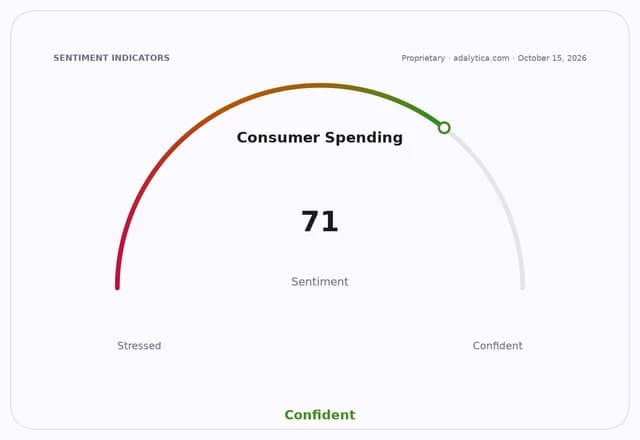
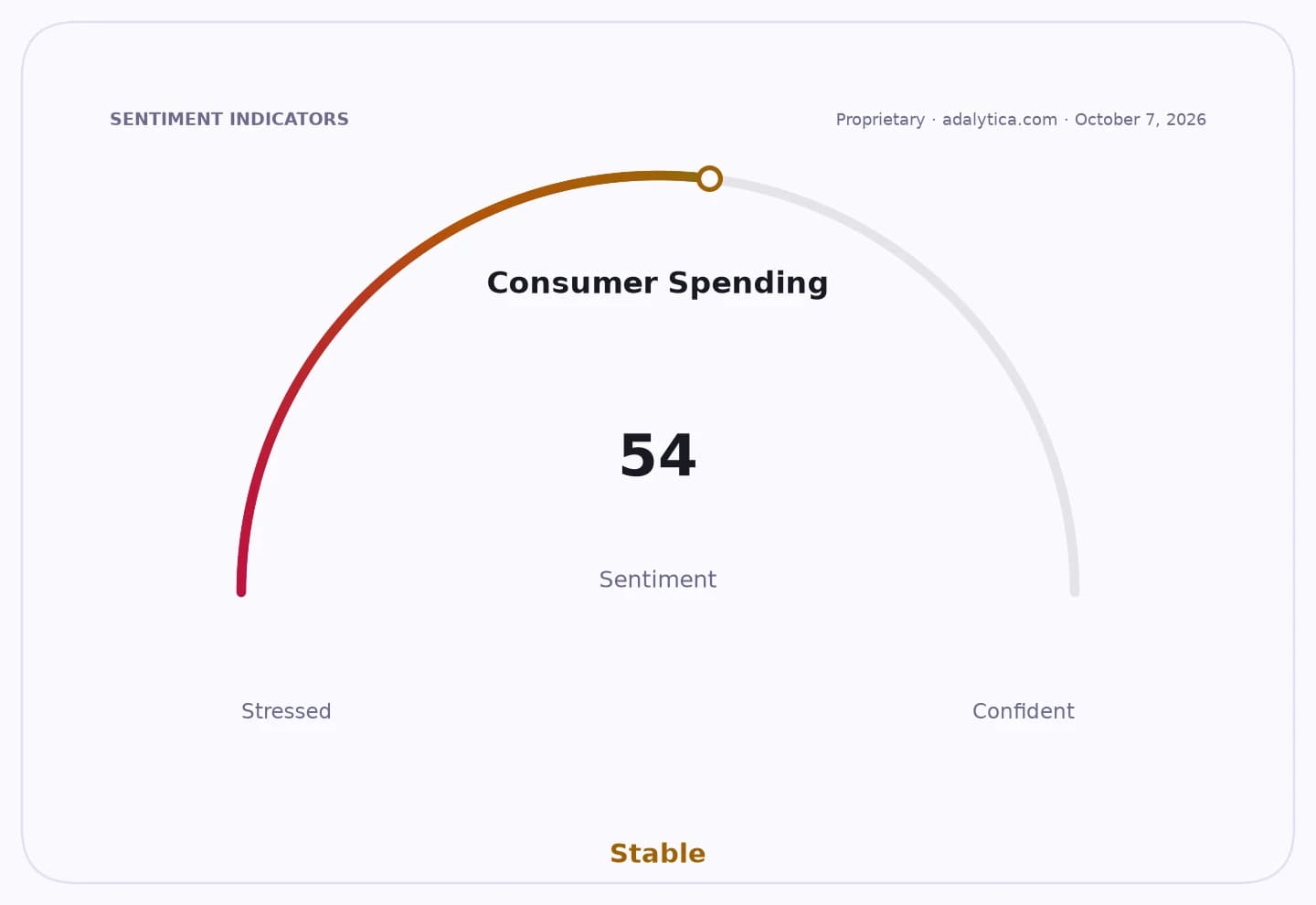
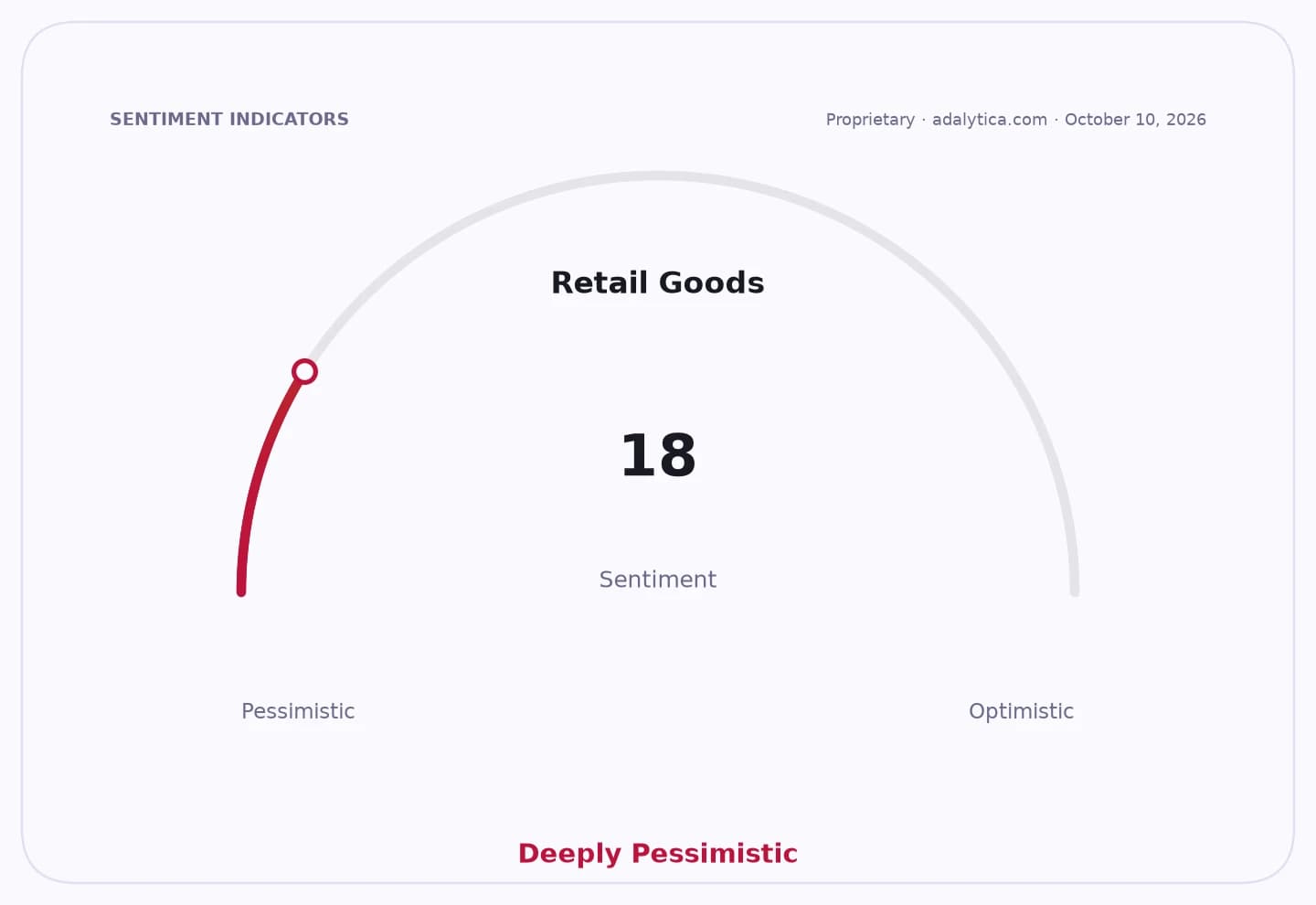
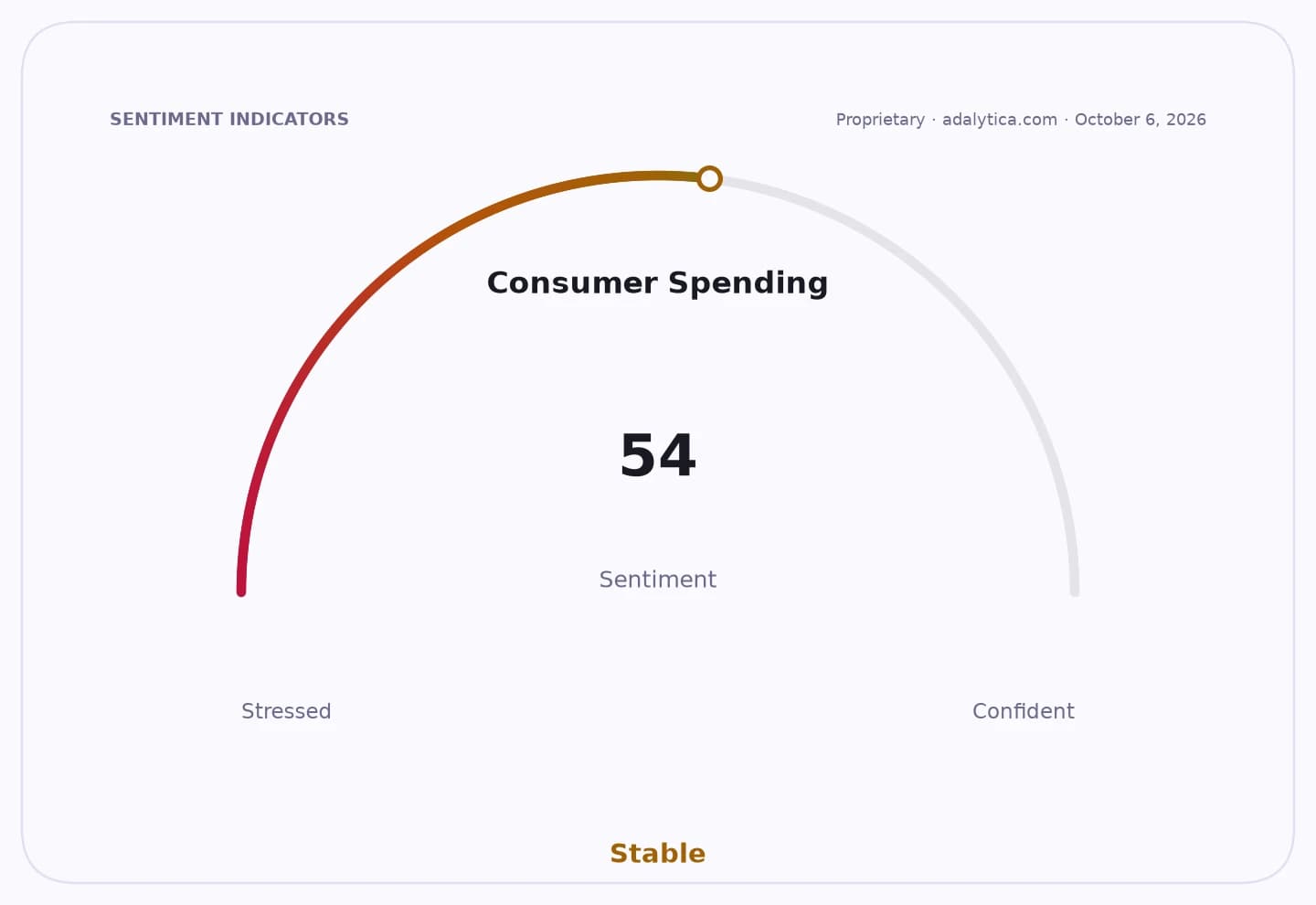
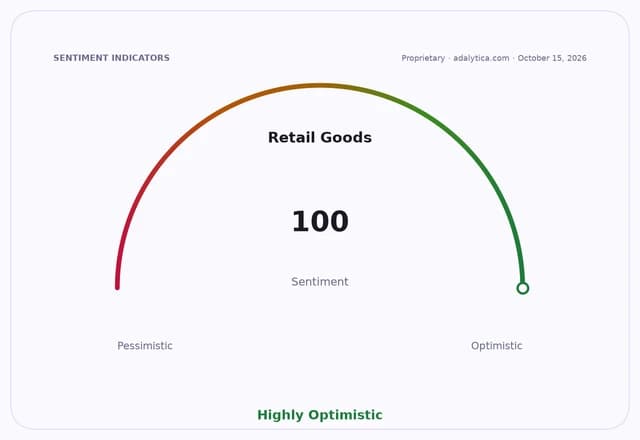
The backdrop is supportive for retail spending. Adalytica’s Retail Goods Spending Sentiment is at 100, labeled “Extreme Greed,” while its Consumer Spending Sentiment sits at 71, or “Greed,” suggesting consumers remain willing to spend even as awareness levels stay muted. For Amazon, that environment helps justify aggressive promotions, though the company still has to balance traffic gains against the margin cost of discounting.
Amazon shares have recently been trading near $254, below the 50-day moving average around $258.6 and just under the 200-day moving average near $242.5 support, with the stock’s recent pullback reflecting some caution even as longer-term trends remain intact. Investors will be watching whether the deal event translates into stronger fourth-quarter sales commentary, sustained Prime engagement and less pricing pressure than feared.
The next catalyst is whether Amazon extends or refreshes offers before the sale ends at midnight, a pattern that could keep demand elevated into the holiday shopping stretch.
| Entity | Gains | Losses |
|---|---|---|
| Amazon | ▲Higher traffic and Prime engagement | ▼Short-term margin pressure |
| Shoppers | ▲Lower prices on branded goods | ▼Missed deals if they wait |
| Competing retailers | ▲— | ▼Pricing pressure and lost demand |
| Amazon shareholders | ▲Holiday sales momentum | ▼Discount-driven profit drag |