Greece’s interior ministry is moving to halve public utility service charges on the first band of electricity consumption, a policy shift aimed at easing household bills as energy affordability remains a political and economic pressure point.
Greece plans 50% cut in first-tier electricity charges
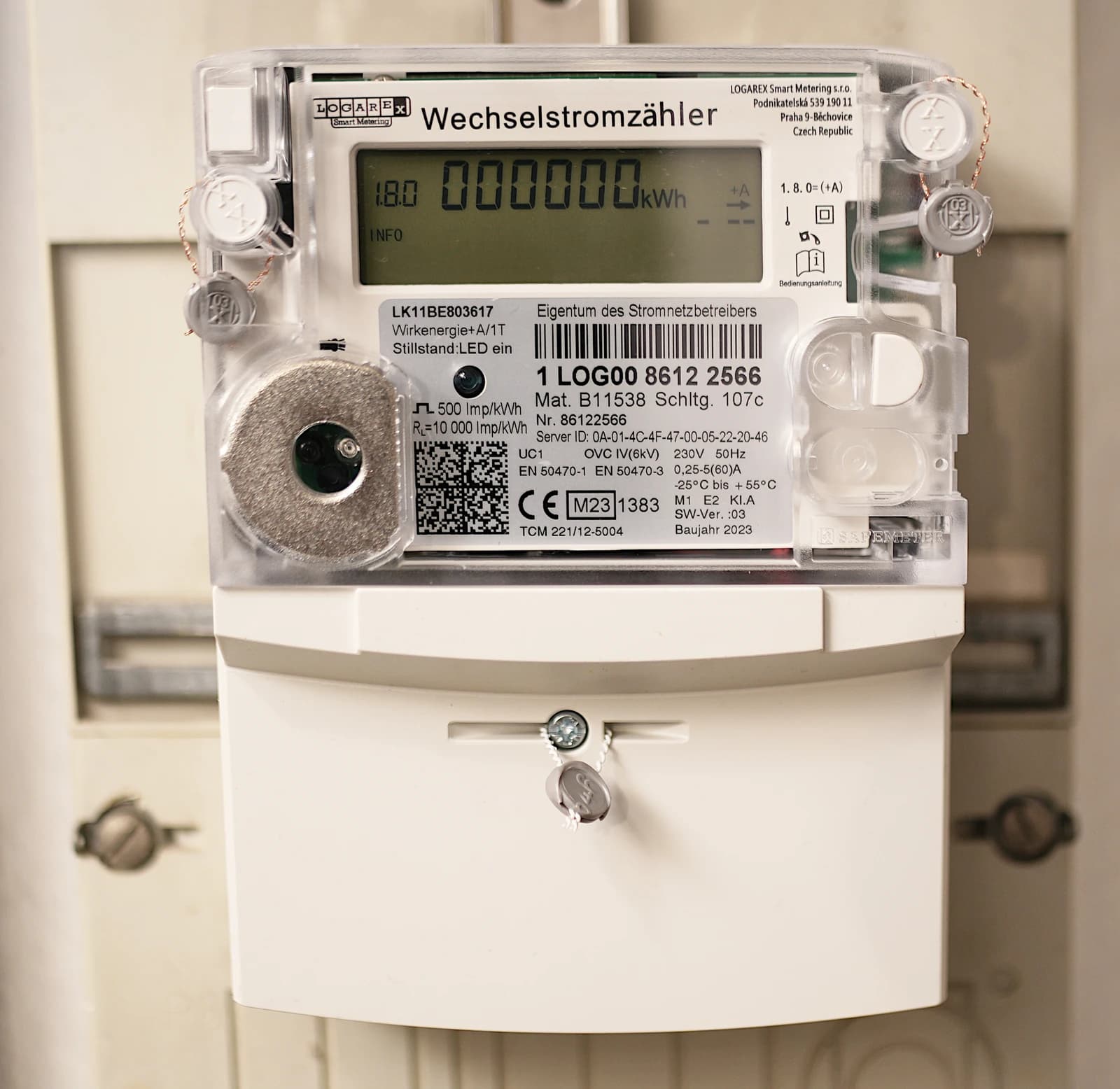
The proposal matters because electricity prices feed directly into consumer spending, inflation expectations and the cost structure of small businesses, which are often the most exposed to regulated power bills. A 50% cut on the first consumption tier would give the biggest relief to lower-usage households, while doing less for heavier users and energy-intensive firms that remain sensitive to broader power-market costs.
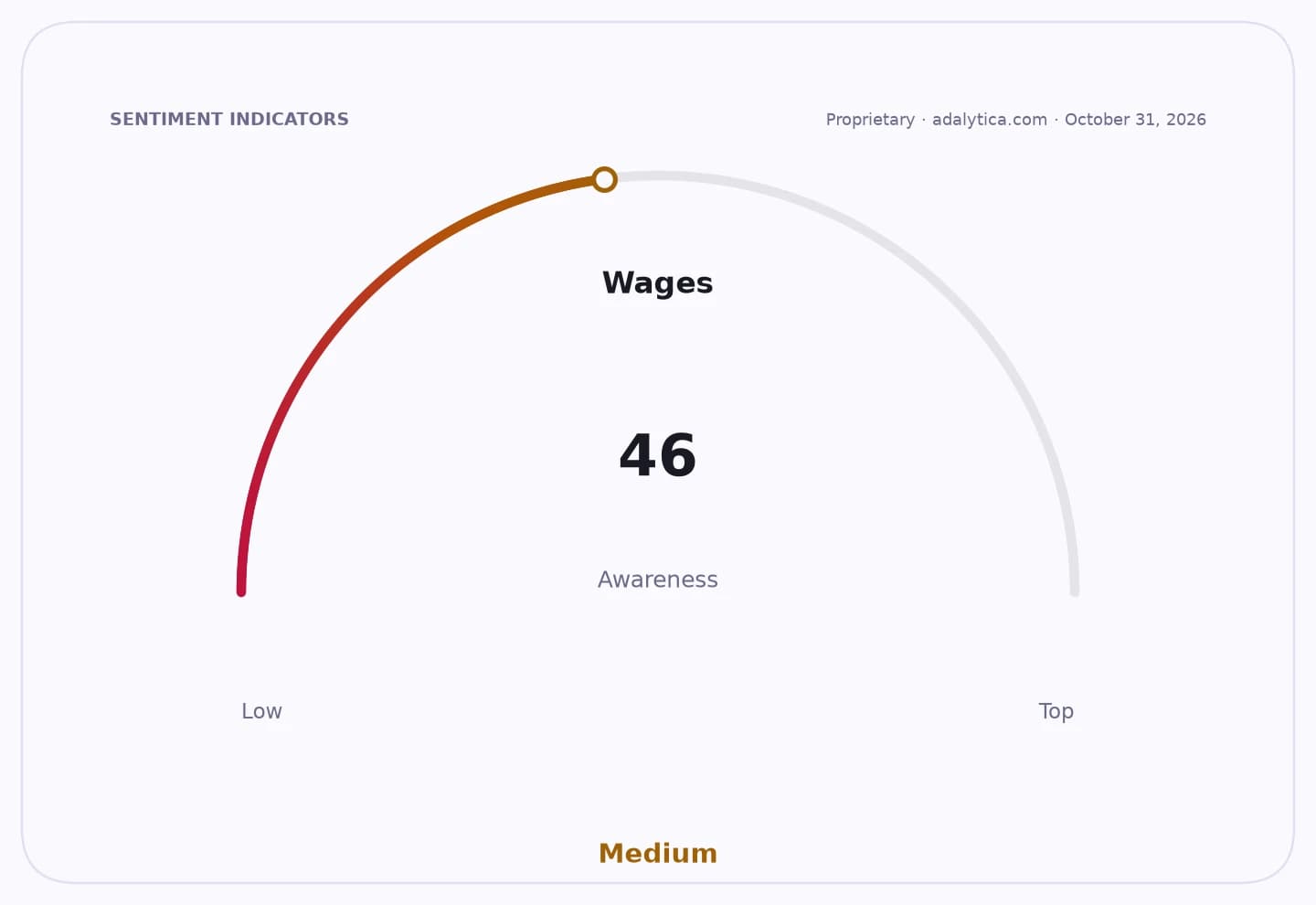
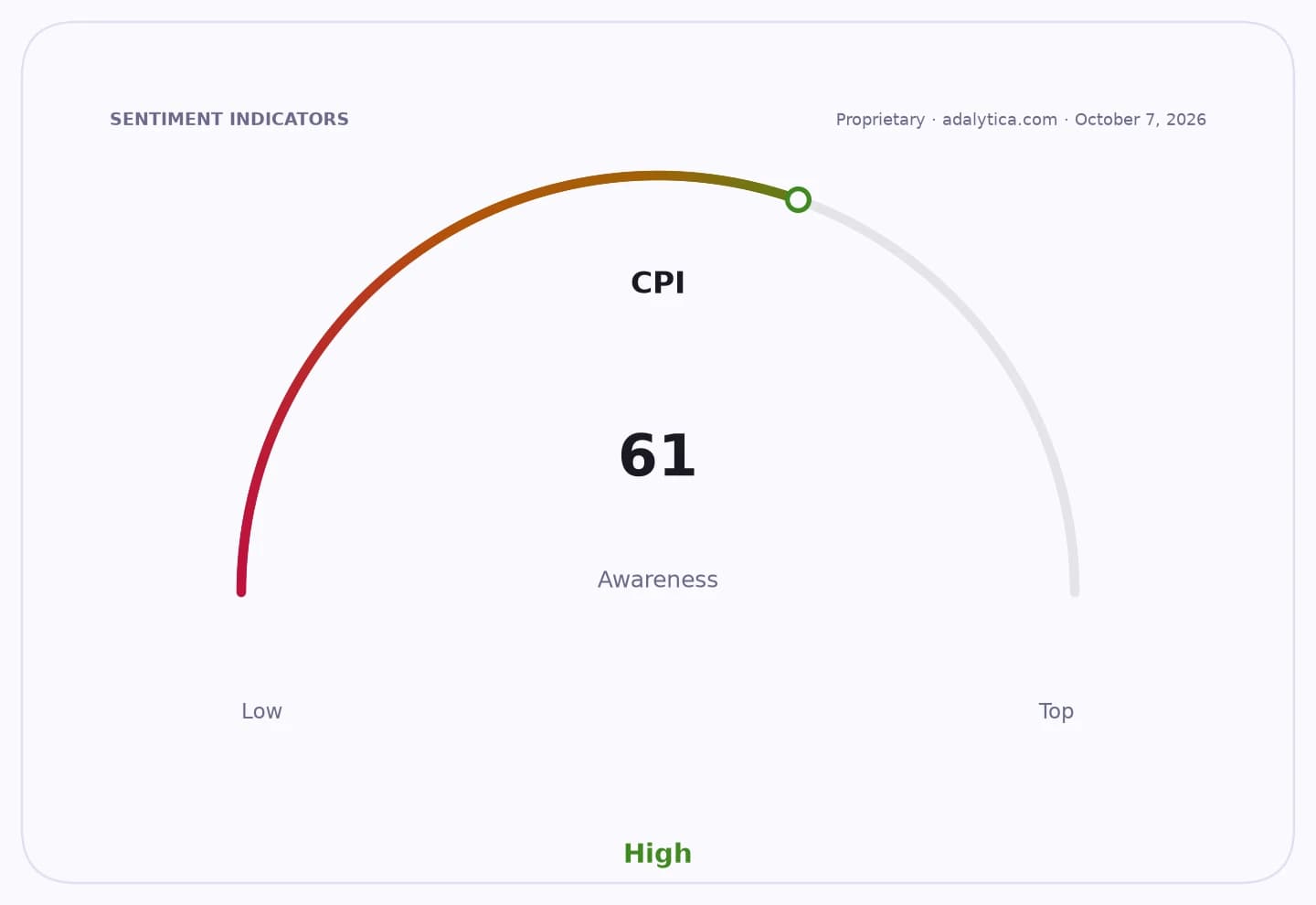
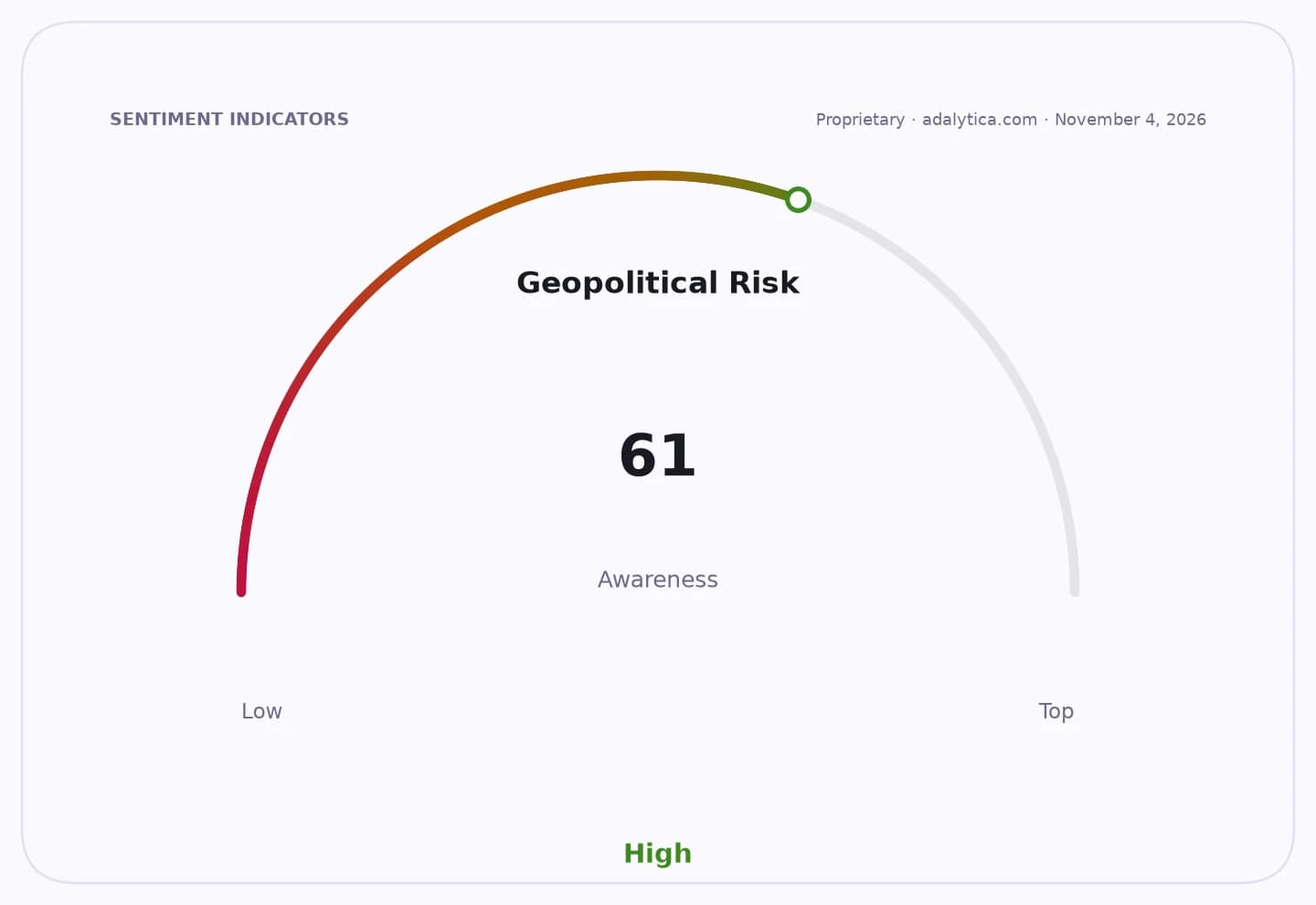
Sentiment Indicators
For investors, the measure is another sign that governments are still willing to lean on the energy sector to cushion voters from high living costs, even as officials try to keep support more targeted than during earlier subsidy rounds. That typically helps consumer sentiment but can complicate revenue visibility for utilities and limit room for wholesale price pass-throughs.
The policy also lands against a backdrop of uneven inflation dynamics and a labor market that remains relatively steady, with unemployment around 4.2%, suggesting the government is choosing to protect real incomes before pressures broaden. In markets, utility shares tend to be watched closely whenever regulated tariff structures change, because even small adjustments can affect cash flow assumptions and rate-setting debates.
The broader narrative is clear: after years of sharp energy-price swings, policymakers are trying to preserve grid stability and social acceptance of the power system without reopening the spending floodgates. Investors will now look for the bill’s final wording, the size of any offsetting budget cost and whether similar relief is extended to other consumer categories or left narrowly targeted.
| Entity | Gains | Losses |
|---|---|---|
| Greek households | ▲Lower electricity bills | ▼None immediately |
| Small businesses | ▲Reduced operating costs | ▼Utilities’ pricing power |
| Greek government | ▲Political relief | ▼Budget flexibility |
| Utilities | ▲Clearer tariff rules | ▼Lower regulated revenue |