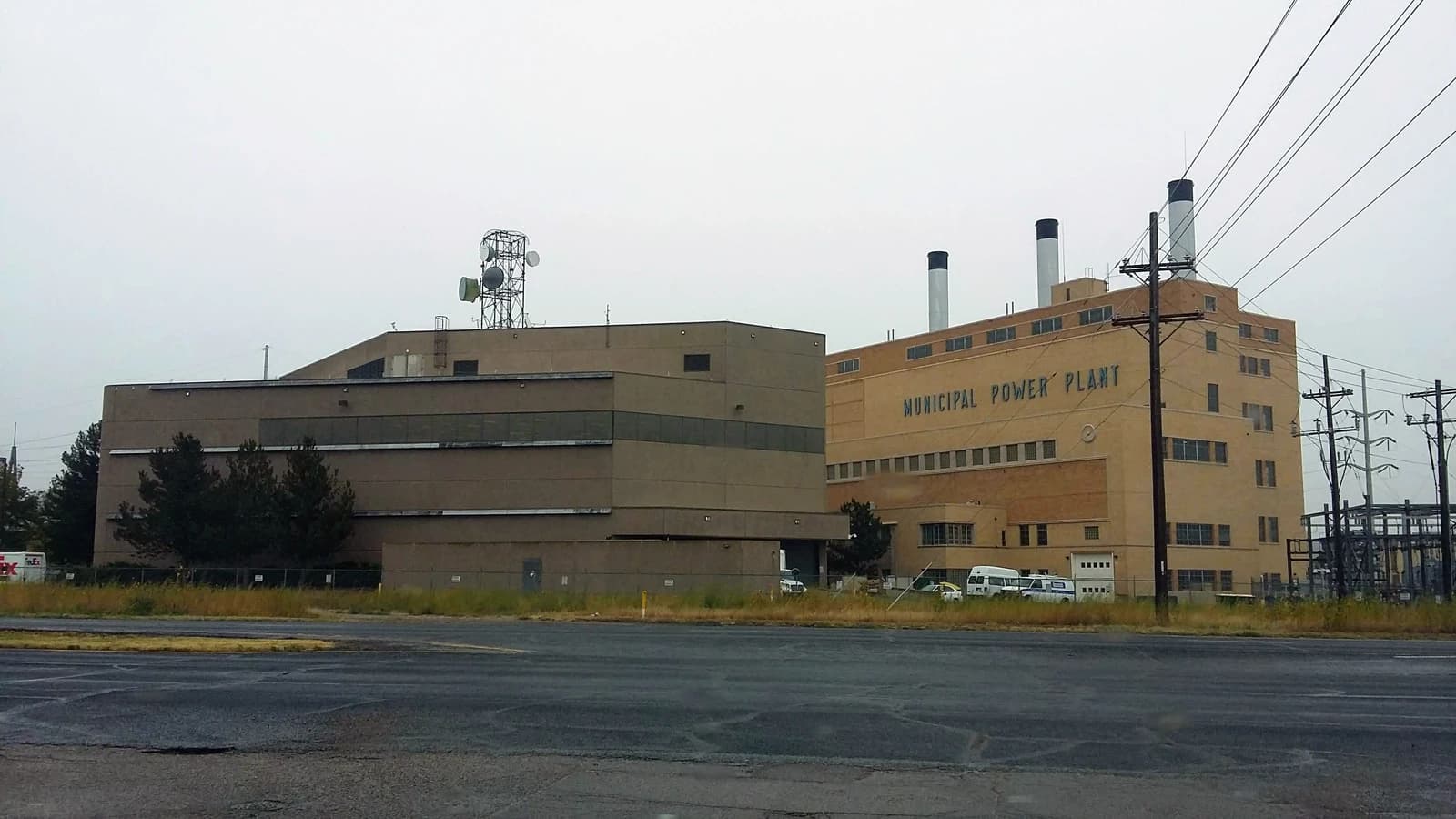
Rising electricity and heating bills are turning state utility regulators into a voter issue in nine states, raising the stakes for utilities, ratepayers and investors as households brace for another expensive winter.
Utilities elections in nine states raise rate risk
On Tuesday, voters in Alabama, Arizona, Georgia, Louisiana, Montana, Nebraska, North Dakota, Oklahoma and South Dakota will choose officials who help decide whether utilities can raise rates, how quickly grid costs are passed through and whether large power users such as data centers pay more of the bill. That makes the races important not just for household budgets but for the economics of utility earnings, which depend on regulatory approval for returns on capital spending.
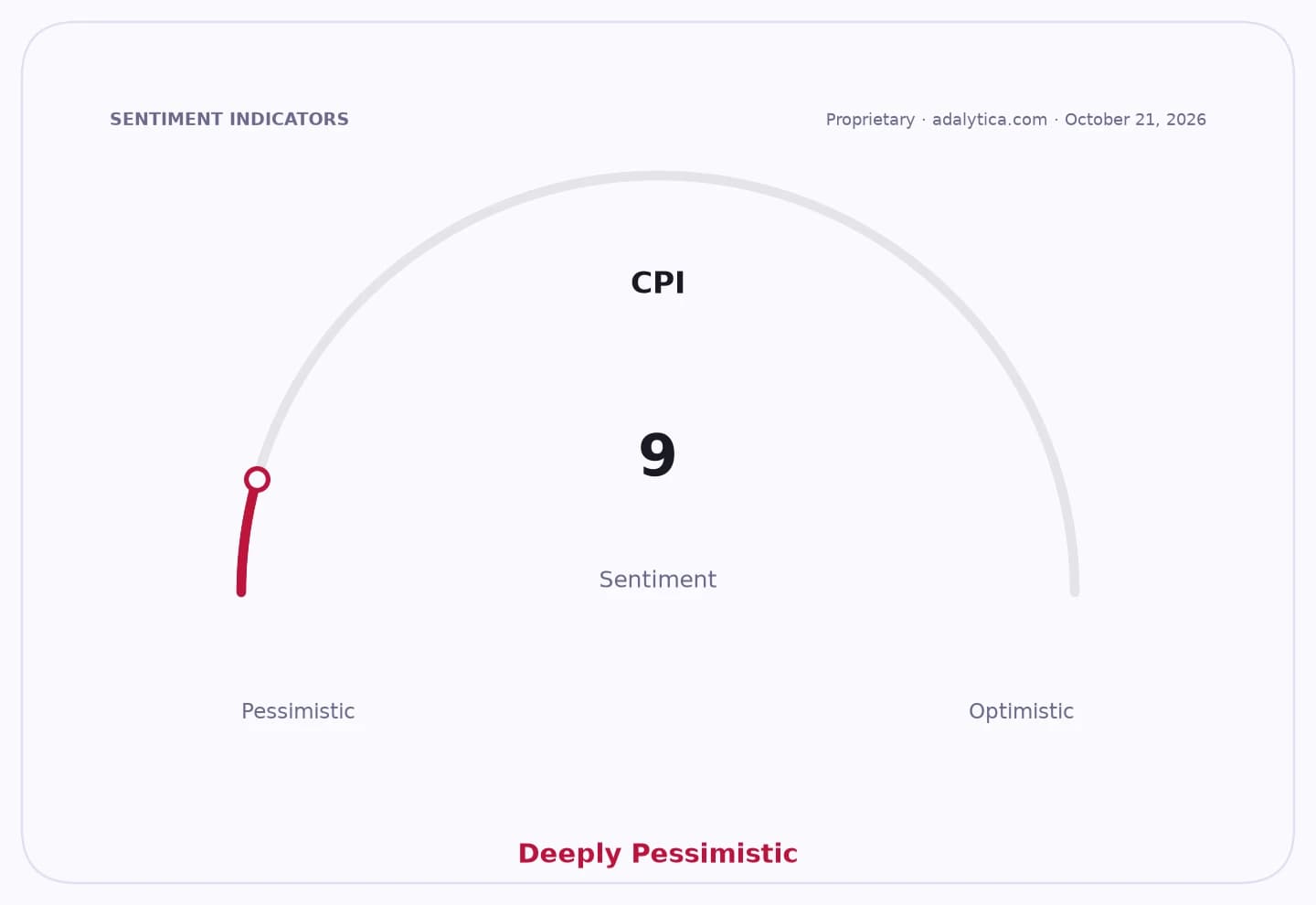
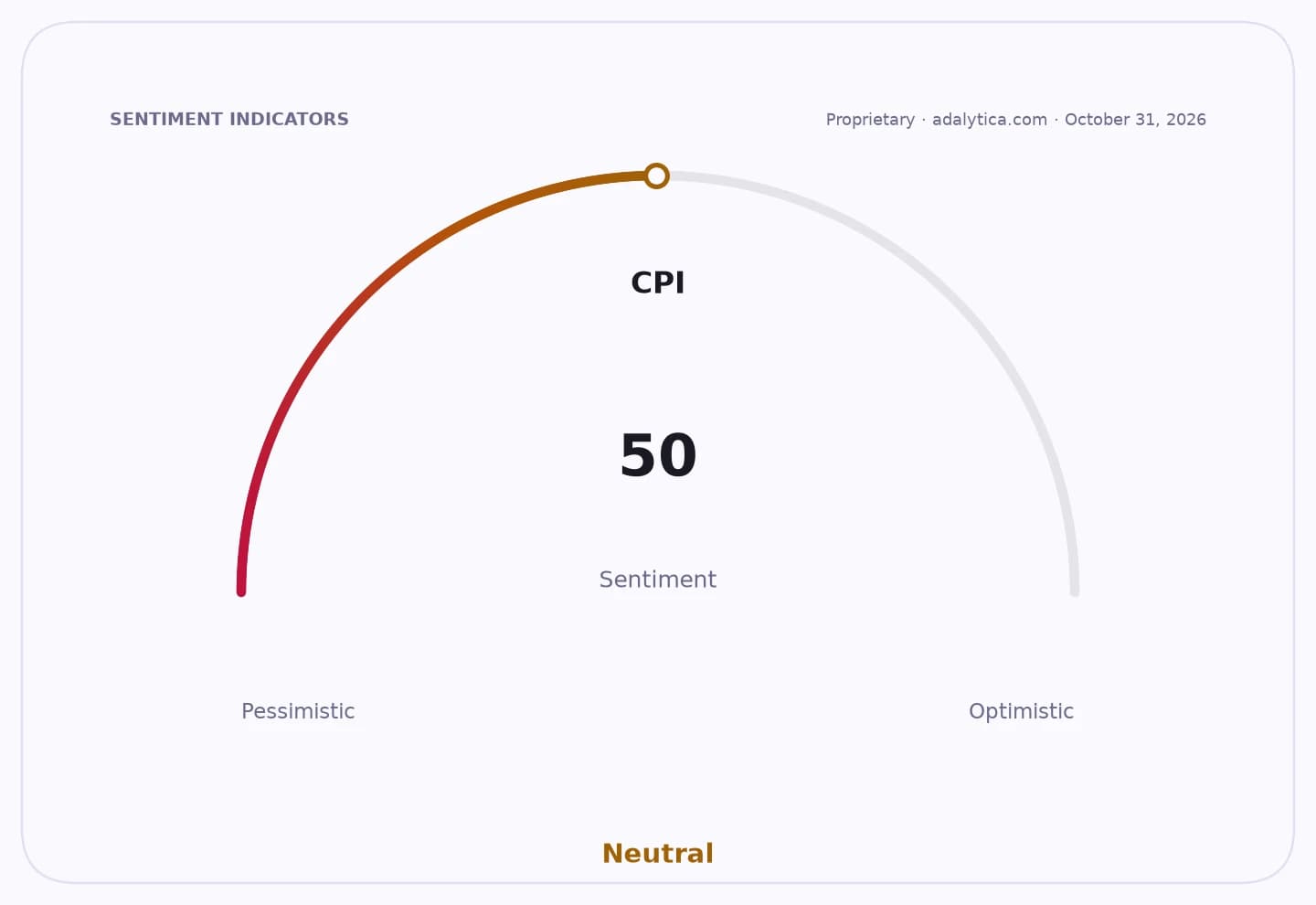
Sentiment Indicators
The political backlash is building at a time when U.S. households are projected to spend an average of $1,030 to heat their homes this winter, up $82 from a year earlier, according to the National Energy Assistance Directors Association. The group said that 8.7% increase is more than 2.5 times inflation, while households that rely on heating oil in the Northeast face a projected 50% jump.
The pressure has already shown up in local races. Utility prices played a major role in Democratic gubernatorial wins in New Jersey and Virginia, while Democrats last year flipped two seats on Georgia’s utility board. In Alabama, two Republican incumbents were ousted in primary and runoff elections ahead of Tuesday’s vote, and in Arizona a Republican incumbent lost his primary, leaving two Democrats and two Republicans competing for two seats on the Corporation Commission.
For investors, the immediate impact is less about near-term relief for customers and more about the policy climate around rate cases, capital spending and profit recovery. Utilities have requested billions of dollars in rate increases nationwide, and regulators under political pressure may face more scrutiny over how much of those costs can be pushed onto residential customers versus industrial users such as data centers.
That matters for the sector because regulated utilities trade on the stability of their allowed returns. Shares of the Utilities Select Sector SPDR Fund, which tracks the group, have recently held near $43.65, above its 50-day moving average but close to its upper Bollinger Band, while Duke Energy and NextEra Energy have also been trading stronger than their 50-day averages. The moves suggest investors are already leaning into the defensive appeal of utilities even as regulatory risk rises.
The broader backdrop is an inflation story as much as an energy story. Higher wholesale power prices, grid costs and the growing electricity demand from data centers are colliding with voter frustration over affordability, putting state commissions in the political crosshairs and making utility rates a live issue well beyond Tuesday’s contests.
The next catalyst is whether the election results shift the tone of upcoming rate cases and whether regulators move faster on freezes, bill relief or cost shifts to large commercial users. Any change in those priorities could alter earnings visibility across the regulated utility sector heading into 2027.
| Entity | Gains | Losses |
|---|---|---|
| Ratepayer advocates | ▲More pressure for bill relief | ▼Less tolerance for rate hikes |
| Residential customers | ▲Potential protections from cost shifts | ▼Higher bills if rates keep rising |
| Utilities | ▲Clarity on allowed returns | ▼Greater political scrutiny |
| Data centers / large users | ▲Possible targeted rate design debate | ▼Higher cost pass-through risk |