Consumers across the U.S. are growing more frustrated with stubbornly high gas prices, and that strain is now showing up in collapsing confidence readings just weeks before the midterm elections.
Gas Prices Lift Inflation and Weigh on Consumers
The University of Michigan’s consumer sentiment index for October fell to its second-lowest level on record, underscoring how fuel costs and years of elevated inflation are eroding household spending power and complicating the outlook for the economy. The gauge is still 10% below a year ago and 15% below February, before the war-related jump in energy prices intensified the squeeze.
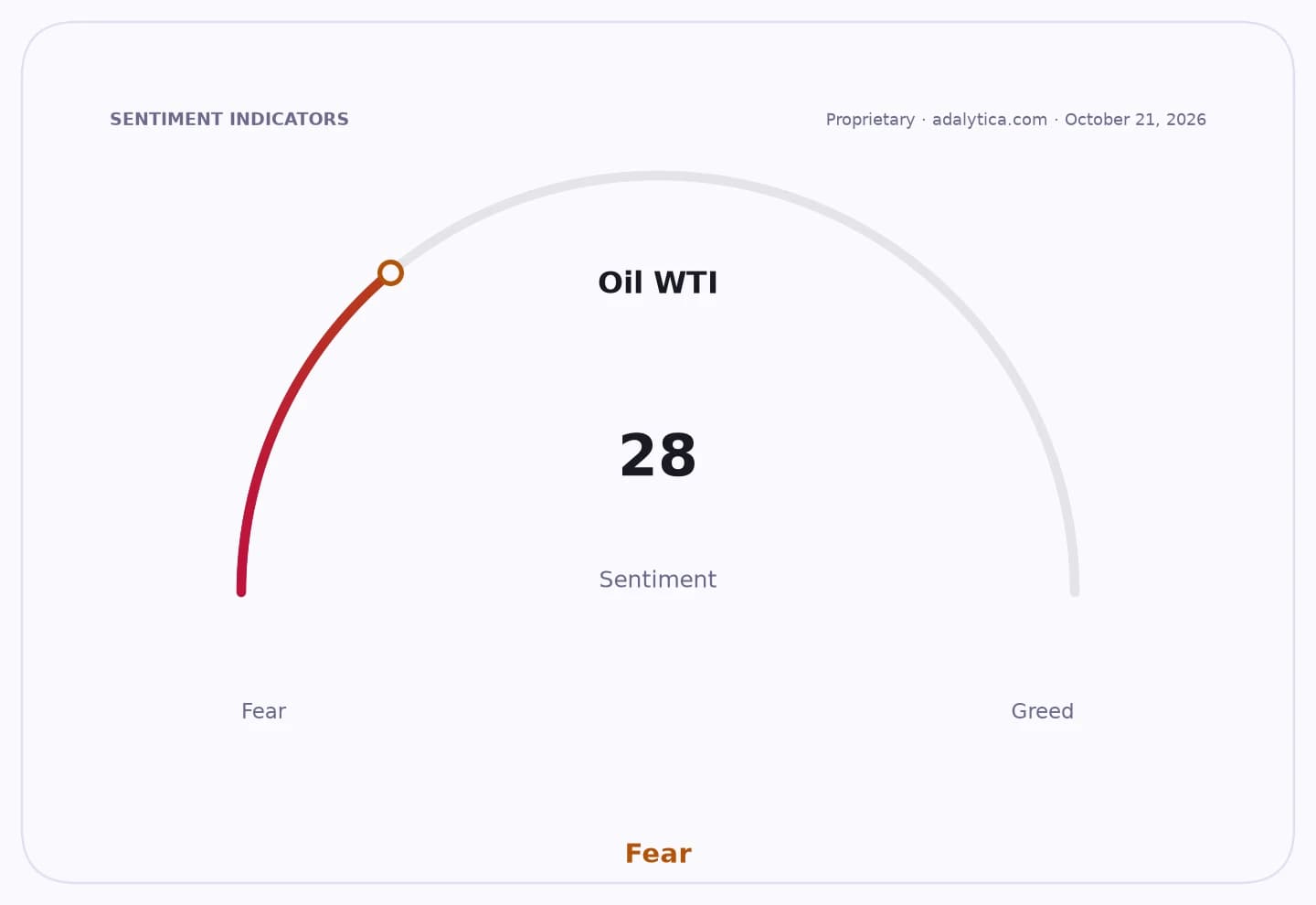
Sentiment Indicators
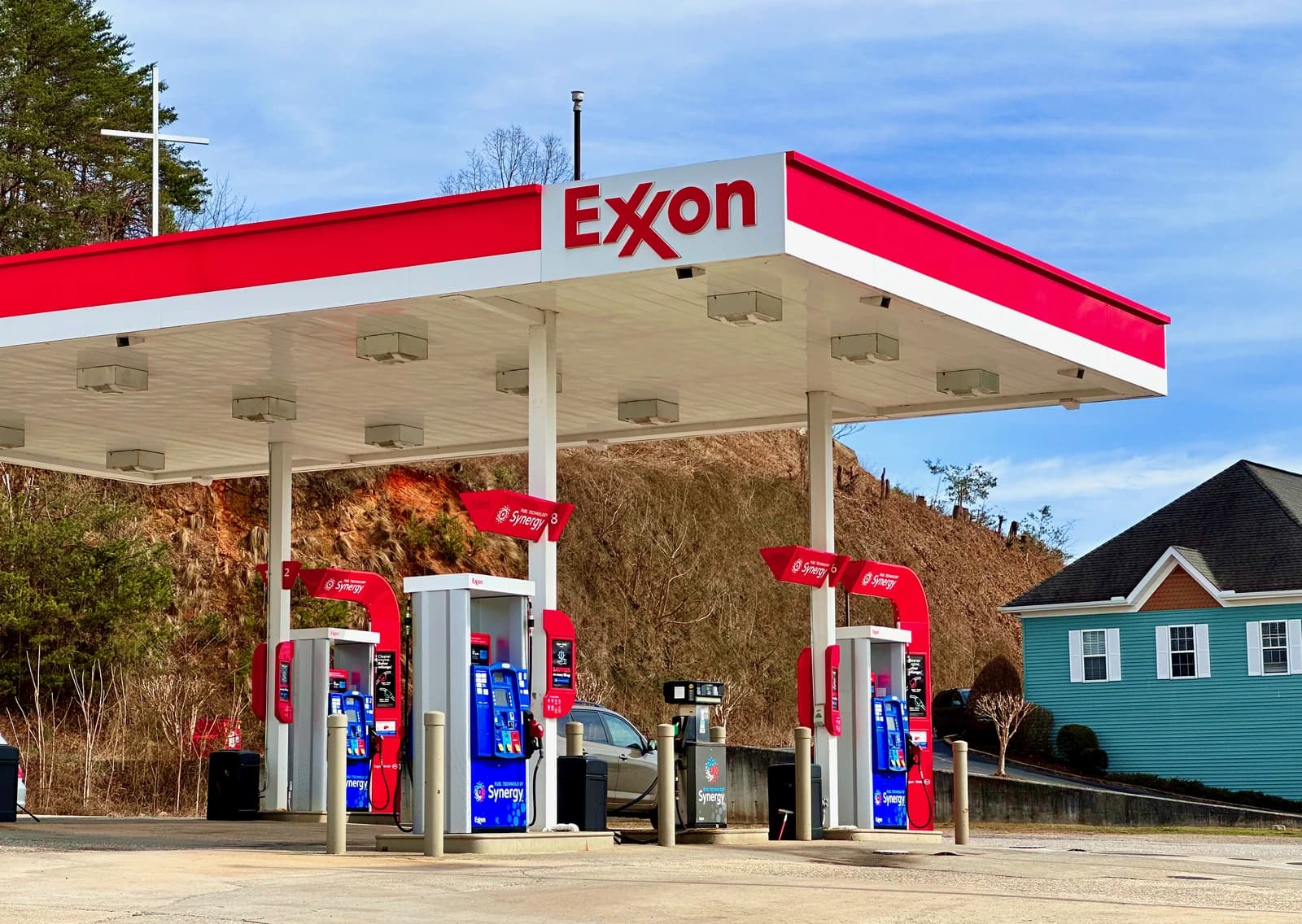
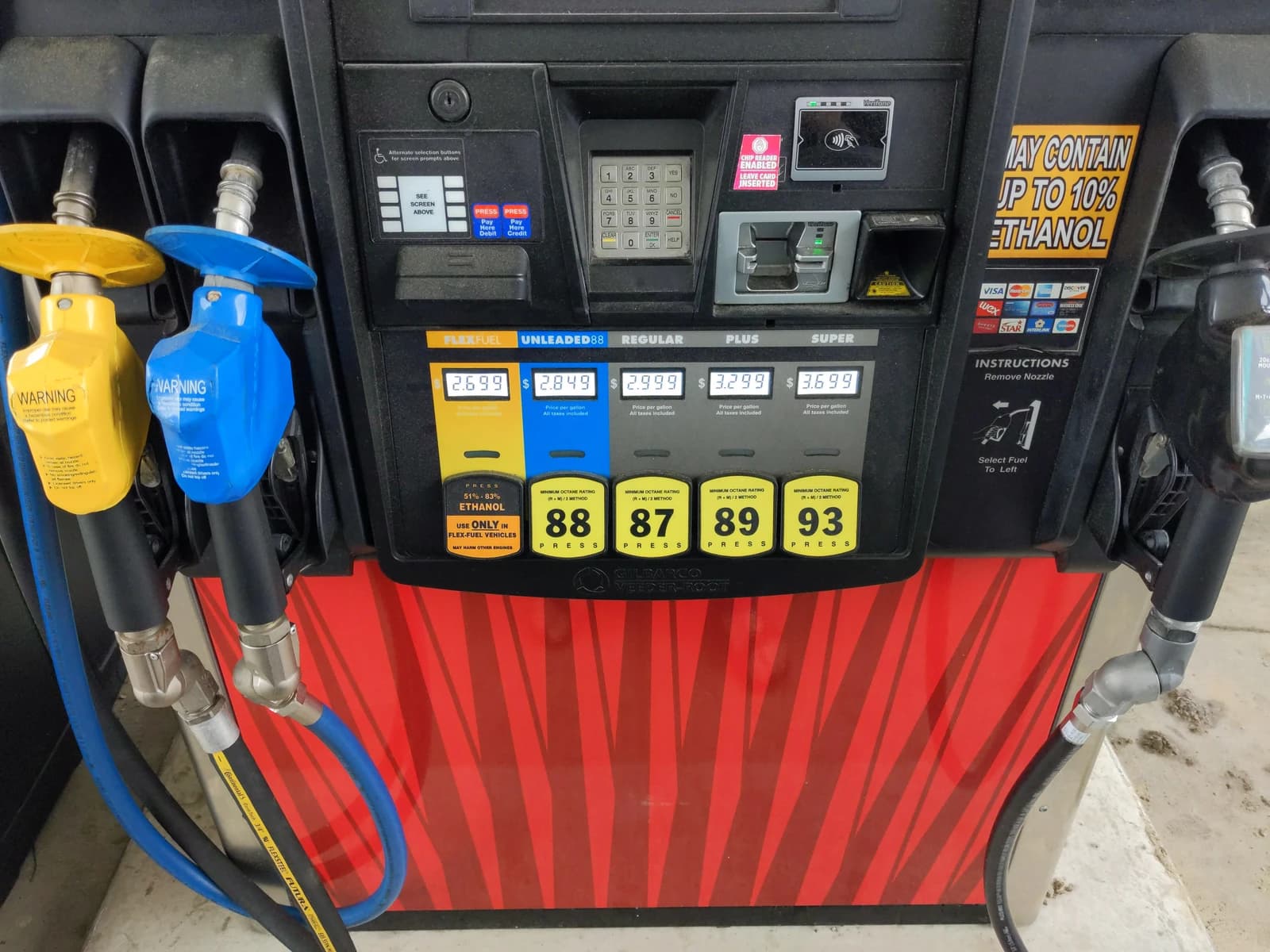
Regular unleaded gasoline is averaging $4.29 a gallon nationally, about 40% above a year ago, while diesel is running nearly 75% higher at $6.32 a gallon. Refinery disruptions have pushed prices even higher in parts of the Midwest, including Michigan and Ohio, while Brent crude topped $116 a barrel for the first time since March and was headed for a four-and-a-half-year closing high.
That matters because energy costs feed directly into inflation, transportation expenses and consumer behavior. When households expect prices to keep rising, they often pull forward spending and push for higher wages, which can keep inflation sticky even as the Federal Reserve tries to cool demand.
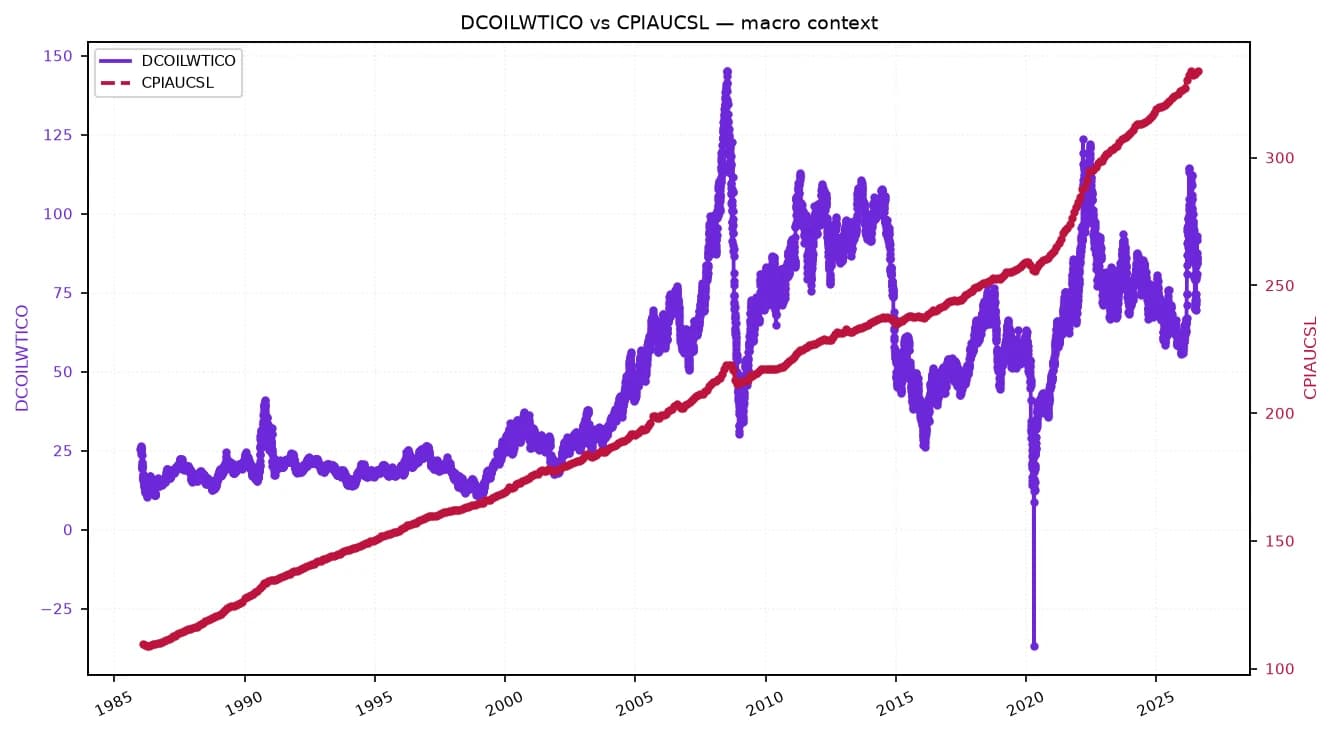
DCOILWTICO vs CPIAUCSL — macro contextadalytica.com
Explore this data interactively — full history, time series and cross-market comparisons.
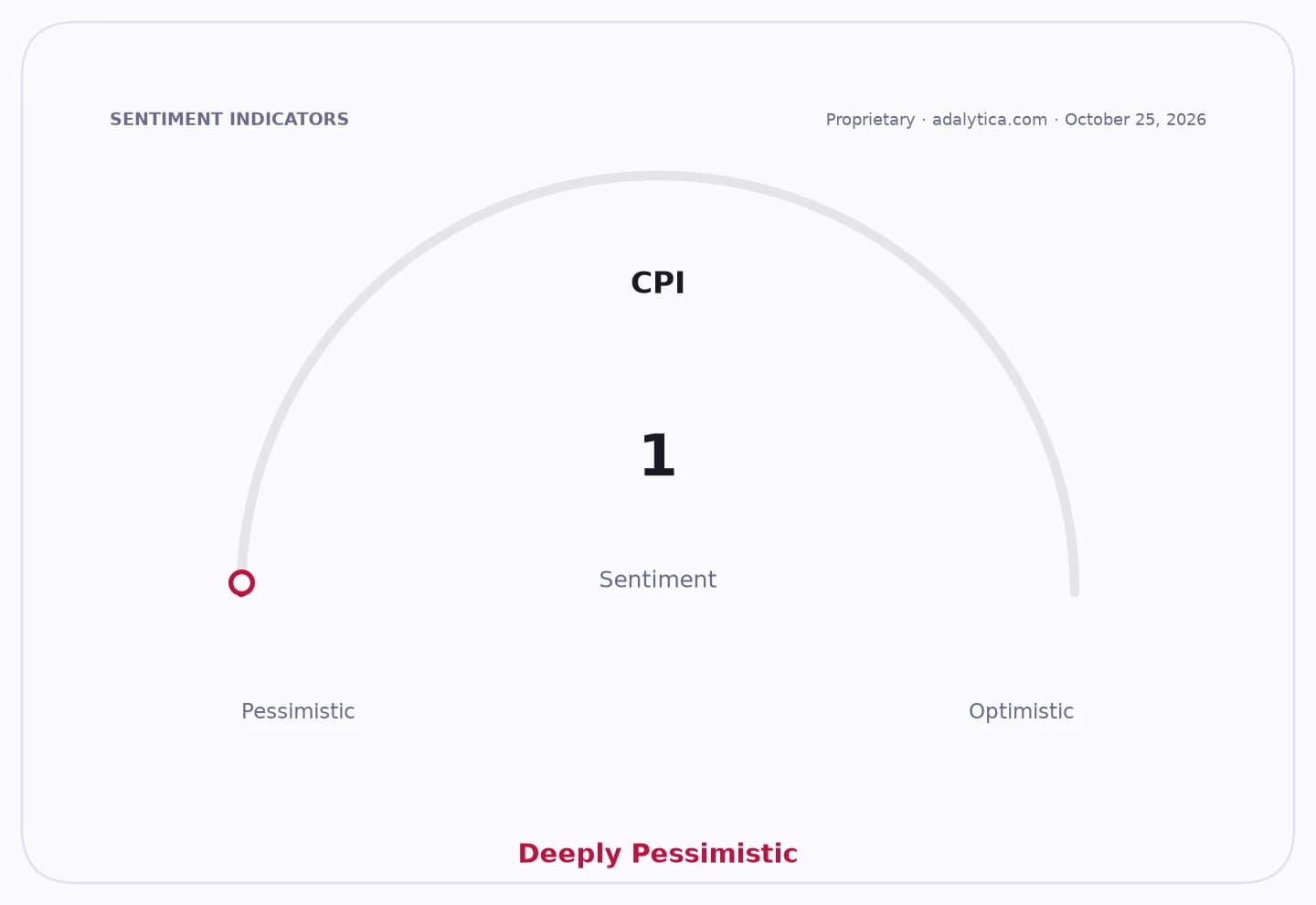
CPI
The pain is broad-based politically, not confined to one voting bloc. University of Michigan economist Joanne Hsu said the increases are being felt “across the political spectrum,” with Republicans showing the biggest proportional increase in concern and lower-income households carrying more of the burden.
The Fed will be watching those inflation expectations closely at next week’s policy meeting, its last rate decision before the election. If consumers continue to believe gas and other prices will stay elevated, policymakers may face a harder job restoring price stability without further damage to growth.
| Entity | Gains | Losses |
|---|---|---|
| Oil producers | ▲Higher realized prices | ▼Demand destruction risk |
| Refiners | ▲Wider fuel margins | ▼Volatile feedstock costs |
| Consumers | ▲— | ▼Higher fuel and inflation burden |
| Federal Reserve | ▲— | ▼Harder inflation fight |