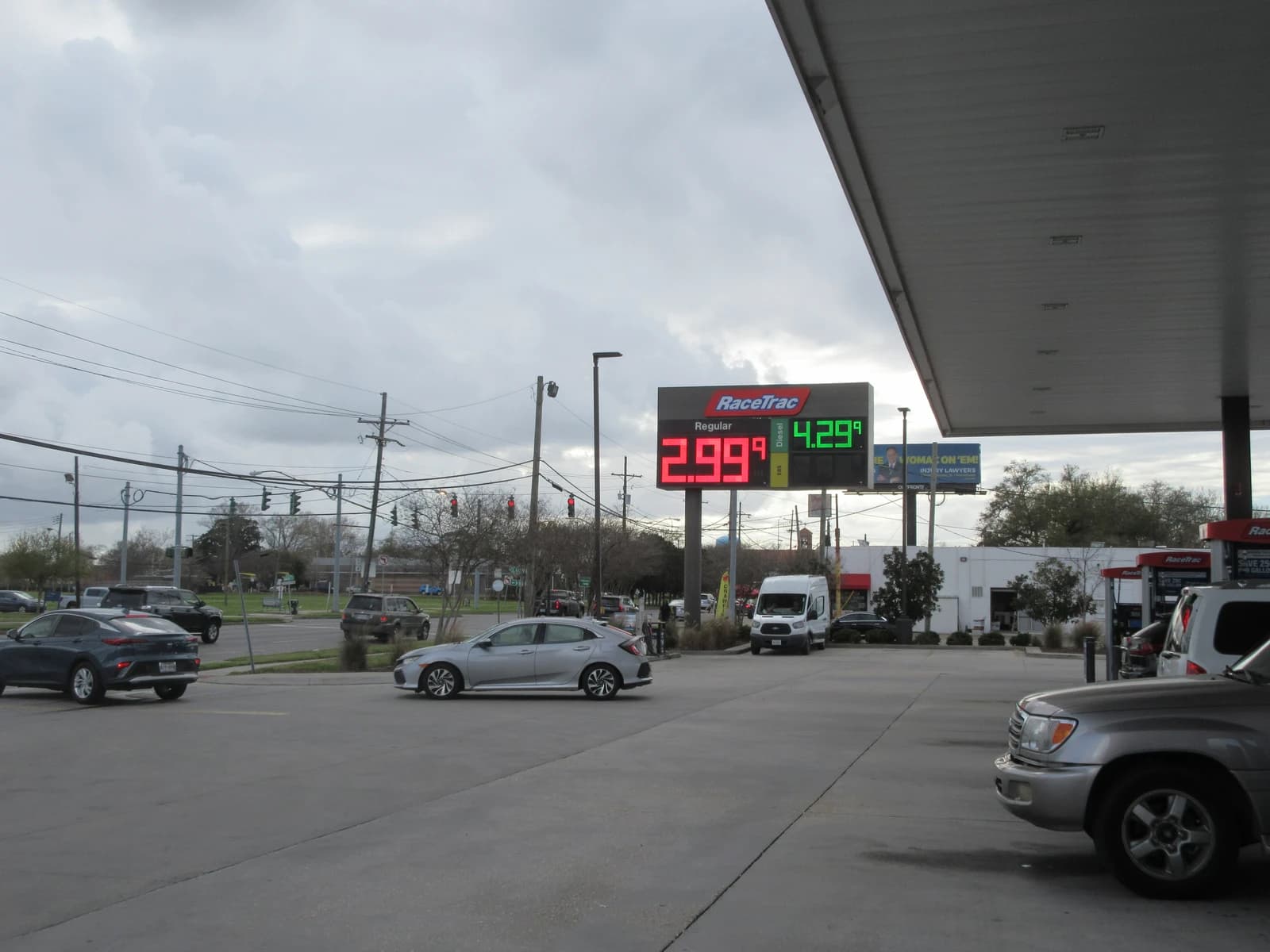
Fuel prices are climbing again after a stretch of calm, and the move is being driven less by petrol and more by a tightening diesel market that is feeding through to pump prices in several countries.
Diesel prices rise as fuel costs climb again
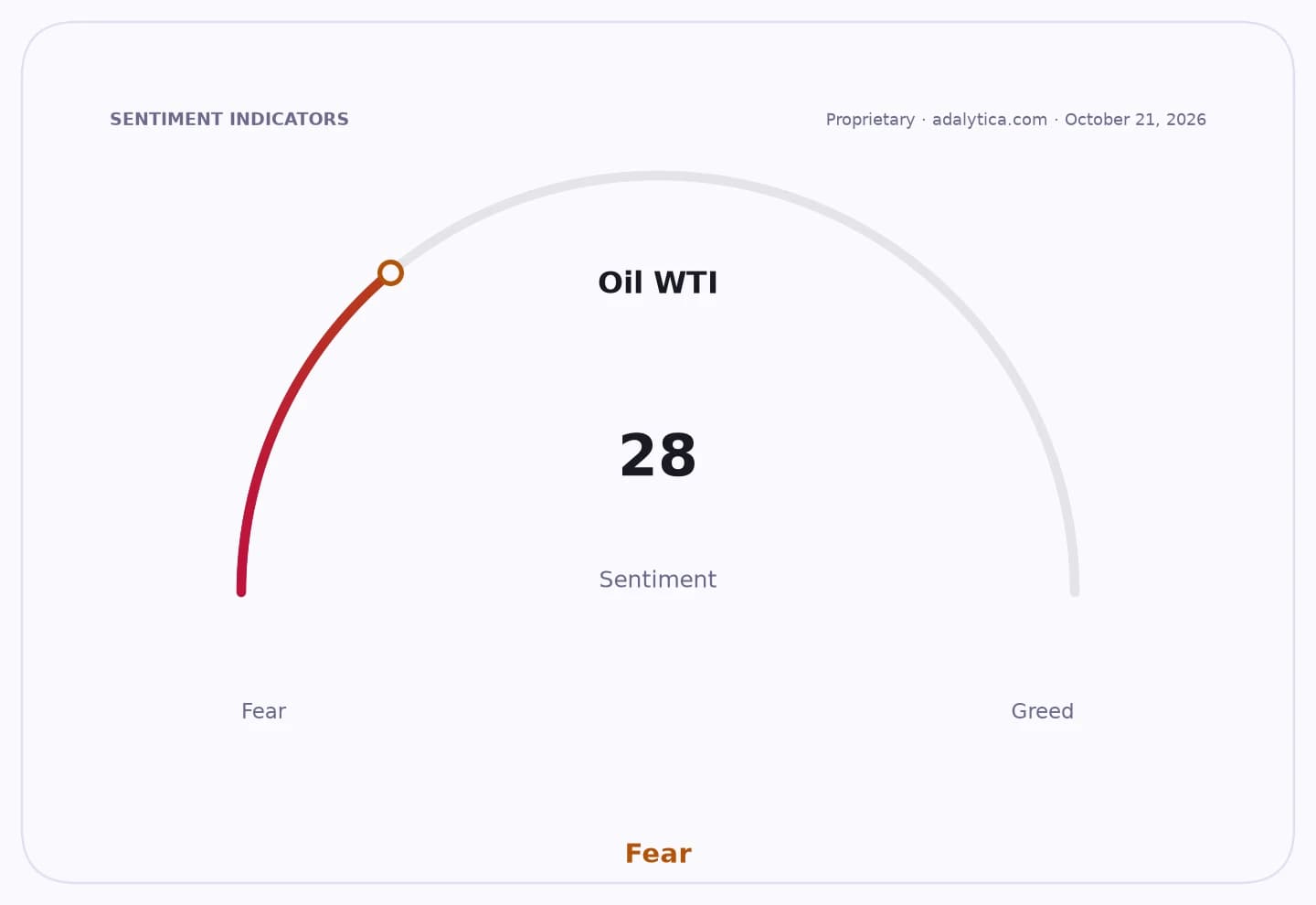
That matters because diesel is the backbone fuel for trucking, shipping, agriculture and much of industrial logistics, so even modest increases can ripple through goods prices and margins. With U.S. benchmark crude forecast to hold around $102.53 a barrel and WTI already trading above $100 in mid-October, the market is re-entering the kind of cost environment that tends to keep inflation sticky rather than easing it.
Sentiment IndicatorsⓘProprietary · adalytica.com · October 21, 2026
This is a snapshot — live sentiment, awareness and momentum for 130+ markets update continuously in the dashboard.Open AlphaPulse
The latest price list points to a split market: petrol is broadly stable, but diesel is rising faster across markets including Uganda, Lebanon and the Czech Republic. In Uganda, the added pressure from a weaker shilling is compounding import costs, while globally a diesel shortage is tightening supply just as seasonal demand and refining constraints keep inventories thin. The result is a familiar but economically important pattern: consumers may not feel a broad-based fuel shock immediately, but transport and distribution costs start to firm first.
That is relevant for policymakers as well as investors. Higher fuel costs can feed back into consumer inflation at a time when price pressures are not fully extinguished. U.S. CPI rose to 336.298 in September from 334.131 in August, and the October forecast still points to inflation staying elevated. Adalytica’s CPI sentiment gauge sits at “Extreme Fear,” underscoring how sensitive markets remain to any renewed energy-led inflation impulse.
DCOILWTICO vs CPIAUCSL — macro contextadalytica.com
Explore this data interactively — full history, time series and cross-market comparisons.Open AlphaPulse
For oil investors, the setup is more nuanced. Refiners have been the clearest beneficiaries of the tighter product market. Marathon Petroleum, Valero and Phillips 66 have all seen their shares reprice sharply higher this year, helped by strong refining margins and the market’s willingness to pay up for downstream earnings resilience. Marathon Petroleum closed at $471.37 on Oct. 21, far above its 50-day moving average of $405.03 and 200-day average of $279.91, while Valero ended at $432.12 versus a 50-day average of $388.86. Phillips 66 traded at $289.82, also well above both its 50-day and 200-day moving averages.
That strength reflects a market thesis that diesel crack spreads and refinery utilisation can stay supportive even if crude itself is volatile. The bear case is that if crude pushes higher for longer, the cost side eventually bites into margins and demand destruction starts to show up in fuel consumption. The bull case is that constrained diesel supply keeps product prices elevated enough to support refining profits and offset some of the pressure from more expensive feedstock.
For households and businesses, the immediate question is not whether oil is above $100, but which station is cheapest and how long diesel stays expensive. For markets, the bigger question is whether this is a short-lived regional adjustment or the start of another inflationary leg driven by products rather than crude.
| Entity | Gains | Losses |
|---|---|---|
| Refiners | ▲Stronger diesel margins | ▼Higher feedstock costs |
| Oil producers | ▲Higher crude pricing power | ▼Demand risk if prices rise too far |
| Trucking and logistics firms | ▲None | ▼Higher fuel and operating costs |
| Consumers and importers | ▲Stable petrol in some markets | ▼Rising diesel bills and inflation pressure |