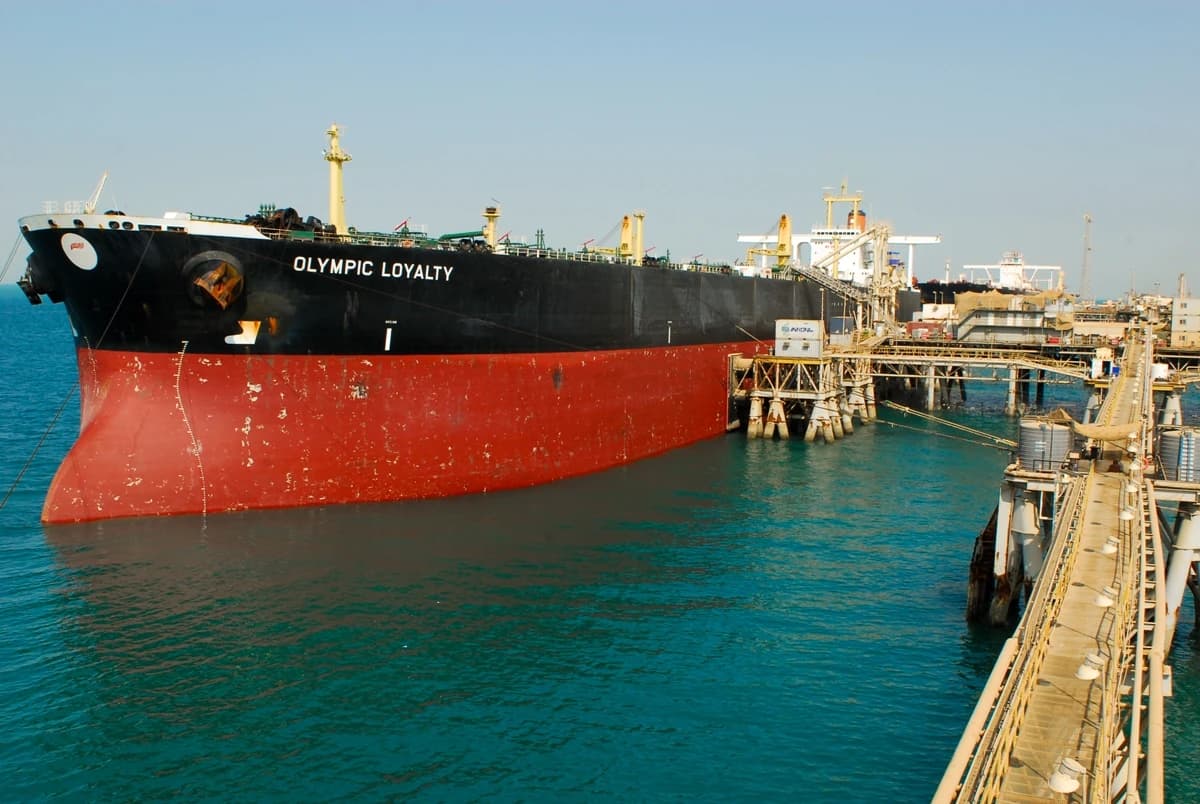
Gasoline prices have not tracked the recent slide in crude because the cost of making and moving fuel has remained tight, and Exxon Mobil’s latest trading and refining performance helps explain why pump prices stayed sticky even as oil softened.
Exxon, refiners gain as gasoline stays sticky
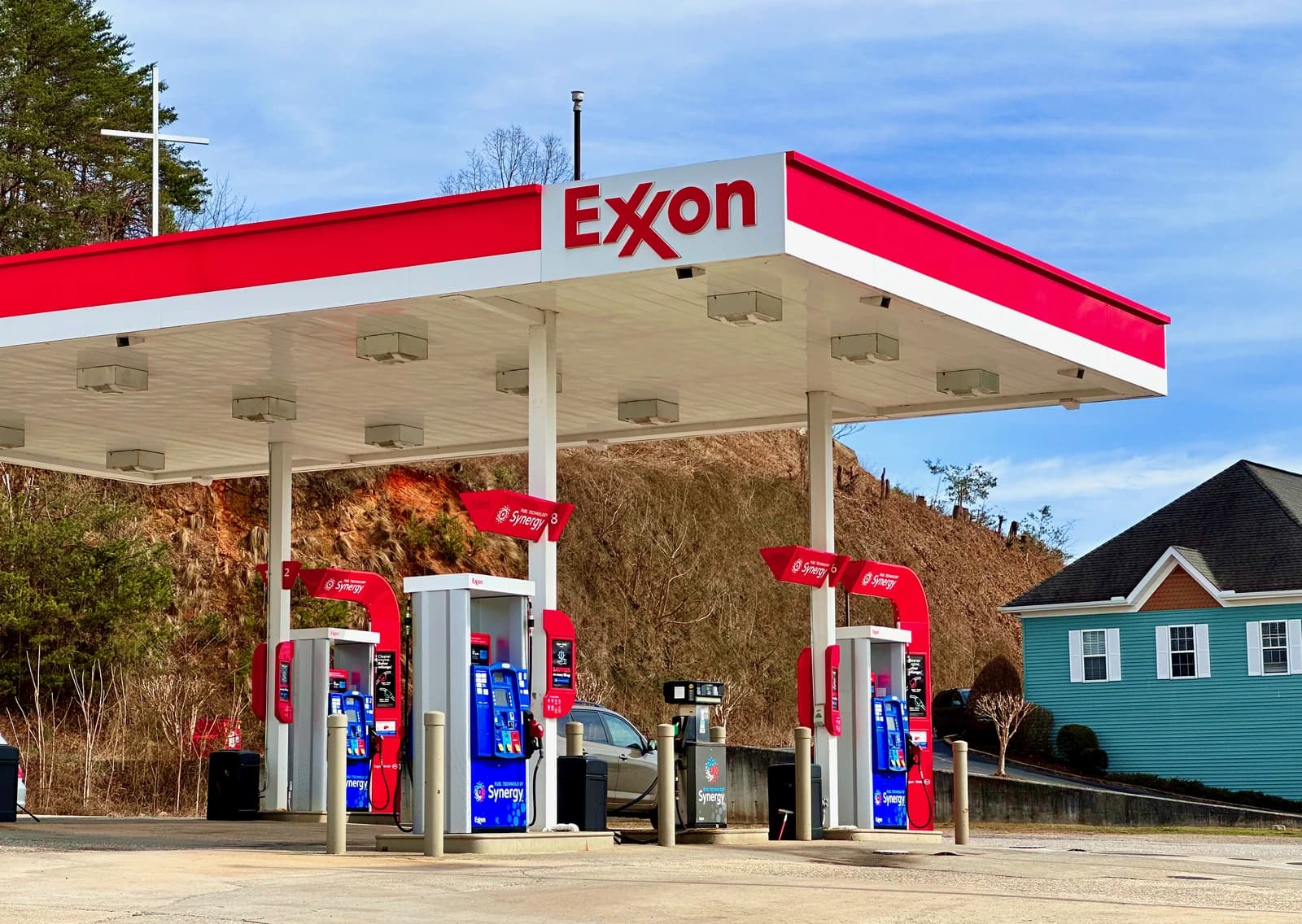
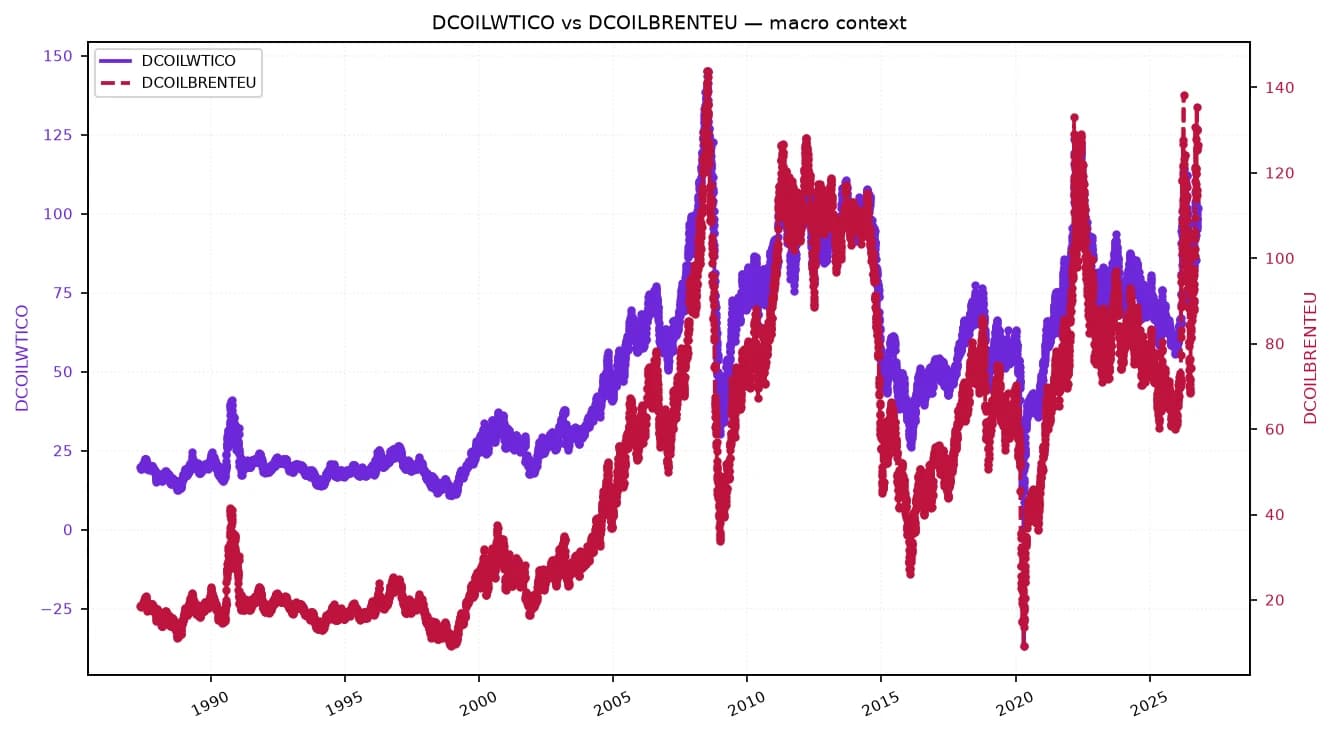
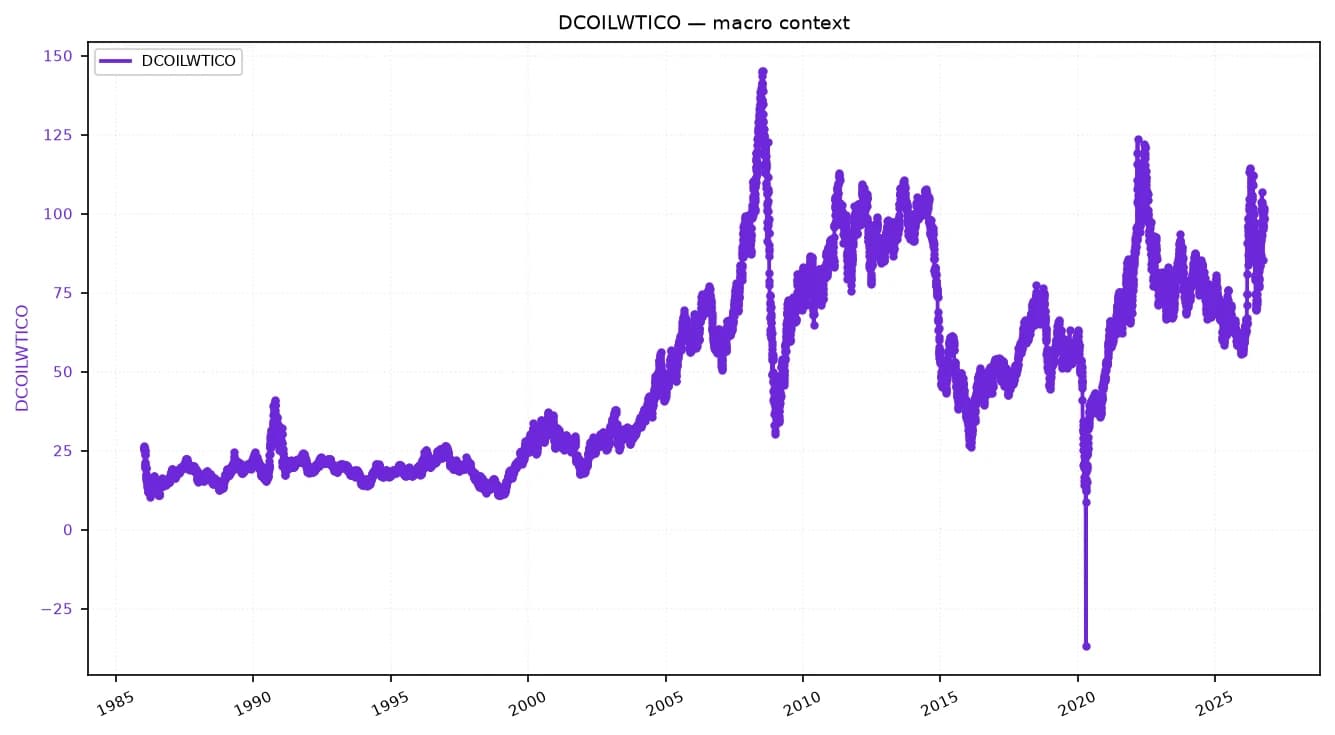
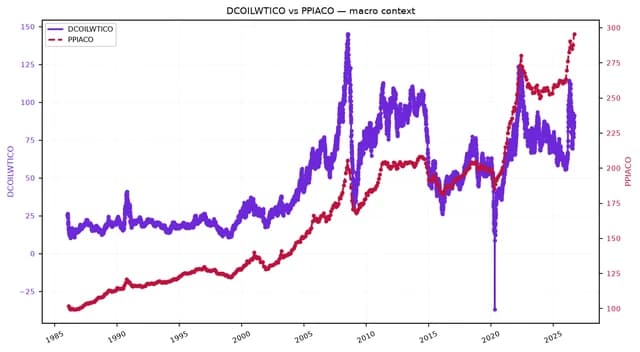
The gap matters because drivers do not pay for crude alone. They pay for crude plus refining, blending, transport, taxes and retail margins, and when refining capacity is constrained, gasoline can stay expensive even if benchmark oil prices ease. That disconnect has been especially visible in a market where U.S. West Texas Intermediate has swung from above $110 to just above $107 a barrel on the latest reading, while the broader producer price index for crude petroleum remained near 292.7 in October and consumer prices at 335.8, showing inflation pressures have not fully bled out of the fuel chain.
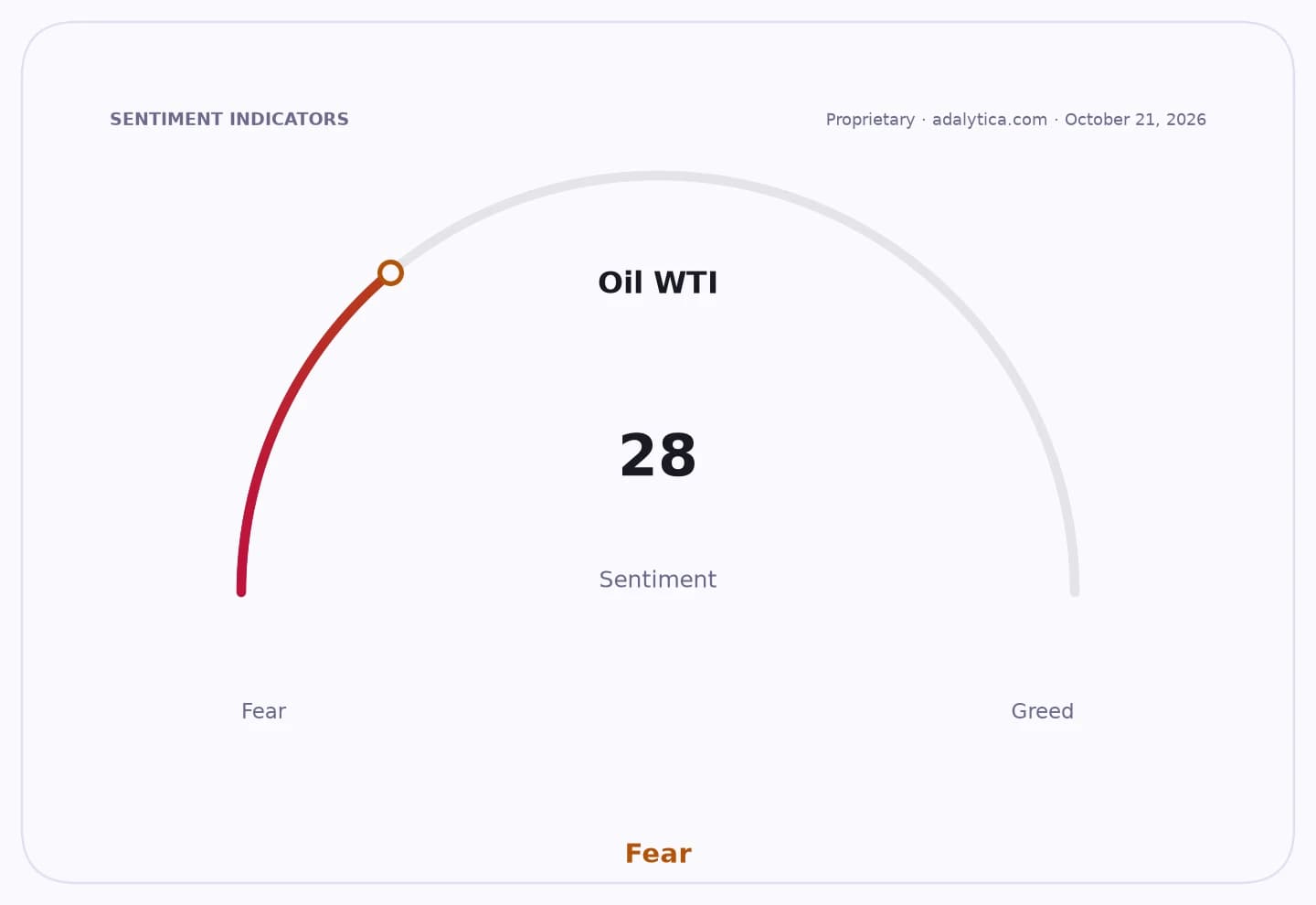
Sentiment IndicatorsⓘProprietary · adalytica.com · October 23, 2026
This is a snapshot — live sentiment, awareness and momentum for 130+ markets update continuously in the dashboard.Open AlphaPulse
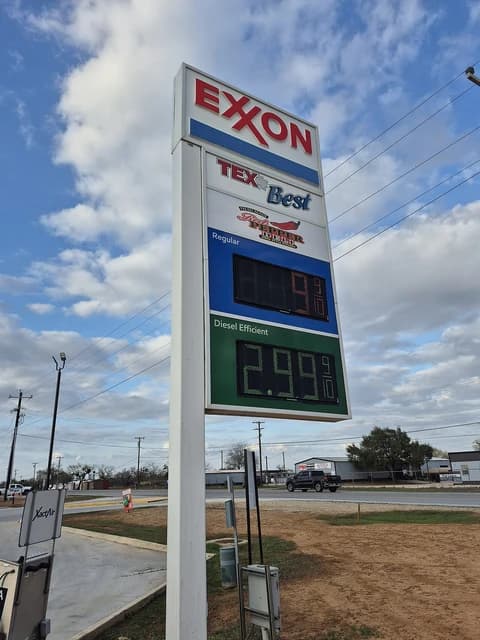
Exxon’s shares have rallied sharply anyway, underscoring investor confidence that downstream and integrated oil economics remain supportive. The stock closed at $183.21 on Oct. 23, up from $177.01 on Oct. 14, with the 50-day moving average at $165.76 and the 200-day at $151.88, a sign the market still assigns premium value to cash generation from an oil-and-gas system that is not driven solely by crude direction. Technical readings also show the stock extended, with RSI at 85.6 and the price above the upper Bollinger Band, reflecting how aggressively investors have been pricing in those margins.
That dynamic has been echoed across the refining complex. Marathon Petroleum’s shares are still near $457.22, well above their 200-day average of $282.78, while Valero is trading at $419.28 versus a 200-day average of $279.17. Both companies have benefited from the same underlying story: when crude is volatile but refined-fuel supply is tighter, refiners can capture wide crack spreads and preserve gasoline pricing power. SEC filings from Marathon, Valero and peers show refining margins are driven by the spread between crude and product prices, not crude alone, which is why pump prices can lag oil declines.
For consumers and policymakers, that means lower crude is not enough to guarantee relief at the pump. Gasoline prices can keep easing only if refinery utilization improves, inventories rebuild and product demand cools. Diesel, meanwhile, is expected to edge higher even as gasoline declines, adding another layer of complexity for freight and industrial users.
For investors, the message is straightforward: Exxon and the major refiners remain exposed to a market in which downstream margins can offset weaker oil, supporting earnings and cash flow even when headline crude prices retreat. The risk is that if crude keeps falling faster than product prices, those margins can compress abruptly; the bull case is that limited refining capacity and steady fuel demand keep gasoline and diesel elevated relative to oil for longer.
| Entity | Gains | Losses |
|---|---|---|
| Exxon Mobil | ▲Strong refining and integrated margins | ▼Consumers facing sticky pump prices |
| Refiners | ▲Wide crack spreads | ▼Drivers and fuel buyers |
| Oil consumers | ▲Lower crude input costs if declines persist | ▼Limited near-term relief at retail |
| Transportation users | ▲None from current gasoline pricing | ▼Higher diesel and fuel expenses |