California’s new Home Energy Choice Act is poised to make utility bills higher, not lower, by shifting the cost of electrification from individual households to the broader pool of ratepayers.
California Home Energy Choice Act Raises Utility Costs
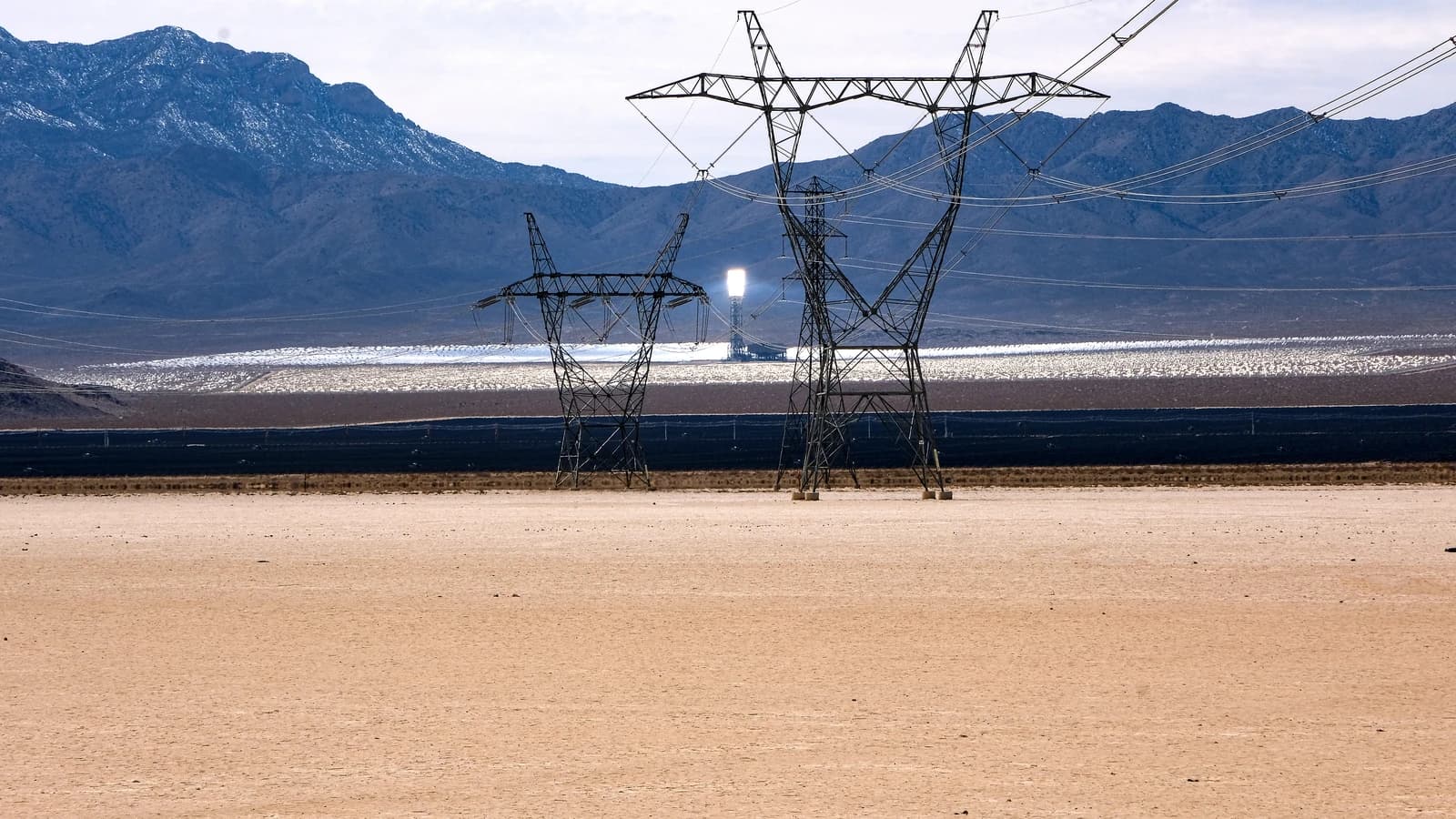
That is the economic fault line investors should focus on. Gov. Gavin Newsom has signed Assembly Bill 2313, a measure designed to steer customers away from gas appliances with utility-funded rebates when gas service lines are replaced. But the law’s structure means electric utilities may need to upgrade local networks sooner, while gas utilities lose load and the remaining customers are left paying for a shrinking base of infrastructure. In other words, California is not eliminating costs — it is redistributing them, and in a way that can raise rates.
Sentiment Indicators
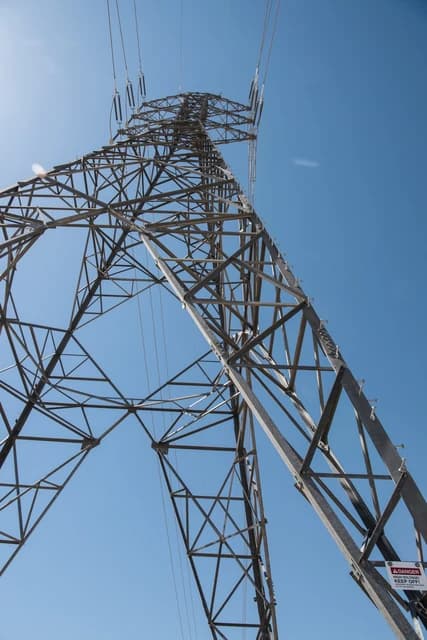
The central problem is density. Utility systems are cheapest when more customers share the same pipes, wires and transformers. AB 2313 works in the opposite direction by paying some customers to leave the gas system while forcing electric networks to absorb new demand in the same neighborhoods. If households take the rebate and switch to electric appliances, the utility may have to accelerate transformer replacements and other local upgrades before those assets are fully depreciated. If even one customer keeps gas service, the gas utility must still maintain service obligations, leaving fewer people to cover the same fixed costs.
That makes the law potentially inflationary at the household level. California already has some of the most expensive electricity in the U.S., and the spread between gas and electric rates means switching appliances does not automatically reduce monthly bills. For many homes, it can do the opposite. The rebate may soften the upfront cost of a new stove or water heater, but it does not erase the higher operating expense that follows once electricity replaces gas. The policy therefore risks worsening affordability just as consumers and policymakers are trying to contain utility-driven inflation.
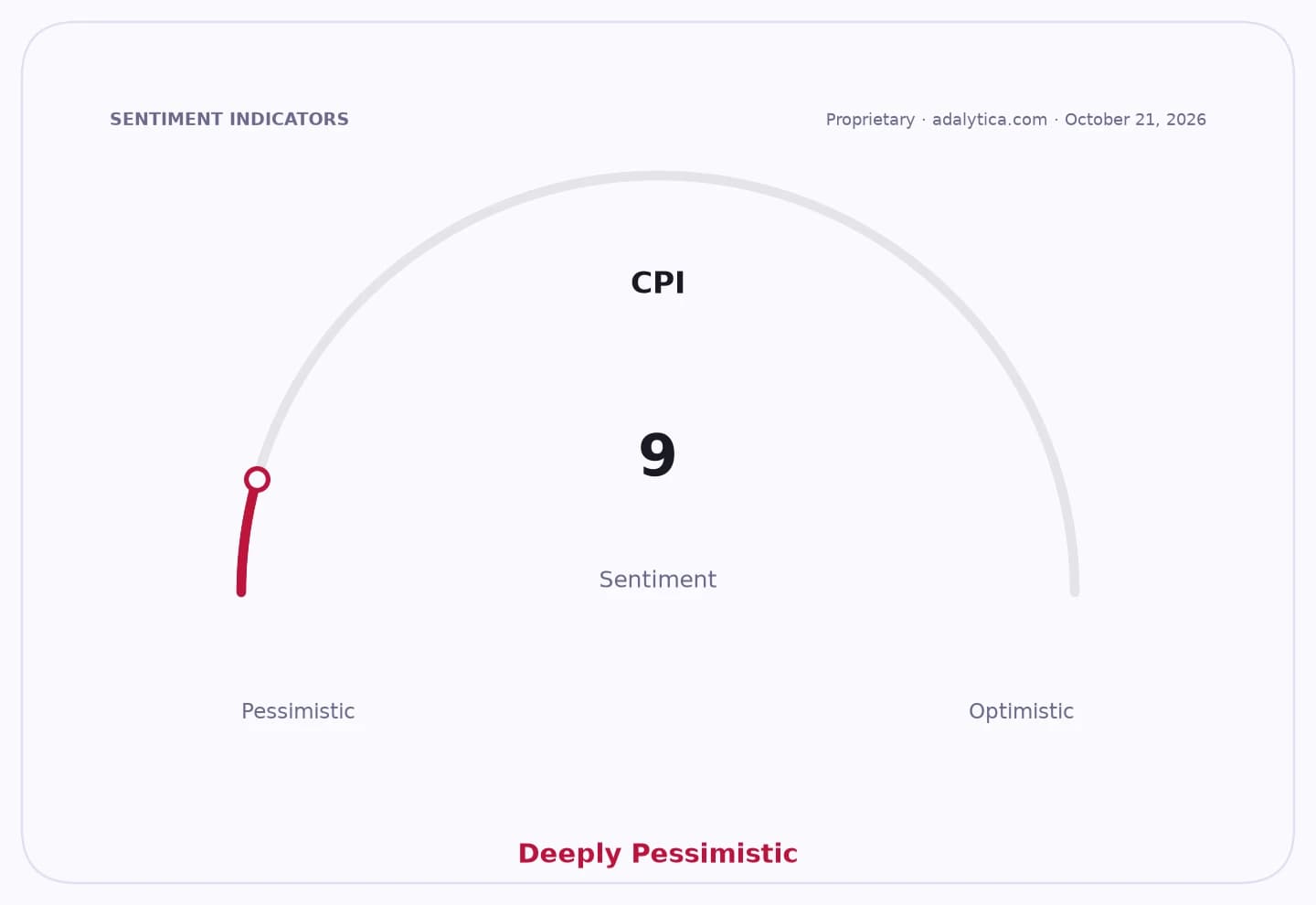
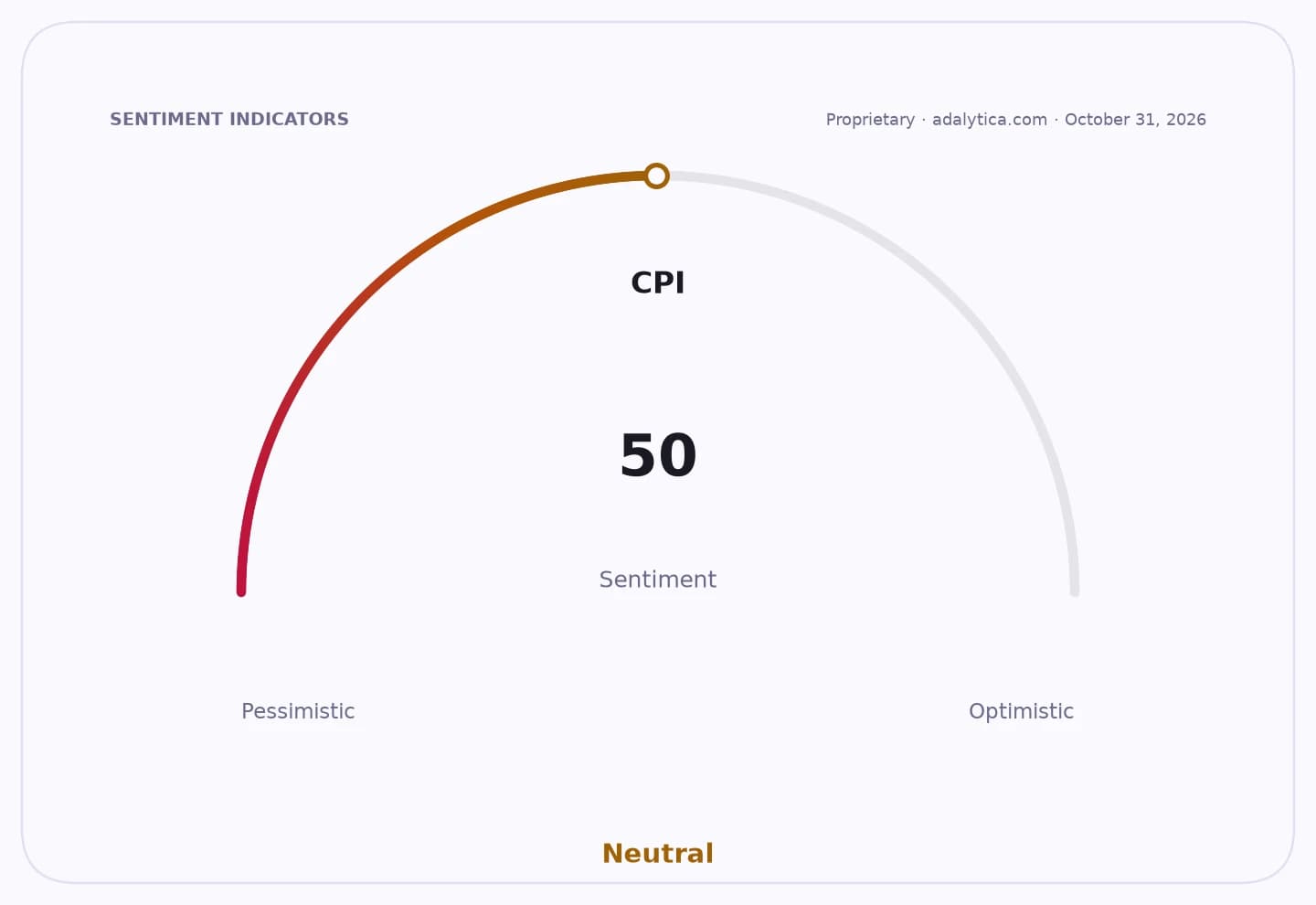
CPI
For investors, the bigger issue is who gets squeezed and who gets paid. Electric utilities may see incremental load growth, but they also face heavier capital spending and a more complicated regulatory debate over cost recovery. Gas utilities face the opposite problem: declining throughput, stranded assets and rising pressure on the remaining customer base if departures accelerate. That is why the policy matters far beyond California. It highlights the economics of the energy transition when the bill is not paid by taxpayers or shareholders, but by captive utility customers.
The market is already pricing utilities as defensive income stocks, not as companies exposed to policy-driven cost shifts. Yet California keeps proving that regulation can move faster than infrastructure depreciation schedules. That creates both risk and opportunity. Utilities with large California exposure, including Sempra and Edison International, may see more scrutiny over rate cases and capex plans, while Pacific Gas & Electric remains a direct proxy for the state’s policy-driven utility burden. The key catalyst ahead is whether regulators treat these electrification costs as recoverable investments or as another drag on already strained customer bills.
My view is simple: the market underestimates how expensive “choice” can become when it is financed by everyone else’s utility statement. If you want exposure, own the names with the strongest ability to recover costs and avoid the ones trapped in shrinking gas volumes and politically constrained rate structures.
| Entity | Gains | Losses |
|---|---|---|
| Electric utilities | ▲More load growth | ▼Higher grid capex |
| Gas utilities | ▲Temporary rebate support | ▼Shrinking customer base |
| California ratepayers | ▲None meaningful | ▼Higher utility bills |
| SRE, EIX, PCG | ▲Potential cost recovery | ▼Regulatory pressure |