California’s Proposition 1 would add billions in debt to fight a housing crisis that is being made worse by the state’s own high-cost building model, and that is why investors should care.
California Proposition 1 adds $11.25B in housing bonds
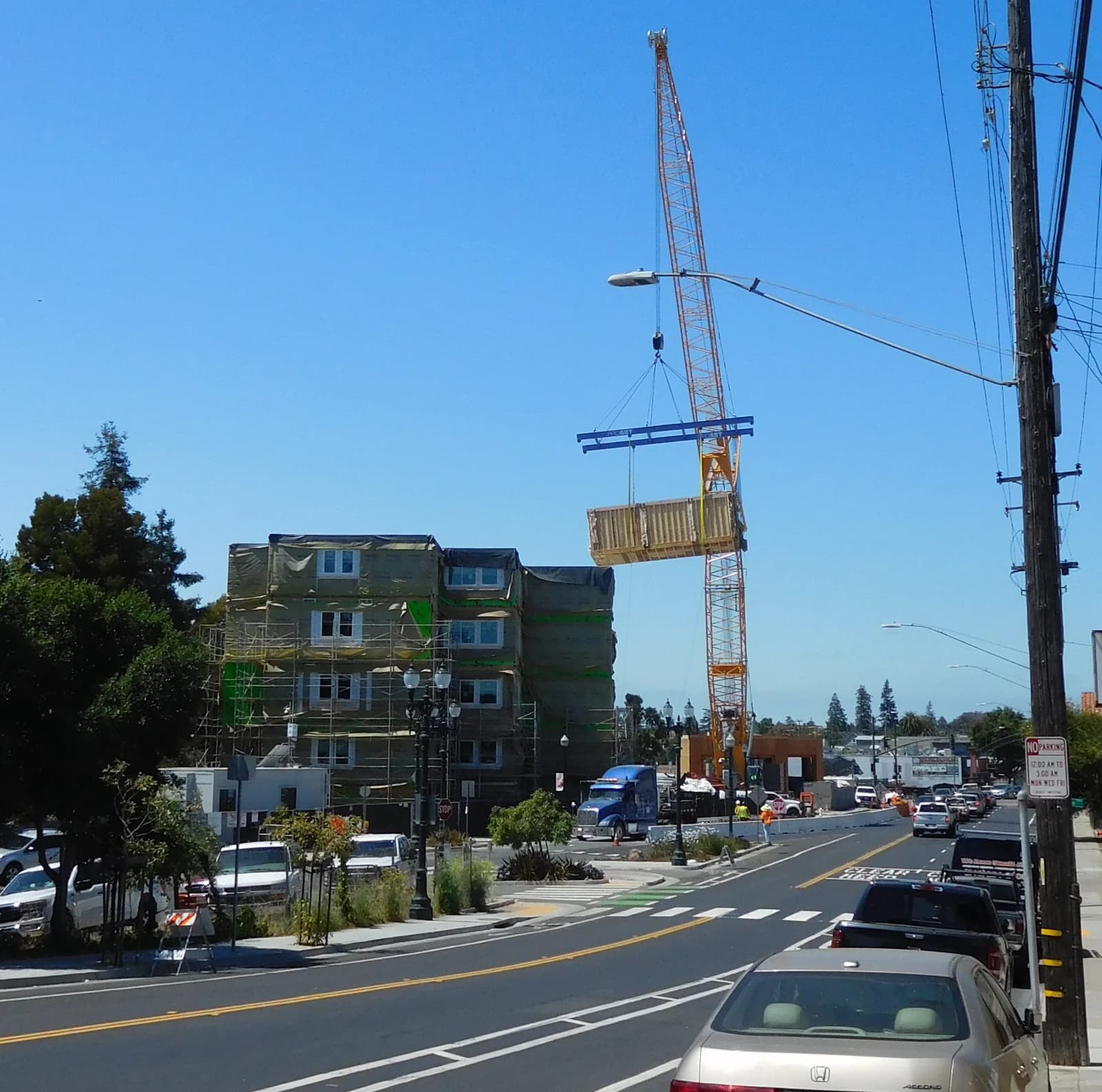
The measure would authorize $11.25 billion in bonds, including a $10 billion general obligation bond that would be repaid from California’s General Fund over roughly 25 years at a cost of about $500 million to $600 million a year, according to the Legislative Analyst’s Office. In a state already wrestling with chronic budget strain, that is not a housing solution so much as a financing decision with long-dated fiscal consequences.
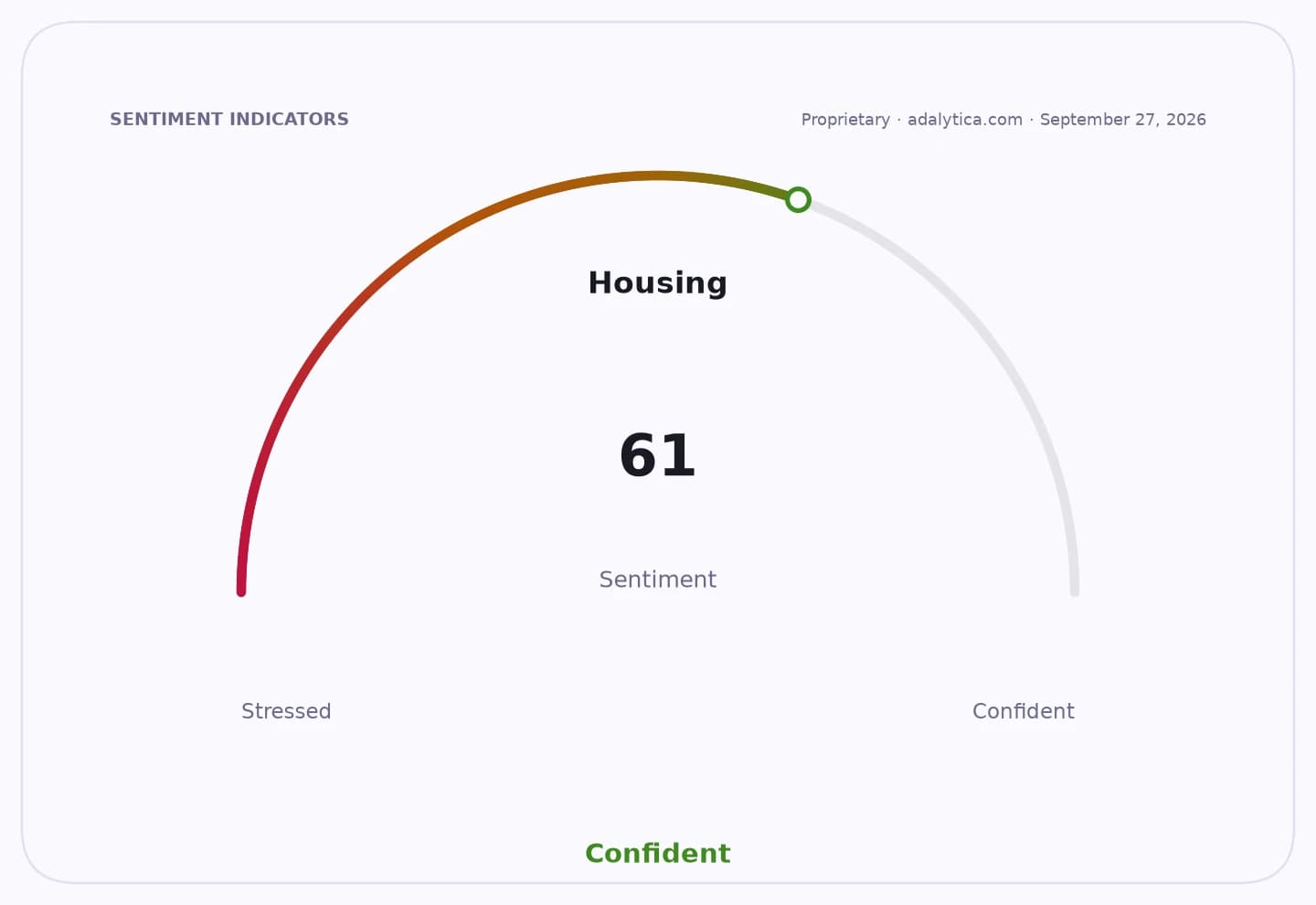
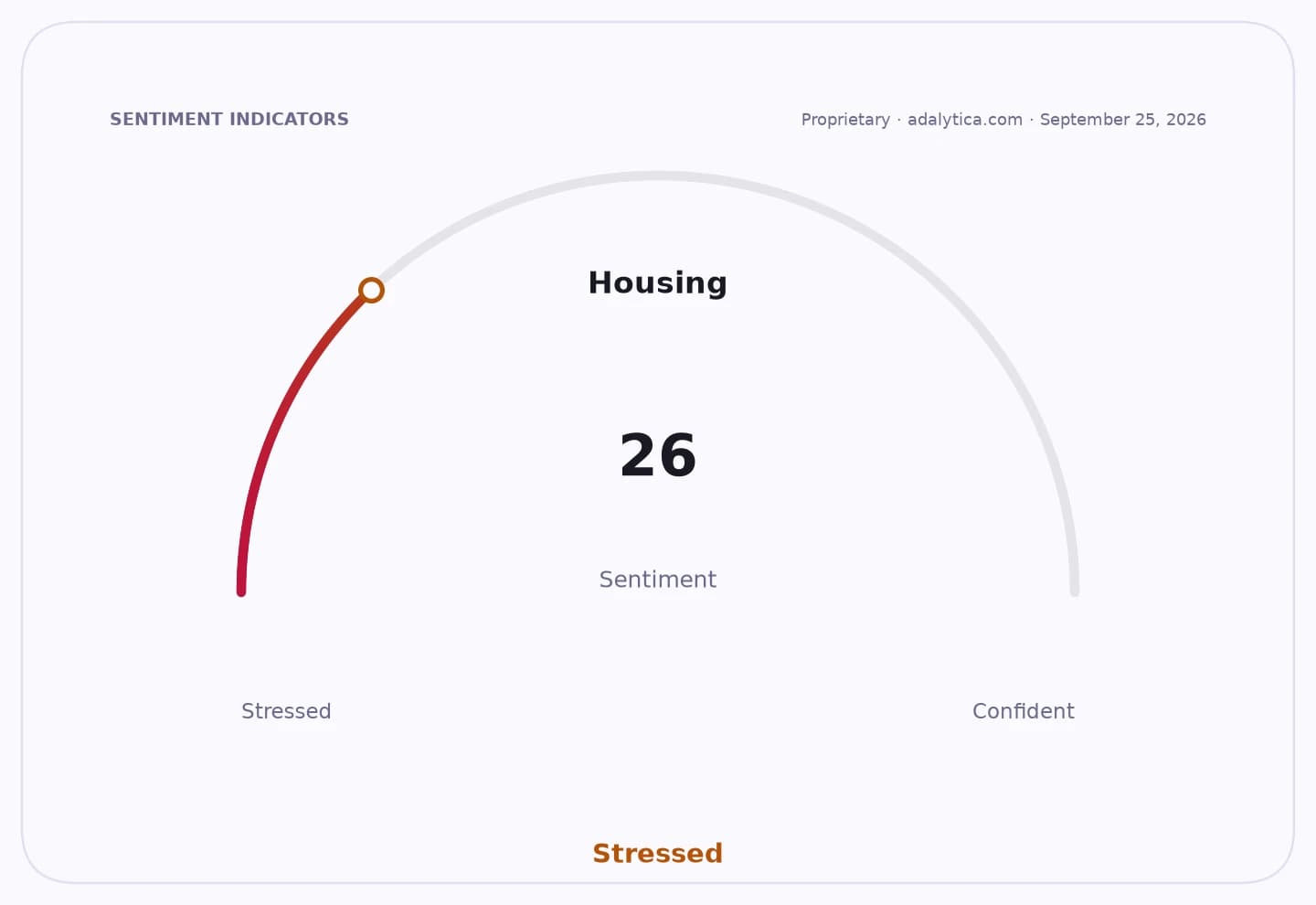
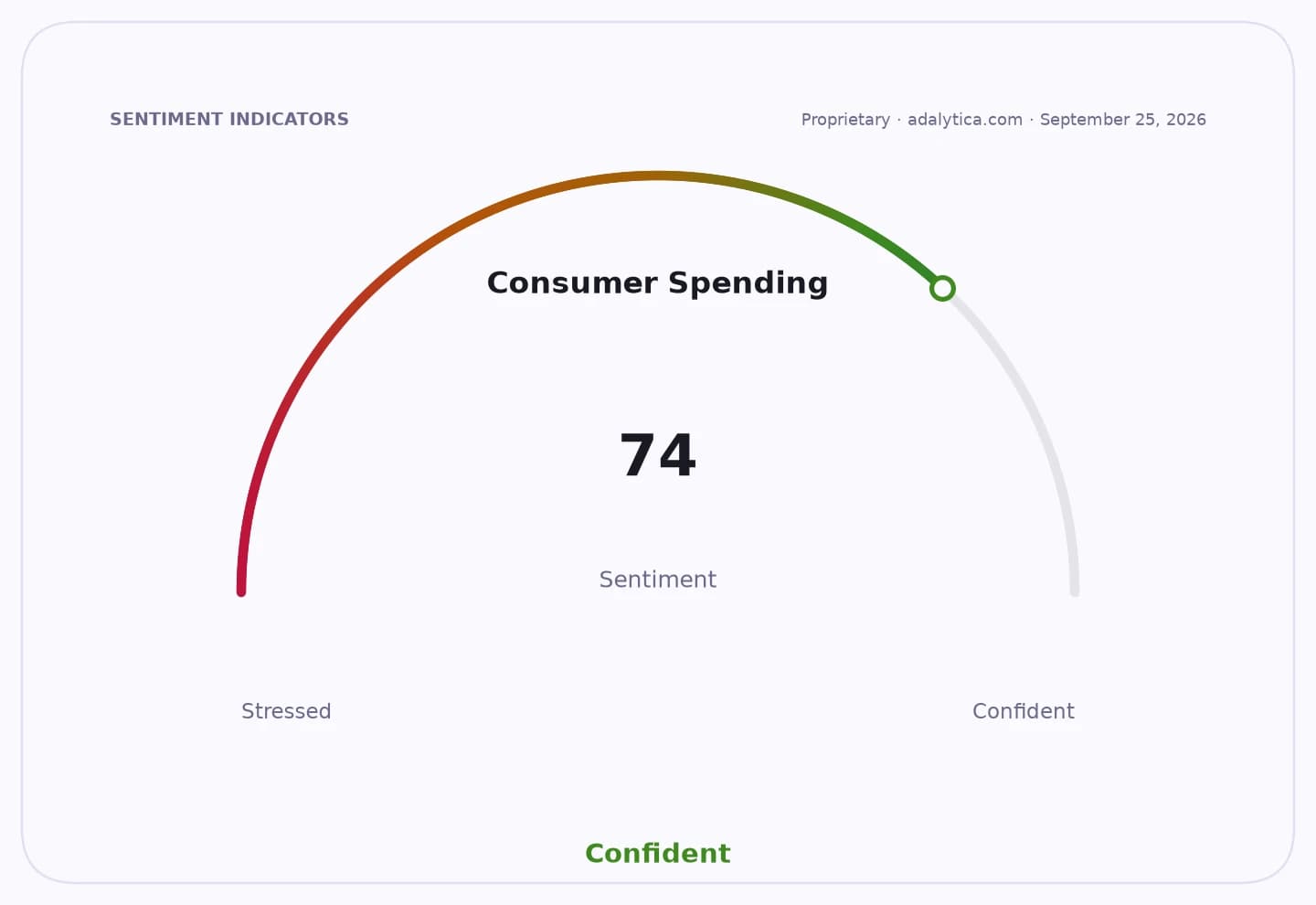
Sentiment IndicatorsⓘProprietary · adalytica.com · September 29, 2026
This is a snapshot — live sentiment, awareness and momentum for 130+ markets update continuously in the dashboard.Open AlphaPulse
The economic problem is straightforward: California cannot subsidize its way out of a supply shortage when subsidized housing is already far more expensive to build than market-rate homes. RAND has estimated publicly funded affordable housing in the state costs 1.5 times market-rate construction and more than four times comparable housing in Texas. Layering more bond money on top of slow permitting, restrictive land-use rules and labor-heavy compliance regimes risks locking in a model that produces too few units at too high a price.
That matters for investors because the state’s debt load does not exist in a vacuum. Rising borrowing costs have made the fixed-income market far more selective, while long-term rates remain elevated by historical standards. California’s willingness to take on another large obligation comes as municipal investors are already parsing credit quality, budget flexibility and the durability of revenue streams. The more the state relies on debt to paper over structural supply failures, the more pressure it creates on future budgets, future taxes and future bond issuance.
There is also a market signal hidden in the policy debate. California YIMBY itself has acknowledged that down payment assistance can be counterproductive when supply is tight, because it can lift prices rather than expand affordability. That is the core mispricing here: voters are being asked to pay for demand-side subsidies while the real bottleneck remains the cost and speed of building. Until California attacks zoning, permitting and CEQA-related delays more aggressively, capital will keep chasing a shortage the state refuses to fix at the source.
For homeowners, renters and taxpayers, the implication is the same: more bonds do not create more homes if the machinery that builds them remains broken. For investors, the takeaway is broader. California’s housing problem is a policy bottleneck, not a funding gap, and debt-financed workarounds are likely to deliver weaker returns than real deregulation. The trade is still in the builders, the infrastructure and the permitting reform winners — not in the politicians’ preferred bond solution.
| Entity | Gains | Losses |
|---|---|---|
| California taxpayers | ▲Potential housing aid beneficiaries | ▼Higher debt service, future taxes |
| General obligation bondholders | ▲State-backed repayments | ▼Crowding-out risk from budget strain |
| Homebuilders and permit reformers | ▲More urgency for deregulation | ▼Less support for a subsidy-led fix |
| California homebuyers/renters | ▲Some direct assistance programs | ▼Higher prices if supply stays tight |