Santa Barbara County has taken its first concrete step toward phasing out onshore oil and gas drilling, voting 3-2 to ban new wells and the reopening of abandoned ones in a move that could reshape the local energy economy and invite a legal fight.
Santa Barbara County bans new oil wells
For investors, the significance is bigger than one county ordinance. Santa Barbara is signaling that even in a state long hostile to fossil fuels, local governments are willing to push beyond regulating existing production and toward outright shrinkage of supply. That matters because energy policy is never just politics: it affects reserve value, permitting risk, reclamation liabilities and the long-run economics of every barrel left in the ground.
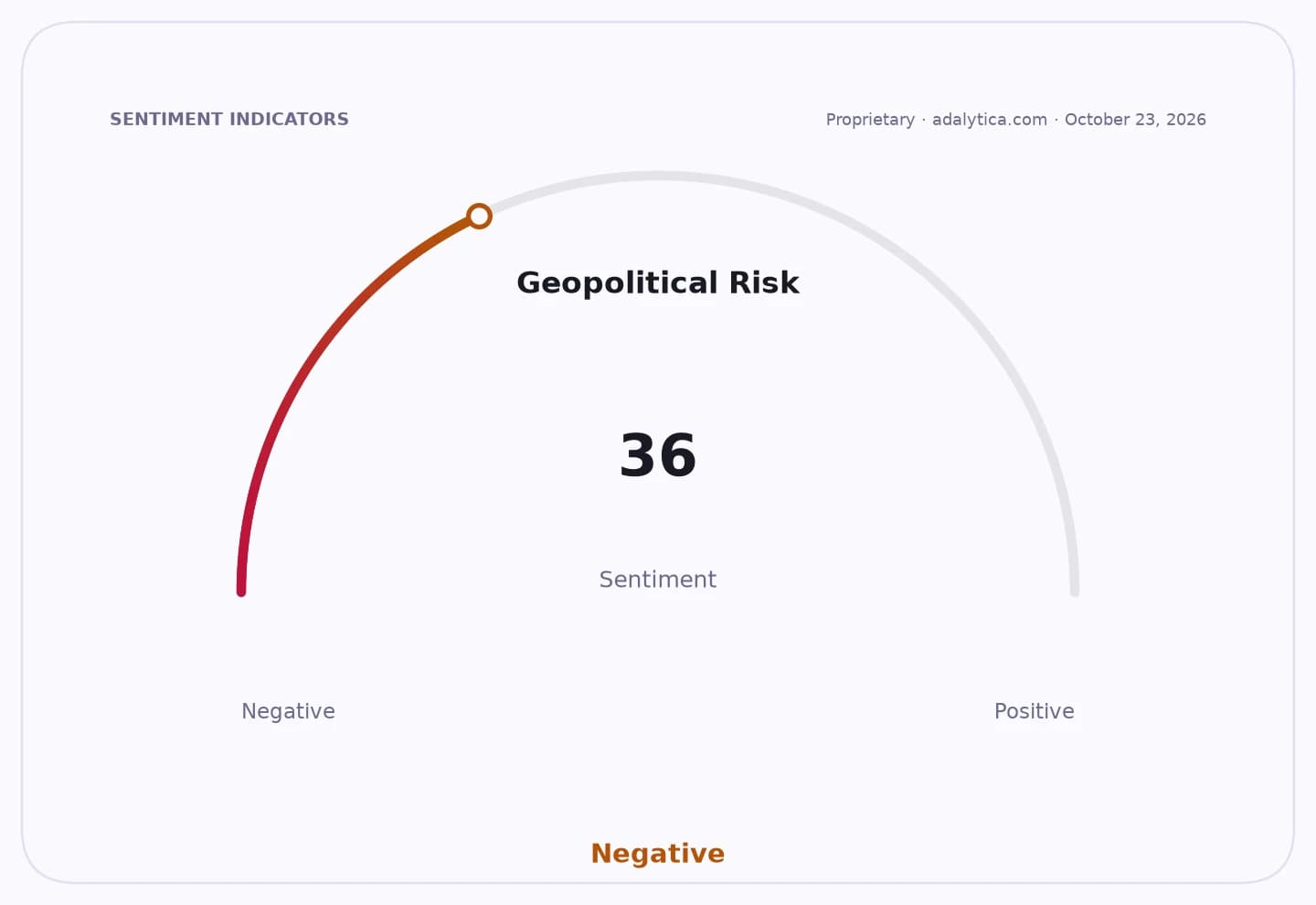
Sentiment Indicators
The measure does not immediately shut existing operations, which include 1,039 active onshore wells and 1,221 inactive wells. But the board framed it as the opening phase of a broader program that would eventually end all oil and gas operations in the county. That makes the battle less about a single permit than about whether local officials can legally set the county on a path to eliminate production that is still operating today.
That legal question is exactly where the stakes rise. Industry groups and royalty owners say the ordinance threatens constitutionally protected mineral and royalty rights and could run afoul of California environmental law. If they challenge it, Santa Barbara may become a test case for how far local jurisdictions can go in restricting fossil-fuel development without paying for the economic consequences or running into constitutional limits.
The economics are not trivial. Supporters of the ban cast it as a climate and environmental justice measure, but opponents argue it will hit jobs, tax revenues and local contractors tied to oilfield services. The county’s chambers of commerce warned that the industry supports skilled work, public revenue and energy supply for households, farms, transport and essential services. That is why a county vote can matter well beyond its borders: it can tighten the regulatory environment for producers, service companies and mineral-rights holders who depend on long-lived assets.
The market message is equally clear. Energy stocks and oilfield service names tend to price in policy risk years before wells are actually shut down, and investors have learned that the most durable threat is not a single headline but the slow accumulation of permitting, legal and political constraints. Shares tied to U.S. energy production, including upstream producers and drilling-related businesses, have been strong in recent sessions, but this kind of local ban is a reminder that valuation can be vulnerable whenever policymakers target future output rather than current supply.
For long-term investors, the lesson is not to panic over one county vote. It is to recognize the direction of travel. Santa Barbara is moving from debate to implementation, and if phase two goes after existing operations, the policy risk becomes far more material. Energy remains essential, but the companies best positioned over the next decade will be the ones with diversified assets, strong free cash flow and the flexibility to absorb regulatory shocks.
For now, this is a watchlist story, not a sell-everything moment. But it is another sign that the energy transition is working through local governments as much as through Washington or Sacramento, and that makes the onshore oil patch a harder place to do business over time.
| Entity | Gains | Losses |
|---|---|---|
| Santa Barbara County climate supporters | ▲Faster fossil-fuel phaseout | ▼ |
| Oil producers and royalty owners | ▲ | ▼New drilling access |
| Local contractors and oilfield workers | ▲ | ▼Future drilling-related demand |
| Consumers and energy users | ▲Long-term cleaner policy pathway | ▼Near-term supply uncertainty |