Australia’s plan to force liquefied natural gas exporters to reserve up to 20% of output for the domestic market is running into fierce resistance from industry and lawmakers, with critics warning the policy could distort supply, deter capital and fail to cut prices.
Australia gas export reserve bill faces resistance
The bill, debated at a committee hearing in Canberra on Friday, is meant to create a modest surplus on Australia’s east coast gas market and ease prices for households and businesses. But the politics and economics are messy: Labor has already watered down its original pledge from a fixed 20% baseline reservation to a cap, underscoring how difficult it is to balance domestic affordability with the export earnings that underpin the LNG sector.
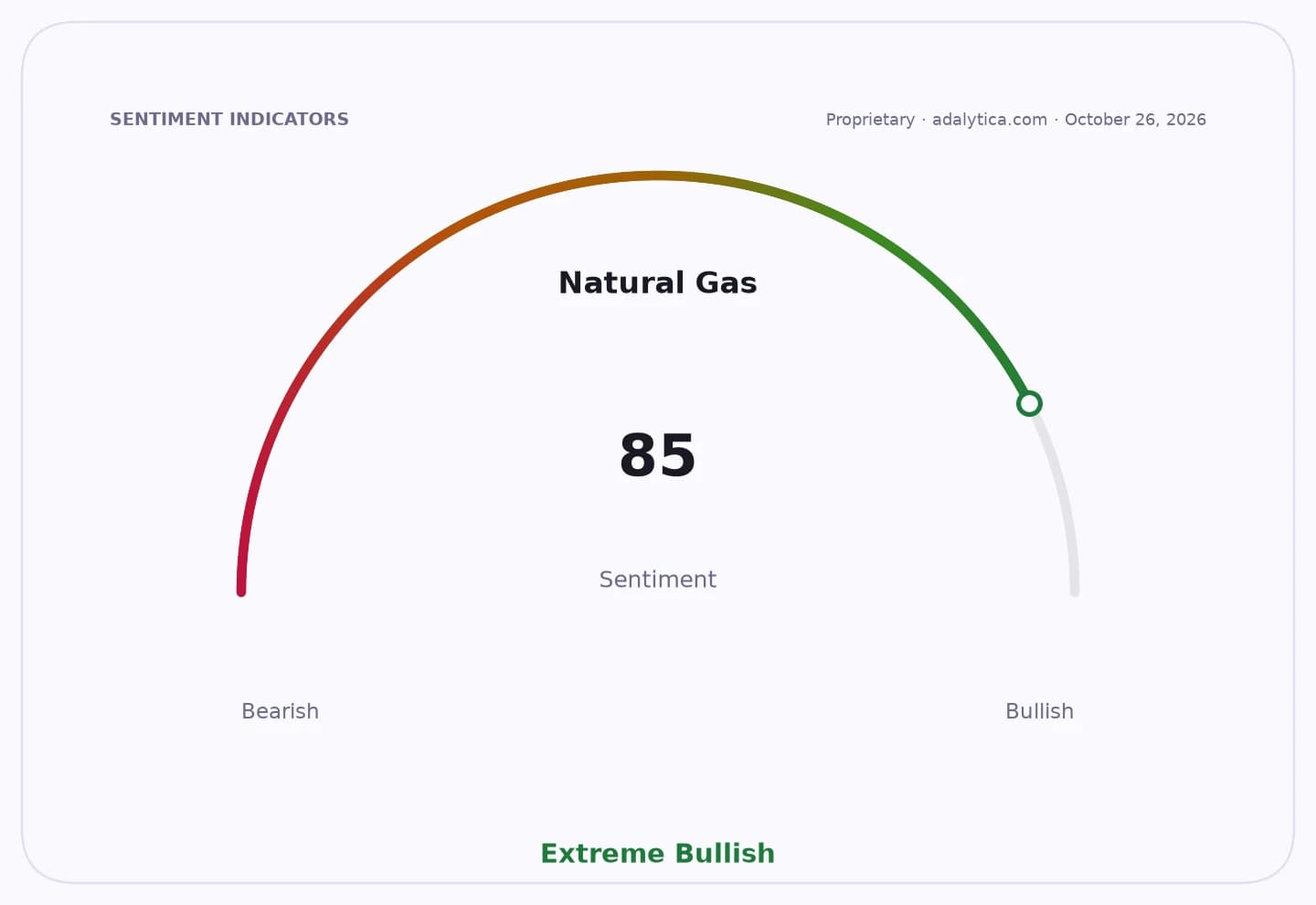
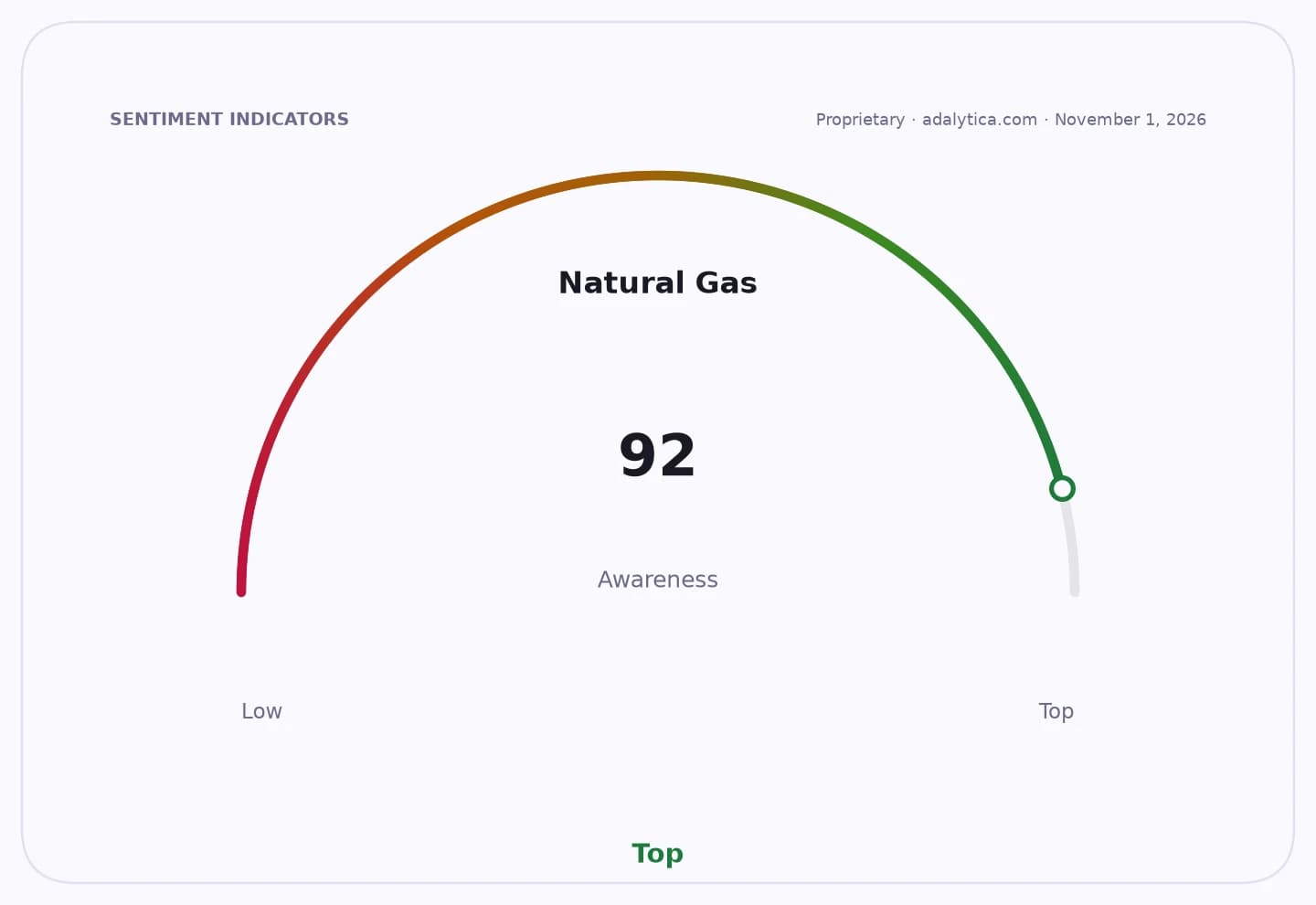
Sentiment Indicators
Greens senator Steph Hodgins-May called the proposal “the worst of both worlds,” arguing it would not solve the cost problem and could make it easier to approve new gas fields and infrastructure. Australian Energy Producers, the main industry lobby, said forcing producers to sell into the domestic market would hit investment and, if supplies are pushed into a 10% oversupply, could backfire on prices rather than lower them.
The stakes are economic as well as political. Gas prices flow into power costs, industrial margins and inflation, particularly on Australia’s east coast where supply is tighter than in Western Australia. A policy that successfully lifts domestic availability could ease pressure on manufacturers and utilities, but if it discourages upstream spending or export flexibility, it risks squeezing future supply and leaving the market more exposed later.
Western Australia’s gas industry, which has long operated under its own reservation regime, is also pushing for a carve-out from any national scheme. Chamber of Minerals and Energy WA chief Aaron Morey said the state’s system has delivered “a balanced market with lower and more stable prices,” and argued the east coast should not be used to justify a one-size-fits-all approach.
For investors, the bill is a reminder that Australian LNG remains exposed to regulatory risk even as global gas markets stay tight. Exporters, developers and pipeline operators would face more uncertainty over volumes, pricing and project returns if a national reservation regime is imposed, while domestic buyers could benefit if the policy actually translates into cheaper supply. The next trigger is likely to be the committee’s recommendations and any further watering down before the legislation advances.
| Entity | Gains | Losses |
|---|---|---|
| East coast gas buyers | ▲More local supply | ▼Export-linked pricing power |
| LNG exporters | ▲Policy clarity if capped | ▼Higher domestic sales obligations |
| Western Australia gas market | ▲Existing reservation model preserved | ▼National scheme spillover |
| Labor government | ▲Claims on lower prices | ▼Investor backlash and policy credibility |