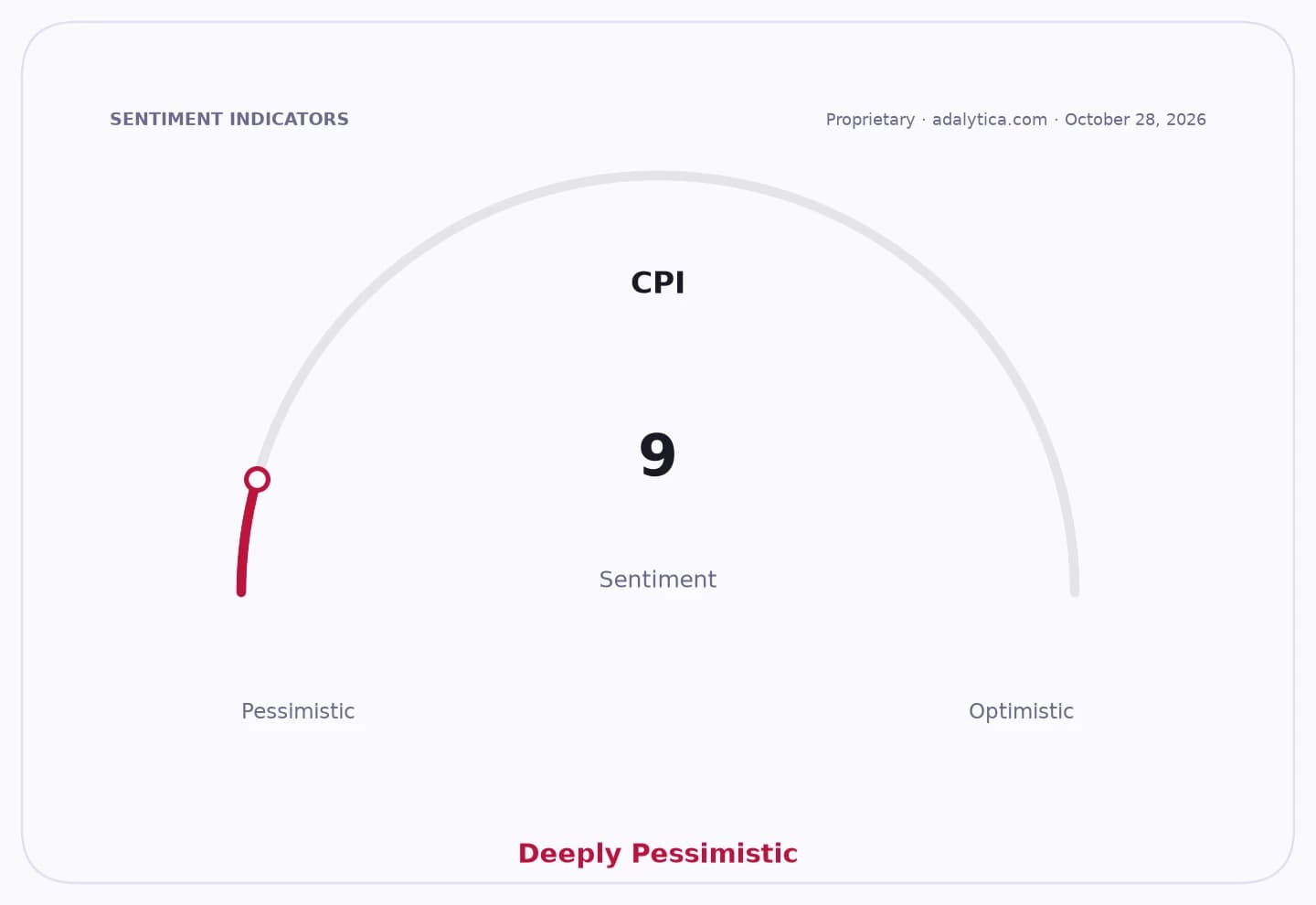
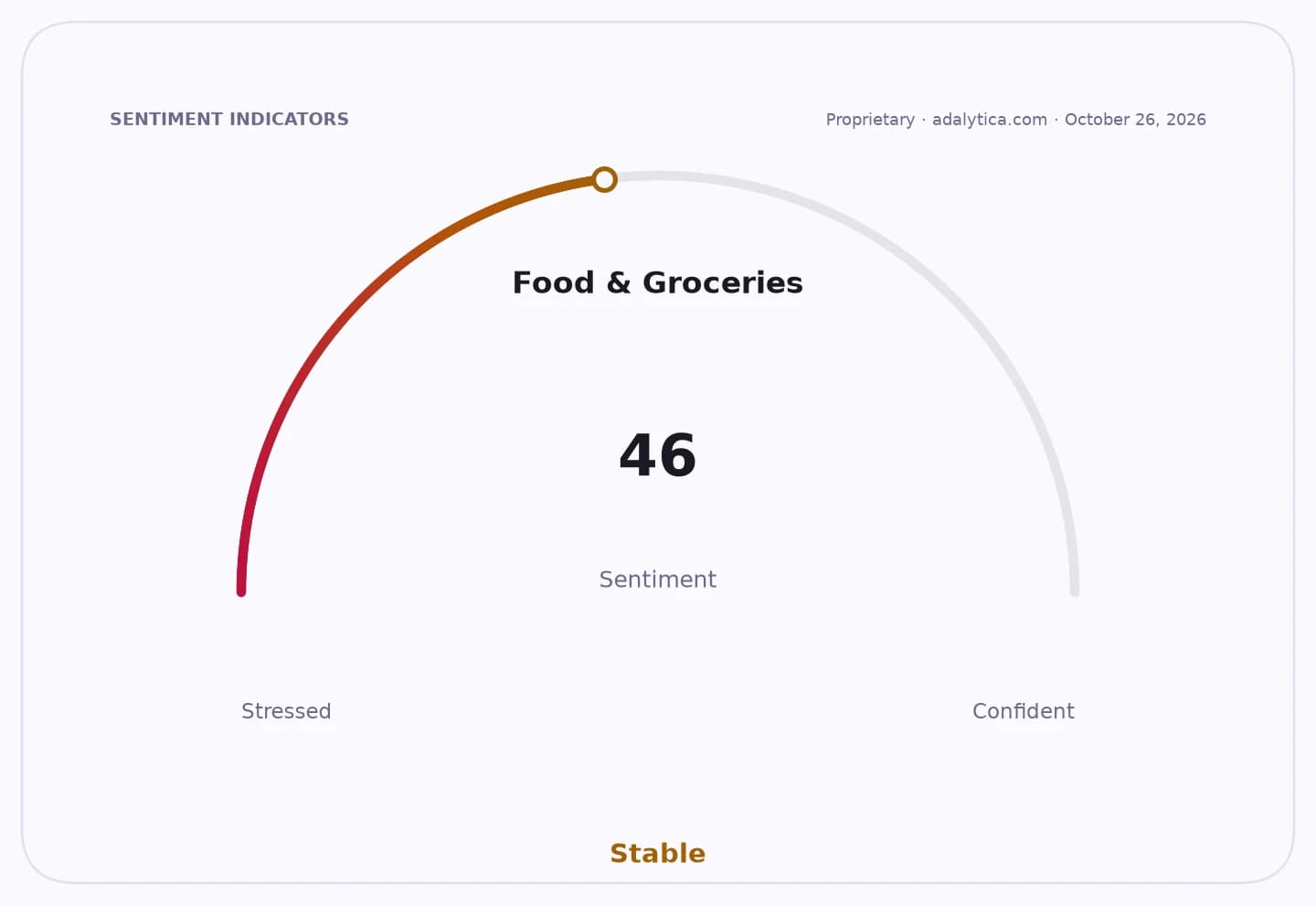
PGN has locked in nearly 20 LNG cargoes to keep Indonesia’s domestic gas supply flowing through the end of 2026, a move that matters because the government’s intervention to cut industrial LNG prices from as high as US$23 per MMBtu to US$13 is aimed squarely at protecting factory margins, jobs and output.
PGN Secures LNG Cargoes as Indonesia Cuts Gas Prices
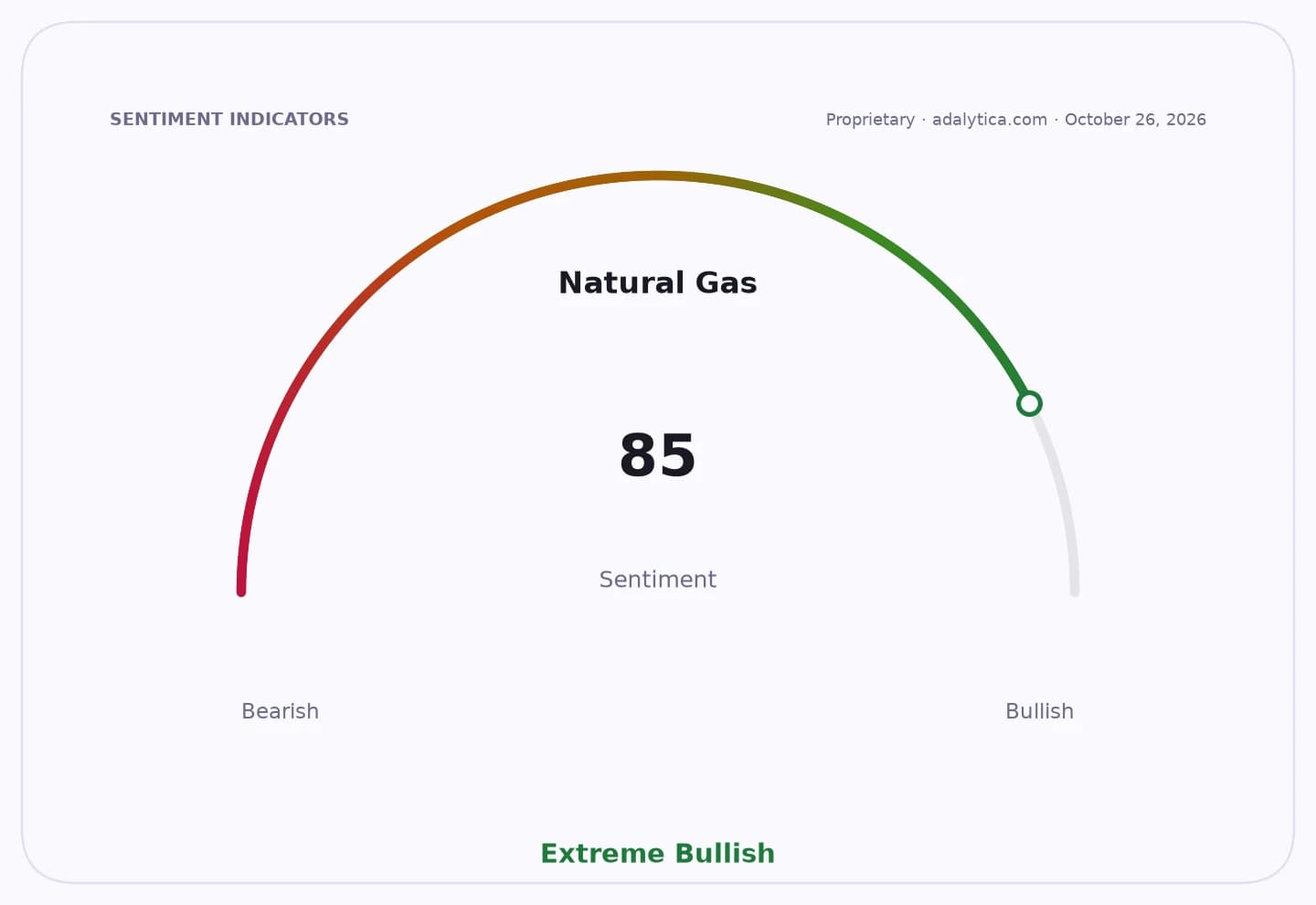
The agreement reduces the risk that a supply squeeze turns into a broader industrial slowdown. LNG had become expensive enough to alarm manufacturers, with prices in late June reaching the US$20-US$23 range, according to the company. At that level, gas costs can quickly overwhelm energy-intensive sectors such as petrochemicals, ceramics, fertilizers and metals, particularly in an economy where imported fuel and power costs are already sensitive to currency moves and global energy volatility.
The pricing reset also shows how Jakarta is managing the trade-off between energy security and industrial competitiveness. Rather than using direct subsidies, the energy ministry said it is forcing down costs across the supply chain, including liquefaction, shipping, regasification and the distribution margin. That approach helps preserve the state budget, but it also shifts pressure onto gas value-chain players such as PGN and other midstream operators, whose economics depend on how much of the cost burden they can pass through.
For investors, the immediate read-through is mixed. Lower industrial gas prices should support domestic demand and lower the risk of plant shutdowns, which is positive for broader economic activity and for downstream consumers of gas. But the margin impact on gas distributors and traders could be more complicated if regulated prices stay below replacement costs. That is why the government’s guarantee matters almost as much as the cargoes themselves: it reduces volume risk, but it also raises questions about how profitability is allocated along the chain.
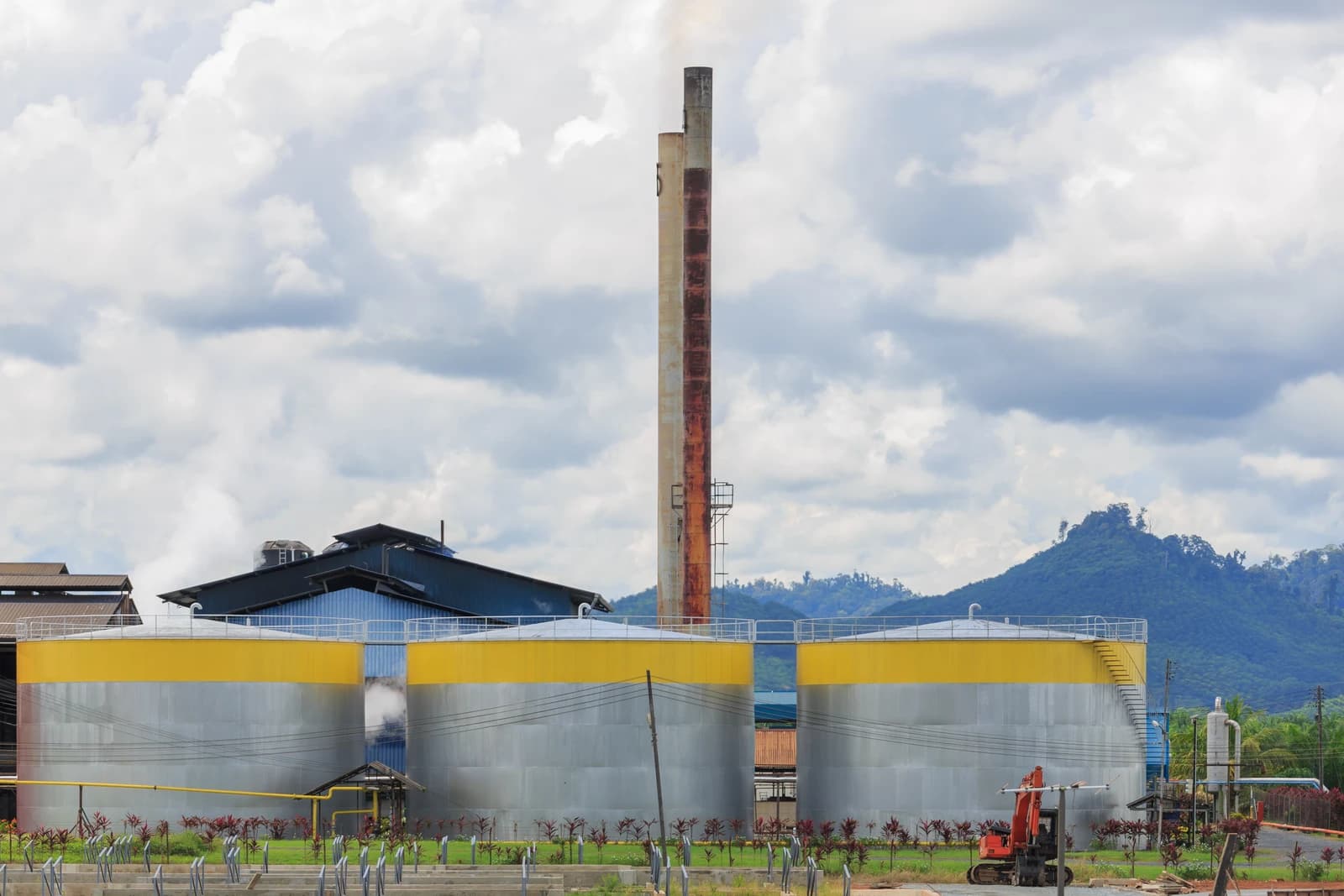
PGN said the cargoes will come from domestic facilities including Donggi Senoro, Tangguh and Badak, with pipeline supply also described as healthy. The company’s ability to secure volumes suggests the market is not short of molecules so much as it is grappling with cost. That distinction is important. If supply were the binding constraint, the issue would be scarcity. Instead, Indonesia’s problem is affordability, and that makes policy the central variable for industrial gas pricing over the next year.
The company is also trying to diversify beyond conventional gas by developing a biometane project in South Sumatra, which it expects to start up in 2027. The project, built with Toyota Tsusho Indonesia and KIS Biofuels Indonesia, is designed to convert palm oil mill effluent into biomethane for industrial buyers in West Java. If successful, it would give PGN a lower-carbon supply option and another source of contracted cash flow, but the output is tied to palm-oil harvest cycles, making production less predictable than LNG or pipeline gas.
That longer-term diversification story matters because it suggests PGN is positioning itself for a market in which industrial customers want both cheaper and cleaner fuel. The near-term challenge, however, is more urgent: keeping gas affordable enough to prevent a drag on industrial output. For now, the government’s price cap and PGN’s cargo securement buy time. Whether they also preserve margins will depend on how well the state can keep the supply chain efficient without shifting too much of the cost to the companies that move the gas.
| Entity | Gains | Losses |
|---|---|---|
| PGN | ▲Secured volumes | ▼Lower trading margin |
| Industrial users | ▲Cheaper gas supply | ▼Less pricing flexibility |
| Indonesian factories | ▲Lower energy costs | ▼Still exposed to policy risk |
| Gas suppliers/midstream | ▲Higher volume visibility | ▼Cost pressure from price cap |