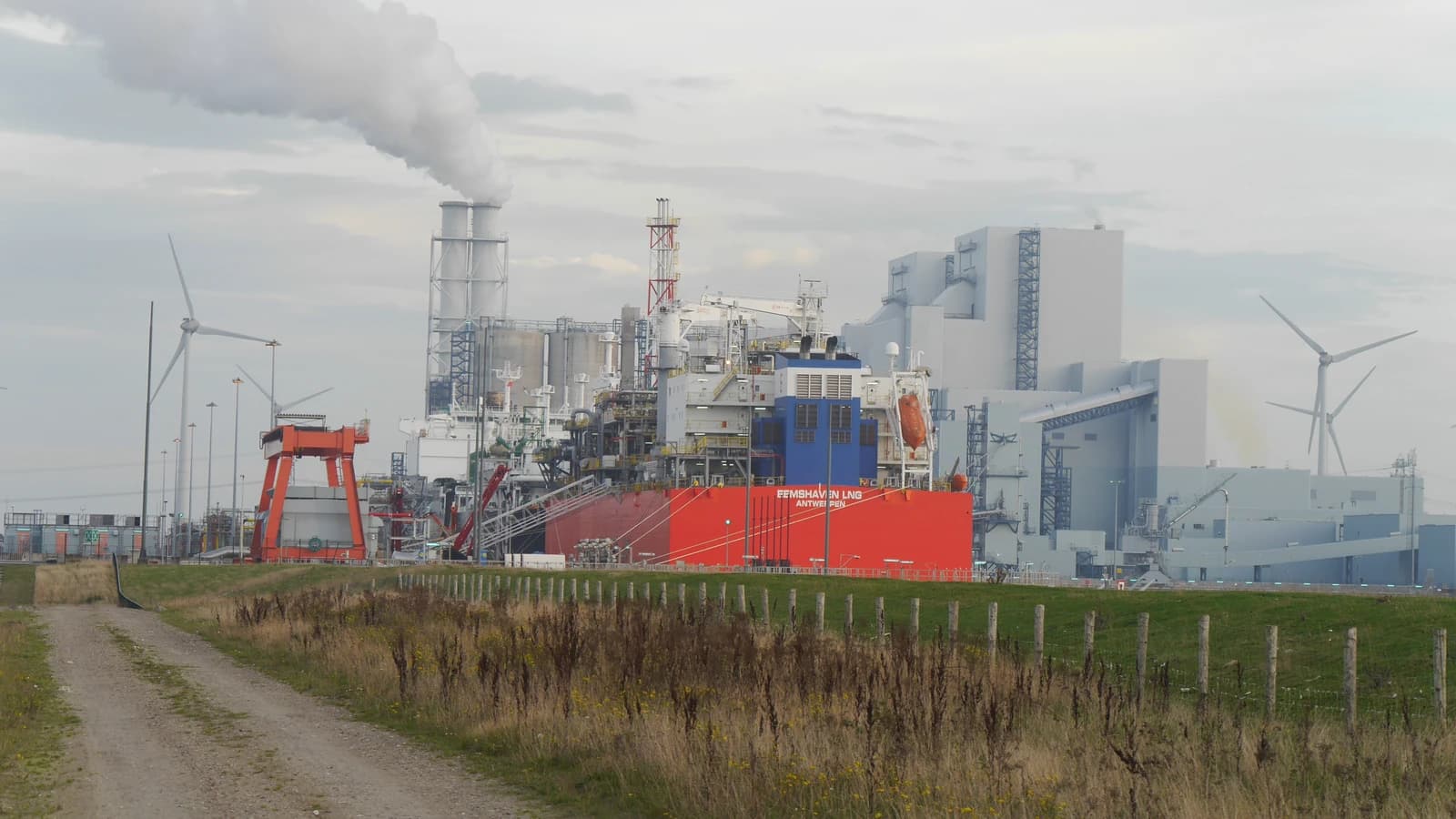
Novatek’s ability to reroute liquefied natural gas away from Europe to other buyers underscores how geopolitical disruption is reshaping the global LNG trade and keeping prices elevated for importers.
Novatek Reroutes LNG as Europe Faces Higher Prices
For Europe, the issue is not just one supplier’s flexibility but the cost of replacing volumes in a market already strained by route risk, thin storage and tighter winter balances. The shift comes as global LNG importers face an estimated $39 billion in extra costs in 2026 from disruptions to Middle Eastern supply routes, with the Strait of Hormuz emerging as a key vulnerability. Even after 60.7 million tonnes less LNG was purchased, lost cargoes from Qatar and the UAE have forced buyers into more expensive alternatives, helping push prices to four-year highs.
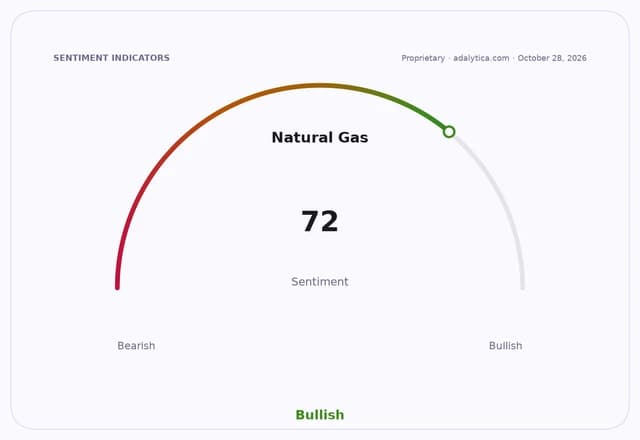
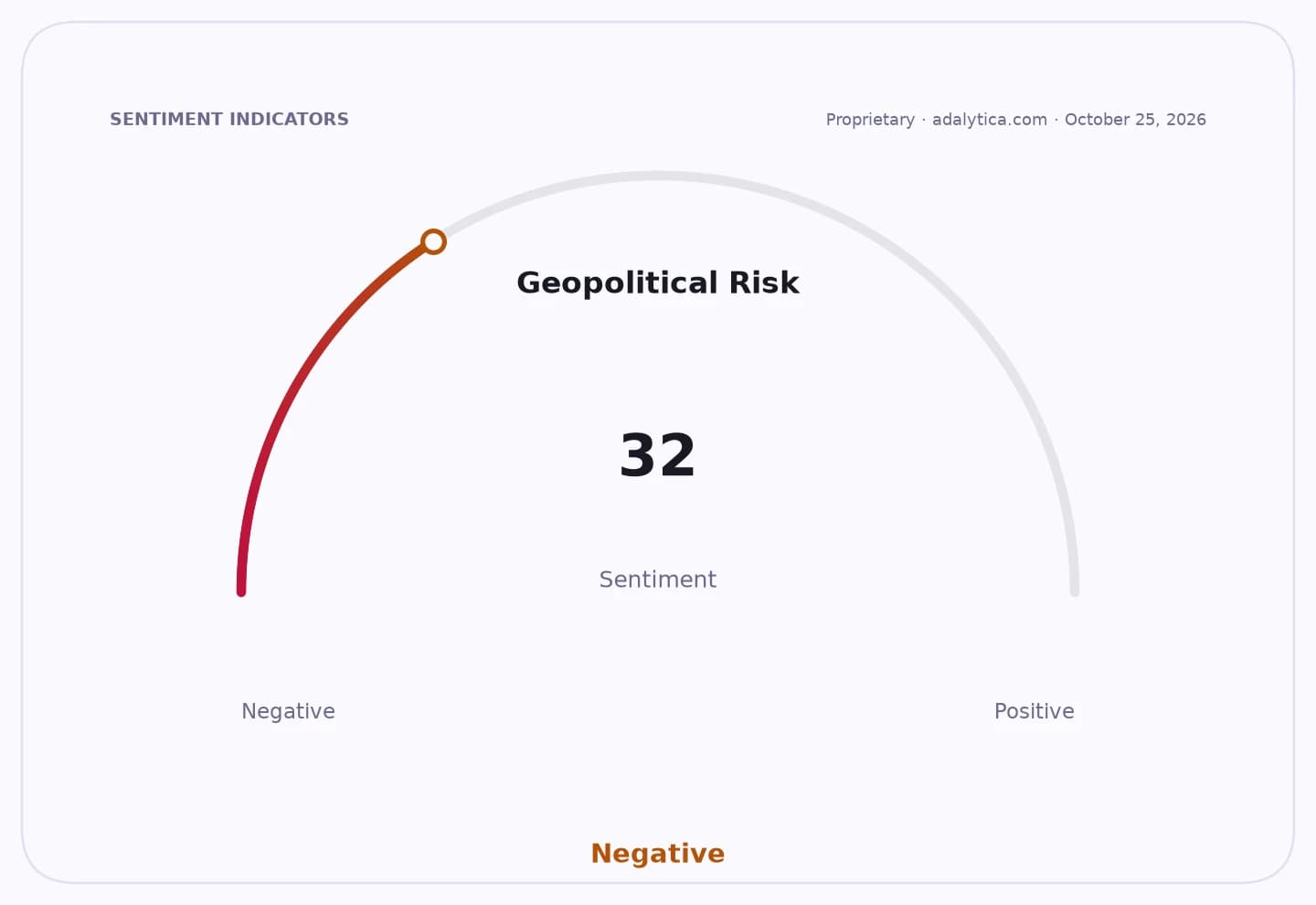
That matters economically because LNG is now a marginal price-setter for gas markets from Europe to Asia. When Russian-linked cargoes or other displaced supply can be redirected, the market does not lose supply so much as it redistributes scarcity, often at a higher clearing price. Europe’s dependence on flexible seaborne LNG means any interruption to pipeline flows or shipping lanes quickly feeds through to power costs, industrial margins and inflation expectations. The latest tensions in the Middle East have compounded that dynamic, with the route risk through Hormuz lifting the value of non-traditional supply and encouraging buyers to lock in term cargoes earlier than usual.
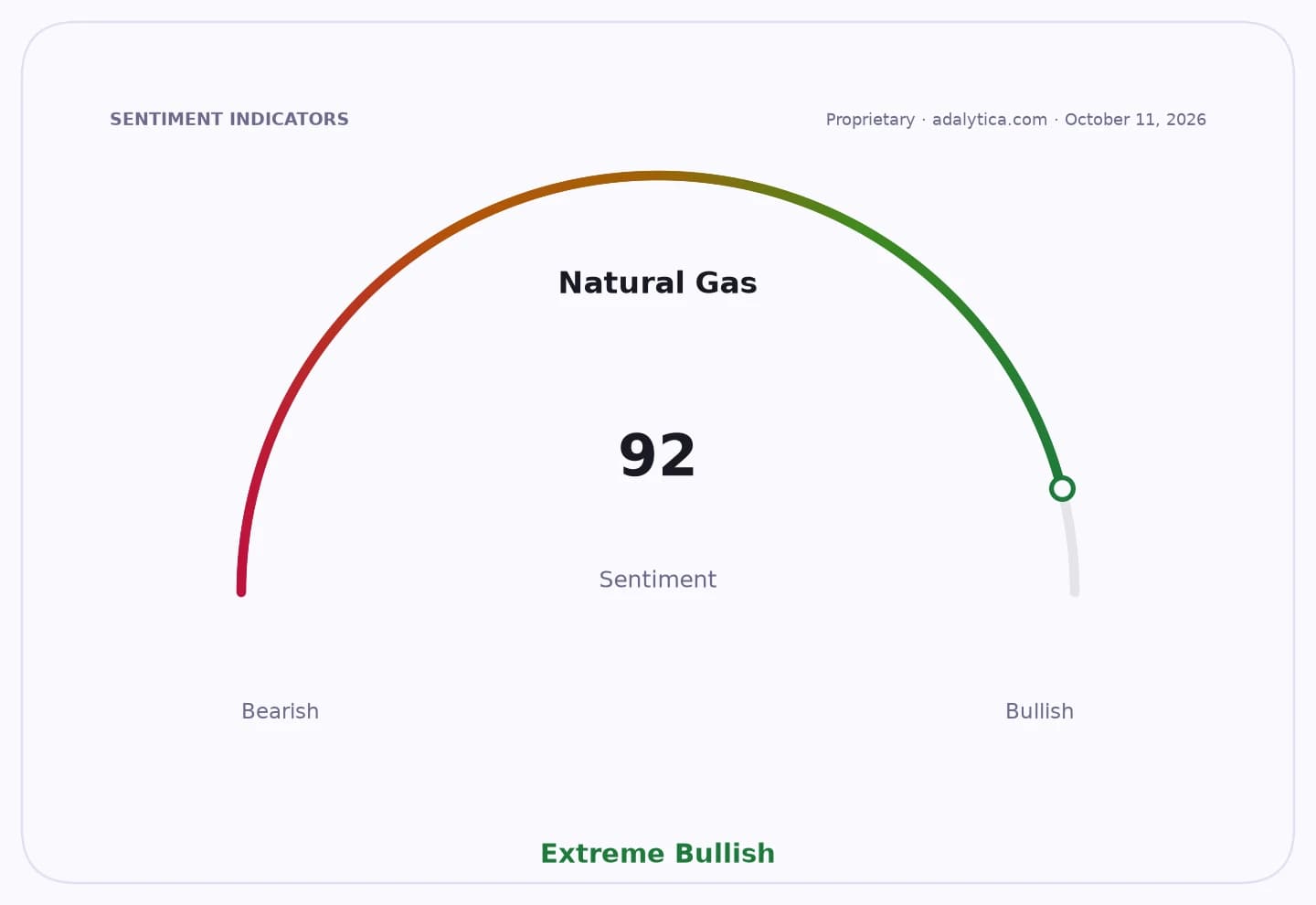
For investors, the rerouting story cuts both ways. LNG exporters and integrated majors with liquefaction capacity, shipping access and marketing reach stand to benefit from the tighter market and firmer pricing. That helps explain the strength in companies such as Cheniere and Shell, whose shares have outperformed as LNG pricing stayed resilient and their market access improved. The flip side is that European utilities, gas-intensive manufacturers and import-dependent governments face a more expensive hedge against winter shortages. Natural gas prices in the U.S. are also volatile in sympathy, with the benchmark having swung sharply over recent months as traders priced in export demand, weather and geopolitical supply risk.
The broader narrative is that LNG has become a weapon of flexibility as much as a fuel source. Novatek’s ability to redirect volumes to other markets suggests buyers in Asia, not Europe, may increasingly absorb displaced supply when geopolitics interrupts normal trade. Singapore’s move to launch its first long-term LNG procurement tenders and expand import infrastructure, along with Nigeria’s growing sales to India, points to a more fragmented but still fiercely competitive market. The near-term outlook remains tight as winter demand peaks and storage levels stay a key watchpoint, leaving prices vulnerable to any further disruption and keeping exporters in the stronger negotiating position.
| Entity | Gains | Losses |
|---|---|---|
| Novatek / LNG exporters | ▲Higher pricing power | ▼Less exposure to captive European demand |
| Asian buyers | ▲Access to redirected cargoes | ▼Higher import bills |
| European importers | ▲Greater supply optionality | ▼More expensive replacement LNG |
| Shell / Cheniere | ▲Stronger LNG margins | ▼Utilities and gas-intensive users |