European natural gas prices have climbed back above 90 euros per megawatt-hour for the first time in almost four years, reviving a cost squeeze that threatens to ripple through households, industry and power markets just as policymakers try to avoid another broad intervention.
European natural gas prices top 90 euros
The immediate significance is not the headline number itself, but what it says about Europe’s vulnerability: even after the emergency of 2022, the region remains exposed to geopolitical shocks, tighter supply and winter demand at a moment when energy inflation can quickly leak into industrial margins and consumer bills.
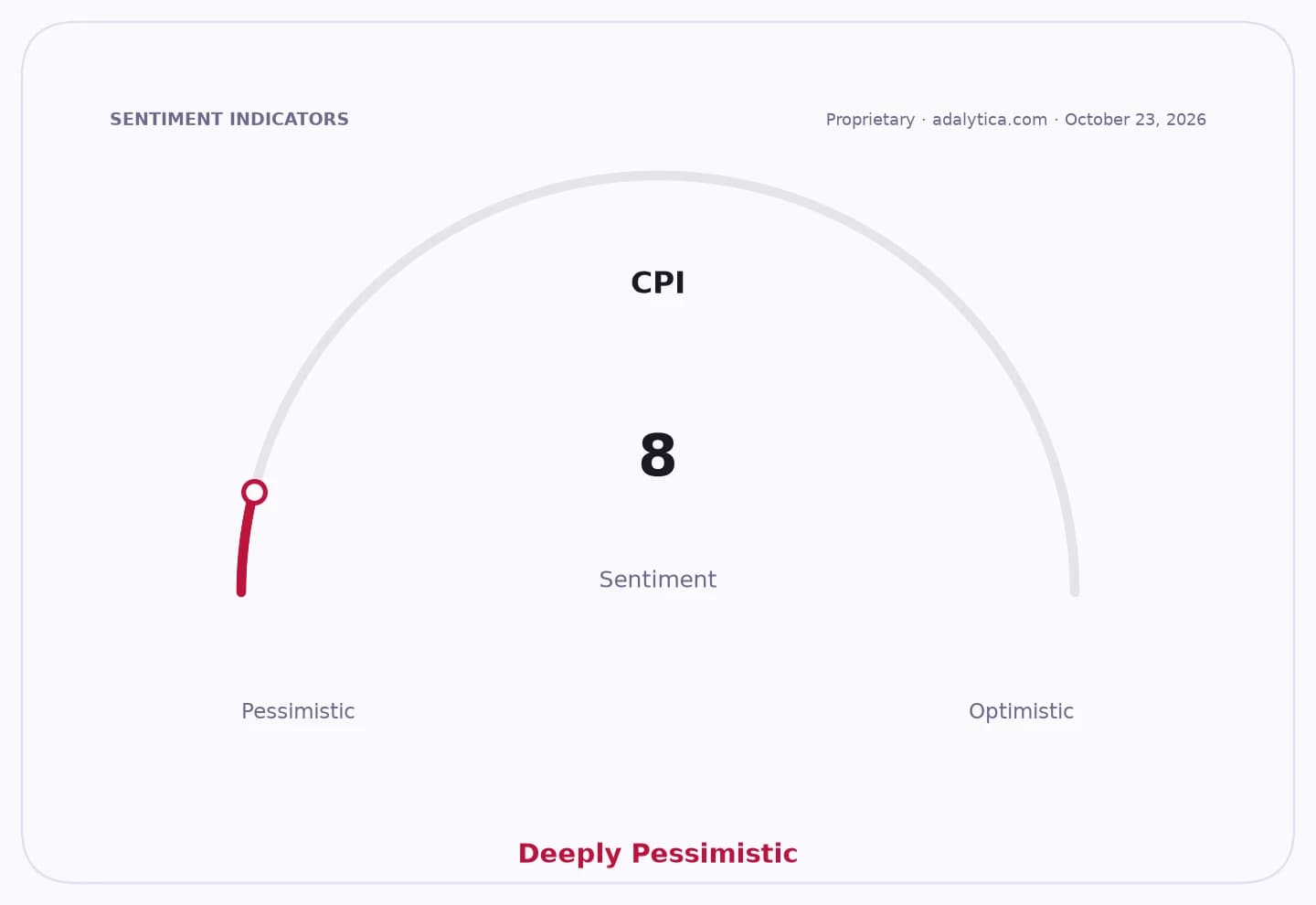
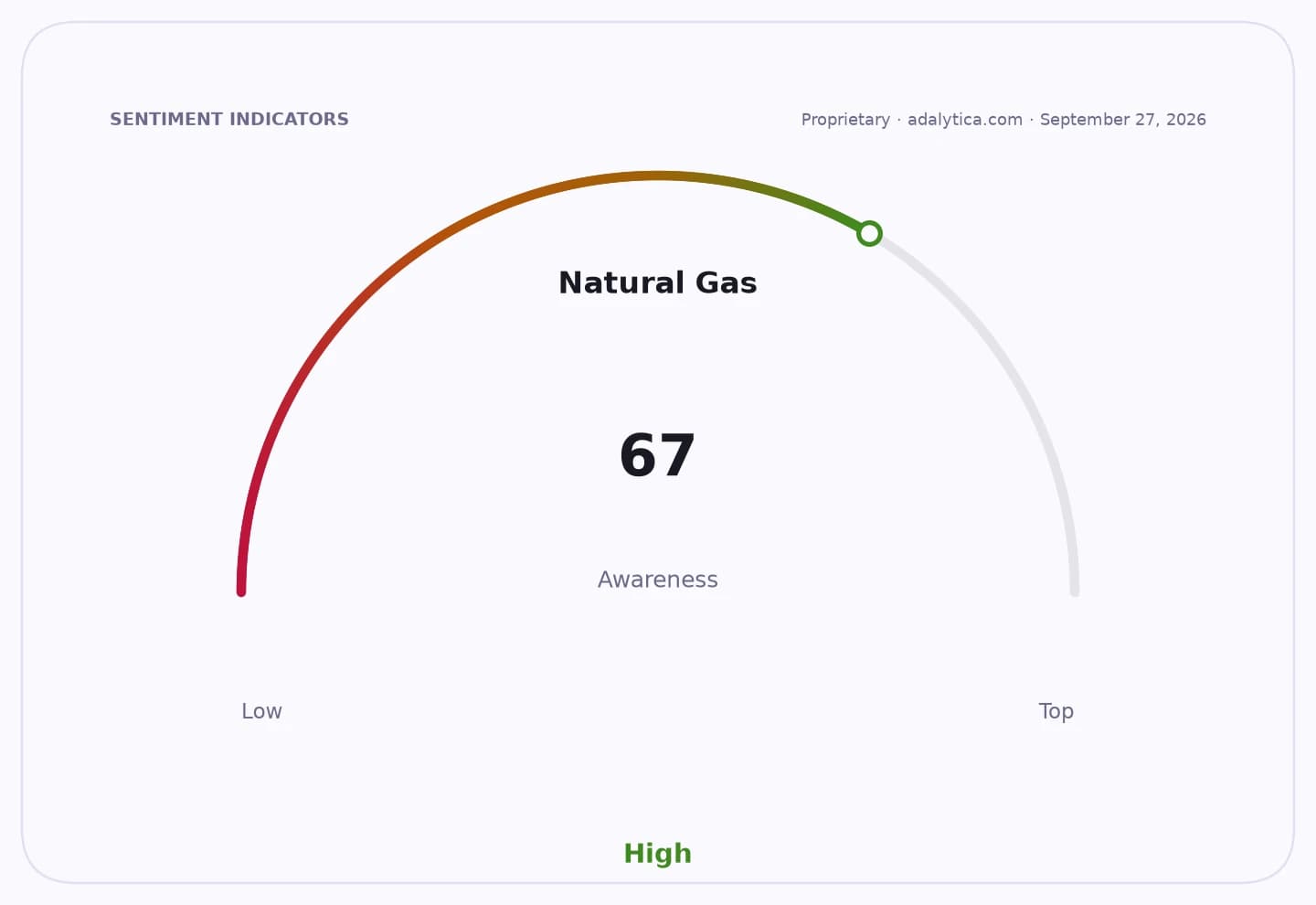
Sentiment IndicatorsⓘProprietary · adalytica.com · October 26, 2026
This is a snapshot — live sentiment, awareness and momentum for 130+ markets update continuously in the dashboard.Open AlphaPulse
Benchmark November TTF futures rose as much as 2.4% to 90.16 euros a megawatt-hour, the highest since December 2022, according to the data. In dollar terms, European gas is now roughly three times more expensive than before the latest Middle East war began, underlining how quickly risk premia can rebuild when traders worry about supply routes and LNG availability.
That matters because gas still sets the marginal price for a large share of Europe’s power system. Electricity prices have already followed higher, with Germany’s annual power contract touching its strongest level since July 2023. For energy-intensive manufacturers, chemicals producers and utilities, the difference between 70 euros and 90 euros per megawatt-hour is not cosmetic; it is the gap between manageable hedging costs and another round of margin pressure.
Investors should pay attention to the second-order effects. Higher European gas prices tend to support LNG exporters, integrated oil and gas majors and shipping-linked players that benefit from tighter global gas markets. They also reinforce the relative appeal of companies with upstream gas exposure and downstream pricing power, while pressuring sectors that depend on cheap industrial energy, from heavy manufacturing to selected utilities and fertilizer producers.
The market is also reminding investors that Europe’s post-crisis energy structure is still fragile. The region has reduced its dependence on Russian pipeline gas, but that has made it more reliant on global LNG cargoes, where competition with Asia can quickly tighten balances. Any disruption from the Middle East, weather-driven demand spikes or maintenance issues can therefore translate into outsized price moves.
For big energy producers, the setup is supportive. Shell and BP have repeatedly pointed to gas realizations as a key swing factor in earnings, and a sustained move higher in TTF should lift sentiment around integrated names with trading, LNG and upstream exposure. For European consumers and industrials, however, the message is less favorable: this is a fresh tax on growth at a time when policymakers would prefer to keep the inflation battle under control without returning to expensive subsidies.
The key question now is whether this is a short-lived spike or the start of a more durable re-pricing of European energy risk. If gas stays near these levels into winter, the trade shifts from a cyclical bounce to a structural opportunity for gas-linked equities and LNG infrastructure, while Europe’s energy-sensitive sectors face another year of underappreciated earnings risk.
| Entity | Gains | Losses |
|---|---|---|
| LNG exporters | ▲Higher cargo prices | ▼Buyers face tighter margins |
| Shell and BP | ▲Stronger gas realizations | ▼Energy costs still volatile |
| European utilities | ▲Pass-through pricing power | ▼Power procurement costs |
| Industrial users | ▲— | ▼Higher input costs and margin squeeze |