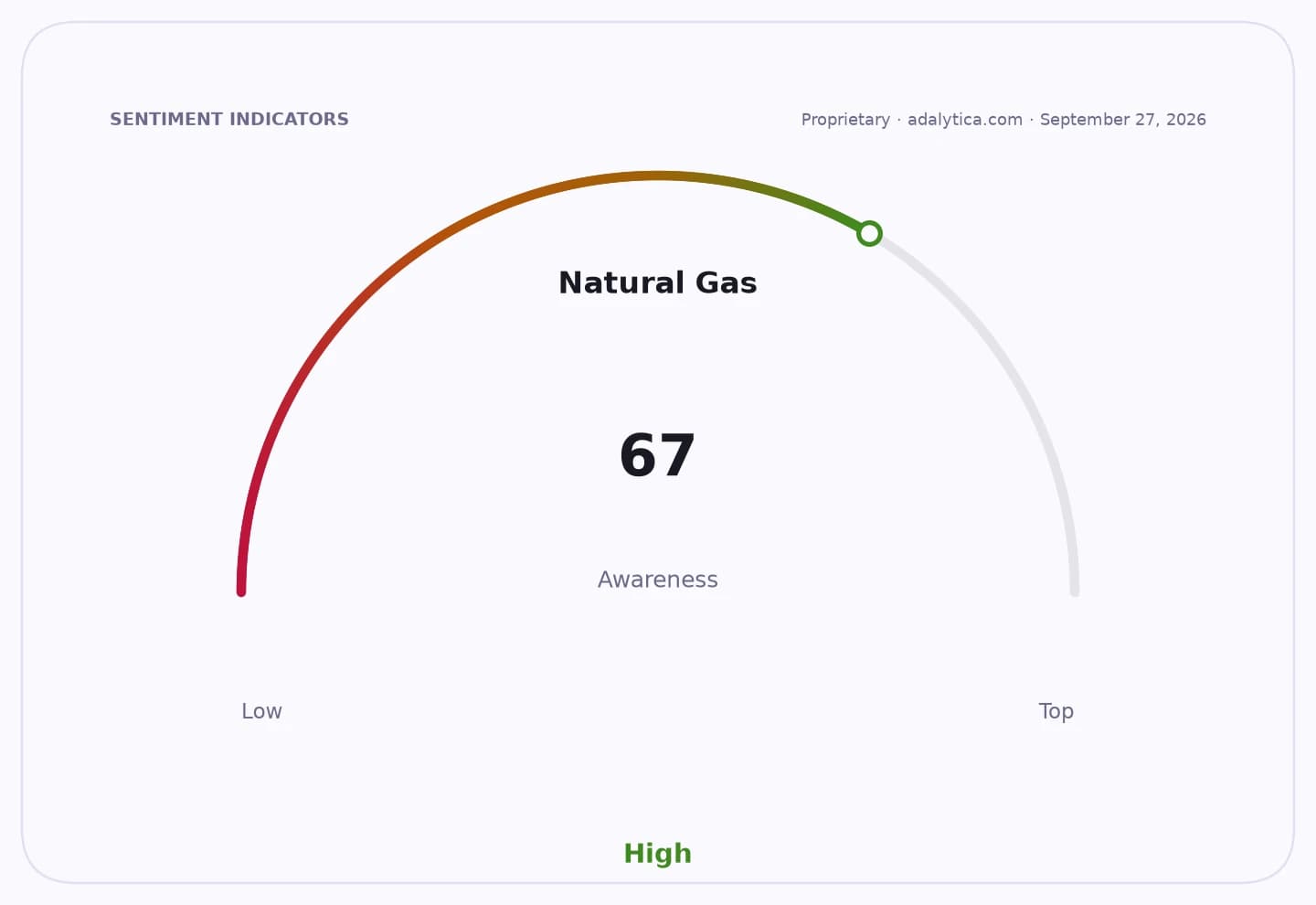
Europe’s biggest gas test this winter is likely to be volatility, not scarcity, as robust storage levels and milder weather have left the bloc better prepared than many feared.
Europe gas storage stays high as winter begins
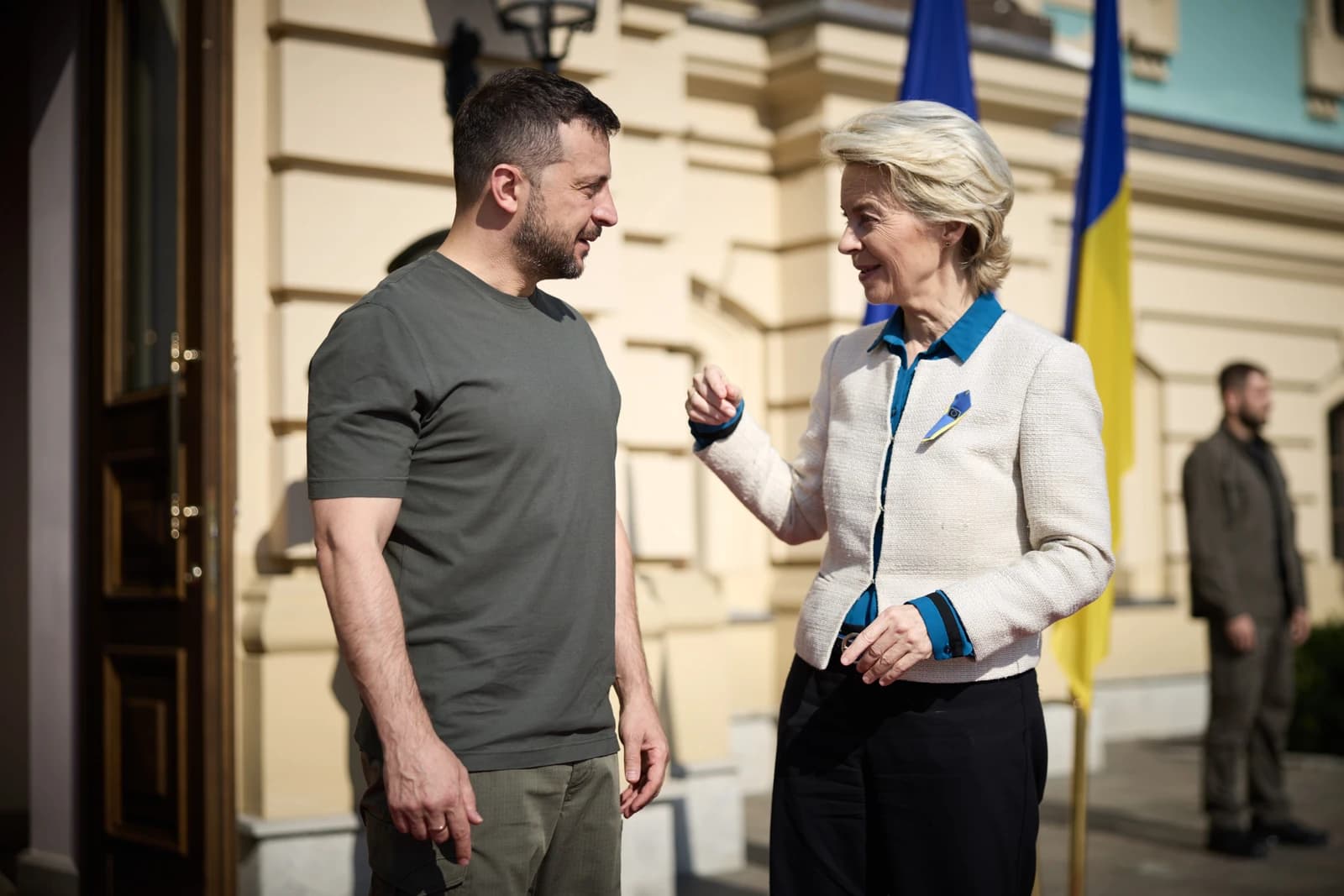
That is the key message from market and infrastructure data: despite the formal start of the heating season on Oct. 1, EU storage was still 74.1% full on Oct. 14, up from 71.6% two weeks earlier, while Poland’s storage was 99% full. TTF prices jumped from about 72 euros per megawatt hour to 86 euros when the season began, but have since steadied as unusually warm temperatures trimmed demand.
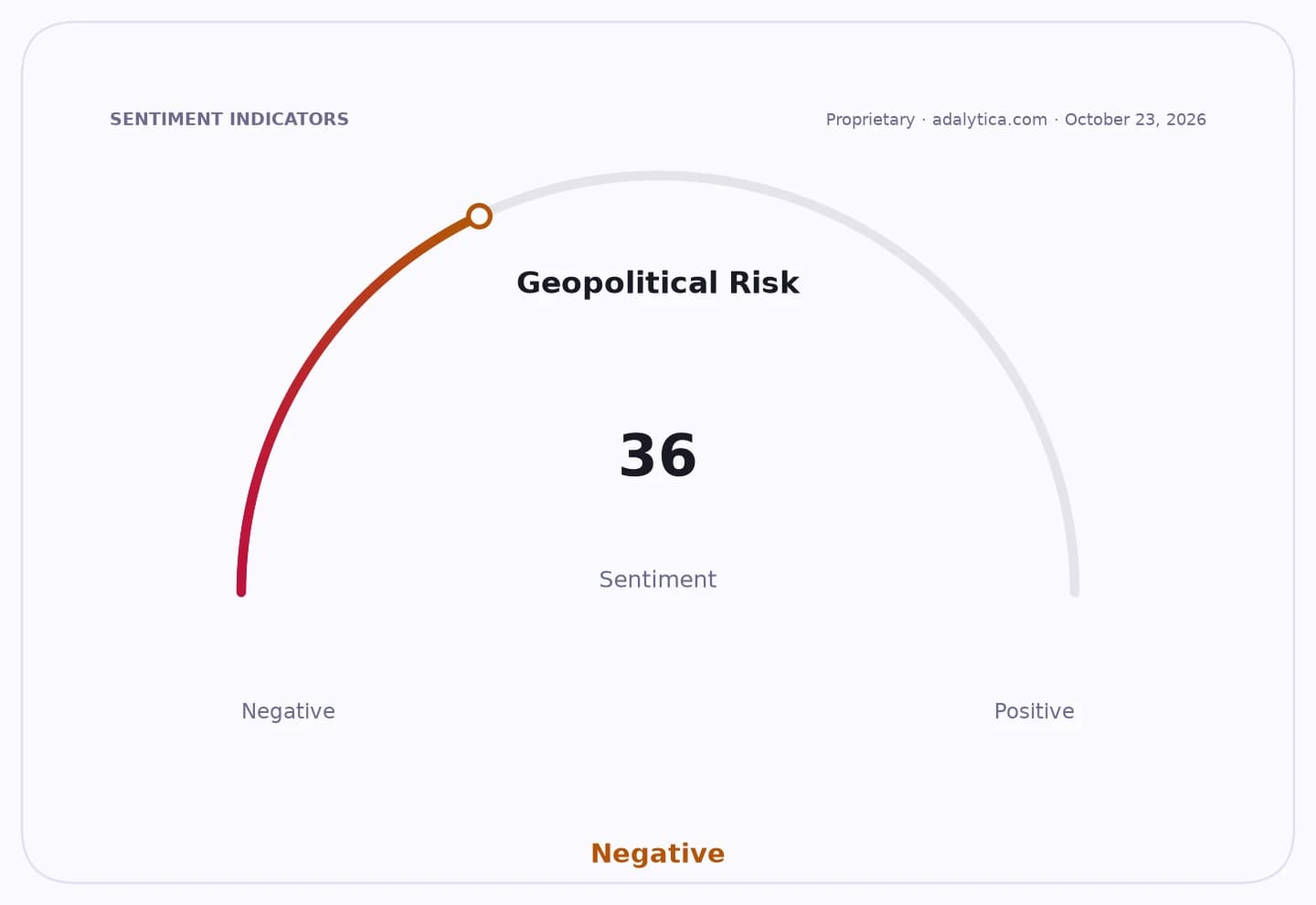
Sentiment IndicatorsⓘProprietary · adalytica.com · October 23, 2026
This is a snapshot — live sentiment, awareness and momentum for 130+ markets update continuously in the dashboard.Open AlphaPulse
The implication for the European economy is that the gas shock that hammered industry and households in 2022 is not repeating in physical terms. ENTSOG scenarios suggest even a severe winter combined with major supply disruptions should not exhaust the minimum reserves required across the system. But that is not the same as saying the market is safe. If the weather turns sharply colder, or if flows from major suppliers are disrupted, the price response could be fast and violent even if molecules remain available.
For investors, that distinction matters. European utilities, energy traders and industrial users are facing a market where the main risk is not running out of gas, but paying much more for it. Higher and more erratic prices would pressure margins for energy-intensive sectors, complicate power generation economics and keep hedging costs elevated. It also supports a firmer backdrop for LNG-linked assets and suppliers, especially as Europe heads into a period of persistent uncertainty around the Strait of Hormuz and a looming EU ban on Russian LNG imports from Jan. 1, 2027.
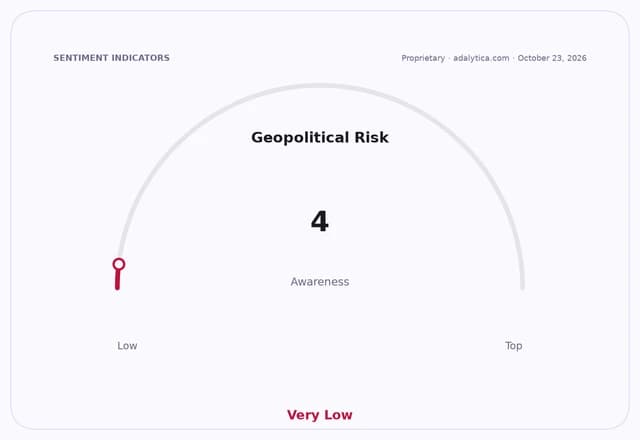
Poland is in a relatively strong position with near-full storage, but that offers only partial insulation. As Wilkiewicz noted, the country still remains exposed to the broader European and global LNG market. In other words, domestic buffers can soften the blow, but they cannot break the link to continental price formation.
The broader narrative is that Europe has built enough resilience to avoid a supply emergency, yet not enough to escape a price emergency. That leaves winter weather, Asian demand and geopolitics as the main catalysts for gas markets over the coming months.
| Entity | Gains | Losses |
|---|---|---|
| LNG exporters | ▲Higher winter pricing | ▼Buyers’ leverage |
| European gas traders | ▲Volatility opportunities | ▼Stable margins |
| Energy-intensive industry | ▲Lower supply-risk fears | ▼Higher input costs |
| EU consumers | ▲Physical supply security | ▼Heating bill pressure |